Quick Answer: Electric campervans in 2026 are viable for regional camping trips and weekend getaways, but they are not yet a replacement for a long-haul gas RV. Expect 100–220 miles of real-world range depending on the model, terrain, and payload. Charging on the road requires planning around DC fast-charger networks (most campervans peak at 115–150 kW). Upfront costs run $55,000–$120,000+, but per-mile fueling costs can be 60–75% lower than a comparable gas Class B camper if you charge at home. The ideal buyer has home Level 2 charging, camps within a 150-mile radius, and doesn't tow heavy trailers.
The Electric Campervan Landscape in 2026
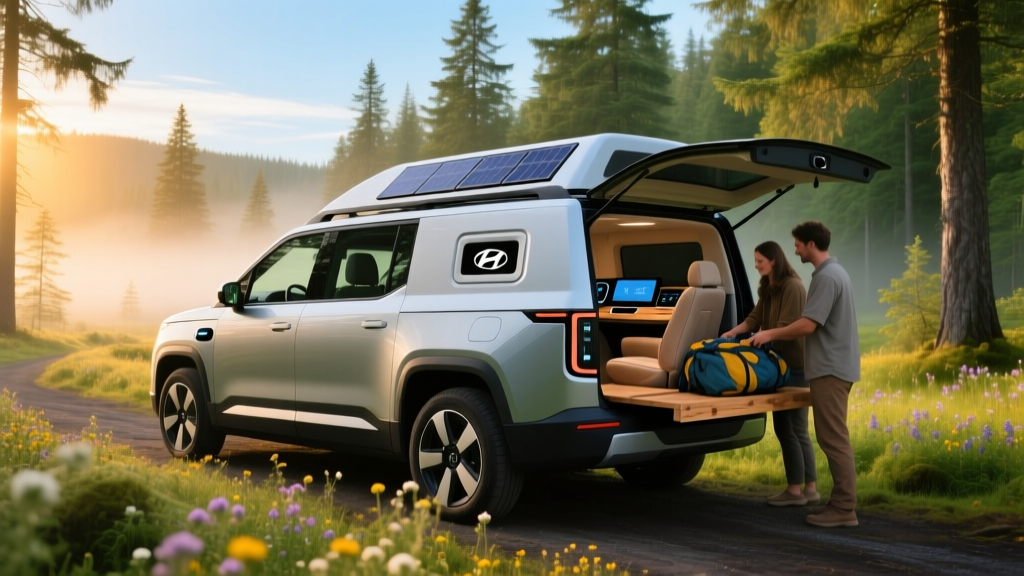
The electric campervan market has matured beyond the early proof-of-concept stage. Purpose-built electric vans from Mercedes-Benz (eSprinter), Ford (E-Transit), and Stellantis (eRam ProMaster) now serve as conversion platforms, while dedicated EV camper startups like Winnebago's e-RV and the Lightship L1 have entered production or late-stage delivery. The result: buyers in 2026 have roughly a half-dozen credible options spanning Class B motorhomes and light-duty travel trailers with electric drivetrains.
But electric campervans face physics that passenger EVs don't. A fully loaded camper van weighs 8,000–10,500 lbs, carries a tall, boxy profile that destroys aerodynamic efficiency, and often runs auxiliary systems (fridge, heater, water pump) that draw from the same battery pack or a separate house battery. Real-world range rarely matches the EPA or manufacturer sticker, especially at highway speeds with a full water tank and camping gear aboard.
Real-World Range: What the Sticker Doesn't Tell You
Manufacturer range claims for electric vans typically assume light payloads, moderate speeds, and mild temperatures. Camping introduces all the variables that compress range:
- Highway driving at 65–75 mph: Expect a 20–35% reduction from the EPA-rated range. Aerodynamic drag on a tall van body is brutal at speed.
- Heavy payload: A full 25-gallon fresh-water tank adds ~208 lbs. Add camping gear, a roof rack, and passengers, and you're carrying 1,000–2,000 lbs of cargo — another 10–15% range hit.
- Cold weather (below 40°F): Battery chemistry slows, cabin heating draws significant power, and range drops 25–40%. A van rated at 200 miles EPA may deliver only 120–140 miles in January mountain driving.
- Elevation gain: Mountain camping routes with sustained climbs can slash range by 30%+ on the ascent, though regenerative braking recovers some energy on descents.
| Platform / Model | Battery (kWh, usable) | Chemistry | EPA Range (cargo van) | Est. Real-World Campervan Range | Peak DC Charge (kW) |
|---|---|---|---|---|---|
| Winnebago e-RV (E-Transit base) | 68 kWh | NMC | 126 mi | 85–108 mi | 115 kW |
| Lightship L1 (travel trailer, EV tow) | 80 kWh (propulsion) | NMC | N/A (trailer w/ self-propel assist) | Up to 300 mi (tow-assist) | N/A |
| Mercedes eSprinter (conversion base) | 113 kWh | NMC | ~200 mi | 140–175 mi | 115 kW |
| Ford E-Transit (148" WB, high roof) | 68 kWh | NMC | 126 mi | 85–108 mi | 115 kW |
| eRam ProMaster (conversion base) | 110 kWh | NMC | ~162 mi | 110–140 mi | 150 kW |
The gap between EPA and real-world range is the single most important thing to understand before buying. A Winnebago e-RV owner planning a 200-mile drive to a campground should plan at least one DC fast-charge stop — and confirm that a compatible charger actually exists along the route.
Charging an Electric Campervan: Home, Campground & Highway
Charging logistics define the electric campervan experience. Here's what each level looks like in practice:
| Level | Power (kW) | Miles Added per Hour | Time 10–80% | Where You'll Find It |
|---|---|---|---|---|
| Level 1 (120V outlet) | 1.4 kW | ~2–3 mi/hr | ~55+ hours | Standard household outlet; trickle charge only |
| Level 2 (240V, 48A) | 11.5 kW | ~18–22 mi/hr | ~8–9 hours | Home garage, some campgrounds, RV parks with 50A service |
| DC Fast Charge | 115–150 kW (peak) | ~150–190 mi/hr | ~35–45 min | Electrify America, Tesla Superchargers (NACS-equipped), EVgo |
Home charging is nearly mandatory for practical ownership. A Level 2 home charger (240V, 40–48 amps) will fully replenish an eSprinter-class battery overnight. If you lack a garage or driveway with electrical access, daily electric campervan ownership becomes logistically painful — you'll depend on public Level 2 chargers, which are slower, more expensive per kWh, and not designed for vehicles this large.
Campground charging remains a patchwork. Some forward-thinking RV parks and state parks have installed Level 2 EV chargers, but many campgrounds still only offer 30A or 50A RV shore-power outlets intended for house batteries, not traction batteries. Always confirm charging infrastructure before booking a site. Adapters (J1772 to NEMA 14-50) can help in a pinch, but charging at 3.3–7.2 kW from shore power means an overnight session adds only 40–80 miles.
Highway DC fast charging works, but the charging curve matters. Most electric vans peak at 115–150 kW only up to roughly 30–40% state of charge (SoC), then taper significantly. A "35-minute 10–80% charge" is realistic; the last 20% from 80–100% may take another 25–30 minutes. Plan your stops accordingly.
Electric Campervan vs Gas Class B Camper: Cost & Practicality
The core buying decision comes down to whether the fuel savings and quiet operation justify the range limitations and higher upfront cost. Here's a data-driven comparison using a Winnebago e-RV (electric) versus a Winnebago Revel (gas, Sprinter 4×4 diesel base) as representative models:
| Factor | Electric (e-RV class) | Gas/Diesel (Revel class) |
|---|---|---|
| Base MSRP (2026) | $110,000–$125,000 | $105,000–$120,000 |
| Federal Tax Credit (§30D) | Up to $7,500 (if eligible) | $0 |
| Fuel/Energy Cost per Mile | $0.08–$0.14 (home L2 charging) | $0.28–$0.38 (diesel, 17 MPG avg) |
| Annual Fuel Cost (8,000 mi/yr) | $640–$1,120 | $2,240–$3,040 |
| Maintenance (annual avg) | $200–$400 | $800–$1,500 |
| Range per Tank/Charge | 85–175 mi (real-world) | 350–450 mi (18–25 gal tank) |
| Refuel/Recharge Time | 35–45 min (DC fast, 10–80%) | 5–10 min (diesel pump) |
| 5-Year Total Fuel + Maintenance | $4,200–$7,600 | $15,200–$22,700 |
The fuel and maintenance savings are substantial — roughly $10,000–$15,000 over five years — but they don't fully offset the higher purchase price of most electric campervans. The break-even point typically falls around year 6–8 for high-mileage owners. If you drive your campervan fewer than 5,000 miles per year (common for seasonal camping), the economics tilt further toward gas.
On the practicality side, a diesel Class B camper still wins for cross-country trips, boondocking in remote areas without charging infrastructure, and towing. The electric campervan wins for quiet operation (no generator noise at campgrounds), zero tailpipe emissions at the campsite, lower routine maintenance (no oil changes, fewer moving parts), and the ability to run house systems from the large traction battery via vehicle-to-load (V2L) capability.
Tax Credits and Incentives: What You Actually Qualify For
Federal EV tax credits under IRS §30D can reduce the effective price of an electric campervan by up to $7,500, but eligibility is far from automatic. Key requirements for 2026:
- MSRP cap: Vans classified as SUVs or trucks may have a higher MSRP threshold ($80,000 for SUVs) than sedans ($55,000). Many electric campervans exceed these caps once conversion costs are included — confirm the vehicle's classification with the dealer.
- Buyer income limits: Modified adjusted gross income must not exceed $150,000 (single), $225,000 (head of household), or $300,000 (joint filing).
- Battery sourcing: Critical minerals and battery components must meet phased-in domestic-content and free-trade-agreement thresholds that tighten each year. By 2026, a significant percentage must be sourced from the U.S. or FTA partners, or the credit is reduced or eliminated.
- Point-of-sale transfer: You can now transfer the credit to the dealer at purchase, reducing your out-of-pocket cost immediately rather than waiting for a tax refund.
Many purpose-built electric campervans — especially those from conversion shops that modify a commercial van chassis — fall into a gray area regarding MSRP caps and vehicle classification. Always verify eligibility with your tax professional and cross-reference the DOE/FuelEconomy.gov qualifying vehicle list before committing to a purchase.
Common Misconceptions About Electric Campervans
| Myth | Fact |
|---|---|
| "You can't camp off-grid with an EV camper." | Many electric campervans include V2L (vehicle-to-load) capability, letting you power a camp fridge, lights, and devices directly from the traction battery — no noisy generator needed. However, using house loads drains driving range, so budget accordingly. |
| "Electric campervans can't handle cold weather." | They can, but range drops 25–40% below 40°F. Models with heat pumps (standard on the eSprinter) mitigate cabin-heating energy draw. Plan shorter winter legs and preheat while plugged in. |
| "Charging takes too long for road trips." | A 10–80% DC fast charge takes 35–45 minutes — similar to a sit-down meal or a campground stretch. The real issue is charger availability along rural camping routes, not charge speed itself. |
| "The battery will need expensive replacement in a few years." | Most electric van platforms carry 8-year/100,000-mile battery warranties with a 70% capacity retention guarantee. NMC batteries in commercial vans are designed for heavy cycle use. Real-world degradation data from fleet E-Transits shows roughly 10–15% capacity loss after 100,000 miles. |
| "You can tow a trailer with an electric campervan." | Towing with an electric van is possible but drastically reduces range — often by 40–60%. The E-Transit's max towing is rated at 7,500 lbs, but real-world range while towing drops to 50–70 miles. Towing is not recommended for most electric campervan use cases. |
Decision Framework: Should You Buy an Electric Campervan?
Buy an electric campervan if:
- You have reliable home Level 2 charging (240V, 40A+ circuit)
- Most trips are within a 150-mile radius of home or along routes with confirmed DC fast chargers
- You value quiet, generator-free camping and can use V2L for campsite power
- You drive 6,000+ miles per year in the van, making fuel savings meaningful
- You camp primarily in mild-to-moderate climates, or you accept reduced winter range
- You don't need to tow a heavy trailer or boat
Stick with a gas/diesel Class B camper if:
- You take multi-state, cross-country trips regularly
- You boondock in remote areas with no charging infrastructure
- You need 300+ mile range without planning charge stops
- You tow a car, boat, or utility trailer behind the camper
- You lack home charging access and can't install a Level 2 charger
- You camp extensively in sub-freezing temperatures and can't absorb a 30% range loss
First-Time Buyer Checklist: What to Know Before You Sign
- Confirm the charging connector. As of 2026, the industry is mid-transition from CCS1 to NACS (Tesla's standard). Ensure your chosen campervan has NACS or comes with a CCS-to-NACS adapter for Supercharger access — this dramatically expands your highway-charging options.
- Ask about house vs. drive battery separation. Some conversions tap the traction battery for house loads (fridge, lights, outlets); others carry a separate auxiliary battery. A separate house battery protects your driving range but adds weight and complexity.
- Get a home electrical assessment. A Level 2 charger for a 113 kWh battery at 48A requires a 60A dedicated circuit. Older homes may need a panel upgrade ($1,500–$3,500) before installation. Budget $800–$2,500 for the charger unit plus electrician labor, per U.S. DOE home charging guidance.
- Check insurance quotes before buying. Electric campervans often carry 15–30% higher insurance premiums than gas equivalents due to higher repair costs and battery-replacement risk. Get a binding quote first.
- Verify §30D eligibility in writing. Don't rely on a dealer's verbal assurance. Check the IRS qualifying-vehicle list and confirm battery-sourcing compliance for your specific VIN.
- Test-charge before you buy. Take the van to a DC fast charger during the test drive. Confirm the charge curve, connector compatibility, and that the van's navigation system can route to chargers automatically.
Frequently Asked Questions
What is the longest-range electric campervan available in 2026?
The Mercedes-Benz eSprinter conversion platform offers the longest range among electric van chassis, with an EPA-estimated ~200 miles in cargo-van form. In a fully converted campervan with added weight and less aerodynamic aftermarket bodywork, expect 140–175 miles real-world. The Lightship L1 travel trailer takes a different approach: it carries its own 80 kWh battery pack with self-propulsion motors that assist the tow vehicle, preserving the tow vehicle's range rather than draining it.
Can I charge an electric campervan at a regular RV park?
Most RV parks offer 30A or 50A shore-power outlets designed for house batteries, not EV traction batteries. With an appropriate adapter, you can charge at 3.3–7.2 kW from a 50A outlet, which adds roughly 6–12 miles of range per hour — enough to top off overnight if your next leg is short. Dedicated Level 2 EV chargers at RV parks are growing but still uncommon. Call ahead and ask specifically about EV charging, not just "electrical hookups."
How much does it cost to install a home Level 2 charger for a campervan?
Expect $1,200–$3,500 for a complete home Level 2 installation: $500–$800 for a quality 48A charger (ChargePoint Home Flex, Emporia Vue, or Wallbox Pulsar Plus), $500–$1,500 for electrician labor and materials (conduit, wiring, 60A breaker), and $100–$500 for permits. If your home's electrical panel needs an upgrade to 200A service, add $1,500–$3,500. A licensed electrician should evaluate your panel capacity before you commit.
Is an electric campervan practical for full-time van life?
For full-time van life with frequent relocation, an electric campervan remains challenging in 2026. Range limitations, charging-planning overhead, and the scarcity of DC fast chargers in rural and public-land areas (BLM land, national forests) make a diesel Class B or a PHEV setup more practical. Electric campervans work best for part-time or weekend use where the van returns to a home base between trips.
What happens to the battery warranty if I convert a cargo van myself?
OEM battery warranties (typically 8 years/100,000 miles) generally remain valid as long as the conversion doesn't modify the high-voltage battery system, wiring, or thermal management. However, if a third-party upfitter alters the electrical system and a battery issue arises, the manufacturer may dispute the claim. Use a certified conversion shop and keep detailed documentation of all modifications.