The Problem: Why Peak Charging Rates Lie to You
One of the most frustrating problems modern electric vehicle owners face is the 'charging bottleneck.' You purchase an EV advertised with a blistering '250 kW peak charging speed,' yet when you plug in at a highway fast-charging station, you find yourself waiting 45 minutes just to add 150 miles of range. This discrepancy between marketing materials and real-world road trip experiences is a massive pain point for EV adoption. The root of this problem lies in the charging curve, battery thermal management, and vehicle efficiency. Peak charging speed is merely a momentary ceiling, usually only achievable when the battery is at a low state of charge and perfectly preconditioned. To truly solve road trip planning anxiety, we must abandon peak kilowatt metrics and adopt a much more practical troubleshooting metric: Minutes Per Mile.
The Solution: Ranking EVs by Minutes Per Mile
While the raw calculation of 'minutes per single mile' results in cumbersome decimals, the automotive industry and testing agencies standardize this metric to evaluate how many minutes it takes to add a specific chunk of range. For the sake of readable troubleshooting data, we evaluate the time required to add 100 miles of real-world highway range. This metric is the ultimate problem-solving tool because it marries two critical variables: the vehicle's charging acceptance rate (kW) and its energy efficiency (miles per kWh). A highly efficient sedan charging at 150 kW will often add miles faster than a heavy, aerodynamic electric truck charging at 250 kW. By ranking the best EVs using this metric, we can identify which vehicles actually get you back on the road the fastest.
Top Fast-Charging EVs: The Data Table
Below is our ranked table of the best EVs based on real-world charging efficiency. This data assumes optimal conditions (preconditioned battery, 10% to 80% state of charge, and a capable DC fast charger).
| Rank | Vehicle Model | Architecture | Peak Charging Rate | Minutes per 100 Miles (Approx.) |
|---|---|---|---|---|
| 1 | Lucid Air Grand Touring | 900V+ | 250 kW | 12 Minutes |
| 2 | Hyundai Ioniq 5 (RWD) | 800V | 235 kW | 18 Minutes |
| 3 | Kia EV6 (RWD) | 800V | 235 kW | 18 Minutes |
| 4 | Porsche Taycan 4S | 800V | 270 kW | 21 Minutes |
| 5 | Tesla Model 3 Long Range | 400V | 250 kW | 24 Minutes |
1. Lucid Air: The Efficiency King
The Lucid Air Grand Touring solves the charging time problem through sheer, unmatched efficiency. Thanks to its miniaturized powertrain and exceptional aerodynamics, the Air achieves over 4 miles per kWh. Even if its peak charging rate is capped around 250 kW on most current public infrastructure, its low energy consumption means those kilowatts translate into massive range. Adding 100 miles of range takes roughly 12 minutes under optimal conditions, making it the undisputed king of the highway pit stop.
2. Hyundai Ioniq 5 and Kia EV6: The 800-Volt Value Champions
Hyundai and Kia solved the charging bottleneck for the mass market by bringing 800-volt architecture to affordable price points. Higher voltage systems allow the vehicle to accept more power without generating excessive heat, which prevents thermal throttling. Both the Ioniq 5 and EV6 can sustain high charging rates deeper into the state of charge curve than their 400-volt rivals. If you are troubleshooting a slow road trip, switching to an 800V E-GMP vehicle ensures that your charging stops are consistently capped at around 18 minutes per 100 miles.
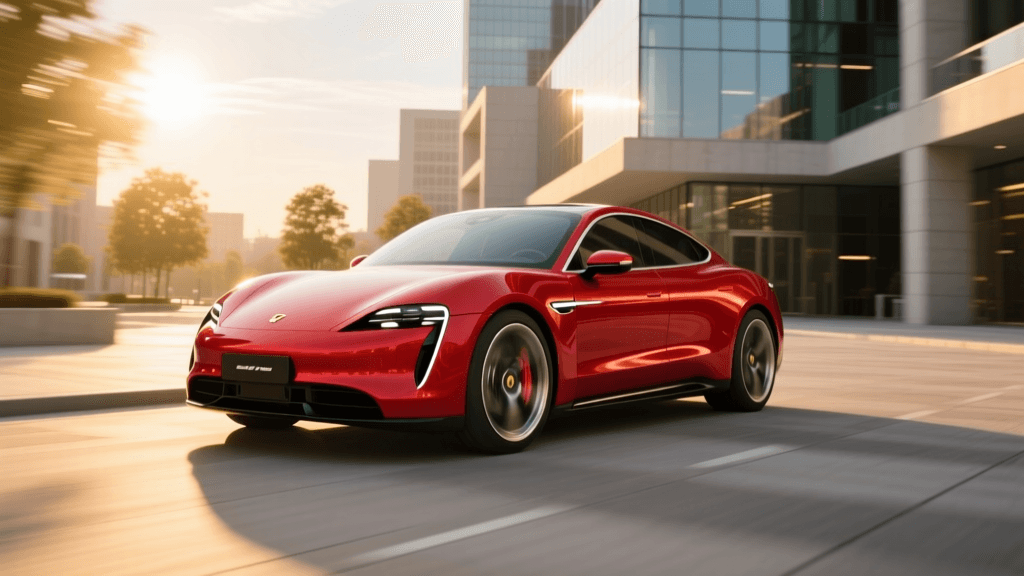
3. Porsche Taycan: The Consistent Curve Master
Porsche was the pioneer of the 800-volt EV architecture. While its peak kW numbers are impressive, the Taycan's real triumph is the flatness of its charging curve. Many EVs spike to peak power and immediately drop off. The Taycan's advanced thermal management system allows it to hold near-peak charging speeds all the way up to 80% state of charge, eliminating the 'staircase' drop-off problem that plagues other luxury EVs.
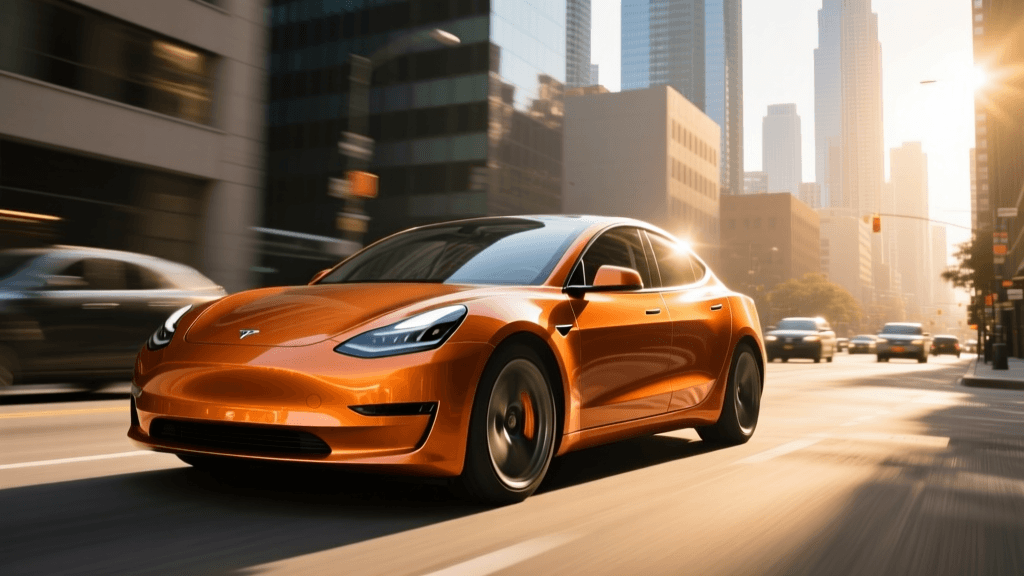
4. Tesla Model 3 (Highland): The Network Advantage
While the Model 3 utilizes a traditional 400-volt architecture, its integration with the Tesla Supercharger network solves the infrastructure side of the troubleshooting equation. The vehicle's navigation system perfectly preconditions the battery upon approach, and the V3/V4 Superchargers rarely suffer from the hardware handshaking issues common with third-party CCS networks. It reliably achieves roughly 24 minutes per 100 miles, offering a highly predictable travel experience.
Troubleshooting: Why Isn't My EV Charging at Peak Speed?
If you own one of the vehicles listed above but are still experiencing charging bottlenecks, the problem likely lies in your charging habits or environmental factors. According to the Alternative Fuels Data Center, DC fast charging speeds are heavily dependent on battery temperature, state of charge, and station health. Here is how to troubleshoot the most common slow-charging problems.
1. Battery Preconditioning Failures
The Problem: You plug into a 350 kW charger, but your car is only pulling 45 kW.
The Cause: Lithium-ion batteries cannot accept high currents when they are cold. Doing so risks lithium plating, which permanently degrades the battery. If you drive to a charger without warming the battery, the car's software will artificially throttle the charging speed to protect the cells.
The Solution: Always use the vehicle's native navigation system to route to the charging station. This triggers the battery preconditioning routine, which uses the drivetrain's waste heat and dedicated heaters to bring the battery to the optimal temperature (usually around 95°F to 104°F) before you arrive.
2. State of Charge (SoC) Bottlenecks
The Problem: Charging from 80% to 100% takes longer than charging from 10% to 80%.
The Cause: As a battery approaches its maximum capacity, the internal resistance increases. To prevent overcharging and thermal runaway, the Battery Management System (BMS) drastically tapers the current. This is known as the '80% wall.'
The Solution: For road trips, adopt the 'short and frequent' charging strategy. Only charge up to 80% or 85%, then get back on the road. You will spend significantly less total time charging by making two 15-minute stops (10% to 80%) than one 50-minute stop (10% to 100%).
3. Thermal Throttling and Ambient Temperatures
The Problem: Your EV charges incredibly fast on a cool spring morning but painfully slow during a hot summer afternoon or after driving at high speeds.
The Cause: High-speed DC charging generates immense heat. If the ambient temperature is already high, or if the battery is hot from aggressive highway driving, the vehicle's thermal management system will prioritize cooling over charging speed to prevent cell damage.
The Solution: If you are driving in extreme heat, try to charge at stations located in shaded areas. Additionally, driving at moderate speeds (65 mph instead of 80 mph) for the 20 miles leading up to your charging stop can reduce battery heat soak, allowing the car to accept a faster charge upon arrival. The U.S. Department of Energy notes that extreme temperatures heavily impact both EV range and charging efficiency, making thermal awareness a critical skill for EV owners.
4. Station Hardware and Splitting Issues
The Problem: The car and battery are ready, but the charger itself is underperforming.
The Cause: Many older or poorly maintained CCS stations suffer from cable cooling failures, software handshake errors, or power-splitting. If you plug into a dual-pedestal station and another car is already charging, the station's total power output may be split between the two vehicles.
The Solution: Use apps like PlugShare or A Better Routeplanner (ABRP) to check recent user reviews and station status. Whenever possible, choose stations with dedicated power cabinets or next-generation chargers that do not split power dynamically between pedestals.
Actionable Advice for Faster Road Trips
Solving the EV charging bottleneck requires a shift in mindset from the internal combustion engine era. Instead of driving until the tank is empty and filling up completely, EV road trips are best managed by keeping the battery in its optimal charging window (10% to 80%). By selecting a vehicle with a high 'Minutes Per Mile' rating—like the Lucid Air or Hyundai Ioniq 5—and mastering the art of battery preconditioning, you can transform your road trip stops into brief, 15-minute breaks. Troubleshooting your charging speed isn't just about buying the right car; it is about understanding the chemistry and software that governs the flow of electrons, ensuring you spend less time in the parking lot and more time on the open road.