Why Choose a Compact EV for the City?
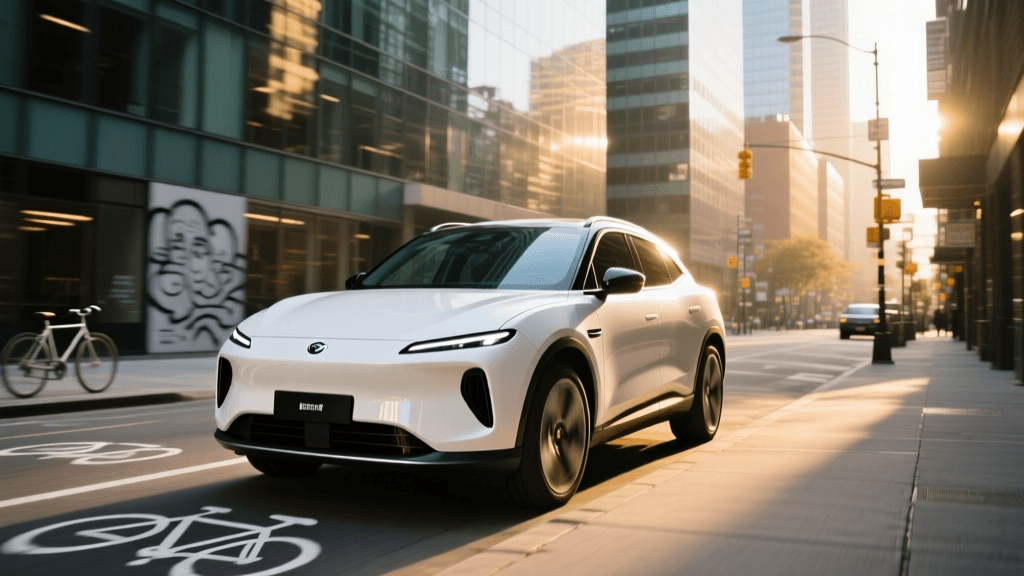
Navigating urban environments presents a unique set of challenges for drivers: tight parking spaces, unpredictable traffic, narrow streets, and the constant stop-and-go rhythm of rush hour. For city dwellers, a massive electric SUV or a long-bed electric truck is often more of a liability than an asset. This is where compact electric vehicles (EVs) shine. Combining a small physical footprint with the instant torque and regenerative braking capabilities of electric motors, compact EVs are the ultimate urban runabouts.
Beyond maneuverability, compact EVs offer incredible efficiency. According to the U.S. Environmental Protection Agency (EPA), electric vehicles convert over 77% of the electrical energy from the grid to power at the wheels, making them vastly more efficient than gas-powered counterparts, especially in idling traffic where gas cars waste fuel and EVs use almost zero energy. If you are a beginner looking to make the switch to electric, a compact EV is the most accessible, affordable, and practical entry point into the EV lifestyle.
Our Ranking Methodology
To determine the best compact electric cars for city driving, we evaluated the current market based on criteria that matter most to urban commuters:
- Footprint and Maneuverability: Overall length, width, and turning circle for easy curb parking and navigating tight alleys.
- Stop-and-Go Efficiency: The effectiveness of regenerative braking systems and one-pedal driving capabilities.
- Visibility and Tech: Camera systems, blind-spot monitoring, and sensor suites designed to prevent urban fender-benders.
- Range and Charging: Adequate range for weekly commuting without excessive charging stops, plus compatibility with urban charging networks.
Top 5 Compact EVs for Urban Commuters Ranked
1. Hyundai Kona Electric
The Hyundai Kona Electric takes the top spot for its brilliant balance of practicality, range, and urban-friendly technology. The latest generation offers an EPA-estimated 261 miles of range, meaning most city drivers will only need to charge once a week or less. What makes the Kona truly special for the city is its steering-wheel-mounted regenerative braking paddles. Drivers can adjust the regen level on the fly, allowing for seamless one-pedal driving when crawling through heavy downtown traffic. Its relatively tight turning circle and available 360-degree surround-view camera make parallel parking in cramped spaces a breeze.
2. Kia Niro EV
If you need slightly more cargo space for weekend hardware store runs or grocery hauls without sacrificing a compact exterior, the Kia Niro EV is your best bet. It rides on the same foundational architecture as the Kona but utilizes a more traditional hatchback/crossover shape. With 239 miles of range, it easily handles the urban grind. The Niro EV excels in urban safety tech, offering robust blind-spot collision avoidance and rear cross-traffic alert, which are invaluable when pulling out of tight city driveways or navigating bike-heavy intersections.
3. MINI Cooper SE (Electric Hardtop)
For the pure urbanite who prioritizes parking ease above all else, the MINI Cooper SE is unmatched. Its 114-mile EPA range is admittedly the lowest on this list, but for a city dweller with a predictable daily commute, it is more than sufficient. The trade-off is a vehicle that is incredibly fun to drive, featuring go-kart-like handling and a remarkably tight 37.3-foot turning circle. The Cooper SE can fit into parking gaps that larger crossovers would have to drive past, making it the undisputed king of street parking.
4. Nissan LEAF
The Nissan LEAF remains a staple of the urban EV landscape, largely due to its pioneering e-Pedal feature. The e-Pedal allows drivers to accelerate, decelerate, and come to a complete stop using only the accelerator pedal, which drastically reduces fatigue in bumper-to-bumper traffic. While the base model offers 149 miles of range and the LEAF SV PLUS offers up to 212 miles, buyers should note that the LEAF still uses the CHAdeMO connector for DC Fast Charging, which is becoming less common in North America compared to the CCS and NACS standards. However, for home and workplace Level 2 charging, it remains a highly comfortable and affordable city car.
5. Chevrolet Bolt EV
Though General Motors has shifted its focus to newer Ultium-based platforms, the Chevrolet Bolt EV remains widely available on the new and used markets and offers arguably the best value in the segment. Measuring just over 16.7 feet in length, the Bolt is a subcompact hatchback that punches far above its weight class with a 259-mile range. Its tight dimensions make it exceptionally easy to maneuver, and the inclusion of Super Cruise compatibility on newer models adds a layer of hands-free convenience for urban highway commutes.
Compact City EV Comparison Chart
| Model | EPA Range | Starting MSRP (Approx.) | Turning Circle | Best City Feature |
|---|---|---|---|---|
| Hyundai Kona Electric | 261 miles | $32,675 | 34.8 ft | Adjustable Regen Paddles |
| Kia Niro EV | 239 miles | $39,600 | 35.4 ft | Spacious Hatchback Utility |
| MINI Cooper SE | 114 miles | $30,900 | 37.3 ft | Ultra-Compact Footprint |
| Nissan LEAF | 149 - 212 miles | $28,140 | 34.8 ft | e-Pedal One-Pedal Driving |
| Chevrolet Bolt EV | 259 miles | $26,500 (Used/Leftover) | 35.6 ft | Exceptional Range-to-Price Value |
A Beginner's Guide to Urban EV Charging
One of the biggest hurdles for city dwellers transitioning to an EV is charging, especially if you live in an apartment without a dedicated garage. Here is how to manage your charging ecosystem in the city:
- Level 1 Trickle Charging (120V): If you have access to a standard outdoor outlet, Level 1 charging adds about 3 to 5 miles of range per hour. While slow, plugging in overnight can easily replenish the 30-40 miles most city dwellers drive in a single day.
- Workplace and Public Level 2 (240V): Many urban office buildings and municipal parking garages now offer Level 2 chargers. The Alternative Fuels Data Center (AFDC) provides extensive databases and tools to help you locate public charging infrastructure near your home or workplace. Level 2 chargers can add 20-30 miles of range per hour, making a quick stop at the grocery store or gym a perfect opportunity to top off.
- DC Fast Charging: For longer weekend trips outside the city, utilize DC Fast Chargers. Download apps like PlugShare or ChargePoint to map out reliable urban fast-charging hubs.
Mastering One-Pedal Driving in Traffic
The secret weapon of the compact EV in the city is regenerative braking. When you lift your foot off the accelerator, the electric motor reverses direction, acting as a generator that slows the car down while sending electricity back into the battery. By mastering one-pedal driving, you can navigate stoplights and traffic jams without ever touching the brake pedal. This not only reduces driver fatigue but also saves immense wear and tear on your physical brake pads, lowering your long-term maintenance costs.
Final Thoughts for First-Time EV Buyers
Choosing a compact EV for city driving is one of the smartest automotive decisions you can make. You will eliminate tailpipe emissions in densely populated areas, drastically reduce your fuel and maintenance costs, and transform the stress of urban parking into a minor inconvenience. Whether you opt for the tech-forward Hyundai Kona Electric, the practical Kia Niro EV, or the ultra-agile MINI Cooper SE, the electric urban commute is a vastly superior experience. As battery technology continues to evolve and city charging infrastructure expands, there has never been a better time to downsize your footprint and electrify your daily drive.