Honda Prologue vs Nissan Ariya: The Ultimate Midsize Family EV SUV Comparison
The transition to electric vehicles has fundamentally shifted the midsize family SUV segment, bringing forth a new wave of zero-emission vehicles designed to cater to the daily needs of modern households. Two of the most compelling contenders in this space are the Honda Prologue and the Nissan Ariya. Both vehicles offer spacious cabins, advanced technology, and the quiet, smooth ride quality that electric powertrains are known for. However, they achieve these goals through distinctly different engineering philosophies and design approaches.
The Honda Prologue, built on General Motors’ Ultium battery architecture, represents Honda’s strategic partnership with GM to deliver a practical, highly capable, and spacious electric SUV. It feels instantly familiar to loyal Honda fans while offering the benefits of a dedicated EV platform. On the other hand, the Nissan Ariya benefits from Nissan’s deep-rooted EV pedigree, dating back to the original Leaf. It rides on a bespoke CMF-EV platform, offering a more premium, lounge-like interior and cutting-edge driver assistance features.
If you are cross-shopping these two excellent electric vehicles, you are likely looking for the perfect blend of range, utility, and value. In this comprehensive comparison, we will break down everything from EPA ratings and charging speeds to interior dimensions and technology suites. For a deeper dive into each vehicle individually, be sure to check out our full Honda Prologue review and Nissan Ariya review.
Side-by-Side Spec Comparison
Before diving into the nuances of daily driving and ownership, let’s look at the core specifications that define these two midsize electric SUVs. Note that specifications can vary based on trim levels, battery sizes, and drivetrain configurations (Front-Wheel Drive vs. All-Wheel Drive).
| Feature | Honda Prologue | Nissan Ariya |
|---|---|---|
| Starting MSRP (Approx.) | $47,400 | $39,590 |
| Maximum EPA Range | 296 miles (FWD) | 304 miles (FWD) |
| Battery Capacity (Usable) | 85 kWh | 63 kWh / 91 kWh |
| Peak Horsepower | 288 hp (AWD) | 389 hp (e-4ORCE AWD) |
| Peak Torque | 333 lb-ft (AWD) | 443 lb-ft (e-4ORCE AWD) |
| 0-60 mph (AWD) | ~6.0 seconds | ~4.8 seconds |
| Max Cargo Space | 57.7 cu ft | 59.7 cu ft |
| Max DC Fast Charging | 150 kW+ | 130 kW |
Range & Efficiency
Range anxiety remains a primary concern for many first-time EV buyers, making the maximum distance on a single charge a critical comparison point. According to EPA ratings, the Nissan Ariya holds a slight edge in maximum range when equipped with the larger 91 kWh battery and Front-Wheel Drive (FWD), achieving an estimated 304 miles. This makes it an excellent choice for commuters and road-trippers who want to minimize charging stops.
The Honda Prologue, utilizing its 85 kWh Ultium battery, achieves a highly respectable 296 miles in its FWD configuration. While it falls just short of the Ariya’s maximum, the difference is negligible in real-world driving scenarios. When you opt for All-Wheel Drive (AWD) in either vehicle, the range drops predictably due to the added weight and mechanical drag of the secondary motor. The Prologue AWD returns around 273 to 281 miles depending on the trim and wheel size, while the Ariya’se-4ORCE AWD system yields between 267 and 289 miles.
In terms of efficiency (MPGe), both vehicles are closely matched, though the Ariya’s aerodynamic, crossover-coupe styling gives it a marginal advantage on the highway. However, the Prologue’s boxier, more traditional SUV shape provides a significant advantage in interior volume, which we will explore later. Ultimately, both SUVs offer more than enough range to handle the weekly school run, grocery hauls, and weekend getaways without requiring mid-week top-ups.
Pricing & Value
When it comes to the bottom line, the Nissan Ariya currently offers a more accessible entry point into the midsize electric SUV segment. Its base trims start in the high-$30,000 to low-$40,000 range, making it an incredibly compelling value proposition, especially when factoring in potential federal, state, and local EV incentives. Even when equipped with the larger battery and premium features, the Ariya remains competitively priced against both electric and internal-combustion rivals.
The Honda Prologue enters the market at a slightly higher price point, with base models starting in the mid-$40,000s. However, Honda has strategically packaged the Prologue with a high level of standard equipment, including a large infotainment display, comprehensive safety suites, and premium interior materials. Buyers should also consider the long-term value proposition; Honda’s reputation for reliability and strong resale value often justifies a higher initial MSRP for many families.
For buyers seeking the best bang for their buck, the Ariya’s lower starting price is a major draw. But for those who prioritize a traditional SUV layout and are willing to pay a slight premium for the Honda badge and GM’s Ultium underpinnings, the Prologue presents a strong value case. We recommend checking our list of the best family EVs to see how their pricing aligns with other segment leaders.
Charging Speed & Infrastructure
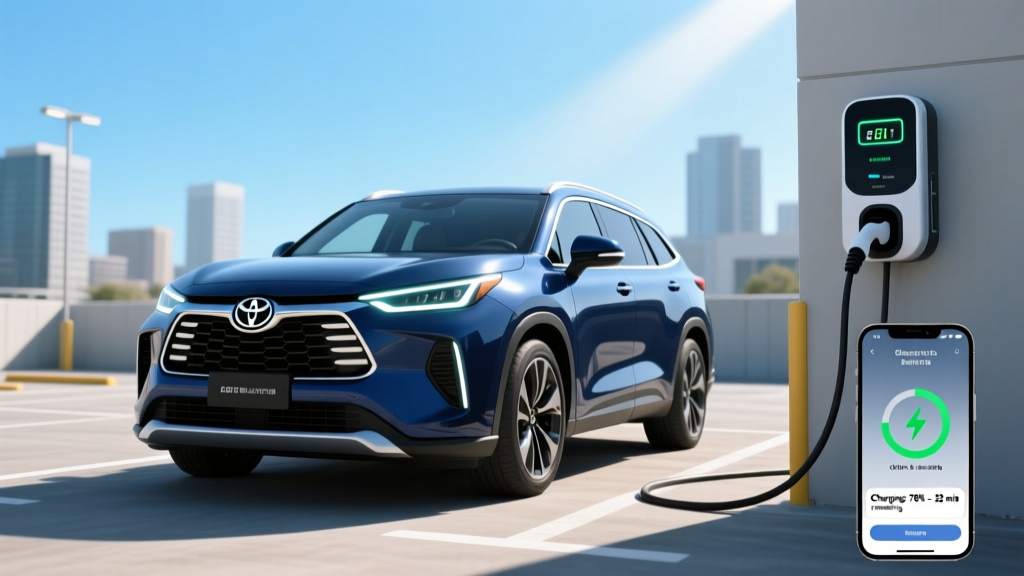
Charging speed is just as important as total range, particularly for families who enjoy taking road trips. The Honda Prologue benefits immensely from its General Motors Ultium architecture, which supports DC fast charging speeds exceeding 150 kW. Under optimal conditions, the Prologue can add roughly 65 miles of range in just 10 minutes, and charge from 20% to 80% in approximately 30 to 35 minutes. Furthermore, Honda’s integration into the broader North American Charging Standard (NACS) network ensures that Prologue owners will have seamless access to Tesla Superchargers via adapters or native ports in future model iterations.
The Nissan Ariya utilizes a CCS (Combined Charging System) port and peaks at around 130 kW on a DC fast charger. While slightly slower than the Prologue, it is still highly capable, achieving a 20% to 80% charge in roughly 35 to 40 minutes. Nissan has also committed to the NACS transition, meaning Ariya owners will gain access to the expansive Supercharger network through approved adapters, vastly improving the road-trip experience.
For home charging (Level 2), both vehicles support up to 11.5 kW to 19.2 kW depending on the onboard charger configuration and the specific trim level. With a properly installed 240-volt home wallbox, both the Prologue and the Ariya can easily replenish their batteries overnight, ensuring you start every morning with a full “tank.”
Performance & Driving Dynamics
Electric vehicles are inherently quick, but the way they deliver that power varies. The Nissan Ariya, particularly in its top-tier Platinum+ e-4ORCE AWD guise, is the undisputed performance leader of this matchup. Producing up to 389 horsepower and 443 lb-ft of torque, the Ariya can sprint from 0 to 60 mph in under 5 seconds. Nissan’s e-4ORCE dual-motor all-wheel-drive system is brilliant, offering precise torque vectoring that minimizes pitch and dive during acceleration and braking, resulting in a remarkably composed and engaging driving experience.
The Honda Prologue takes a more relaxed, comfort-oriented approach. Its dual-motor AWD system produces a healthy 288 horsepower and 333 lb-ft of torque, yielding a 0-60 mph time of around 6.0 seconds. While it won’t win any drag races against the Ariya, the Prologue’s power delivery is smooth, linear, and more than adequate for highway merging and passing. The suspension tuning, derived from GM’s midsize SUV expertise, excels at absorbing potholes and rough pavement, providing a plush, isolated ride quality that many families will prefer over sporty handling.
Neither vehicle is designed for aggressive corner carving; they are family haulers at heart. However, the Ariya’s lower center of gravity and advanced torque vectoring make it feel slightly more agile on winding roads, while the Prologue shines as a serene, comfortable cruiser on long interstate journeys.
Interior Space, Comfort & Cargo
This is where the distinct design philosophies of the two vehicles become most apparent. The Honda Prologue embraces a traditional, boxy SUV silhouette. This design choice pays massive dividends in interior usability. Rear-seat passengers enjoy exceptional legroom and headroom, and the cargo area is wide, tall, and easily accessible. With the rear seats folded flat, the Prologue offers up to 57.7 cubic feet of cargo space, making it incredibly easy to load bulky items like strollers, bicycles, or large grocery hauls. The cabin features high-quality soft-touch materials, intuitive physical buttons for climate control, and a practical, user-friendly layout.
The Nissan Ariya opts for a sleeker, coupe-like profile that prioritizes aerodynamics and visual flair. Inside, the Ariya feels like a high-end Japanese lounge. The minimalist dashboard features hidden haptic controls that illuminate through the woodgrain trim, and the flat floor creates an airy, spacious feeling. The center console is motorized and can slide forward or backward at the touch of a button, offering incredible flexibility for front-seat passengers. While the Ariya technically offers slightly more maximum cargo volume (59.7 cubic feet) due to its longer overall footprint, the sloping roofline can make loading taller, boxier items slightly more challenging than in the Prologue.
For pure passenger comfort and traditional utility, the Prologue wins. For a premium, futuristic, and highly customizable cabin experience, the Ariya takes the crown. Both vehicles offer available panoramic moonroofs, heated and ventilated seats, and premium audio systems to elevate the daily commute.
Technology & Infotainment
Both SUVs are packed with modern technology, but they cater to slightly different tech preferences. The Honda Prologue features an 11.3-inch touchscreen infotainment system with Google Built-in. This means Google Maps, Google Assistant, and the Google Play Store are natively integrated into the vehicle, providing excellent voice recognition and seamless navigation that factors in EV charging stops. Wireless Apple CarPlay and Android Auto are also standard, alongside a 11-inch digital instrument cluster.
The Nissan Ariya counters with a stunning dual-screen setup, featuring two 12.3-inch displays merged into a single widescreen panel. It utilizes Amazon Alexa integration and offers a highly responsive, visually rich interface. However, the Ariya’s biggest technological advantage lies in its Advanced Driver Assistance Systems (ADAS). The available ProPILOT Assist 2.0 is a game-changer, offering true hands-free driving capabilities on pre-mapped divided highways. This system significantly reduces driver fatigue on long road trips, a feature the Prologue’s Honda Sensing suite (which requires hands on the wheel) currently lacks.
If you prefer native Google integration and physical shortcut buttons, the Prologue’s tech suite is highly satisfying. If you want cutting-edge, hands-free highway driving assistance and a more futuristic visual presentation, the Ariya is the clear winner.
Warranty & Safety
Safety and peace of mind are paramount for family vehicles. Both the Prologue and the Ariya are engineered to meet the highest safety standards, featuring comprehensive suites of airbags, automatic emergency braking, lane-keeping assist, and adaptive cruise control. Buyers should consult the latest crash test ratings from the IIHS and NHTSA for specific trim evaluations, but both vehicles benefit from rigid battery enclosures that enhance overall structural integrity.
Warranty coverage is nearly identical across the industry for electric vehicles. Both Honda and Nissan provide a standard 3-year/36,000-mile bumper-to-bumper warranty and a 5-year/60,000-mile powertrain warranty. Crucially, the high-voltage battery packs in both the Prologue and the Ariya are covered by an 8-year/100,000-mile warranty, ensuring long-term reliability and protecting buyers against premature battery degradation.
The Verdict: Which Midsize Family EV SUV is Right for You?
Choosing between the Honda Prologue and the Nissan Ariya ultimately comes down to your family’s specific priorities. Both are exceptional vehicles that rank highly among the best midsize electric SUVs on the market, but they excel in different areas.
Choose the Honda Prologue if: You prioritize traditional SUV utility, maximum rear-seat headroom, and straightforward cargo loading. The Prologue is ideal for buyers who want a comfortable, no-nonsense family hauler with excellent Google Built-in integration, physical climate controls, and the backing of GM’s robust Ultium charging architecture. It is the pragmatic, highly capable choice for busy households.
Choose the Nissan Ariya if: You value a premium, lounge-like interior, sportier acceleration, and cutting-edge driver assistance. The Ariya is perfect for tech-savvy families who frequently take long highway road trips and want the fatigue-reducing benefits of ProPILOT Assist 2.0 hands-free driving. Its slightly lower starting price and striking design also make it a fantastic value proposition.
Whichever you choose, you are getting a top-tier electric family SUV that will serve your household well for years to come.
Frequently Asked Questions
Which SUV has better real-world range, the Prologue or Ariya?
In real-world testing, both vehicles perform very close to their EPA estimates when driven in moderate temperatures and at legal highway speeds. The Nissan Ariya FWD with the larger battery holds a slight numerical advantage on paper (304 miles vs. 296 miles). However, the Honda Prologue’s aerodynamic profile and GM thermal management system allow it to hold its charge exceptionally well in varied conditions. For most families, the real-world range difference between the two is negligible and will easily cover a full week of commuting.
Can the Honda Prologue or Nissan Ariya use Tesla Superchargers?
Yes, both automakers have committed to integrating with the North American Charging Standard (NACS) network. Depending on the exact production date of the vehicle, owners of both the Prologue and the Ariya can access Tesla Superchargers either through an official manufacturer-approved CCS-to-NACS adapter or, in future production runs, via a native NACS charge port. This vastly expands the public charging network available to both vehicles, making cross-country road trips significantly easier.
How do the AWD systems compare between the two EVs?
Both vehicles offer excellent dual-motor AWD systems, but they are tuned differently. The Nissan Ariya’s e-4ORCE system is highly advanced, offering precise torque vectoring to individual wheels to reduce body roll and improve cornering stability, giving it a sportier, more planted feel. The Honda Prologue’s AWD system is tuned primarily for all-weather traction, stability, and ride comfort, providing excellent grip in snow and rain while maintaining a soft, compliant ride over rough surfaces.
Which vehicle offers more advanced driver assistance features?
The Nissan Ariya takes the lead in advanced driver assistance thanks to the available ProPILOT Assist 2.0 system. This technology allows for true hands-free driving on compatible, pre-mapped divided highways, provided the driver keeps their eyes on the road. The Honda Prologue features the excellent Honda Sensing suite, which includes highly capable adaptive cruise control with low-speed follow and lane-centering, but it still requires the driver to keep their hands on the steering wheel at all times.