The Intersection of EV Adoption and National Park Exploration
The American road trip is undergoing a silent, electric revolution. As EV adoption accelerates, adventurers are increasingly taking their Tesla Model Ys, Rivian R1Ss, and Ford F-150 Lightnings into the wild. However, merging EV ownership with the vast, untamed landscapes of the US National Park System presents a unique set of logistical challenges. Unlike urban centers where charging stations are ubiquitous, national parks are defined by their remote geography, limited electrical grid capacity, and vast distances between points of interest.
For EV owners, range anxiety is magnified when navigating winding mountain passes and extreme temperatures. To help you plan your next wilderness excursion, we have conducted a comprehensive, data-driven comparison of the EV charging infrastructure across the most visited national parks in the United States. This analysis breaks down charger density, network reliability, and strategic charging behaviors required for a successful off-grid adventure.
The Current State of NPS Charging Infrastructure
The National Park Service (NPS) is actively working to balance its conservation mandate with modern visitor needs. According to the National Park Service's sustainability initiatives, the agency is committed to reducing its carbon footprint, which includes transitioning its own fleet to electric and installing visitor-facing charging stations. However, upgrading the electrical grid in protected, historically significant, and geographically isolated areas is a slow, heavily regulated process.
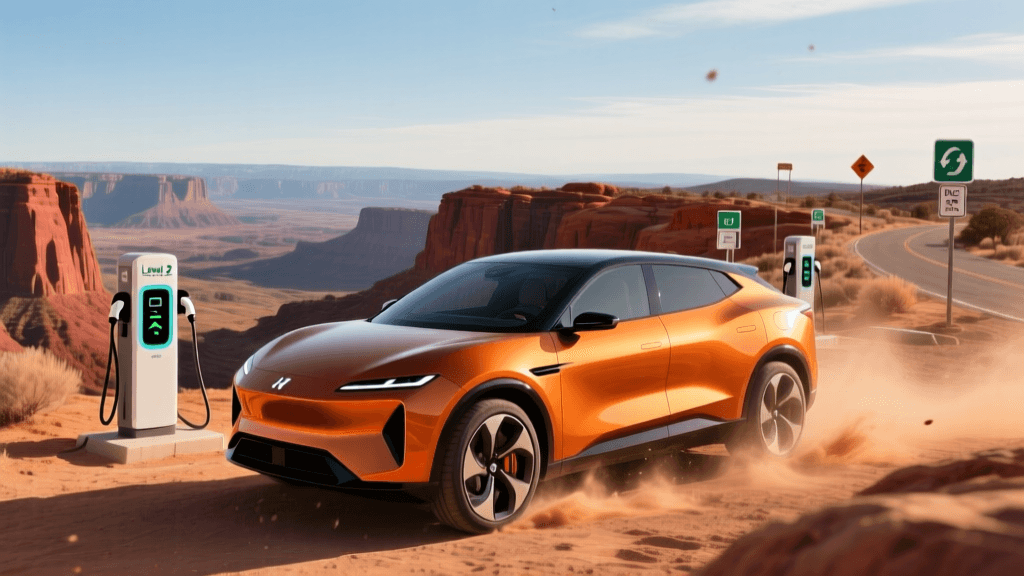
Currently, the vast majority of in-park charging infrastructure consists of Level 2 (L2) AC chargers, typically located at visitor centers, lodges, and campgrounds. These are excellent for overnight charging or 'topping off' while you hike, but they are inadequate for rapid turnaround. DC Fast Chargers (DCFC), which are critical for highway travel and quick pit stops, are predominantly found in the 'gateway towns' just outside park boundaries rather than inside the parks themselves.
Data-Driven Comparison: Top 5 Most Visited National Parks
To understand the current landscape, we analyzed charging availability in and immediately around the five most visited US National Parks. The data below highlights the stark contrast in infrastructure maturity and the reliance on gateway communities.
| National Park | Total Public Chargers (Est.) | L2 Chargers (In-Park) | DC Fast Chargers (Gateway) | Primary Networks | Avg. Distance to DCFC |
|---|---|---|---|---|---|
| Great Smoky Mountains | 65+ | 45 | 20+ | ChargePoint, Tesla, EVgo | 5 - 12 miles |
| Grand Canyon (South Rim) | 40+ | 28 | 12+ | ChargePoint, Electrify America | 2 - 15 miles |
| Zion | 25+ | 20 | 5+ | ChargePoint, Tesla | 1 - 5 miles |
| Rocky Mountain | 20+ | 18 | 4+ | ChargePoint, Tesla | 15 - 25 miles |
| Yellowstone | 35+ | 32 | 3+ | ChargePoint, Tesla Destination | 30 - 60+ miles |
Key Takeaways from the Data
- Great Smoky Mountains & Grand Canyon: These parks benefit heavily from their proximity to highly developed tourist hubs (Gatlinburg/Pigeon Forge and Tusayan/Williams). Gateway towns here feature robust DCFC corridors, making them the most EV-friendly parks on the list.
- Zion: Springdale, Utah, acts as a highly concentrated gateway, offering excellent L2 and DCFC options just steps from the park shuttle entrance. However, inside the park, infrastructure is limited to protect the narrow canyon's natural aesthetics.
- Yellowstone: This is the ultimate EV range test. The park is massive, spanning over 2.2 million acres. While lodges like the Old Faithful Inn and Canyon Village offer L2 charging (often free for overnight guests), the distance to high-speed DCFCs in towns like West Yellowstone or Cody can exceed 50 miles. Careful battery management is mandatory here.
The Altitude and Terrain Factor: Range Degradation
When analyzing park infrastructure, raw charger counts only tell half the story. The topography of national parks severely impacts EV range. Data from the Alternative Fuels Data Center (AFDC) and independent EV testing shows that climbing steep mountain grades at highway speeds can reduce an EV's effective range by 30% to 50% compared to EPA estimates.
For example, driving a Rivian R1T from the lower elevations of Rocky Mountain National Park up to the Alpine Visitor Center (11,796 feet) will drain the battery at an alarming rate. However, what goes up must come down. Regenerative braking on the descent can recapture up to 30% of the energy used on the climb. Smart drivers use this data to their advantage, planning their high-speed DCFC stops in lower-elevation gateway towns before beginning a steep ascent, and relying on in-park L2 chargers to top off while parked at high-altitude trailheads.
Gateway Towns vs. In-Park Charging: A Strategic Comparison
Understanding the economic and temporal differences between gateway charging and in-park charging is crucial for road trip planning.
Gateway Town DCFC Hubs
- Speed: 50 kW to 350 kW. Adds 100-200 miles of range in 20-40 minutes.
- Cost: Typically $0.35 to $0.55 per kWh. A full charge can cost $30-$50 depending on battery size.
- Use Case: Rapid top-ups before entering the park or immediately after exiting to secure enough range for the next highway leg.
In-Park Level 2 Chargers
- Speed: 6.6 kW to 11.5 kW. Adds 20-40 miles of range per hour.
- Cost: Frequently free for lodge guests or included in campground fees; some public L2s charge $1.00-$1.50/hour.
- Use Case: Opportunistic charging. Plug in while hiking a 4-hour trail, eating at a lodge, or sleeping overnight. Do not rely on these for quick turnaround.
Network Reliability and the NEVI Impact
Historically, ChargePoint and Tesla Destination chargers have dominated the national park landscape due to their lower installation costs and smaller physical footprints. However, the reliability of older L2 networks in harsh weather conditions has been a point of frustration for EV travelers.
The landscape is rapidly improving thanks to federal intervention. The Federal Highway Administration's NEVI (National Electric Vehicle Infrastructure) program is deploying billions of dollars to build a standardized, highly reliable DCFC network along designated Alternative Fuel Corridors. Many highways leading to major national parks (such as I-40 near the Grand Canyon and US-191 near Arches and Canyonlands) are prioritized NEVI corridors. This means travelers will increasingly find standardized, high-uptime 150kW+ charging plazas featuring both CCS and NACS (Tesla) connectors within 50 miles of park entrances.
Actionable EV Road Trip Checklist for National Parks
To ensure your data-driven road trip translates into a seamless real-world experience, follow this actionable checklist:
- Carry the Right Adapters: If you drive a non-Tesla EV, invest in a Tesla-to-J1772 adapter (like the Lectron or TapTes) to unlock thousands of Level 2 Destination chargers at park lodges. If you drive an older Tesla, ensure you have a CCS adapter for non-Tesla DCFCs in gateway towns.
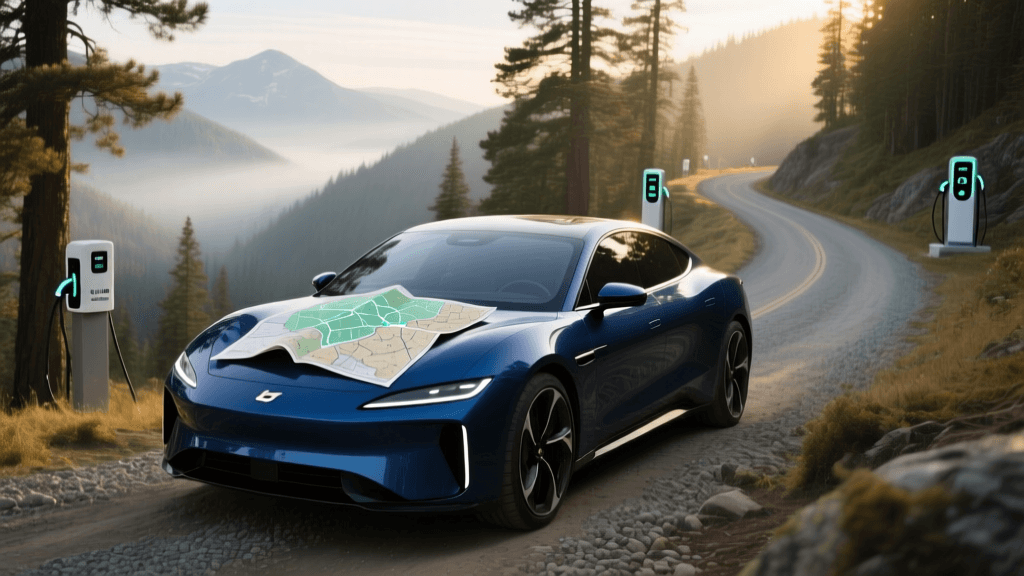
- Download Offline Maps: Cell service is notoriously absent in parks like Yosemite and Yellowstone. Download offline maps on PlugShare, A Better Routeplanner (ABRP), and your vehicle's native app before crossing the park boundary.
- Pre-Condition Your Battery: If you are navigating to a DCFC in a gateway town on a cold morning, use your EV's navigation system to route to the charger. This will pre-condition the battery, ensuring you get maximum charging speeds upon arrival.
- Practice Charging Etiquette: In-park L2 chargers are scarce. Never 'ICE' or unplug another EV that is actively charging. If you are fully charged at a lodge, move your vehicle immediately so other guests can utilize the infrastructure.
- Monitor HVAC Usage: In extreme heat (Death Valley, Zion in summer) or extreme cold (Yellowstone in winter), cabin conditioning can consume up to 20% of your battery. Pre-condition your cabin while still plugged in at your lodge before hitting the trail.
Conclusion
Exploring America's National Parks in an EV is no longer a fringe experiment; it is a highly viable, data-backed reality. While the interior of these protected lands will always prioritize conservation over sprawling charging plazas, the rapid expansion of L2 networks at lodges and NEVI-funded DCFCs in gateway towns has created a robust ecosystem for eco-conscious travelers. By understanding the topographical impacts on range, leveraging the right adapter hardware, and strategically timing your charges around your hiking itinerary, you can experience the majesty of the American wilderness with zero tailpipe emissions and zero range anxiety.