The Current Landscape: App Fatigue and Fragmentation
The transition to electric vehicles has accelerated rapidly, but the public charging experience often remains a fragmented puzzle. For early adopters, downloading a different smartphone application for every charging network was a minor inconvenience. Today, with millions of mainstream consumers adopting EVs, this fragmentation has evolved into genuine 'app fatigue.' Drivers are frequently forced to juggle multiple accounts, preload funds into digital wallets, and navigate inconsistent user interfaces just to initiate a simple charging session.
According to data from the Alternative Fuels Data Center, the United States now boasts tens of thousands of public DC fast-charging ports spread across dozens of competing networks. While this expansion is vital for cross-country travel, the lack of a unified payment system has created friction. However, the industry is currently undergoing a massive paradigm shift. The future of EV charging payments is moving away from proprietary app lock-ins and toward open interoperability, automated handshake protocols, and universal tap-to-pay systems.
Comprehensive Network App and Payment Comparison
To understand where the industry is heading, we must first evaluate the current state of the major charging networks. Each provider has developed its own ecosystem, complete with subscription tiers, RFID fobs, and varying degrees of automated payment integration.
| Network | App Autocharge | RFID Fob Support | Tap-to-Pay (Credit Card) | Subscription Discount Model |
|---|---|---|---|---|
| Electrify America | Yes (Autocharge+) | Legacy Only | Widespread on new stations | Pass+ ($4/mo for lower kWh rate) |
| EVgo | Yes (Autocharge+) | Yes | Widespread | EVgo Plus ($4.99/mo for lower kWh rate) |
| ChargePoint | Yes (Select stations) | Yes | Rare (Depends on owner) | None (Pricing set by station owner) |
| Blink | Yes (Blink IQ) | Yes (Blink Member Card) | Available on most DCFC | Blink Membership (Lower per-kWh rate) |
| Tesla Supercharger | Native (Proprietary) | No | No (Magic Dock uses App) | Membership ($12.99/mo for non-Tesla EVs) |
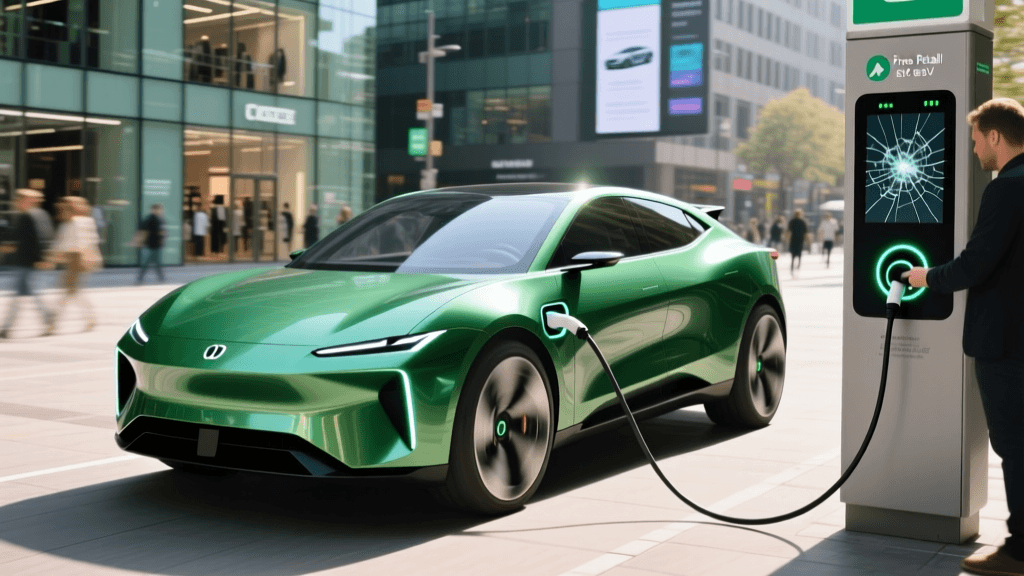
While apps like Electrify America and EVgo have introduced 'Autocharge' features that link your vehicle's VIN or MAC address to your account, these systems are not foolproof. Software glitches, network outages, and vehicle firmware updates can occasionally break the digital handshake, leaving drivers stranded in the rain trying to manually initiate a session via a glowing smartphone screen.
The Technical Leap: Plug and Charge (ISO 15118)
The ultimate endgame for EV payment friction is a standardized protocol known as ISO 15118, commonly referred to as 'Plug and Charge.' This technology allows the vehicle and the charging station to communicate securely the moment the cable is connected. The station reads the vehicle's digital certificate, verifies the owner's payment credentials via a backend roaming hub, and automatically initiates billing and power delivery.
The CharIN global initiative has been instrumental in pushing ISO 15118 as the universal standard. Unlike proprietary network Autocharge systems, true Plug and Charge is designed to be network-agnostic. If your vehicle supports ISO 15118 and your OEM has partnered with a roaming hub like Hubject or Gireve, you can plug into a ChargePoint, EVgo, or Electrify America station without ever opening an app or swiping a card. The billing is seamlessly routed to your preferred mobility service provider or directly to your OEM's integrated billing portal.
'The future of EV charging is invisible. The driver should never have to think about the transaction; the car and the charger should negotiate the terms, verify the identity, and handle the payment in milliseconds.'
Currently, vehicles like the Porsche Taycan, Ford F-150 Lightning, and select Hyundai/Kia models support varying degrees of ISO 15118. However, widespread adoption requires both the automakers and the charging networks to upgrade their backend certificate management systems, a process that is currently underway but not yet universally complete.
Regulatory Mandates and the Return of the Credit Card
While Plug and Charge represents the high-tech future, government regulators are ensuring that low-tech, universal payment methods remain available. In the United States, the National Electric Vehicle Infrastructure (NEVI) Formula Program has established strict minimum standards for any charging station receiving federal funds.
The Joint Office of Energy and Transportation mandates that NEVI-funded stations must offer multiple payment options to ensure accessibility for all drivers, regardless of their smartphone ownership, cellular coverage, or network app preferences. Crucially, this includes the requirement for contactless credit card readers (tap-to-pay) that do not require an app or a phone number to initiate a session.
This regulatory push is forcing legacy networks to retrofit older stations and integrate Point-of-Sale (POS) terminals into new hardware. For the consumer, this is a massive victory. It means that in the near future, the anxiety of arriving at a rural charging corridor with zero cellular service and a forgotten RFID fob will be eliminated. You will simply tap your Visa or Mastercard, select your desired charge limit on the station's screen, and plug in.
Future Outlook: eRoaming and Open Payment Ecosystems
Looking ahead to the next five years, the concept of 'eRoaming' will become the backbone of public charging payments. Similar to how your cellular provider seamlessly negotiates data rates when you travel internationally, eRoaming hubs will allow a single subscription or payment method to unlock virtually every charger in the country.
We are already seeing the early stages of this with partnerships between automakers and networks. For example, Ford and GM's recent moves to integrate Supercharger access directly into their native vehicle infotainment systems bypass the need for third-party apps entirely. The vehicle's built-in 5G modem handles the GPS location, station availability, and payment routing natively. As over-the-air (OTA) updates continue to mature, your car's dashboard will become the primary interface for charging payments, rendering the smartphone app secondary.
Actionable Advice for Today's EV Road Tripper
While the industry transitions toward ISO 15118 and universal tap-to-pay, EV drivers must still navigate the current fragmented landscape. Here is how to optimize your charging payments and minimize friction today:
- Enable Network Autocharge: For networks like Electrify America and EVgo, enable their proprietary Autocharge features in your app settings. This uses Bluetooth and MAC address sniffing to start sessions automatically, saving you from app loading times.
- Optimize Subscription Tiers: If you drive more than 200 miles a month on public DC fast chargers, subscribe to EA Pass or EVgo Plus. The $4 to $5 monthly fee typically reduces your per-kWh cost by 15% to 25%, paying for itself after just one or two charging sessions.
- Carry a Physical Backup: Always keep an RFID fob for ChargePoint and Blink in your glovebox. If a station's cellular modem is down and the app cannot communicate with the dispenser, the local RFID reader often still works via a localized mesh connection.
- Verify Tap-to-Pay Availability: Before relying solely on your credit card, check the station details on PlugShare or the network's map. While NEVI mandates are rolling out, many older, privately funded stations still lack integrated credit card readers.
- Pre-Authorize OEM Roaming: If you drive a Porsche, Audi, or Mercedes-Benz, log into your OEM's owner portal and set up the integrated Plug and Charge payment profile. This unlocks seamless access to the Electrify America network without needing their specific app.
The era of downloading ten different apps and keeping a spreadsheet of charging subscriptions is drawing to a close. As ISO 15118 matures and federal tap-to-pay mandates take effect, the public EV charging payment experience will soon mirror the seamless, invisible transactions we take for granted in other sectors of modern life.