The Multi-Family EV Charging Dilemma
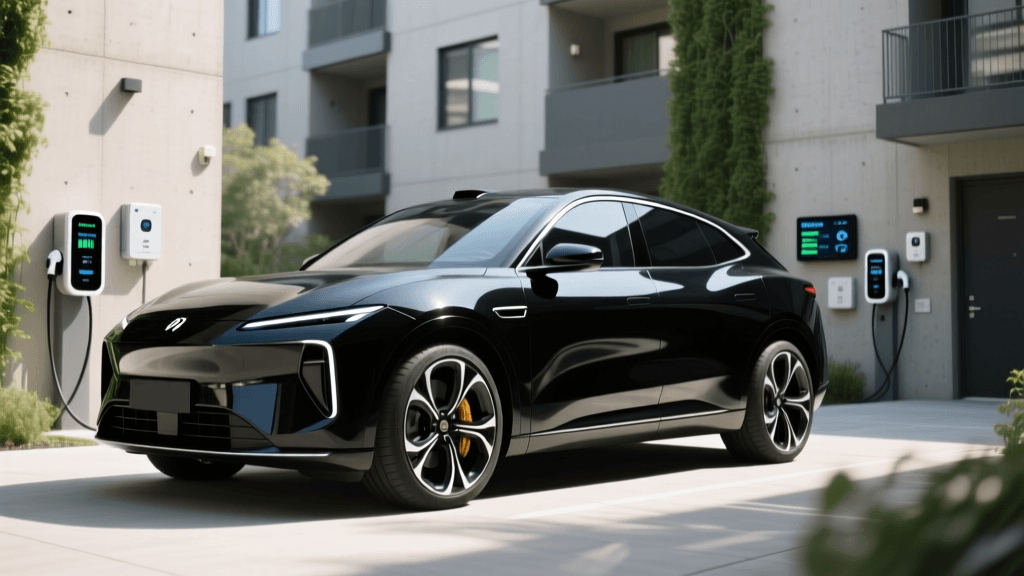
As electric vehicle adoption accelerates, multi-family residential buildings—apartments, condos, and townhomes—face a unique set of infrastructure bottlenecks. Unlike single-family homeowners who can simply install a Level 2 charger in their private garage, property managers and HOA boards must navigate shared parking layouts, strict electrical capacity limits, and complex billing requirements. Troubleshooting these hurdles requires a strategic approach to hardware selection, software integration, and grid management. According to the U.S. Department of Energy, deploying EV charging infrastructure in multi-family settings requires careful load calculations to avoid costly utility service upgrades.
Problem 1: Electrical Panel Capacity Constraints
The most common roadblock in apartment EV charging is the building's main electrical service panel. Many older multi-family buildings operate on 400-amp to 800-amp main services that are already near peak capacity during evening hours when residents are cooking, running HVAC systems, and using appliances. A standard Level 2 EVSE (Electric Vehicle Supply Equipment) requires a dedicated 40-amp or 50-amp circuit, drawing a continuous 32 to 40 amps. Under the National Electrical Code (NEC) 80% rule for continuous loads, adding just four or five Level 2 chargers can max out a building's reserve capacity, traditionally forcing a utility service upgrade that can cost anywhere from $20,000 to over $100,000 and take months to complete.
The Fix: Dynamic Load Management (DLM)
Instead of upgrading the main utility transformer, the modern troubleshooting solution is Dynamic Load Management (DLM). DLM systems use Current Transformer (CT) clamps installed on the building's main service feeders to monitor real-time electrical usage. When the building's base load spikes, the DLM software communicates with the EV chargers via the Open Charge Point Protocol (OCPP) to temporarily throttle down the charging amperage. When the building's load drops (e.g., after 11 PM), the chargers ramp back up to full speed. This allows properties to install 10 to 20 chargers on a panel that might only technically support three, entirely bypassing the need for a utility upgrade.
Problem 2: Choosing the Right Network Provider for Multi-Family
Not all charging networks are built for the complexities of shared residential environments. Consumer-grade chargers lack the backend software required for multi-user billing, access control, and load balancing. When troubleshooting a stalled apartment EV project, selecting an enterprise-grade provider with robust multi-family support is critical. Below is a comparison of the top providers suited for apartment complexes.
| Provider | Load Management | Billing & Access | Best For |
|---|---|---|---|
| ChargePoint | Power Management (Site-level) | RFID, App, Guest pricing | Large luxury condos & new builds |
| Blink Network | Blink IQ (Local load balancing) | Blink App, Member fees | Mid-sized apartments, budget-conscious HOAs |
| Enel X JuiceNet | JuiceNet Pro (Grid-responsive) | Custom tariffs, residential billing | Properties needing utility demand-response |
| EverCharge | SmartPower (Advanced DLM) | Seamless tenant billing, automated | Retrofits with severe electrical limits |
For buildings with severe electrical constraints, providers like EverCharge or Enel X offer the most aggressive load-balancing algorithms, allowing dozens of chargers to share a single electrical circuit safely. The Alternative Fuels Data Center (AFDC) emphasizes that networked chargers with smart software are essential for tracking energy usage and ensuring equitable billing among tenants in shared parking facilities.
Problem 3: Navigating HOA Pushback and 'Right to Charge' Laws
Renters and condo owners frequently hit a wall when proposing EV charging to their HOA board or property management company. Common objections include fears of increased insurance premiums, aesthetic concerns, and the belief that non-EV drivers will subsidize the electricity costs of EV drivers.
Troubleshooting Board Resistance
- Present Zero-Cost Models: Many providers offer 'make-ready' programs or revenue-sharing models where the network covers the hardware cost in exchange for a small transaction fee markup paid by the EV driver. This eliminates capital expenditure concerns for the HOA.
- Ensure Sub-Metering: To solve the subsidy argument, ensure the chosen provider utilizes internal software metering or physical sub-meters. This guarantees that only the user drawing the electricity pays for it, plus a small markup to cover maintenance and network fees.
- Leverage 'Right to Charge' Legislation: States like California, Colorado, Florida, and New York have passed 'Right to Charge' laws that legally prevent HOAs from unreasonably denying EV charging installations in designated parking spots. Familiarizing the board with local state mandates can quickly dissolve arbitrary resistance.
Problem 4: Shared Parking, ICE-ing, and Enforcement
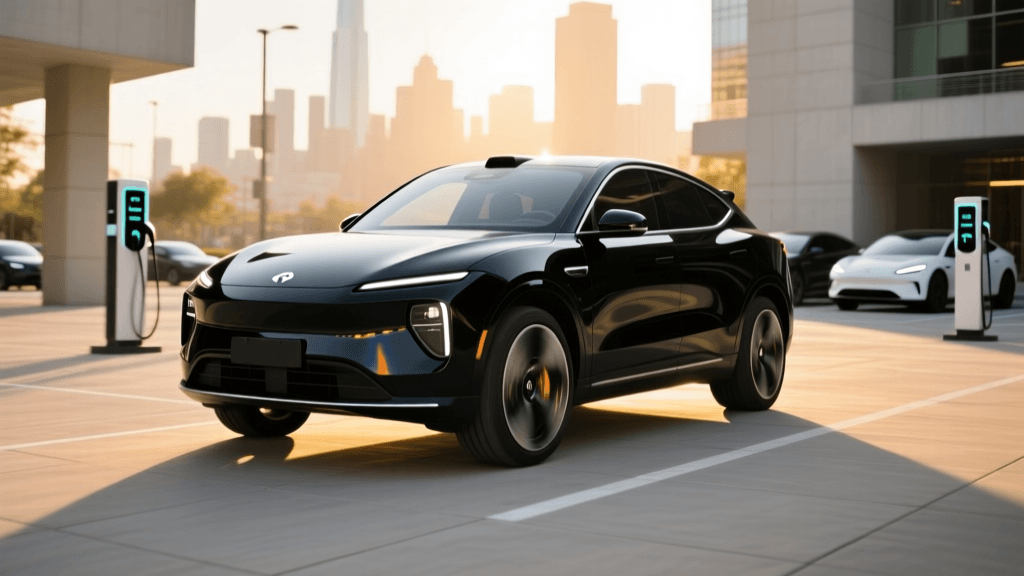
In apartment complexes, parking spaces are often unassigned or highly contested. A dedicated EV charging spot is useless if it is blocked by an Internal Combustion Engine (ICE) vehicle—a phenomenon known as 'ICE-ing'—or if an EV remains plugged in long after its battery is full, hogging the resource.
Software and Hardware Enforcement Solutions
To troubleshoot shared parking friction, property managers must implement a mix of physical deterrents and software penalties:
- Idle Fees: Configure the network software to charge aggressive idle fees (e.g., $0.50 per minute) once a vehicle reaches a full charge or a set time limit. This financially incentivizes residents to move their vehicles promptly.
- Camera Integration & LPR: High-end networks now integrate with parking management cameras using License Plate Recognition (LPR). If a non-registered vehicle parks in an EV spot, the system automatically flags the vehicle for property management to issue a towing warning or fine.
- Physical Barriers: For surface lots, installing smart bollards that lower only when an authorized EV approaches via Bluetooth or RFID can completely eliminate ICE-ing, though this adds to the upfront installation cost.
Step-by-Step Troubleshooting Checklist for Property Managers
If your apartment building's EV charging project is stalled, follow this diagnostic checklist to identify and resolve the bottleneck:
- Step 1: Conduct an Electrical Load Study. Hire an electrical engineer to analyze 30 days of interval data from your main utility meter. Do not rely on the panel's sticker rating; rely on actual peak demand data to determine true available capacity.
- Step 2: Mandate OCPP Compliance. Ensure any hardware you purchase is OCPP 1.6J or 2.0.1 compliant. This prevents vendor lock-in and allows you to switch software networks if the current provider raises their SaaS fees.
- Step 3: Evaluate Cellular vs. Wi-Fi. Underground parking garages often lack Wi-Fi or cellular reception. Troubleshoot connectivity early by ordering cellular signal boosters or hardwiring Ethernet drops to the charger locations before pouring concrete.
- Step 4: Draft a Clear EV Addendum. Update tenant leases or HOA bylaws to include an EV charging addendum that clearly outlines user responsibilities, indemnification, idle fee structures, and damage liability for severed cables.
Conclusion
Troubleshooting apartment EV charging is less about the physical act of plugging in a car and more about mastering electrical load limits, selecting the right enterprise software, and navigating community politics. By utilizing Dynamic Load Management, enforcing strict access controls, and choosing a network provider designed specifically for multi-family dwellings, property managers can turn a potential logistical nightmare into a premium amenity that increases property value and tenant retention. As the EV market continues to mature, proactive infrastructure planning is no longer optional for multi-family housing—it is a competitive necessity.