The Beginner's Guide to EV Charging in an Apartment
Transitioning to an electric vehicle (EV) is one of the most impactful decisions you can make for your wallet and the environment. However, if you live in an apartment, condo, or multi-unit dwelling, the prospect of keeping your car charged can feel incredibly daunting. Unlike homeowners who can easily hardwire a Level 2 charging station in a private garage, apartment dwellers face a unique set of hurdles: shared parking lots, a lack of dedicated 240-volt outlets, and landlord restrictions.
But don't let the lack of a private garage stall your EV dreams. The charging ecosystem has evolved rapidly, and portable EV chargers have become a lifeline for renters. According to the U.S. Department of Energy, over 80% of EV charging happens at home, but for renters, "home" charging often means utilizing a standard 120-volt outdoor courtyard outlet, negotiating a 240-volt dryer outlet installation, or utilizing a rugged, weather-proof portable unit that travels with you from your trunk to the parking spot.
In this comprehensive beginner's guide, we will break down the best portable and apartment-friendly EV chargers on the market. We will review their charging speeds, build quality, cable lengths, and smart features, ensuring you find the perfect solution for your specific living situation.
Understanding Your Options: Level 1 vs. Portable Level 2
Before diving into specific product reviews, it is crucial to understand the two main types of portable chargers available to apartment renters.
Level 1 Portable Chargers (120V)
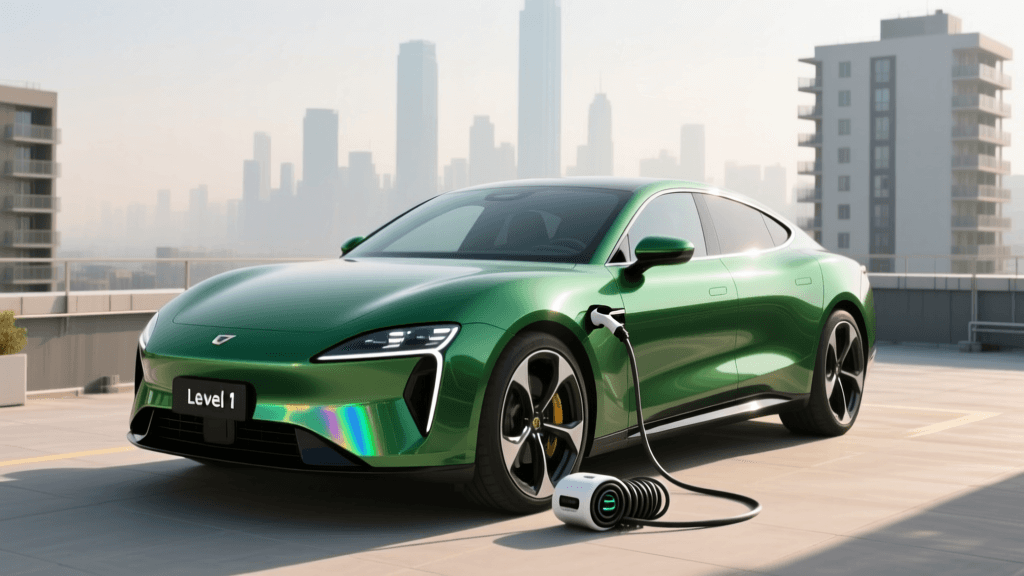
Level 1 charging utilizes a standard household 120-volt AC plug (NEMA 5-15). Every EV comes with a basic Level 1 cord, or you can purchase an upgraded aftermarket version. Level 1 charging is slow, typically delivering between 3 to 5 miles of range per hour of charging. While this sounds inadequate, it is often sufficient for commuters who drive less than 40 miles a day and can leave their car plugged in overnight at an apartment complex's outdoor receptacle.
Portable Level 2 Chargers (240V)
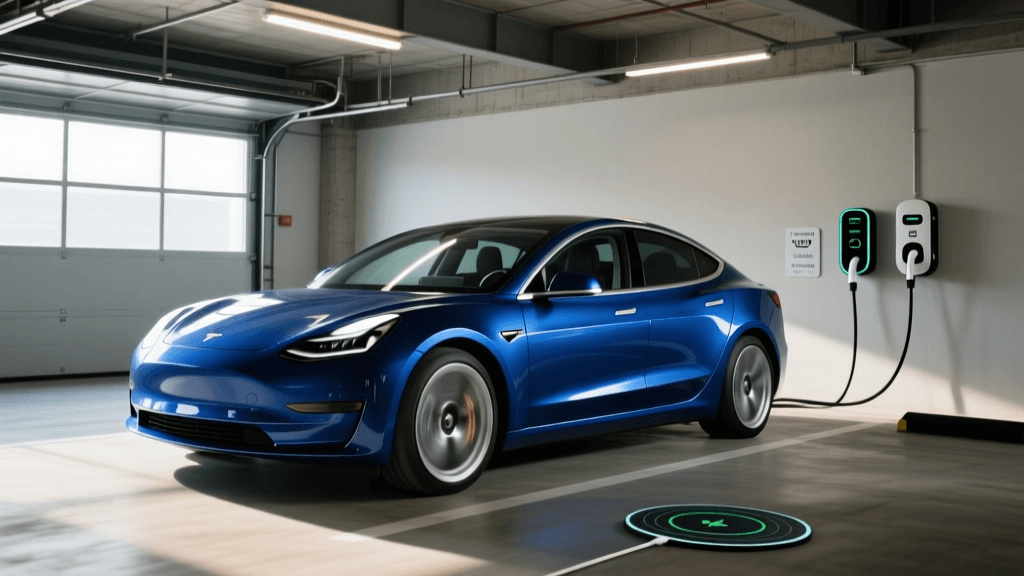
Level 2 chargers require a 240-volt outlet, such as a NEMA 14-50 (commonly used for electric stoves or heavy-duty power tools) or a NEMA 10-30 (dryer outlet). Portable Level 2 units are essentially mobile wallboxes. They feature a heavy-duty control box and a thick, long cable, delivering anywhere from 16 to 40 amps. This translates to 15 to 35 miles of range per hour. If your landlord permits the installation of a 240V outdoor receptacle, or if you have access to an RV park hookup or a friend's house, a portable Level 2 charger is the ultimate game-changer.
Know Your Rights: The "Right to Charge" Movement
Before you buy a charger or approach your landlord, you need to know your legal standing. Many renters are unaware that several states and municipalities have enacted "Right to Charge" laws. These laws prevent landlords and Homeowners Associations (HOAs) from unreasonably denying a tenant's request to install EV charging equipment at their own expense.
According to Plug In America, states like California, Colorado, Florida, Hawaii, and Oregon have robust Right to Charge statutes. While you will still be responsible for the cost of the electrical work and the electricity used, these laws give you significant leverage when requesting a NEMA 14-50 outlet installation in your assigned parking space. Always check your local state regulations before accepting a flat "no" from property management.
Top EV Chargers Reviewed for Apartment Living
We have tested and reviewed the most reliable portable and outdoor-friendly chargers on the market, focusing on durability, cable length, and ease of use for renters.
1. Lectron Vortex Level 2 Portable Charger (Best Overall for Renters)
The Lectron Vortex is arguably the most versatile portable Level 2 charger for apartment dwellers who manage to secure a 240V outlet. It is available in 32-amp and 40-amp versions. The standout feature for renters is its 21-foot heavy-duty cable, which provides ample reach from a wall-mounted outlet to your vehicle's charging port, even if you are parked slightly off-center in a shared lot.
Build Quality & Weather Resistance: The Vortex boasts an IP65 weather resistance rating, meaning the control box and connectors can withstand rain, dust, and snow. This is critical for apartment dwellers who must leave the unit plugged in outdoors.
Smart Features: Unlike some competitors, the Vortex is a "dumb" charger, meaning it lacks Wi-Fi and app connectivity. For many renters, this is actually a benefit. Shared apartment Wi-Fi networks are notoriously unreliable, and a charger that simply works the moment you plug it in—without requiring a cellular handshake—is often preferred in multi-unit dwellings.
2. Emporia J1772 Portable EV Charger (Best for Energy Monitoring)
Emporia is famous for its home energy monitors, and their portable J1772 EV charger brings that data-obsessed DNA to the driveway. For apartment dwellers who are billed for electricity via a sub-meter or who want to track exactly how much their EV is costing them on a shared property circuit, the Emporia portable charger is a revelation.
App Functionality: The Emporia app is incredibly detailed, allowing you to track charging sessions, set schedules, and monitor energy usage down to the kilowatt-hour. If your apartment complex charges you a flat rate for electricity, you can use the app to prove your exact EV consumption to your landlord.
Cable & Portability: It features a 20-foot cable and comes with a NEMA 14-50 plug, but Emporia also sells a wide variety of adapter pigtails (like the 10-30 or 6-50), allowing you to swap the plug head depending on the outlet available in your apartment's utility area.
3. Tesla Mobile Connector (Best for Tesla Owners)
If you drive a Tesla, the OEM Mobile Connector is the gold standard for convenience and packability. It is significantly smaller and lighter than third-party Level 2 portable chargers, making it easy to toss into your frunk or trunk and carry up to your apartment unit when not in use.
Charging Speed & Adapters: The Gen 2 Mobile Connector maxes out at 32 amps on a 240V NEMA 14-50 outlet, yielding about 30 miles of range per hour. It comes standard with a NEMA 5-15 (120V) adapter, which is perfect for trickling charge from a standard outdoor apartment courtyard outlet.
Drawbacks: The cable is relatively short (19 feet), and the control box is not rated for prolonged submersion or extreme weather exposure. You should not leave the Tesla Mobile Connector permanently plugged into an outdoor, exposed receptacle during heavy rain or snow storms.
4. Grizzl-E Smart (Best for Landlord Pedestal Installs)
If your landlord agrees to install a permanent charging pedestal in your outdoor parking spot, but refuses to pay for a premium networked station, the Grizzl-E Smart is the ultimate compromise. While technically a wallbox/pedestal charger rather than a trunk-tossed portable, its ruggedness makes it the premier choice for shared, unroofed apartment parking.
Durability: Built in Canada, the Grizzl-E is encased in a heavy aluminum, IP67-rated waterproof enclosure. It can survive being run over by a snowplow, battered by freezing rain, and baked in the desert sun.
Smart Features & Security: The Smart version connects via Wi-Fi or cellular networks. Crucially for apartment living, it features RFID card security or app-locking. This prevents your neighbors from stealing your electricity while you are up in your apartment.
Comparison Chart: Apartment-Friendly EV Chargers
| Charger Model | Max Amperage | Cord Length | Weather Rating | Best Use Case |
|---|---|---|---|---|
| Lectron Vortex | 32A / 40A | 21 ft | IP65 | Daily outdoor 240V use |
| Emporia J1772 Portable | 32A | 20 ft | IP54 | Sub-metered tracking |
| Tesla Mobile Connector | 32A | 19 ft | Indoor/Covered | Tesla owners / Travel |
| Grizzl-E Smart | 40A | 24 ft | IP67 | Permanent outdoor pedestal |
| Emporia Level 1 (120V) | 12A | 25 ft | IP54 | Courtyard 120V trickle |
Critical Beginner Tips for Apartment Charging
Navigating the logistics of apartment charging requires more than just buying the right hardware. To ensure safety, maintain good relations with your landlord, and protect your vehicle's battery, follow these actionable rules.
1. Never Use Standard Extension Cords
It can be tempting to run a 50-foot household extension cord from your balcony to your car in the parking lot. Do not do this. The U.S. Department of Energy and EPA's Fuel Economy site warns against using extension cords for EV charging due to severe fire hazards. EV chargers draw a continuous, high-amperage load for hours on end. Standard extension cords will overheat, melt, and potentially cause an electrical fire. If you need more reach, buy a portable EV charger with a longer integrated cable (25+ feet).
2. Negotiate Electricity Reimbursement
If you plug into a shared "house" outdoor outlet, the electricity will be billed to the apartment complex's common area meter. Approach your landlord proactively. Offer to install a smart plug or use your charger's internal energy meter (like the Emporia) to track your exact kWh usage, and agree to pay the landlord a monthly stipend based on your local utility's per-kWh rate. This transparency often convinces hesitant landlords to allow Level 1 charging.
3. Master Scheduled Charging
Apartment complexes often have peak electrical loads in the early evening when residents return home, turn on air conditioners, and cook dinner. Plugging your EV in at 5:00 PM could trip a shared circuit breaker. Use your EV's onboard software or your charger's app to schedule charging for 1:00 AM. This "off-peak" charging is gentler on the apartment's aging electrical grid and, if you are on a time-of-use utility plan, significantly cheaper.
4. Protect Your Equipment from Theft
In a shared parking lot, a $400 portable charger left plugged into a wall is a target for theft. If you must leave your charger outdoors, invest in a heavy-duty steel locking bracket or a padlock-secured NEMA outlet cover box. Alternatively, use a portable Level 1 charger that is lightweight enough to carry up to your apartment unit every night, leaving only the cable routed down to the vehicle (if your building's fire code permits cable routing across walkways, which is rare).
Conclusion
Living in an apartment does not mean you have to miss out on the financial and environmental benefits of electric vehicle ownership. By understanding your legal rights, communicating transparently with your property manager, and investing in a high-quality, weather-resistant portable charger like the Lectron Vortex or Emporia J1772, you can create a reliable and safe charging routine. Start with a high-quality Level 1 setup for daily commuting, and keep a portable Level 2 unit in your trunk for weekend trips or when your landlord finally agrees to that 240V outlet installation.