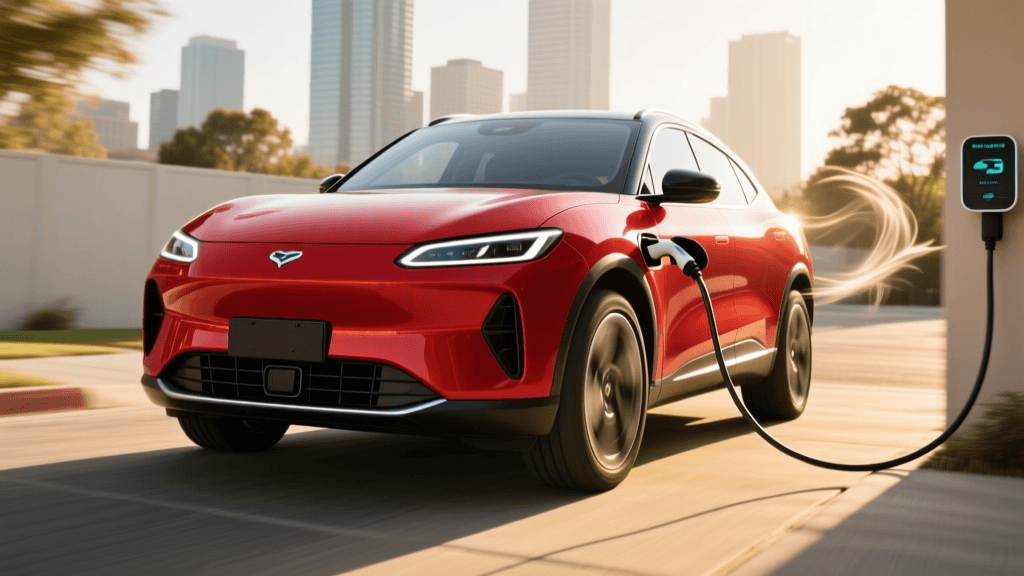
The Great Home Charging Debate: Standard vs. Accelerated
Transitioning to an electric vehicle (EV) introduces a new household utility to manage: home charging. For new EV owners, the immediate question is whether to rely on the included Level 1 (120V) charging cable or invest in a dedicated Level 2 (240V) home charging station. While the convenience of faster charging is obvious, the financial implications—spanning hardware costs, electrical upgrades, energy efficiency, and even battery longevity—require a deeper analysis.
In this comprehensive cost and value breakdown, we will compare the daily charging experience of Level 1 versus Level 2 setups. We will evaluate specific products like the ChargePoint Home Flex, Emporia EV Charger, and the Tesla Mobile Connector to help you determine which setup offers the best return on investment for your specific driving habits and home electrical infrastructure.
Hardware and Installation: The Upfront Cost Breakdown
The most immediate difference between Level 1 and Level 2 charging is the barrier to entry. Level 1 charging utilizes a standard 120-volt household outlet (NEMA 5-15), while Level 2 requires a 240-volt circuit, similar to what powers an electric oven or clothes dryer.
Level 1: The Zero-Cost Entry Point
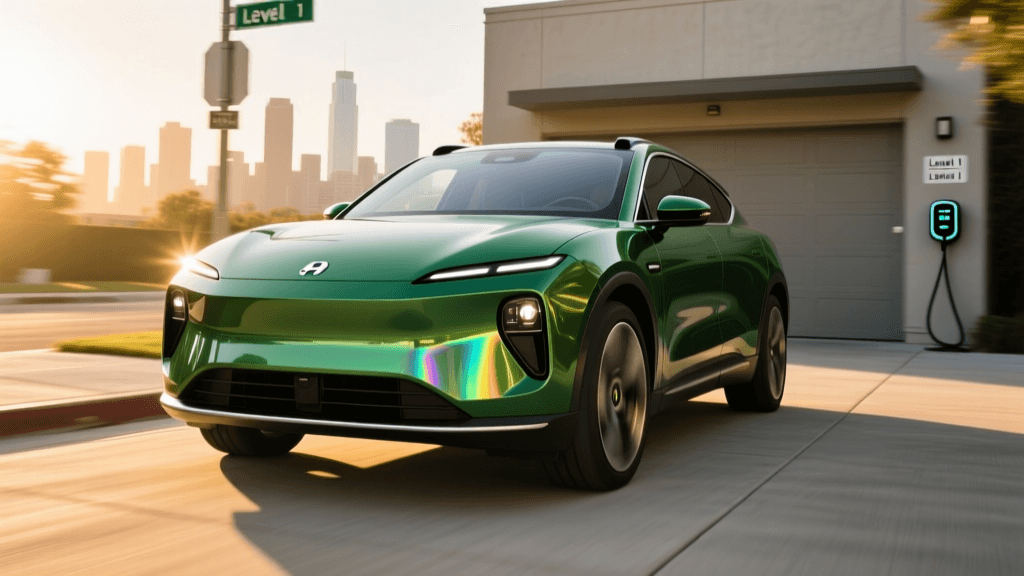
Most EVs and Plug-in Hybrid Electric Vehicles (PHEVs) come with a portable Level 1 charging cable included in the trunk. If you need to purchase a replacement or an upgraded heavy-duty cord like the Tesla Mobile Connector (approx. $200), the hardware cost is minimal. Because it plugs into a standard wall outlet, the installation cost is effectively $0, assuming your garage or driveway already has a dedicated 15-amp or 20-amp 120V receptacle in good condition.
Level 2: The Premium Infrastructure Investment
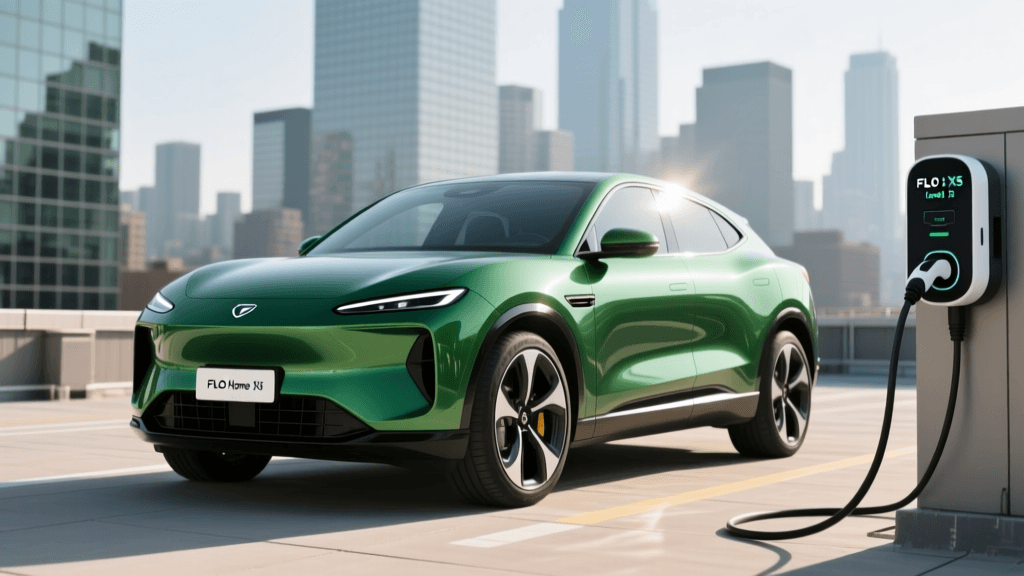
Level 2 hardware ranges from $350 for budget-friendly, feature-rich options like the Emporia EV Charger, up to $700 for premium units like the ChargePoint Home Flex or the ultra-rugged Grizzl-E Smart. However, the hardware is only half the battle. According to the Environmental Protection Agency (EPA), installing a 240V home charging station typically requires a licensed electrician. If your home's electrical panel has the capacity and the run to the garage is short, installation might cost between $500 and $800. If you require a panel upgrade (e.g., moving from 100A to 200A service) or extensive trenching, costs can easily soar past $2,500.
The Daily Charging Experience: Time is Money
To understand the daily value, we must look at the mathematics of charging speed. Level 1 charging delivers roughly 1.2 kW to 1.4 kW of power to the battery. Level 2 charging can deliver anywhere from 3.8 kW (16 amps) up to 19.2 kW (80 amps), though most residential setups are capped at 11.5 kW (48 amps) due to the National Electrical Code's 80% continuous load rule on a 60-amp breaker.
Let us break down what this means for a daily commute. Assume an EV with an efficiency of 3 miles per kWh.
- Level 1 (12A, 120V): Adds roughly 4 miles of range per hour of charging. Over a 10-hour overnight window, you gain about 40 miles of range.
- Level 2 (48A, 240V): Adds roughly 35 miles of range per hour of charging. Over that same 10-hour window, you gain about 350 miles of range.
If your daily round-trip commute is under 30 miles, Level 1 will technically keep you afloat. However, the experience of Level 1 is fraught with anxiety. If you take an unexpected 50-mile detour, or if the weather turns cold (which reduces EV efficiency and increases cabin heating draw), Level 1 will not recover your battery overnight. Level 2 provides a buffer of convenience that transforms the EV ownership experience from 'managing a battery' to 'driving a car'.
Comprehensive Cost & Value Comparison
| Metric | Level 1 (120V Standard) | Level 2 (240V Dedicated) |
|---|---|---|
| Hardware Cost | $0 - $250 | $350 - $750 |
| Installation Cost | $0 (Plug-and-play) | $500 - $2,500+ |
| Charging Speed | 3 - 5 miles / hour | 25 - 45 miles / hour |
| Energy Efficiency | ~80% (Higher overhead loss) | ~90-95% (Lower overhead loss) |
| Time-of-Use (TOU) Utility | Poor (May spill into peak hours) | Excellent (Charges fully in off-peak) |
| Home Resale Value Impact | None | Positive (Highly desired by buyers) |
Electricity Costs and the Time-of-Use (TOU) Factor
A common misconception is that Level 2 charging costs more in electricity because it is 'faster.' In reality, the energy required to add 100 miles of range is identical regardless of the speed: roughly 33 kWh. At a national average electricity rate of $0.16 per kWh, adding 100 miles costs about $5.28 on either setup.
However, Level 2 holds a distinct financial advantage when it comes to Time-of-Use (TOU) utility plans. Many utility companies offer heavily discounted off-peak rates (e.g., $0.08/kWh) between midnight and 6:00 AM, but charge exorbitant peak rates (e.g., $0.35/kWh) in the late afternoon and early evening.
Because Level 1 charging is so slow, a depleted battery might require 20+ hours to reach a full charge. This guarantees that your charging session will bleed into expensive peak-rate hours. Conversely, a Level 2 charger like the Emporia EV Charger—which features deep integration with home solar and smart grid scheduling—can easily replenish a massive 100 kWh battery pack entirely within a cheap 6-hour off-peak window. Over a year, utilizing TOU rates with a Level 2 charger can save hundreds of dollars, effectively subsidizing the cost of the hardware.
Battery Health and Thermal Management
Does slow charging preserve battery health? Data from the U.S. Department of Energy's FuelEconomy.gov and various long-term degradation studies suggest that while extreme DC Fast Charging (Level 3) can accelerate wear due to high heat, the difference between Level 1 and Level 2 degradation is negligible for modern liquid-cooled battery packs.
In fact, Level 2 charging can be slightly better for the vehicle's auxiliary systems. When an EV is plugged in, the Battery Management System (BMS) remains awake, and the vehicle may run thermal management systems to keep the battery at an optimal temperature. With Level 1 charging, the car spends significantly more time in this 'awake' state per kWh delivered, resulting in a higher percentage of energy lost to overhead. Level 2 charging is more energy-dense and efficient, minimizing the time the vehicle's computers and thermal pumps need to run.
Real-World Scenarios: Which Setup Wins?
Scenario A: The PHEV Commuter (Winner: Level 1)
If you drive a Plug-in Hybrid like the Toyota RAV4 Prime or Jeep Wrangler 4xe, your battery is relatively small (typically 15 to 20 kWh). Level 1 charging can easily replenish these smaller batteries overnight. Spending $1,500 on a Level 2 installation for a PHEV rarely yields a positive financial return unless you plan to use the charger for a future full-battery EV.
Scenario B: The Family Hauler and Road Tripper (Winner: Level 2)
If you own a long-range BEV like the Ford F-150 Lightning, Rivian R1S, or Tesla Model X, Level 1 is functionally obsolete for daily family life. A 30-mile detour to a youth sports tournament or a weekend road trip requires rapid turnaround times. The ChargePoint Home Flex (hardwired at 60 amps) will add over 40 miles of range per hour, ensuring the family hauler is always ready for the next adventure. The sanity and time saved are worth the upfront installation cost.
Final Verdict on Value
When evaluating the cost and value breakdown, Level 1 charging is an excellent, zero-cost stopgap for low-mileage drivers and PHEV owners. However, for pure battery electric vehicles, Level 2 charging is not just a luxury; it is a fundamental requirement for a frictionless ownership experience.
The upfront cost of a Level 2 installation is steep, but the long-term value is undeniable. Between the ability to exploit off-peak utility rates, the elimination of range anxiety, the superior electrical efficiency, and the boost to your home's resale value, a Level 2 charger pays for itself in both time and money. As noted by researchers at the National Renewable Energy Laboratory (NREL), the vast majority of EV charging happens at home, making your residential setup the most critical factor in your overall EV satisfaction and operational costs.
The Bottom Line: Do not let a $1,000 electrical upgrade bottleneck a $50,000 electric vehicle. If your daily driving exceeds 30 miles, or if you frequently take road trips, the ROI of a smart Level 2 charger is immediate and transformative.