Introduction: The EV Charger Dilemma
As electric vehicle adoption accelerates across the globe, new EV owners are immediately faced with a critical infrastructure decision: how to charge at home. While the Level 1 cord that comes with your vehicle can technically keep you moving, it is painfully slow. Upgrading to a Level 2 home charger is practically mandatory for a seamless ownership experience. However, the market is flooded with options ranging from $300 budget plug-and-play units to $700 premium smart chargers. This begs the question: does spending double the money upfront actually save you money and frustration in the long run?
In this head-to-head product showdown, we are conducting a comprehensive long-term value analysis pitting a premium industry leader against a highly-rated budget alternative. We will compare the ChargePoint Home Flex (the premium contender) against the Lectron V-BOX Pro 48A (the budget contender). By analyzing upfront costs, installation realities, smart feature utility, time-of-use energy savings, and long-term durability, we aim to reveal which charger truly offers the best return on investment over a five-to-ten-year ownership period.
Contender Profiles: ChargePoint Home Flex vs. Lectron V-BOX Pro
The Premium Contender: ChargePoint Home Flex
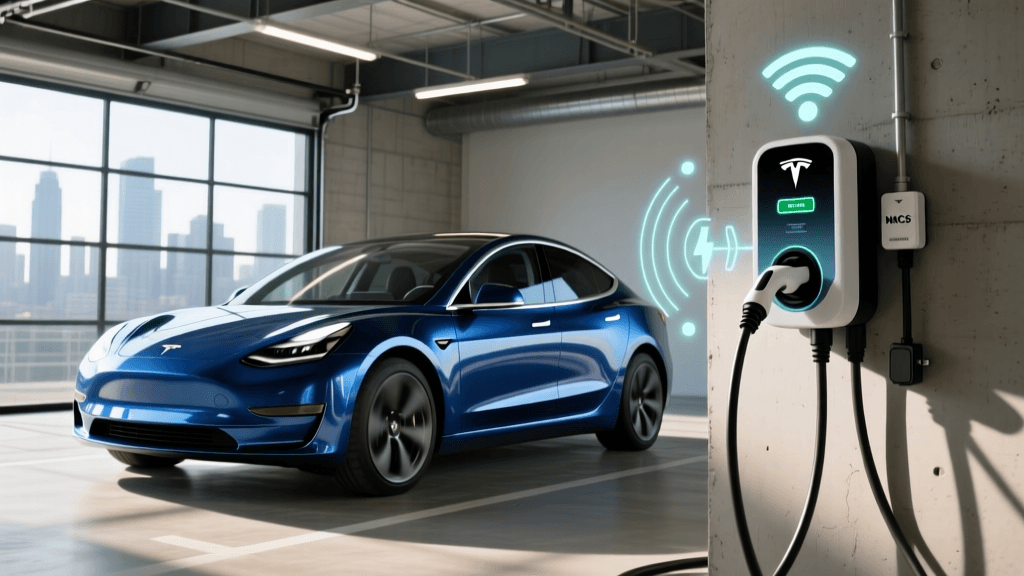
Retailing around $699, the ChargePoint Home Flex has long been considered the gold standard for residential EV charging. It is a Wi-Fi-enabled smart charger that boasts a robust companion app, flexible amperage settings (from 16A up to 50A when hardwired), and a premium 25-foot cable. It is designed to integrate seamlessly into smart home ecosystems and offers advanced features like load sharing for households with multiple EVs.
The Budget Contender: Lectron V-BOX Pro 48A
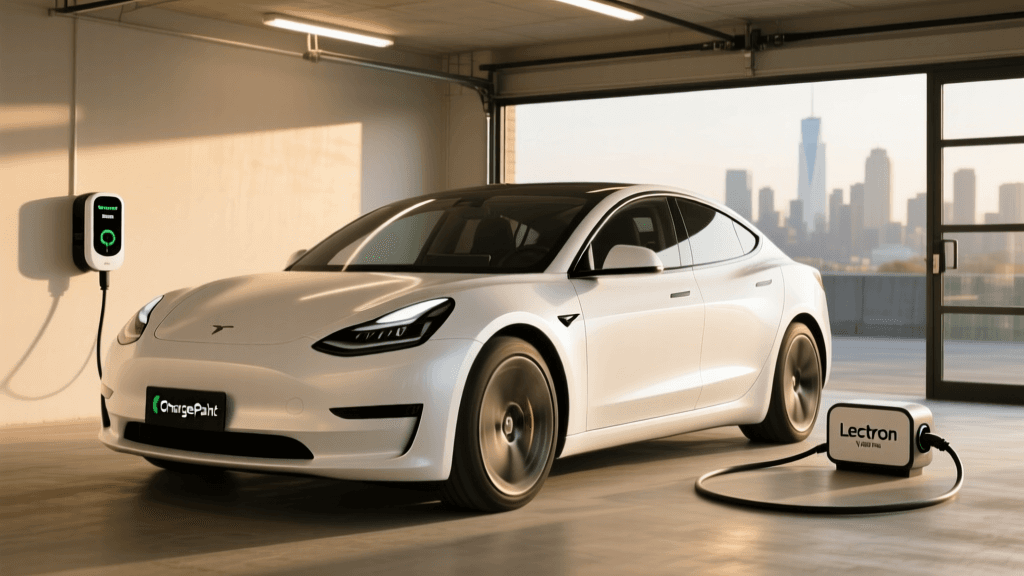
Priced aggressively at approximately $350, the Lectron V-BOX Pro is a no-nonsense, high-amperage Level 2 charger. It delivers up to 48 amps of charging power via a NEMA 14-50 plug or hardwiring. Unlike the ChargePoint, the Lectron strips away Wi-Fi connectivity and app-based scheduling in favor of a simple, LED-indicator plug-and-play experience. It features an 18-foot cable and a rugged, weather-resistant enclosure designed for indoor or outdoor use.
Upfront Costs and Installation Realities
When evaluating long-term value, we must look beyond the sticker price of the hardware. According to Edmunds' comprehensive guide to home EV charging, the installation of a 240-volt circuit can cost anywhere from $500 to $2,000 depending on your electrical panel's capacity and the distance from the breaker box to your garage or driveway.
Both the ChargePoint Home Flex and the Lectron V-BOX Pro can be installed using a standard NEMA 14-50 receptacle. However, to unlock the ChargePoint’s maximum 50-amp output, it must be hardwired by a licensed electrician, which typically adds $150 to $300 to the installation bill. The Lectron V-BOX Pro maxes out at 48 amps, which is the legal maximum for a 60-amp breaker circuit, meaning it can achieve near-maximum speeds via a standard 14-50 plug without mandatory hardwiring. For budget-conscious buyers who want to minimize electrician hours, the Lectron offers a slight edge in installation flexibility, though hardwiring is always recommended for long-term outdoor reliability and safety.
Smart Features vs. Plug-and-Play Simplicity
The most significant differentiator between these two units is software. The ChargePoint Home Flex connects to your home Wi-Fi, allowing you to track charging sessions, monitor energy consumption, and receive push notifications when your vehicle is fully charged. More importantly, as highlighted in Car and Driver's extensive EV charger testing, the app allows for seamless integration with utility company demand-response programs and automated scheduling.
The Lectron V-BOX Pro, conversely, is a "dumb" charger. You plug it in, and it charges. There is no app, no Wi-Fi, and no energy tracking on the unit itself. For users who simply want to plug in their car when they get home and wake up to a full battery, this simplicity is a feature, not a bug. It eliminates the risk of software bugs, Wi-Fi disconnections, or server outages preventing your car from charging. However, what you gain in simplicity, you lose in granular control and data tracking.
Time-of-Use (TOU) Rates: The Hidden Long-Term Cost
This is where the long-term value analysis shifts dramatically. Many utility companies now mandate or heavily incentivize Time-of-Use (TOU) rate plans for EV owners. Under TOU plans, electricity prices can spike to $0.30/kWh or higher during peak evening hours (e.g., 4 PM to 9 PM) and drop to as low as $0.08/kWh during off-peak overnight hours.
If you rely on your vehicle's internal software to schedule charging, you are generally fine. However, if you drive multiple EVs, or if you want to ensure the charger itself cuts off power to prevent vampire drain or grid strain, the ChargePoint's built-in scheduling becomes invaluable. Over a five-year period, a household that accidentally charges during peak hours just two times a month could waste over $600 in excess electricity costs. The ChargePoint’s app acts as an automated financial safeguard, potentially allowing the premium charger to pay for its $350 price difference in utility savings alone within the first three years of ownership.
Durability, Warranty, and Weather Resistance
Both chargers carry a NEMA 4 rating, meaning they are protected against splashing water, rain, and windblown dust, making them suitable for outdoor installation. However, build quality nuances emerge upon closer inspection. The ChargePoint Home Flex features a remarkably thick, flexible, and durable cable that remains pliable even in freezing winter temperatures. Its holster design is integrated and robust, minimizing wear and tear on the connector head.
The Lectron V-BOX Pro uses a slightly thinner, stiffer cable that can become rigid in sub-zero climates. While the enclosure is rugged, the connector holster is a separate plastic piece that must be mounted, which some users report can become brittle over years of UV exposure. Both units come with a standard 3-year warranty, but ChargePoint's customer support infrastructure is generally regarded as more responsive and comprehensive for premium-tier products.
Resale Value and Home Appraisal Impact
According to data from the Alternative Fuels Data Center (AFDC), home charging infrastructure is increasingly viewed as a permanent home upgrade, much like solar panels or a smart HVAC system. When it comes time to sell your home, a hardwired, premium smart charger like the ChargePoint Home Flex is often perceived by real estate appraisers and tech-savvy buyers as a high-value, integrated home feature. A budget charger, especially one plugged into a 14-50 outlet, is often viewed as a portable appliance that the seller might take with them. While difficult to quantify down to the exact dollar, the premium aesthetic and smart-home integration of the ChargePoint can provide a marginal edge in home resale appeal.
Long-Term Value Comparison Table
| Feature / Metric | ChargePoint Home Flex (Premium) | Lectron V-BOX Pro 48A (Budget) |
|---|---|---|
| Upfront Hardware Cost | ~$699 | ~$350 |
| Max Amperage | 50A (Hardwired) / 40A (Plug) | 48A (Hardwired or Plug) |
| Smart Features / App | Yes (Wi-Fi, Scheduling, TOU) | No (Plug-and-Play) |
| Cable Length | 25 Feet | 18 Feet |
| Warranty | 3 Years | 3 Years |
| 5-Yr Est. TOU Savings* | High (Automated Scheduling) | Low (Relies on Car Software) |
| Best For | Multi-EV homes, TOU plans, Techies | Single EV, flat rates, Budget buyers |
*Note: TOU savings assume the user does not utilize the vehicle's native app scheduling and relies solely on the charger for power management.
The Verdict: Which Charger Wins the Long Game?
Determining the ultimate winner of this long-term value showdown depends entirely on your electrical setup, utility rate plan, and personal tolerance for software management.
Choose the Lectron V-BOX Pro if: You are on a flat-rate electricity plan, you only own one EV, and you prefer the absolute simplicity of a plug-and-play device. The Lectron delivers 48 amps of reliable, high-speed charging for nearly half the price of its premium rival. If you are budget-conscious and your car's native software handles your charging schedules adequately, the Lectron is the undisputed king of raw value.
Choose the ChargePoint Home Flex if: You are subject to aggressive Time-of-Use utility rates, you plan to install a second EV charger in the future (utilizing ChargePoint's load-sharing capabilities), or you want a premium, weather-resistant cable that is easy to handle in extreme cold. The $350 premium you pay upfront is easily justifiable as an insurance policy against peak-hour energy spikes and a long-term investment in your home's smart infrastructure.
In the final analysis, while the budget Lectron wins on day-one affordability, the ChargePoint Home Flex secures the overall long-term value victory for the majority of modern EV owners. Its ability to automate off-peak charging, provide granular energy data, and integrate into a multi-vehicle household ensures that it remains a highly relevant, financially beneficial tool for the entire lifespan of your electric vehicle ownership journey.