The Hidden Dangers of Outdoor EV Charging
Installing an Electric Vehicle (EV) charger outdoors exposes your equipment to a relentless barrage of environmental stressors. From torrential rain and snow accumulation to blistering UV radiation and sub-zero freezing, outdoor chargers face conditions that indoor units simply never encounter. According to the Alternative Fuels Data Center, proper equipment selection and weatherproofing are critical for maintaining safe, uninterrupted home charging infrastructure. When outdoor chargers fail, the root cause is rarely a defective internal battery or vehicle issue; instead, it is almost always tied to environmental ingress, thermal throttling, or material degradation. In this comprehensive troubleshooting and review guide, we diagnose the most common outdoor EV charging failures and review the best weatherproof chargers designed to solve these exact problems.
Common Outdoor Charger Problems and How to Troubleshoot Them
1. Nuisance GFCI Tripping During Heavy Rain
The most frequent complaint from outdoor EV owners is the charger abruptly stopping mid-session during a rainstorm. This is usually caused by nuisance Ground Fault Circuit Interrupter (GFCI) tripping. Modern EVs and high-quality Level 2 chargers have internal ground-fault protection. However, the National Electrical Code (NEC) also mandates GFCI protection for outdoor outlets. When you stack a GFCI breaker on your electrical panel with a GFCI sensor inside the charger, minor moisture accumulation on the J1772 connector or slight capacitance leakage in long outdoor cable runs can trigger a hyper-sensitive trip.
Troubleshooting Solution: If your charger is hardwired (which is highly recommended for outdoor setups), consult the manufacturer manual. Many premium chargers allow you to bypass the panel GFCI requirement if the unit features an integrated, certified ground-fault sensor. If you must use an outlet, ensure your J1772 connector is stored in a downward-facing, weather-sealed holster to prevent rain from pooling inside the plug pins.
2. UV Degradation and Cable Brittleness
Standard PVC (Polyvinyl Chloride) cables are notorious for degrading under direct sunlight. After just two or three summers, the plasticizers in PVC leach out, leaving the charging cable stiff, brittle, and prone to cracking. Once the outer jacket cracks, moisture reaches the internal copper wiring, creating a severe shock hazard.
Troubleshooting Solution: When selecting an outdoor charger, strictly look for cables made from TPE (Thermoplastic Elastomer). TPE is inherently UV-resistant and maintains its flexibility across extreme temperature swings. Additionally, install a retractable cable management system or a simple pulley hook to keep the cable elevated off the ground and away from standing water, mud, and snowbanks.
3. Wi-Fi Connectivity Drops in Extreme Temperatures
Smart chargers rely on Wi-Fi for scheduling, energy monitoring, and firmware updates. Outdoor environments can wreak havoc on wireless signals, especially when chargers are mounted on exterior walls backed by interior concrete or brick, which block 2.4GHz signals. Furthermore, extreme cold can cause internal condensation if the enclosure is not properly sealed, leading to corrosion on the Wi-Fi module.
Troubleshooting Solution: For metal-enclosed chargers, ensure the external antenna is fully extended and angled toward your home router. If the signal remains weak, install a dedicated outdoor Wi-Fi extender or use a powerline adapter to route the internet connection directly to the garage or exterior wall.
Top 3 Weatherproof EV Chargers Reviewed for Outdoor Use
1. Grizzl-E Smart (The Rugged Tank)
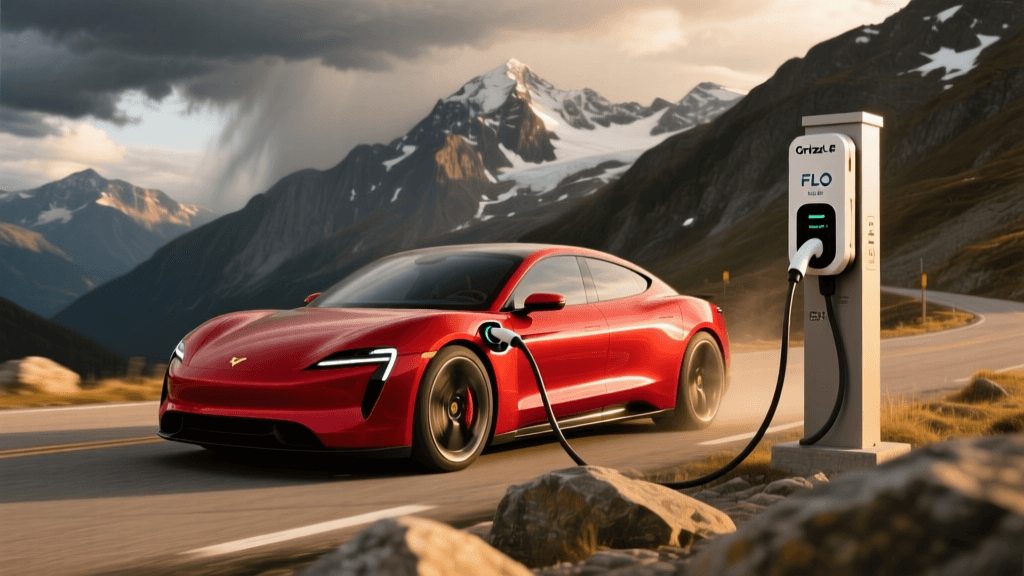
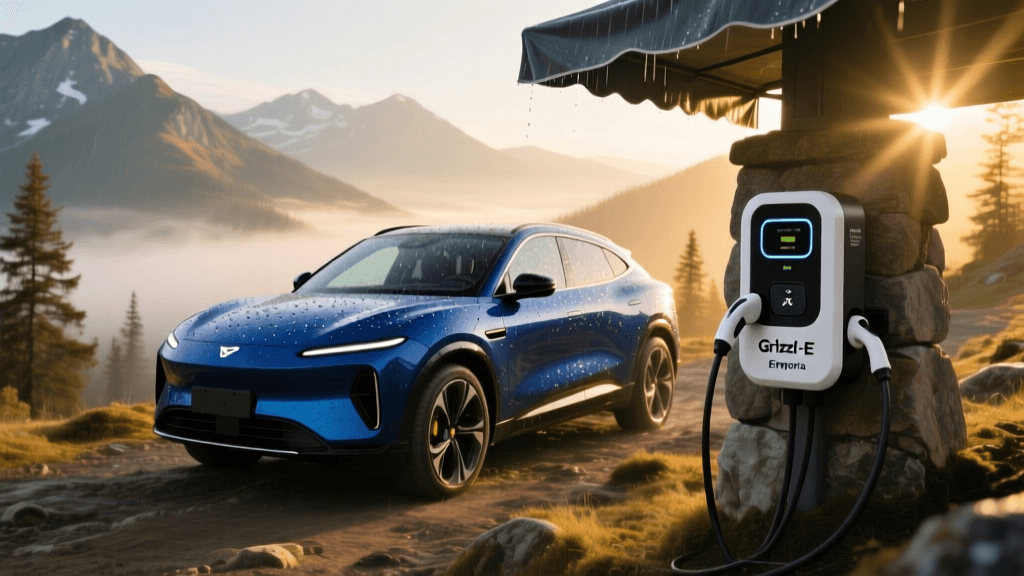
The Grizzl-E Smart is widely considered the gold standard for harsh outdoor environments. Built in Canada, it is engineered specifically to survive brutal winters and scorching summers. It boasts an IP67 water ingress rating and a NEMA 4 enclosure, meaning it can withstand direct hose downs and driving rain. The TPE cable remains remarkably pliable even at -40 degrees Fahrenheit, solving the frozen garden hose effect that plagues cheaper units.
Best for: Homeowners in extreme climates (heavy snow, ice, or intense desert heat).
Troubleshooting Note: The Grizzl-E app relies on Bluetooth for initial setup and Wi-Fi for remote features. In thick concrete exterior walls, you may need to position your router closer to the charging wall to ensure the OTA (Over-The-Air) updates complete successfully.
2. FLO Home X5 (The Cold-Weather Champion)
FLO is a dominant force in public charging networks, and their residential X5 brings that commercial-grade durability to your driveway. The standout feature is its NEMA 4X-rated aluminum alloy enclosure. The X in NEMA 4X indicates superior corrosion resistance, making it the ultimate choice for coastal areas where salt spray rapidly destroys plastic and painted steel enclosures. It operates flawlessly from -40°F to 122°F.
Best for: Coastal homes (salt air) and regions with severe ice storms.
Troubleshooting Note: The aluminum shell is excellent for thermal dissipation and corrosion resistance, but it acts as a Faraday cage. Ensure you utilize the external Wi-Fi antenna port if your model includes one, or rely on FLOs robust cellular-connected options if available in your tier.
3. Emporia Level 2 (The Budget Weather-Warrior)
The Emporia Level 2 charger punches well above its weight class, offering energy monitoring and smart scheduling at a fraction of the cost of its rivals. It carries a NEMA 4 rating, making it perfectly safe for outdoor mounting. The Environmental Protection Agency notes that smart, scheduled charging can significantly reduce grid strain and lower your electricity bills, a feature Emporia excels at via its detailed app.
Best for: Budget-conscious buyers who still need reliable outdoor weatherproofing and solar-integration tracking.
Troubleshooting Note: Emporia's cable is slightly thinner than the Grizzl-E. While it is rated for outdoor use, we highly recommend mounting the holster under an eave or awning to prolong the cable's lifespan and prevent excessive UV exposure over a 5-to-10-year period.
Outdoor Installation Comparison Chart
| Feature | Grizzl-E Smart | FLO Home X5 | Emporia Level 2 |
|---|---|---|---|
| Weather Rating | IP67 / NEMA 4 | NEMA 4X (Corrosion Resistant) | NEMA 4 |
| Cable Material | Premium TPE | Heavy-Duty TPE | Standard Outdoor TPE |
| Operating Temp | -40°F to 122°F | -40°F to 122°F | -22°F to 122°F |
| Enclosure | Polycarbonate | Aluminum Alloy | Polycarbonate |
| Smart Features | App, OCPP, Load Share | App, Scheduled Charging | App, Solar Sync, Energy Tracking |
| Best Use Case | Extreme Cold/Snow | Coastal / Salt Air | Budget / Solar Homes |
Expert Installation and Troubleshooting Tips
According to electrical safety guidelines outlined by Penn State Extension, proper installation is just as critical as the hardware itself. To prevent the most common outdoor charging failures, follow these installation best practices:
- The Drip Loop: Always ensure your electrician creates a drip loop in the conduit or wiring before it enters the charger enclosure. This prevents rainwater from running down the conduit and directly into the electrical components.
- Conduit Sealing: Use silicone-based duct sealant at the base of exterior conduit runs to prevent moisture from traveling up the pipe from the ground, which can cause internal condensation during freezing nights.
- Connector Hygiene: Never leave the J1772 connector on the ground. Mud, snow, and standing water will compromise the pins. Always use a holster mounted at least 24 inches above the ground to avoid snowbank burial.
- Breaker Sizing: Continuous loads like EV chargers require a breaker rated for 125% of the maximum draw. A 40-amp charger requires a 50-amp breaker. Undersized breakers will generate excess heat in outdoor summer conditions, leading to thermal trips.
Final Verdict: Solving Your Outdoor Charging Headaches
Troubleshooting outdoor EV chargers requires a proactive approach to environmental hazards. If you live in an area with punishing winters or heavy rain, the Grizzl-E Smart is your most reliable, rugged option. For coastal homes battling salt spray, the aluminum-shelled FLO Home X5 is unmatched in corrosion resistance. Finally, if you want intelligent energy tracking and solar integration on a budget without sacrificing basic weatherproofing, the Emporia Level 2 is a stellar choice. By pairing the right NEMA-rated hardware with proper installation techniques, you can ensure your outdoor charging setup remains safe, fast, and reliable for years to come.