The Unique Challenges of Apartment EV Charging
Owning an electric vehicle (EV) when you live in a single-family home with a garage is relatively straightforward: you install a 240V wallbox and wake up to a full battery every morning. But for the millions of drivers living in apartments, condos, or multi-family housing, EV charging presents a unique set of hurdles. You likely lack a dedicated driveway, have limited access to high-voltage outlets, and must navigate shared parking spaces, landlord permissions, and potential theft or weather exposure.
According to the U.S. Department of Energy, while home charging is the most convenient and cost-effective way to power an EV, multi-family dwellers must often rely on a mix of public infrastructure, workplace charging, and creative at-home solutions. This beginner's complete guide will walk you through the best portable and compact EV chargers designed specifically for apartment living, how to negotiate with your landlord, and the safety protocols you must follow in shared spaces.
Level 1 vs. Level 2: What Can Your Building Handle?
Before buying a charger, you need to understand the electrical infrastructure available in your apartment complex.
Level 1 Charging (120V)
Level 1 chargers plug into a standard household 120V outlet (NEMA 5-15). While every apartment has these, they deliver very slow charging speeds—typically adding 3 to 5 miles of range per hour. If you drive less than 40 miles a day and can leave your car plugged in overnight, a high-quality Level 1 charger might be all you need.
Level 2 Charging (240V)
Level 2 chargers require a 240V outlet (like a NEMA 14-50 used for electric dryers) or a direct hardwire to the electrical panel. They deliver 15 to 30 miles of range per hour. Some modern apartment garages are beginning to install shared 240V outlets, or landlords may allow you to hire an electrician to install one in your assigned spot.
Top EV Chargers for Apartment Living Reviewed
Based on portability, durability, smart features, and cable management, here are the best EV chargers for apartment dwellers.
1. Tesla Mobile Connector (Best for Tesla Owners)
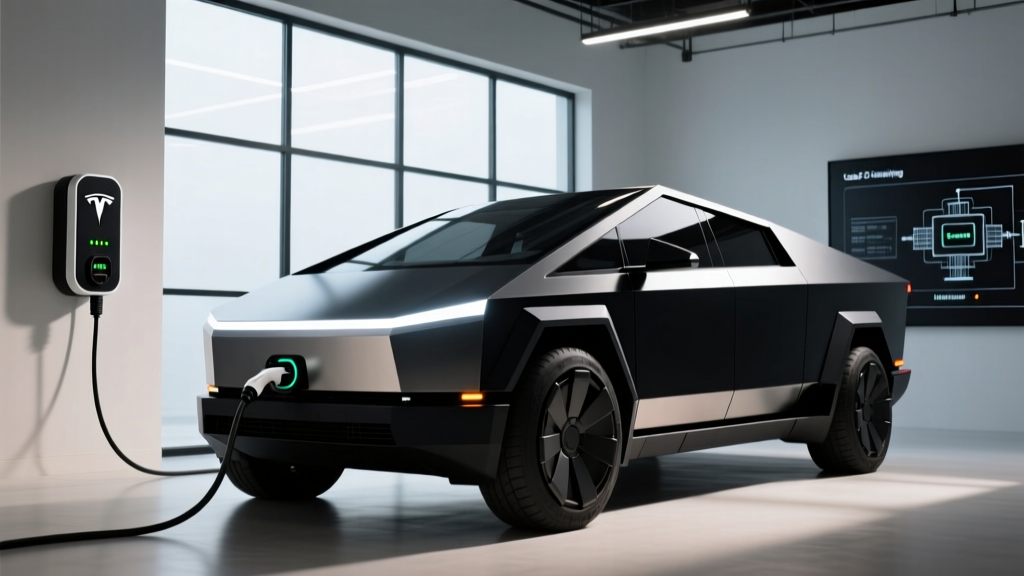
If you drive a Tesla, the Tesla Mobile Connector is an essential, budget-friendly tool. It comes with a standard 120V adapter, but you can purchase a NEMA 14-50 adapter separately to utilize 240V outlets if your apartment garage provides them. At 120V, it delivers about 3 miles of range per hour; at 240V, it can push up to 30 miles per hour.
- Cable Length: 20 feet
- Weather Resistance: IP56 (Indoor/Outdoor rated, but the control box should not sit in pooled water)
- Pros: Seamless integration with the Tesla app; highly portable; affordable.
- Cons: Lacks a rugged carrying case out of the box; not compatible with non-Tesla EVs without a third-party adapter.
2. Lectron Portable Level 2 Charger (Best for Versatility & Ruggedness)
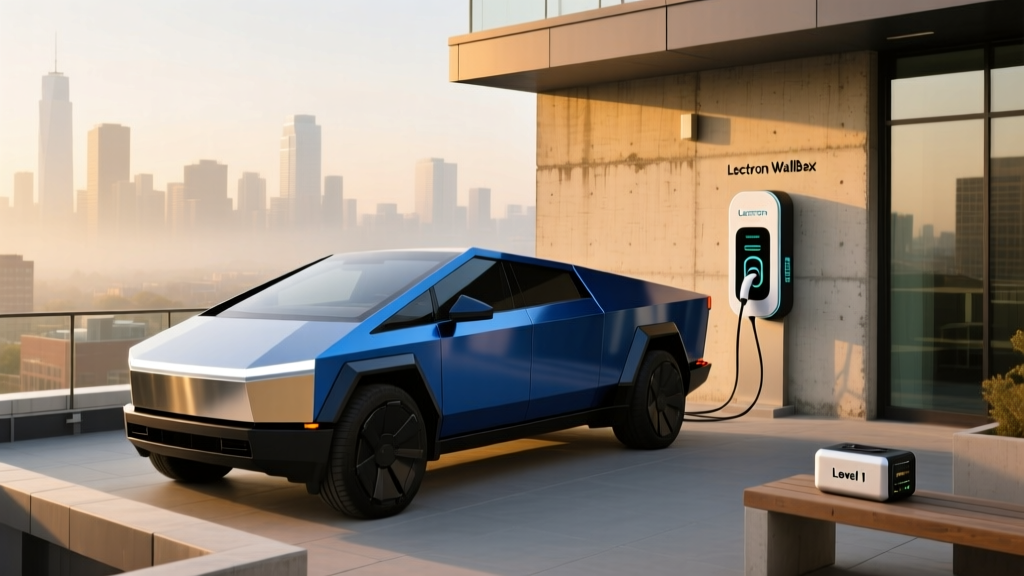
The Lectron 16A or 32A Portable Level 2 charger is a favorite among apartment dwellers who occasionally have access to 240V dryer outlets or shared garage receptacles. It is built like a tank, featuring a heavy-duty NEMA 4 waterproof rating, meaning you can leave it plugged in during a rainstorm without worrying about the control box shorting out.
- Cable Length: 21 feet
- Weather Resistance: IP66 (Highly water and dust resistant)
- Pros: Excellent build quality; includes a rugged carrying case; bright LED status indicators.
- Cons: Base model lacks Wi-Fi smart features and energy tracking.
3. Wallbox Pulsar Plus (Best for Landlord-Approved Mounting)
If your landlord or HOA is willing to let you mount a permanent charger in your assigned parking spot, the Wallbox Pulsar Plus is the undisputed champion of compact design. It is incredibly small (about the size of a toaster) but delivers up to 48 amps of power. Crucially, it features 'Power Sharing' and dynamic load balancing, which prevents older apartment electrical grids from tripping breakers when multiple residents charge at once.
- Cable Length: 25 feet
- Weather Resistance: IP54 / NEMA 4
- Pros: Tiny footprint; Wi-Fi and Bluetooth enabled; excellent app for scheduling and energy tracking.
- Cons: Requires professional installation and permanent mounting.
4. Emporia Level 2 Portable Smart Charger (Best for Energy Tracking)
When you share electricity with a landlord or use a shared garage outlet, you need to know exactly how much power you are consuming so you can reimburse the property manager. The Emporia Portable Smart Charger connects to Wi-Fi and provides granular, real-time energy tracking via its industry-leading app. It allows you to set charging schedules to take advantage of off-peak utility rates.
- Cable Length: 24 feet
- Weather Resistance: IP66
- Pros: Best-in-class energy monitoring app; allows remote start/stop; durable outdoor casing.
- Cons: Requires a 2.4GHz Wi-Fi signal reaching your parking spot, which can be tricky in underground garages.
Apartment EV Charger Comparison Chart
| Charger Model | Max Amperage | Voltage Support | Smart Features | Best Use Case |
|---|---|---|---|---|
| Tesla Mobile Connector | 32A (240V) | 120V / 240V | App scheduling | Tesla owners with mixed outlet access |
| Lectron Portable L2 | 16A / 32A | 240V | None (Basic) | Rugged outdoor use & trunk storage |
| Wallbox Pulsar Plus | 40A / 48A | 240V | Wi-Fi, Bluetooth, Load Balancing | Permanent spot mounting |
| Emporia Portable | 32A | 240V | Wi-Fi, kWh Tracking | Landlord reimbursement & off-peak scheduling |
How to Talk to Your Landlord or HOA
Getting permission to install a 240V outlet or mount a Wallbox in a shared garage can feel daunting, but the legal landscape is shifting in your favor. Several states, including California, Colorado, Florida, and New York, have enacted Right to Charge laws. These laws generally prevent landlords and HOAs from unreasonably denying a tenant's request to install an EV charger at their own expense.
When approaching your property manager, come prepared with a professional proposal:
- Offer to Cover Costs: Explicitly state that you will pay for the electrical assessment, the installation by a licensed electrician, and any necessary permits.
- Propose Load Management: Alleviate their fears of blown grid transformers by suggesting smart chargers like the Wallbox Pulsar Plus that feature dynamic load balancing.
- Suggest Sub-metering: Offer to install a smart sub-meter (or use a smart charger like the Emporia) so the landlord can easily bill you for your exact electricity usage without affecting other tenants.
Crucial Safety and Cable Management Rules
Charging in shared spaces requires strict adherence to safety and etiquette. The Environmental Protection Agency (EPA) and local fire codes heavily regulate how cables can be routed in multi-family dwellings.
Never Run Cables Across Walkways
Running a charging cable across a public sidewalk, hallway, or shared driveway is a massive trip hazard and a severe fire code violation. If your outlet is not adjacent to your parking spot, you must work with your landlord to have an outlet installed directly at your space. Never drape cables over balconies or out of windows.
Avoid Standard Extension Cords
Never use a standard household extension cord to reach an outlet. EV charging draws a continuous, high-amperage load for hours, which can melt standard copper wiring and start a fire. If an extension is absolutely unavoidable for Level 1 charging, you must use a heavy-duty, outdoor-rated, 10-AWG (or thicker) extension cord, and keep it as short as physically possible.
Secure Your Equipment
Theft and vandalism are real concerns in shared apartment garages. If you are using a portable Level 2 charger, take it inside your apartment when not in use. If you leave a Wallbox mounted, utilize the app's locking features to ensure unauthorized users cannot steal your electricity, and consider a physical padlock for the charging handle holster if your unit supports it.
Final Thoughts
Living in an apartment doesn't mean you have to give up on the dream of EV ownership. By selecting a rugged, portable charger like the Lectron or Emporia, or working with your landlord to install a compact Wallbox Pulsar Plus, you can create a reliable, safe, and efficient charging routine. Always prioritize safety, respect shared spaces, and leverage smart apps to manage your energy costs effectively.