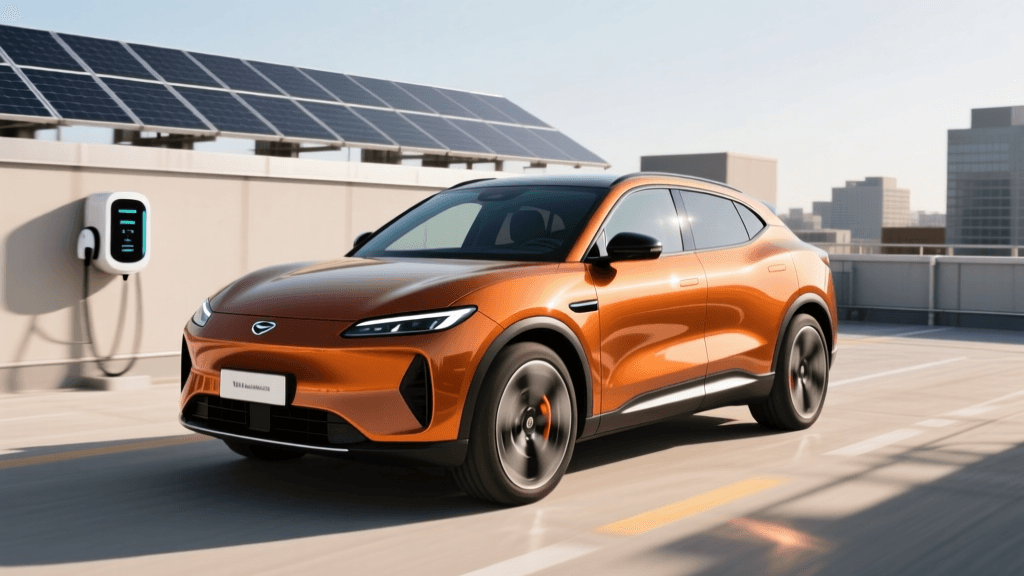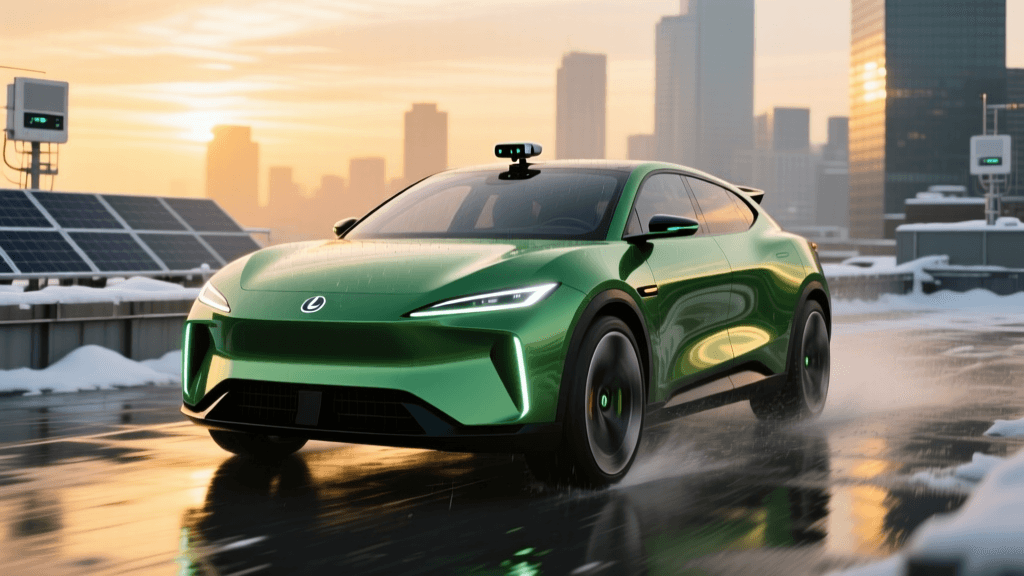
The electric vehicle landscape is rapidly evolving, shifting from simple battery adoption to complex smart grid integration and extreme climate resilience. For EV owners in the US and Canada, the home charging station is no longer just a convenience; it is a critical node in a modernized energy network. In this review, we examine the FLO Home X5 EV charger, a staple in the Canadian market that is steadily gaining traction across the northern United States. We will explore how its rugged build and smart features align with future industry trends, and provide actionable advice for optimizing your home charging setup.
FLO Home X5: Core Specifications and Build Quality
The FLO Home X5 is a Level 2, 240-volt charger delivering up to 32 amps (7.7 kW) of power. While the industry is seeing a push toward 48-amp and 64-amp units, the 32-amp configuration remains the sweet spot for older homes or panels with limited spare capacity, requiring only a 40-amp circuit breaker. According to the U.S. Department of Energy's Alternative Fuels Data Center, a 32-amp Level 2 charger adds roughly 25 to 30 miles of range per hour of charging, which is more than sufficient for overnight replenishment for 95% of daily drivers.
Where the X5 truly stands out is its enclosure. Unlike the plastic shells of many consumer-grade chargers, the X5 features a heavy-duty aluminum alloy casing. This NEMA 4-rated enclosure is impervious to rain, snow, and dust, making it an outdoor powerhouse. The included 25-foot charging cable is notably thick and heavily insulated, a deliberate engineering choice that plays into its cold-weather dominance.
Future Trends: Smart Grid Integration and TOU Optimization
The future of EV charging is inextricably linked to grid stability. As EV adoption scales, utility companies are aggressively rolling out Time-of-Use (TOU) rate plans and demand-response programs. The National Renewable Energy Laboratory (NREL) frequently highlights the necessity of smart, managed charging to prevent localized grid overloads during peak evening hours.
The FLO Home X5 is deeply integrated into the FLO network, one of the most robust charging ecosystems in North America. Through the FLO app, users can schedule charging sessions to coincide strictly with off-peak utility windows (e.g., 12:00 AM to 5:00 AM). Looking ahead, the industry is moving toward Vehicle-to-Grid (V2G) and automated utility load-balancing. While the X5 itself does not currently support V2G hardware, its firmware is frequently updated over Wi-Fi to support utility API integrations, allowing participating energy providers to pause or throttle charging speeds during extreme grid stress events. This smart-grid readiness ensures the X5 will remain relevant as utility regulations tighten over the next decade.
Furthermore, the ongoing transition to the North American Charging Standard (NACS) is a major industry trend. While the X5 ships with the universal J1772 connector, FLO has been proactive in offering NACS compatibility solutions, ensuring that Tesla owners and early adopters of the new standard can seamlessly integrate the X5 into their driveways without replacing the entire wall unit.
The Canadian Advantage: Extreme Cold Weather Performance
Born in Quebec, FLO understands the brutal realities of North American winters. Many US-centric chargers fail the "freeze test." When temperatures drop below -20°C (-4°F), standard PVC charging cables become stiff, brittle, and nearly impossible to coil. The FLO X5 utilizes a specialized cold-weather elastomer cable jacket that retains its flexibility even in deep freezes.
Additionally, the aluminum enclosure acts as a natural heat sink and shield against ice buildup. The connector holster is designed with a drainage channel to prevent water from pooling and freezing the plug to the dock. For buyers in the Midwest, New England, and across Canada, this weather resistance is not a luxury; it is a mandatory requirement for daily reliability.
Market Comparison: FLO Home X5 vs. The Competition
To understand the X5's market position, we must compare it against other top-tier Level 2 chargers, focusing on climate resilience and smart features.
| Feature | FLO Home X5 | ChargePoint Home Flex | Grizzl-E Smart |
|---|---|---|---|
| Max Amperage | 32 Amps (7.7 kW) | Up to 50 Amps (12 kW) | 40 Amps (9.6 kW) |
| Enclosure Material | Aluminum Alloy | Plastic (NEMA 3R) | Aluminum (IP67) |
| Cold Weather Cable | Excellent (Stays flexible) | Poor (Stiffens in cold) | Good (Cold-rated) |
| Smart Grid / TOU | Advanced App & Utility APIs | App Scheduling & Alexa | Basic App Scheduling |
| Connector Holster | Integrated Drainage | Standard Cradle | Standard Mount |
While the ChargePoint Home Flex offers higher maximum amperage, its plastic housing and stiff cables make it less ideal for unheated outdoor garages. The Grizzl-E Smart matches the FLO in ruggedness but lacks the sophisticated utility-network integration that the FLO ecosystem provides.
Actionable Advice: Installation and Optimization
To maximize the lifespan and efficiency of your FLO Home X5, follow these expert installation and usage guidelines:
1. Hardwire for Extreme Climates
The X5 is available as a NEMA 14-50 plug-in model or a hardwired unit. If you live in a region with severe freeze-thaw cycles, choose the hardwired version. Outdoor NEMA 14-50 receptacles are prone to thermal expansion and contraction, which can loosen the terminal connections over time and create a fire hazard. Hardwiring directly into a junction box eliminates this failure point and is often required by local electrical codes for outdoor 240V installations. Review the DOE's infrastructure guidelines to ensure your local electrician follows best practices for EV supply equipment (EVSE).
2. Optimize Your FLO App Settings
Do not rely on your vehicle's internal software for charging schedules; let the FLO app handle it. By setting the charger to "Off-Peak Only," the X5 will physically prevent power draw during expensive daytime hours, even if you plug in at 6:00 PM. Furthermore, enable the "Push Notifications" for charging faults. The X5's internal diagnostics can detect ground faults or voltage drops and alert you immediately, preventing battery degradation or electrical hazards.
3. Stack Your Rebates
The FLO Home X5 is Energy Star certified, making it eligible for a multitude of incentives. In the US, check the Database of State Incentives for Renewables & Efficiency (DSIRE) for local utility rebates, which can often cover up to $500 of the hardware and installation costs. In Canada, provincial programs (like those in BC or Quebec) frequently offer point-of-sale or post-purchase rebates for smart chargers connected to approved networks. Because the X5 is Wi-Fi enabled and tracks energy usage, it easily qualifies for these "smart charger" mandates.
Final Verdict: A Future-Proof Workhorse
The FLO Home X5 may not boast the highest amperage on the market, but it excels where it matters most for long-term ownership: durability, smart grid integration, and extreme weather resilience. As the EV industry moves toward tighter utility integration and harsher climate realities, the X5’s aluminum-clad, network-ready design proves to be a remarkably forward-thinking investment. For North American drivers who demand a charger that can survive a blizzard while intelligently navigating peak utility rates, the FLO Home X5 remains an industry benchmark.