The EV Charging Industry Market Size: Setting the Stage
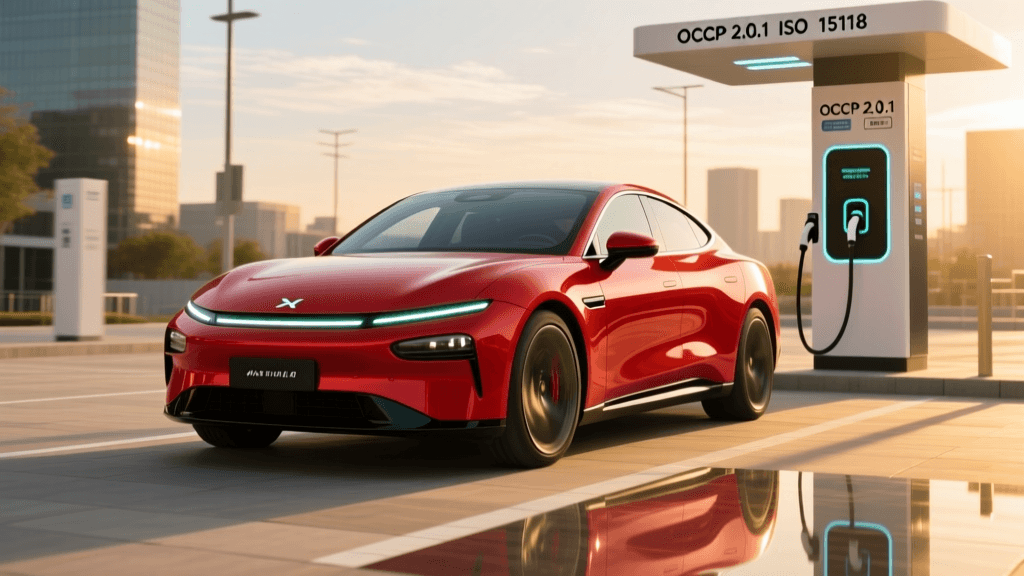
The electric vehicle revolution is no longer just about the cars; it is fundamentally about the infrastructure that powers them. As we look toward the end of the decade, the EV charging industry market size is projected to experience unprecedented growth. But which network will capture the lion's share of this expanding pie? In this head-to-head product showdown, we are not just comparing individual charging plugs; we are pitting the two undisputed heavyweights of public charging infrastructure against each other: the Tesla Supercharger Network and the ChargePoint ecosystem. By analyzing their 2030 market growth projections, infrastructure deployment speeds, and market share forecasts, we can determine which network offers the most reliable future for EV owners and commercial fleets alike.
Market Size Forecasts: The Macro Perspective
According to the International Energy Agency's Global EV Outlook, the transition to zero-emission vehicles requires a massive scaling of public and private charging ports. The global EV charging market size, valued at roughly $25 billion in 2023, is forecasted to surpass $200 billion by 2032, representing a Compound Annual Growth Rate (CAGR) of over 25%. This explosive market growth projection is driven by stricter emissions regulations, rising EV adoption rates, and massive government subsidies. Data from the Alternative Fuels Data Center confirms that public charging ports in the US have already surpassed 160,000, laying the groundwork for the next phase of DCFC expansion. However, this market is not growing uniformly. The battle for market share is heavily concentrated among top-tier network operators, making the showdown between Tesla and ChargePoint a critical focal point for industry analysts.
Contender 1: Tesla Supercharger Network Growth Projections
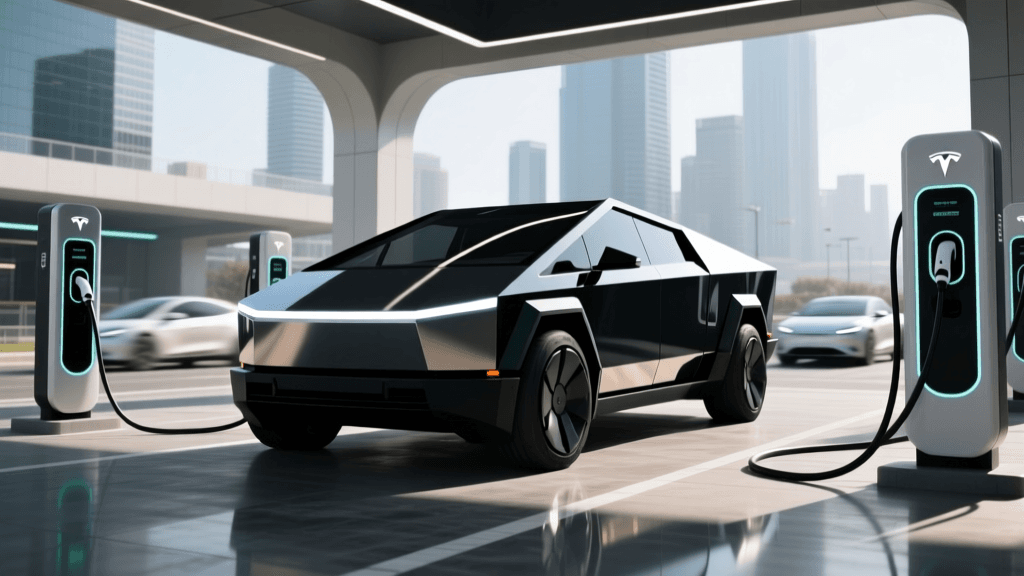
Tesla’s Supercharger network has long been the gold standard for EV charging reliability and speed. Historically a walled garden, Tesla's strategic decision to open its network to non-Tesla EVs via the North American Charging Standard (NACS) has fundamentally altered its market size forecast. By 2030, industry analysts project that Tesla will operate over 60,000 Supercharger stalls in North America alone. The deployment of the V4 Supercharger cabinet, which supports up to 350 kW for CCS vehicles and significantly higher amperage for Tesla’s Cybertruck, showcases a hardware roadmap designed for universal dominance.
Tesla's growth projection relies on a vertically integrated model: they manufacture the vehicles, the chargers, and the software ecosystem. This tight control yields an industry-leading uptime rate of over 99%, a metric that heavily influences consumer preference and, consequently, long-term market share forecasts. Furthermore, Tesla's aggressive pricing strategies and solar-integrated megachargers position them to capture the lion's share of the DC Fast Charging (DCFC) revenue pool.
Contender 2: ChargePoint Expansion and Market Share Forecasts
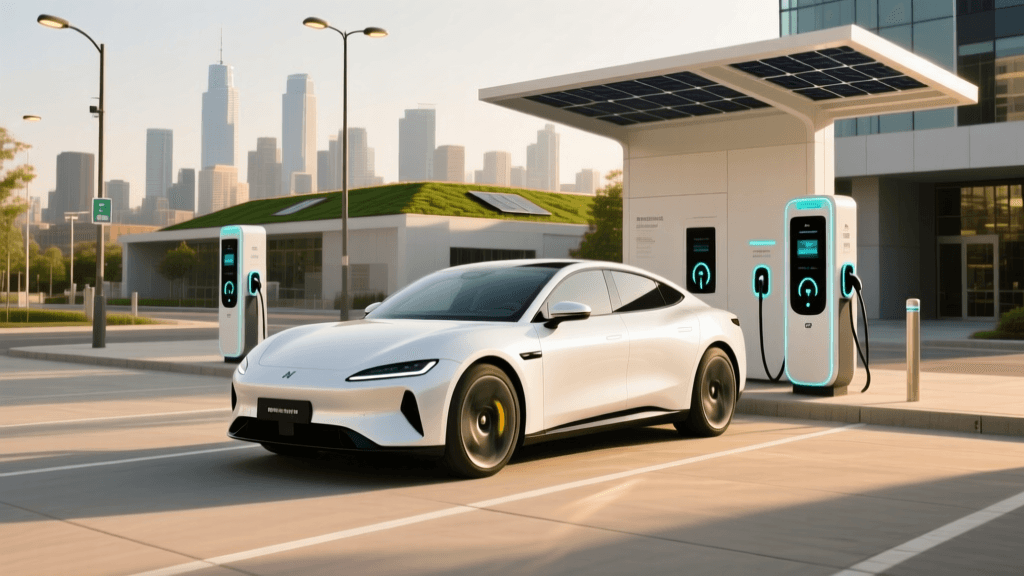
ChargePoint approaches the EV charging industry market size from a fundamentally different angle: the asset-light, ubiquitous distribution model. While Tesla dominates the highway corridor DCFC space, ChargePoint has historically cornered the Level 2 destination and workplace charging market. However, recognizing the shifting market growth projections toward faster charging, ChargePoint has aggressively pivoted toward DC Fast Charging with its Express Plus platform.
ChargePoint’s market share forecast relies on its massive B2B footprint. By partnering with retail giants, municipalities, and fleet operators, ChargePoint projects it will have over 500,000 active ports on its network by 2030. Unlike Tesla, ChargePoint does not sell cars; it sells the infrastructure and the software management layer. This makes them the go-to forecast winner for commercial fleets and multi-family residential deployments. Their Omni charging system, designed specifically for curbside and urban environments, targets a demographic that Tesla’s highway-focused Superchargers largely ignore.
Head-to-Head Comparison: 2030 Infrastructure Projections
| Metric | Tesla Supercharger Network | ChargePoint Network |
|---|---|---|
| Primary Focus | Highway Corridors & DC Fast Charging | Destination, Workplace, Fleet & Urban L2/DCFC |
| 2030 Projected Ports (Global) | ~150,000+ Stalls | ~500,000+ Ports (Majority Level 2) |
| Hardware Strategy | Vertically Integrated (V4 Cabinets, NACS) | Modular, Asset-Light (Express Plus, Omni) |
| Market Share Forecast Driver | NACS Adoption & Consumer Road Trips | B2B Partnerships & Fleet Electrification |
| NEVI Funding Reliance | Moderate (Leveraging existing footprint) | High (Expanding into new highway corridors) |
The Impact of NEVI Funding on Market Size Forecasts
No analysis of EV charging market growth projections is complete without addressing government intervention. In the United States, the $5 billion National Electric Vehicle Infrastructure (NEVI) Formula Program is actively reshaping the competitive landscape. According to the Federal Highway Administration, NEVI funding mandates that charging stations be spaced no more than 50 miles apart along designated alternative fuel corridors. This policy directly benefits Tesla, which is utilizing NEVI funds to open its Superchargers to all EVs using the Magic Dock adapter. Conversely, ChargePoint is leveraging NEVI grants to install its Express Plus DCFC systems in rural and underserved corridors where they previously lacked a presence. For market forecasters, NEVI funding acts as a guaranteed baseline for infrastructure growth, de-risking the capital expenditures for both companies and ensuring that the 2030 market size projections remain on track despite macroeconomic headwinds.
Actionable Advice for Consumers and Fleet Managers
Understanding these market size forecasts and growth projections is not just an academic exercise; it directly impacts how you should plan your EV charging strategy today.
- For Individual EV Buyers: If your primary use case involves frequent cross-country road trips, the Tesla Supercharger network’s growth projections indicate it will remain the most reliable and expansive DCFC option. Ensure your next EV purchase either features a native NACS port or comes with a reliable CCS-to-NACS adapter.
- For Commercial Fleet Managers: ChargePoint’s market share forecast is heavily tied to depot and workplace charging. If you are electrifying a last-mile delivery fleet, ChargePoint’s software management tools and modular Express Plus systems offer a more scalable, customizable solution than Tesla’s current commercial offerings.
- For Real Estate Developers: The market size projections for urban curbside charging heavily favor ChargePoint’s Omni platform. Investing in ChargePoint infrastructure for multi-family residential units will future-proof your properties against the incoming wave of EV-owning tenants who lack access to private garages.
Final Verdict: Navigating the Charging Market Growth Race
The EV charging industry market size is expanding rapidly, but it is not a winner-takes-all scenario. The head-to-head showdown between Tesla and ChargePoint reveals a market that is naturally bifurcating based on use cases. Tesla is cementing its dominance in the high-speed, long-distance travel sector, driven by the universal adoption of the NACS standard and unparalleled hardware reliability. ChargePoint, meanwhile, is capturing the high-volume, low-speed destination and commercial fleet sectors through its asset-light, software-centric approach. As we look toward 2030, both companies' growth projections suggest they will successfully capture their respective target demographics, resulting in a robust, dual-pillar charging ecosystem that will ultimately accelerate the global transition to electric mobility. For the consumer, this fierce competition means faster chargers, better software integration, and a continuously expanding network footprint.