Introduction: The Shifting Landscape of EV Charging Networks
The electric vehicle (EV) charging industry is currently undergoing a massive, necessary correction. Between 2020 and 2022, venture capital (VC) firms poured billions into EV charging startups, fueling a gold rush of hardware deployments and network expansions. However, as capital markets have tightened and the reality of hardware-heavy infrastructure costs has set in, the landscape is shifting rapidly. We are now witnessing an era of intense industry consolidation, bankruptcies, and strategic acquisitions by major energy players.
For commercial real estate developers, fleet managers, and even everyday EV drivers, this shifting landscape creates confusion. Misconceptions about startup funding and market consolidation can lead to disastrous purchasing decisions, stranded assets, and unreliable charging experiences. In this article, we will bust the most pervasive myths surrounding EV charging startup funding, highlight the common mistakes buyers make during this consolidation phase, and provide an actionable framework for evaluating network viability.
Myth 1: More Startups Mean Faster, Better Infrastructure Growth
The Myth: A highly fragmented market filled with dozens of well-funded startups competing for market share will naturally result in faster infrastructure deployment, lower prices, and rapid innovation for the end user.
The Reality: In hardware-heavy, infrastructure-reliant industries, extreme fragmentation is actually a hindrance to reliability. When VC funding is spread too thin across dozens of startups, companies prioritize "growth-at-all-costs" metrics—such as the sheer number of chargers installed—over long-term operational excellence. This leads to a phenomenon known in the industry as "zombie chargers."
Startups burning through early-stage funding rounds often lack the capital reserves required for long-term Operations and Maintenance (O&M). According to data tracked by the U.S. Department of Energy's Alternative Fuels Data Center, network reliability and uptime remain significant hurdles, largely exacerbated by undercapitalized operators failing to maintain their deployed hardware. When a startup's funding dries up, their software platforms can go offline, payment processors may disconnect, and site hosts are left with expensive, broken plastic pedestals that cost thousands to remove or replace. True innovation requires the sustained capital that only consolidated, financially stable entities can provide.
Myth 2: Industry Consolidation is Bad for the Consumer
The Myth: Mergers, acquisitions, and the entry of massive energy conglomerates (like Shell acquiring Volta, or BP Pulse expanding its footprint) will create monopolies, stifle innovation, and drive up the cost of charging for consumers and site hosts.
The Reality: Consolidation is precisely what the EV charging ecosystem needs to mature into a reliable utility-grade network. The International Energy Agency (IEA) has consistently highlighted that robust, heavily capitalized infrastructure is essential for widespread EV adoption. When well-capitalized energy majors acquire struggling startups, they bring three critical assets to the table:
- Deep Pockets for O&M: Energy giants have the balance sheets to honor 10-year service level agreements (SLAs) and maintain hardware over its full lifecycle.
- Grid Integration Expertise: Major utility and energy players understand demand charges, grid capacity, and behind-the-meter energy storage, optimizing the total cost of ownership for commercial sites.
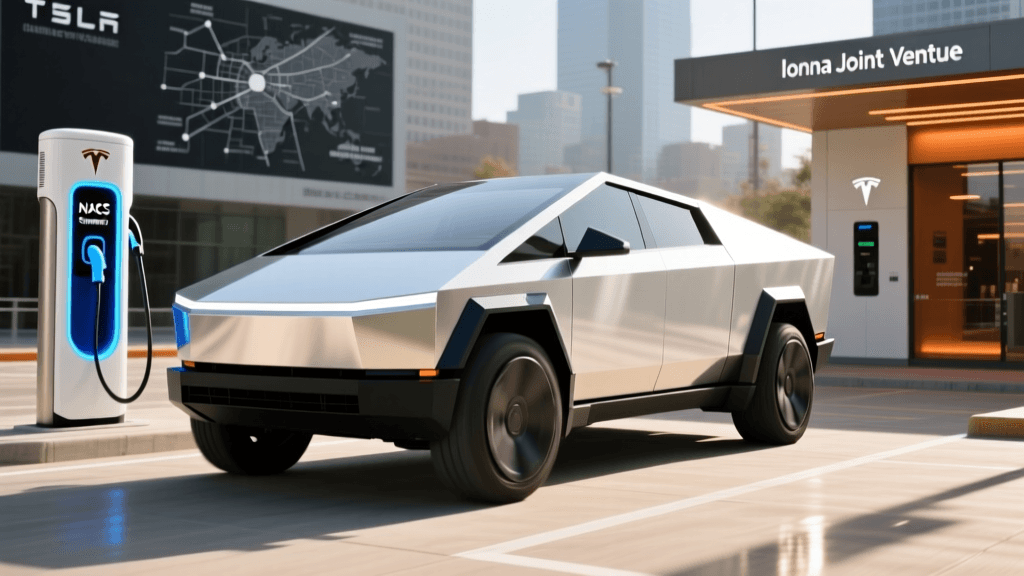
- Standardization: Consolidation accelerates the adoption of universal standards. The recent industry-wide pivot to the North American Charging Standard (NACS) was heavily driven by established players recognizing the need for interoperability over proprietary walled gardens.
Rather than hurting consumers, consolidation weeds out unsustainable business models and ensures that the chargers you pull up to will actually work, accept your payment, and be serviced promptly if they fail.
Common Mistakes Commercial Buyers Make During Consolidation
As the market consolidates, commercial buyers (site hosts, fleet operators, and municipalities) are making critical errors when evaluating charging partners. Avoid these costly mistakes:
Mistake 1: Ignoring the "Make-Ready" Cost Shift
Undercapitalized startups often lure site hosts with "free" or heavily discounted charging hardware. However, they frequently bury the true costs in the site preparation. Startups may lack the in-house engineering to properly assess utility upgrades, trenching, and panel capacity. When unexpected make-ready costs arise, the startup pushes the financial burden onto the site host, or worse, abandons the project entirely. Always demand a transparent, turnkey bid that includes utility coordination and civil work.
Mistake 2: Locking into Proprietary Software Ecosystems
Many startups differentiate themselves with sleek, proprietary mobile apps and closed-loop billing software. If that startup misses its next funding round or files for Chapter 11, the software backend may be shut off, rendering the physical chargers useless. Buyers must prioritize hardware that supports Open Charge Point Protocol (OCPP) 1.6J or 2.0.1. This ensures that if the original network provider fails or is acquired under unfavorable terms, you can seamlessly port your chargers to a new, more stable software management platform.
Mistake 3: Overvaluing VC-Subsidized "Free Charging" Promotions
Some startups use VC cash to subsidize free or ultra-low-cost charging to gain market share and inflate their user metrics before a funding round or acquisition. Site hosts and fleet managers who build their financial models around these artificially low rates face severe margin shocks when the startup inevitably raises prices to achieve unit economics, or when a new acquiring company restructures the pricing tiers.
Actionable Guide: Evaluating Network Viability in a Consolidating Market
How do you separate a sustainable charging partner from a startup running out of runway? Use this risk matrix when evaluating proposals from EV charging network providers.
| Evaluation Criteria | High-Risk (Undercapitalized Startup) | Low-Risk (Consolidated / Energy Major) |
|---|---|---|
| Financial Runway | Reliant on quarterly bridge rounds; high cash burn rate. | Backed by utility revenues, energy trading, or massive corporate balance sheets. |
| Hardware Sourcing | Uses white-labeled, proprietary hardware with no secondary supply chain. | Utilizes standardized, multi-source hardware (Tritium, ABB, BTC Power) with ample spare parts. |
| Software Interoperability | Closed-loop ecosystem; OCPP compliance is claimed but not certified. | Strict OCPP compliance; open APIs for fleet management integration. |
| O&M SLAs | Best-effort support; remote troubleshooting only. | Contractual uptime guarantees (e.g., 97%+); regional dispatch technician networks. |
The Due Diligence Checklist for Site Hosts
Before signing a 5-to-10-year contract with an EV charging provider, take these actionable steps to protect your investment:
- Request Proof of Capitalization: Ask for evidence of long-term financial backing. Are they backed by a major energy firm, a sovereign wealth fund, or a Series B VC firm looking for a quick exit?
- Verify OCPP Certification: Do not take the provider's word for it. Check the Open Charge Alliance's official database to ensure their hardware and software are independently certified for interoperability.
- Demand an Escrow for Software Source Code: If you are locked into their proprietary software, negotiate a software escrow agreement. If the company goes bankrupt, the source code is released to you, allowing a third party to keep the network running.
- Consult Federal and State Resources: Utilize resources like the Joint Office of Energy and Transportation (DriveElectric.gov) to understand current federal funding requirements for reliability and uptime, which often disqualify high-risk startup networks from receiving government subsidies.
Conclusion: Navigating the New Normal
The wild west era of EV charging startup funding is coming to a close, and that is a profoundly good thing for the industry. While the headlines about startup bankruptcies and industry consolidation may seem alarming, they represent a natural maturation process. The market is weeding out unsustainable business models and rewarding companies that prioritize uptime, grid integration, and long-term operational excellence.
By busting the myths that more fragmentation equals better service, and by avoiding the common mistakes of proprietary lock-in and ignored make-ready costs, commercial buyers can future-proof their investments. As you evaluate partners for your next depot, retail location, or commercial property, look past the flashy startup pitch decks. Prioritize financial stability, open standards, and proven O&M capabilities. In the consolidating EV charging landscape, boring, sustainable, and well-capitalized is exactly what you want.