The Reality of EV Charging Deserts
The transition to electric vehicles (EVs) is accelerating, but the infrastructure supporting this shift is not being deployed equitably. "Charging deserts"—areas with a severe lack of public or private EV charging stations—disproportionately affect low-income neighborhoods, rural communities, and multi-family housing residents. According to data tracked by the Alternative Fuels Data Center, the vast majority of public charging infrastructure is concentrated in affluent, single-family residential areas and high-income commercial corridors. This disparity threatens to leave millions of Americans behind in the clean energy transition. For residents in multi-family dwellings or those without access to off-street parking, home charging is virtually impossible. Without targeted interventions, the EV revolution will remain a luxury accessible only to those who can afford private garage installations.
Federal Mandates: Justice40 and the NEVI Program
To combat this inequity, the federal government has introduced sweeping mandates aimed at directing funds toward disadvantaged communities. The cornerstone of this effort is the Justice40 Initiative, which mandates that 40 percent of the overall benefits of certain federal investments flow to disadvantaged communities that are marginalized, underserved, and overburdened by pollution. This policy is fundamentally reshaping how charging networks are planned, forcing developers to prioritize equity alongside profitability.
Furthermore, the National Electric Vehicle Infrastructure (NEVI) Formula Program, overseen by the Federal Highway Administration, provides billions in funding to states. While the initial phase of NEVI focused heavily on highway corridors to alleviate range anxiety, subsequent funding rounds and state-level implementation plans are increasingly prioritizing "community charging" in underserved areas. States are now required to conduct robust community engagement and equity analyses before finalizing their deployment plans, ensuring that low-income and rural populations are not overlooked in the rush to build out the national network.
Innovative Deployment Models for Urban and Rural Deserts
Traditional DC Fast Charging (DCFC) stations require massive grid upgrades, extensive trenching, and high capital expenditures, making them unfeasible for many underserved urban blocks or remote rural towns. The industry is responding with innovative, lower-cost deployment models tailored to these unique environments.
Curbside and Streetlight Charging
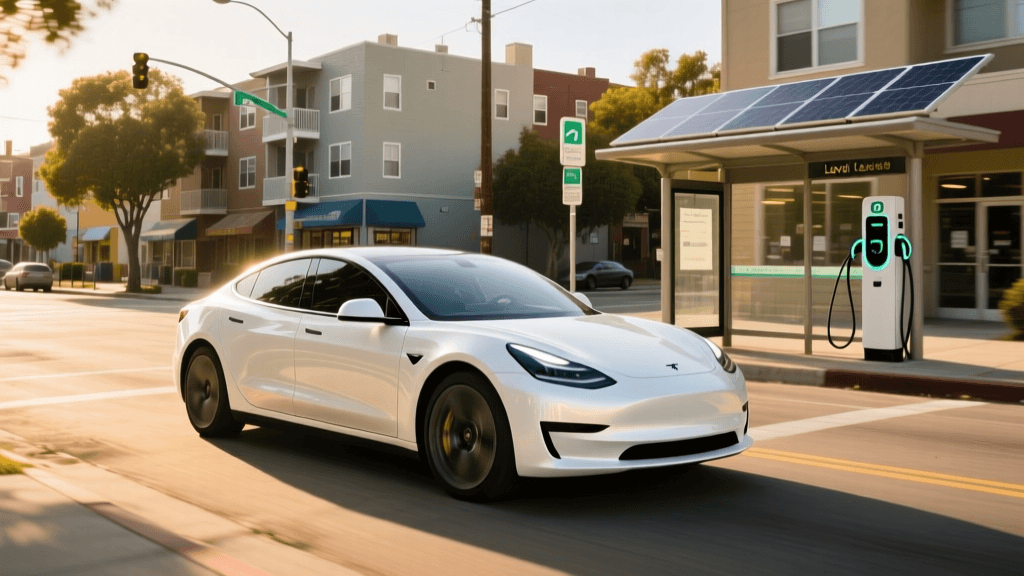
In dense urban environments where multi-family housing dominates, companies like Voltpost and ubitricity are pioneering streetlight charging. The Voltpost Air, for example, retrofits existing streetlight poles with Level 2 (240V) charging capabilities. This eliminates the need for expensive underground trenching and sidewalk tearing, reducing installation costs by up to 70% compared to traditional pedestal chargers. These units typically deliver 3.3 kW to 7.2 kW, which is sufficient for overnight charging for residents who park on the street.
Community Charging Hubs
For areas lacking residential parking, "destination charging" is evolving into "community charging hubs." These are strategically placed at essential services like grocery stores, laundromats, and community centers. Programs like the BlueLA EV Car Share have demonstrated the viability of placing Level 2 and DCFC chargers in low-income neighborhoods, simultaneously providing charging access for personal vehicles and supporting a localized, zero-emission car-share fleet.
Comparison of Emerging Equity-Focused Charging Models
| Deployment Model | Estimated Hardware Cost | Installation Complexity | Ideal Underserved Use Case |
|---|---|---|---|
| Streetlight Level 2 (e.g., Voltpost Air) | $3,000 - $5,000 per unit | Low (uses existing poles) | Dense urban, multi-family housing, curbside parking |
| Community Hub DCFC (150kW+ Tritium/ABB) | $50,000 - $80,000+ per unit | High (requires trenching, grid upgrades) | Retail centers, transit hubs, rural highway adjacencies |
| Mobile/Battery-Integrated Charging | $20,000 - $50,000 per trailer | Low (plug-and-play / off-grid) | Community events, temporary housing, rural pop-ups |
| Multi-Family Level 2 (e.g., Blink HQ 100) | $5,000 - $7,000 per dual-port | Medium (requires sub-panel upgrades) | Affordable housing complexes, apartment garages |
The Role of Utility Make-Ready Programs and Tariffs
One of the largest barriers to deploying chargers in underserved communities is the cost of "make-ready" infrastructure—the electrical upgrades required to bring sufficient power to the site. Investor-owned utilities (IOUs) are increasingly stepping in. Programs like Southern California Edison's Charge Ready or Con Edison's PowerReady cover the costs of the wiring, panels, and trenching up to the charging pedestal. By socializing these infrastructure costs across the utility's rate base, the upfront capital required for community organizations, small businesses, and affordable housing developers to install chargers is reduced by 50% to 80%.
Looking forward, the industry is also tackling the issue of commercial demand charges. Traditional utility tariffs penalize low-traffic community chargers with massive monthly demand fees, even if they only dispense a small amount of electricity. Future trends point toward specialized EV equity tariffs—low-demand-charge rates specifically designed for affordable housing and community centers—which will make the long-term operation of these stations financially viable.
Future Outlook: Battery Storage and Mobile Charging
Looking ahead, the integration of Battery Energy Storage Systems (BESS) with EV chargers will be a game-changer for equity. In rural or low-income urban areas where the local grid transformer cannot support a 150kW DCFC, adding a BESS allows the station to trickle-charge the battery from the grid over 24 hours and discharge it rapidly into an EV in 20 minutes. This bypasses the need for multi-million-dollar utility grid upgrades that can take 2 to 3 years to permit and construct.
Additionally, mobile charging units—essentially large batteries on trailers or integrated into tow trucks—are being deployed as interim solutions. Companies like SparkCharge and Lightning eMotors provide on-demand charging for multi-family properties or community events, bridging the gap while permanent infrastructure is permitted and built.
Actionable Advice for Community Advocates and Local Leaders
If you are a community leader, property manager, or local advocate looking to bring EV infrastructure to an underserved area, consider the following actionable steps:
- Audit Local Utility Make-Ready Programs: Contact your local IOU or municipal utility to identify make-ready incentives. These programs often cover 100% of the wiring costs, leaving you to fund only the charger hardware. Be prepared for a 6 to 12-month timeline for site assessment and grid upgrades.
- Leverage Right-to-Charge Laws: States like California, Colorado, New York, and Illinois have passed "Right-to-Charge" laws. These mandate that HOAs and landlords cannot unreasonably deny a tenant's request to install a Level 2 charger in their assigned parking spot. Use these legal frameworks to negotiate with property management.
- Partner with Anchor Institutions: Instead of relying solely on residential installations, partner with local food banks, libraries, or community health centers. These locations have existing parking lots, high community foot traffic, and often qualify for non-profit or municipal grant funding.
- Target the EPA's Climate Pollution Reduction Grants: Keep a close eye on federal grant portals. The EPA and DOE frequently release funding tranches specifically earmarked for zero-emission infrastructure in disadvantaged census tracts. Ensure your community is registered on SAM.gov and has a shovel-ready site plan to apply immediately when windows open.
By combining federal equity mandates, innovative hardware solutions, and strategic utility partnerships, the EV charging industry is finally beginning to close the gap. The future of EV infrastructure will not just be defined by the speed of the chargers, but by the inclusivity of the network.