The Great EV Refueling Divide: Battery Swapping vs. Plug-In Charging
As the global transition to electric vehicles accelerates, a silent war is being waged over how we will refuel the fleet of the future. For the past decade, plug-in charging has been the undisputed king of EV infrastructure. However, battery swapping—a concept that allows drivers to exchange a depleted battery for a fully charged one in a matter of minutes—has reemerged as a formidable challenger, particularly in commercial sectors and specific global markets. For investors, fleet operators, and automotive stakeholders, understanding the diverging investment trends between battery swapping and traditional charging infrastructure is critical for forecasting the next decade of mobility.
The debate is no longer just about technology; it is about capital expenditure (CapEx), operational expenditure (OpEx), grid constraints, and standardization. While plug-in networks benefit from massive government subsidies and universal connector adoption, battery swapping offers unparalleled speed and battery lifecycle management. Let us dive deep into the future outlook of these two competing paradigms.
Plug-In Charging Infrastructure: The Global Standard
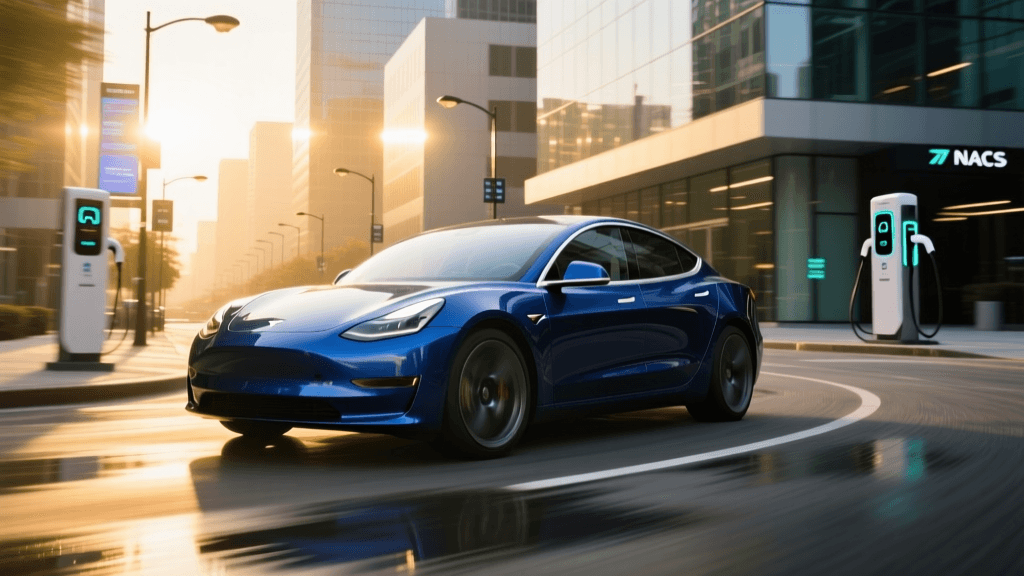
Plug-in charging, encompassing Level 2 AC charging and DC Fast Charging (DCFC), remains the bedrock of global EV infrastructure. The investment trends here are heavily driven by government mandates and public-private partnerships. In the United States, the National Electric Vehicle Infrastructure (NEVI) formula program has unlocked $5 billion in federal funding to build a cohesive national charging network. According to the U.S. Department of Energy, this influx of capital is rapidly accelerating the deployment of 150 kW to 350 kW DC fast chargers along major highway corridors.
Similarly, in Europe, the Alternative Fuels Infrastructure Regulation (AFIR) mandates strict minimum requirements for charging pool capacities and stall availability along the TEN-T core road network. These regulatory tailwinds have created a relatively safe harbor for infrastructure investors. Companies like Electrify America, EVgo, and Tesla (with its expanding Supercharger network) are deploying capital at an unprecedented rate.
However, plug-in charging faces significant headwinds. The primary bottleneck is grid capacity and utility interconnection times. Upgrading local transformers and trenching new power lines can add months of delays and tens of thousands of dollars in hidden costs to a single DCFC site. Furthermore, as battery sizes increase (with some electric trucks and luxury SUVs exceeding 100 kWh), even 350 kW chargers require 30 to 45 minutes to reach an 80% state of charge, limiting the throughput and revenue potential per stall.
Battery Swapping: The High-CapEx Challenger
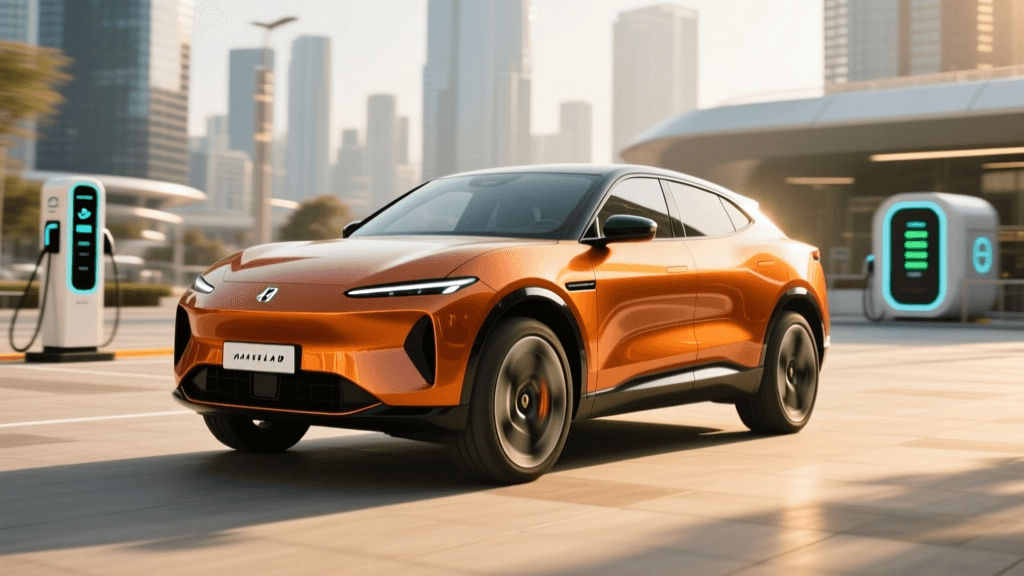
Battery swapping eliminates the charging wait time entirely. A vehicle pulls into a swap station, and automated robotics replace the depleted battery pack with a fully charged one in under five minutes. This model, often referred to as Battery-as-a-Service (BaaS), decouples the vehicle cost from the battery cost, potentially lowering the upfront purchase price of the EV for the consumer.
Investment in battery swapping is overwhelmingly concentrated in China. Automakers like NIO have built a massive moat around this technology, operating over 2,300 Power Swap stations globally, with the vast majority in China. NIO’s Gen 3 swap stations are highly automated, capable of storing 23 batteries, and can perform up to 408 swaps per day. Meanwhile, battery giant CATL has launched its EVOGO (Choco-Swap) network, aiming to create a standardized swapping ecosystem compatible with multiple vehicle brands.
According to the International Energy Agency (IEA), China's aggressive investment in battery swapping is largely supported by favorable municipal policies, dedicated land-use allocations, and a dense urban environment where home charging is often impractical. The IEA notes that while swapping accounts for a fraction of global EV refueling, its footprint in heavy-duty commercial fleets and urban ride-hailing services is expanding rapidly due to the high utilization rates required to make the economics work.
Head-to-Head Comparison: Swapping vs. DC Fast Charging
To understand where investment capital is flowing, we must compare the unit economics and operational realities of both systems. The following table outlines the critical differences between a modern Battery Swap Station and a standard 4-stall DC Fast Charging plaza.
| Metric | Battery Swapping (e.g., NIO Gen 3) | DC Fast Charging (e.g., 350kW CCS/NACS) |
|---|---|---|
| Estimated CapEx | $500,000 - $800,000+ (includes battery inventory) | $150,000 - $300,000 (hardware and installation) |
| Refueling Time | 3 to 5 minutes | 20 to 45 minutes (10-80% SoC) |
| Land Footprint | Compact (approx. 4-6 parking spaces) | Larger (requires dedicated pull-through lanes for towing) |
| Grid Impact | Low peak demand (batteries charge slowly overnight) | High peak demand (requires massive instant power draw) |
| Standardization | Highly fragmented (proprietary packs per OEM) | Universal (CCS, NACS, and MCS for heavy-duty) |
| Primary Use Case | Taxis, ride-hailing, dense urban, heavy-duty fleets | Retail, highway corridors, general consumer use |
Future Investment Trends and Industry Outlook
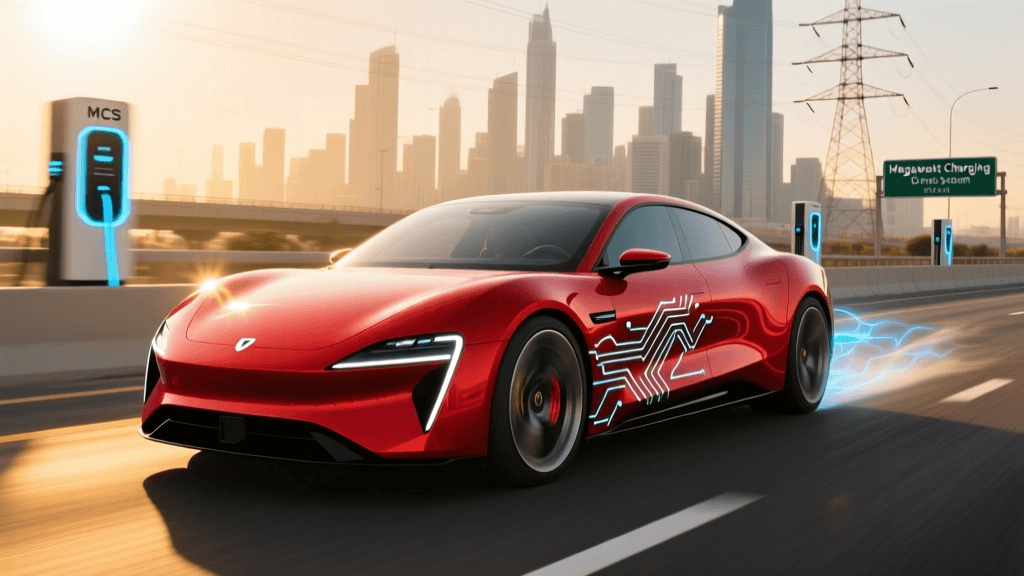
Looking ahead to 2030, the investment trajectories for these two technologies will diverge based on geography and vehicle class. In North America and Europe, the standardization of the North American Charging Standard (NACS) and the Megawatt Charging System (MCS) for commercial trucks solidifies plug-in charging as the dominant paradigm. The auto industry has largely standardized around the battery pack as an integral, structural component of the vehicle chassis (such as Tesla’s 4680 structural battery pack and BYD’s Cell-to-Body technology). This engineering trend makes physical battery swapping increasingly difficult, as removing the battery requires dismantling structural elements of the car.
Conversely, battery swapping will see concentrated investment growth in specific niches. The most promising sector for swapping investment is the heavy-duty commercial market, specifically urban delivery trucks, garbage trucks, and port tractors. These vehicles operate on fixed, high-utilization routes and cannot afford the downtime required for DC fast charging. Furthermore, swapping allows fleet operators to leverage off-peak utility rates. A swap station can act as a massive, decentralized battery energy storage system (BESS), charging its inventory at night when electricity is cheap, and performing grid-balancing services during peak demand hours.
Another emerging trend is the rise of two-wheeler and three-wheeler battery swapping in Southeast Asia and India. Companies like Gogoro and Bounce are seeing massive venture capital and government backing, as swapping is the only viable way to electrify gig-economy delivery fleets in regions lacking reliable residential charging infrastructure.
Actionable Advice for Fleet Operators and Investors
For commercial fleet managers and infrastructure investors, the choice between swapping and charging is not ideological; it is strictly mathematical. Here is actionable advice based on current market conditions:
- Assess Duty Cycles and Downtime Costs: If your fleet vehicles operate on a single shift and can charge overnight at a central depot, invest in Level 2 or low-power DC depot charging. The CapEx is minimal. However, if your vehicles run 24/7 (e.g., port logistics or multi-shift taxi services), the revenue lost to charging downtime justifies the high CapEx of battery swapping.
- Leverage Utility Demand Charges: DC Fast Charging stations are notorious for triggering massive utility demand charges, which can ruin the profitability of a charging site. Battery swapping naturally mitigates this by trickle-charging batteries over 24 hours. When modeling ROI, always factor in local utility rate structures and demand charges.
- Consider the BaaS Financial Model: For investors looking at consumer-facing EV startups, companies offering Battery-as-a-Service can lower the barrier to entry for consumers. By retaining ownership of the battery, the operator can guarantee battery health, harvest second-life value for grid storage, and create a recurring revenue stream that traditional automakers cannot match.
- Monitor Heavy-Duty Standardization: Keep a close eye on the Ample and CATL partnerships aimed at standardizing modular swap packs for commercial fleets. If a universal physical standard for commercial battery swapping emerges, CapEx costs will plummet due to economies of scale, making it a highly lucrative investment space.
Conclusion
The future of EV refueling will not be a monolith. While plug-in charging infrastructure will continue to capture the lion's share of global investment—fueled by government mandates and universal connector standards—battery swapping is carving out a highly profitable, specialized niche. For high-utilization commercial fleets, dense urban centers, and emerging markets, battery swapping solves the critical bottlenecks of grid capacity and vehicle downtime. Smart capital will not bet on a single winner, but rather deploy targeted investments into the refueling modality that best aligns with the specific duty cycle, geography, and vehicle architecture of the end user.