The Great Infrastructure Divide: Swapping vs. Plugging In
As the global electric vehicle market accelerates toward the 2030s, the infrastructure required to support it is becoming one of the most capital-intensive sectors in the energy transition. According to the International Energy Agency's Global EV Outlook, millions of new charging points will be needed to meet rising consumer and commercial demand. However, a massive fork in the road has emerged regarding how best to deploy this capital: traditional DC Fast Charging (DCFC) networks versus automated Battery Swapping Stations (BSS).
For investors, fleet operators, and policymakers, understanding the divergent investment trends between these two technologies is critical. While the Western hemisphere has largely standardized around high-power plug-in charging led by networks like Tesla Superchargers and Electrify America, Asian markets—particularly China—have heavily subsidized and scaled battery swapping, championed by automakers like NIO and battery giants like CATL. This article breaks down the capital expenditure (CapEx), operational realities, and future technological threats that will define the EV infrastructure landscape over the next decade.
Capital Expenditure (CapEx) and Land Use Realities
When evaluating infrastructure investments, the upfront CapEx is often the most significant hurdle. Building a battery swapping station is inherently more complex and expensive than deploying DC fast chargers. A swap station requires sophisticated robotics, climate-controlled battery storage, heavy-duty structural reinforcement, and, most importantly, a massive inventory of spare batteries.
Below is a comparative breakdown of the estimated costs and physical requirements for a standard commercial deployment of both technologies:
| Metric | 5-Bay Battery Swap Station | 5-Stall 350kW DCFC Hub |
|---|---|---|
| Estimated Infrastructure CapEx | $750,000 - $1.2M | $450,000 - $800,000 |
| Battery Inventory Cost (Spares) | $300,000 - $500,000+ | $0 |
| Peak Grid Power Requirement | 100 kW - 200 kW | 1.5 MW - 2.5 MW |
| Utility Upgrade Lead Time | 2 - 6 Months | 12 - 24 Months |
| Vehicle Downtime per Session | 3 - 5 Minutes | 20 - 40 Minutes |
The hidden cost of battery swapping lies in the lithium inventory. To ensure a fully charged battery is always available, a station must hold 10 to 20 spare battery packs. At a wholesale cost of $15,000 to $25,000 per pack, the battery inventory alone can exceed the cost of the physical real estate and robotics. Conversely, a DCFC hub requires zero battery inventory, shifting the energy storage burden entirely to the vehicles themselves and the macro power grid.
Grid Constraints: The Hidden Advantage of Swapping
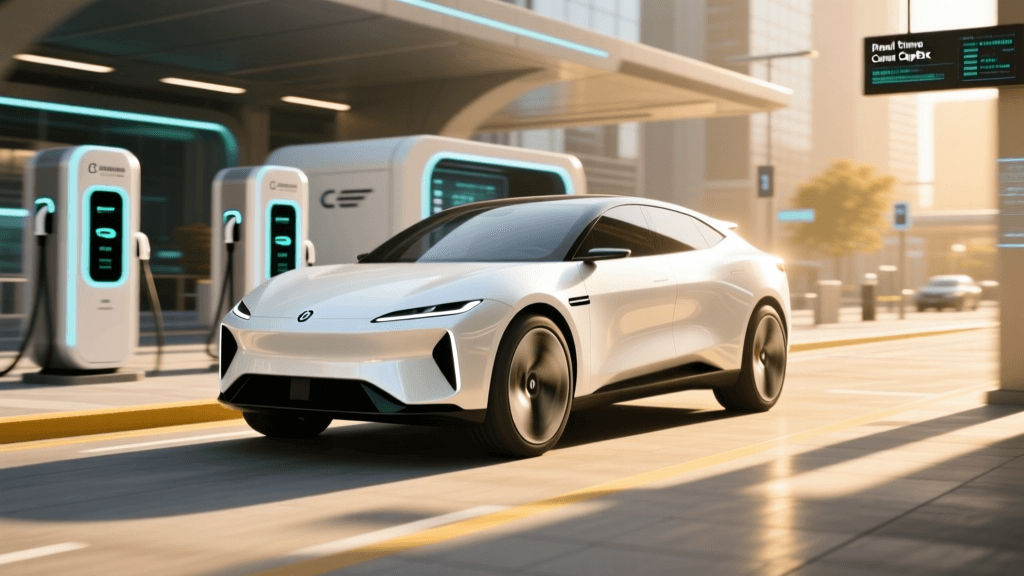
While swapping stations carry a heavier upfront CapEx, they possess a massive operational advantage regarding grid interconnection. A 5-stall 350kW DCFC hub requires up to 1.75 Megawatts (MW) of instantaneous power. In many urban and suburban environments, the local grid simply cannot support this load without massive utility upgrades, including new transformers and dedicated medium-voltage lines. These upgrades can cost upwards of $500,000 and take 12 to 24 months to complete, severely delaying ROI.
Battery swapping stations, however, act as localized energy storage buffers. They draw a steady, low-power trickle (typically 100kW to 200kW) from the grid, charging the spare batteries slowly during off-peak hours when electricity rates are lowest. According to data from the U.S. Department of Energy's Alternative Fuels Data Center, managing grid load and avoiding peak demand charges is one of the most significant operational challenges for modern EV fleet depots. Swapping effectively bypasses the need for expensive utility infrastructure upgrades, making it highly attractive for dense urban environments where grid capacity is maxed out.
Regional Divergence: Why China Swaps and the West Plugs
The investment trends in battery swapping are heavily concentrated in China. The Chinese government has actively included battery swapping in its national infrastructure plans, offering subsidies and standardizing swap mechanisms for commercial vehicles like taxis and heavy-duty trucks. Companies like NIO have built a massive moat around their technology, with the NIO Power network boasting thousands of stations globally, though predominantly in China. NIO's Battery as a Service (BaaS) model allows consumers to buy the vehicle without the battery, lowering the upfront purchase price and generating recurring revenue through swap subscriptions.
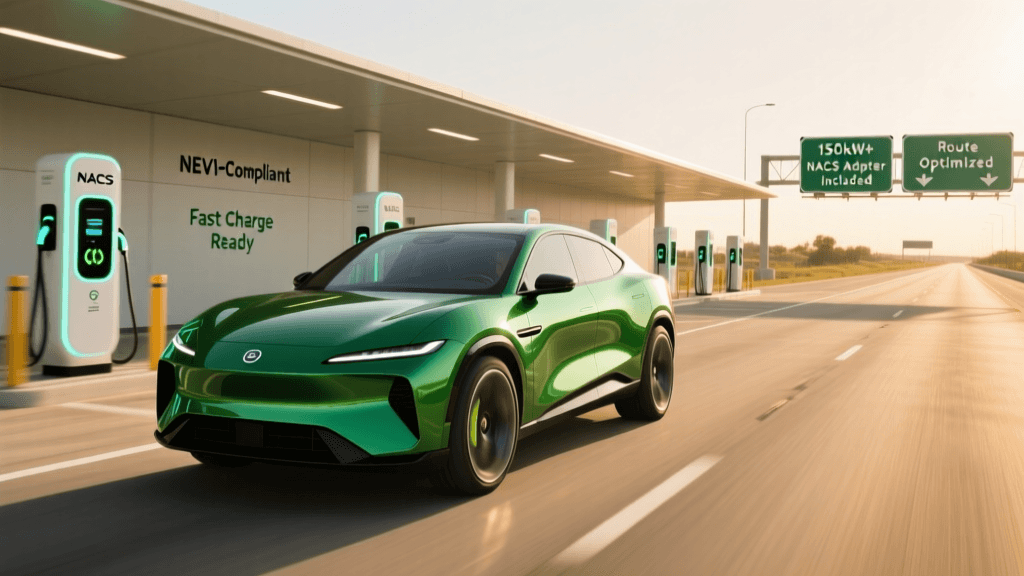
In contrast, North America and Europe have overwhelmingly standardized around plug-in charging. The adoption of the North American Charging Standard (NACS) and the CCS standard in Europe has created a universal plug-and-play ecosystem. The primary barrier to battery swapping in the West is the lack of standardized battery pack architectures. Automakers view their battery skateboard designs as proprietary intellectual property, heavily integrating them into the vehicle's structural rigidity and crash safety systems. Convincing Ford, GM, and Volkswagen to adopt a universal, easily removable battery pack has proven impossible, effectively locking Western capital into DCFC expansion.
The Modularity Factor: Ample and Commercial Fleets
A fascinating middle ground is emerging through companies like Ample, which focuses on modular battery swapping for commercial fleets. Instead of swapping an entire 100kWh structural battery pack, Ample's stations swap standardized, modular battery blocks (ranging from 2kWh to 10kWh each) that fit into proprietary adapters installed in delivery vans and ride-hailing vehicles. This dramatically reduces the CapEx of the station and the cost of spare inventory. By targeting B2B fleets like Uber, Frito-Lay, and municipal vehicles, modular swapping sidesteps the consumer adoption hurdles and focuses purely on maximizing vehicle uptime and minimizing depot grid strain.
The Ultra-Fast Charging Threat to Battery Swapping
Looking toward the late 2020s and 2030s, battery swapping faces an existential threat from advancements in battery chemistry and charging architectures. The proliferation of 800-volt (and eventually 1000-volt) vehicle architectures, seen in vehicles like the Porsche Taycan, Hyundai Ioniq 5, and Kia EV9, allows for ultra-fast charging speeds. When paired with next-generation solid-state batteries—which companies like Toyota and Nissan are racing to commercialize by 2028—vehicles will be able to accept charge rates exceeding 4C to 5C.
This means a 100kWh battery could theoretically charge from 10% to 80% in under 10 minutes. Furthermore, the development of the Megawatt Charging System (MCS) for heavy-duty trucks promises to deliver up to 1.2 MW of power to a single vehicle. If plugging in takes only marginally longer than the physical act of driving into a swap bay, waiting for a robotic arm, and driving out, the core value proposition of battery swapping—speed—evaporates. Investors must weigh the current grid limitations against the rapid pace of solid-state and ultra-fast charging R&D.
Actionable Advice for Fleet Operators and Investors
Based on current infrastructure trends and future technological roadmaps, here is how different stakeholders should approach their capital allocation:
- Urban Delivery Fleets and Last-Mile Logistics: If you operate a dense fleet of delivery vans in older cities with constrained grid capacity, battery swapping (particularly modular systems like Ample) is a highly viable investment. It eliminates the need for multi-million-dollar depot grid upgrades and ensures vehicles remain on the road during peak delivery hours without sitting idle at a charger.
- Highway Corridor and Retail Investors: Avoid battery swapping for consumer-facing highway rest stops. The lack of standardized battery packs across different automotive brands makes a universal swap station impossible in the West. Capital is much better deployed in 350kW+ DCFC plazas equipped with on-site stationary battery energy storage systems (BESS) to buffer grid demand.
- Ride-Hailing and Robotaxi Networks: For high-utilization vehicles that drive 300+ miles a day, downtime is lost revenue. In markets where proprietary swap networks exist (or can be negotiated via fleet partnerships), swapping provides a distinct operational advantage. However, ensure your vehicle procurement strategy aligns with a single automaker's BaaS ecosystem to avoid stranded assets.
- Long-Haul Trucking Operators: Do not invest in heavy-duty battery swapping. The physical size and weight of a 500kWh+ commercial truck battery make automated swapping mechanically complex and dangerous. Focus your investments on the emerging Megawatt Charging System (MCS) standard and depot-based overnight AC charging paired with localized solar and storage.
Future Outlook: Will Swapping Survive the 2030s?
Battery swapping will not replace the plug; rather, it will carve out a highly specific, lucrative niche. The future of EV infrastructure investment is not a zero-sum game between swapping and charging. Instead, the market is bifurcating. DC fast charging will remain the undisputed king of the consumer market and long-distance travel, driven by universal standards and plummeting battery costs. Meanwhile, battery swapping will evolve into a specialized B2B tool, solving the complex grid and uptime challenges faced by urban commercial fleets, heavy-duty municipal vehicles, and emerging markets where grid stability remains a critical barrier to EV adoption.