Understanding the Boost: What "Turbocharged or Supercharged" Means for EV Charging
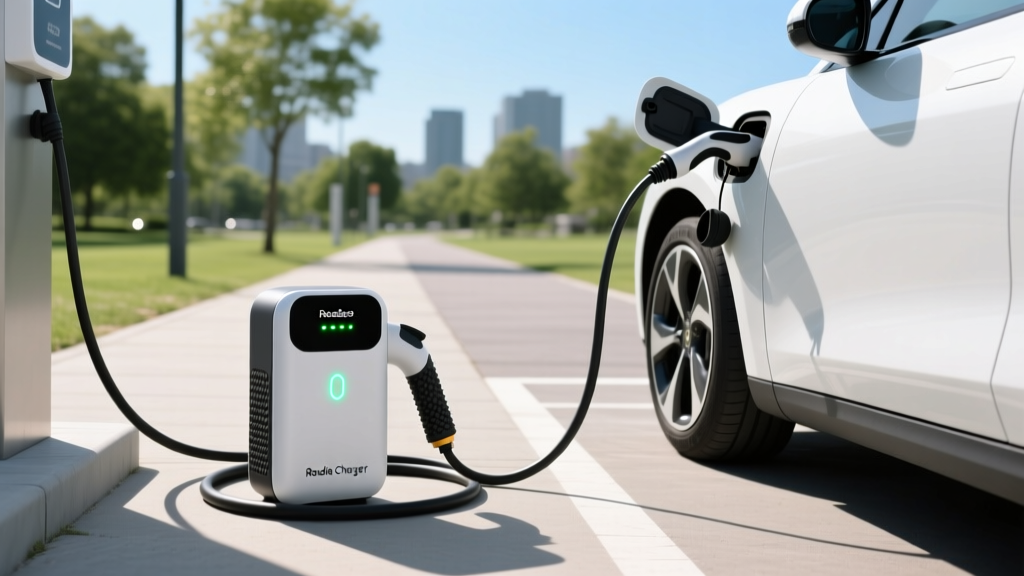
In the internal combustion world, the debate between turbocharged or supercharged engines centers on how air is forced into the cylinders for more power. In the EV world, the analogy holds surprisingly well: your charging setup determines how quickly electrons are forced into your battery pack. A Level 1 trickle is naturally aspirated. A Level 2 home charger is your turbocharger — steady, reliable boost. And a 350 kW DC fast charger? That's the supercharger — brute-force, instant power, with thermal limits that kick in over time.
Whether you're installing your first home charger or mapping out public DC fast-charging routes, understanding the power tiers, connector standards, and real-world costs is what separates an optimized EV owner from one stuck waiting at a 50 kW stall. This guide breaks down every layer with exact numbers.
The Three Charging Levels: Speed, Power, and Miles Per Hour
Every EV sold in the US charges on one of three tiers. The critical distinction: kW (kilowatts) measures power — how fast energy flows. kWh (kilowatt-hours) measures energy — how much your battery holds. Think of kW as the width of the pipe, and kWh as the size of the tank you're filling.
| Level | Voltage | Power (kW) | Miles of Range Added per Hour | Typical Use Case |
|---|---|---|---|---|
| Level 1 | 120V AC | 1.0–1.4 kW | 3–5 mi/hr | Overnight top-off, PHEVs, low-mileage drivers |
| Level 2 | 240V AC | 3.3–19.2 kW | 12–70 mi/hr | Home daily charging, workplace, public destinations |
| DC Fast (Level 3) | 400–800V DC | 50–350 kW | 150–1,200+ mi/hr (peak) | Road trips, highway corridors, rapid top-ups |
Real-world context: A 75 kWh battery (roughly a Tesla Model Y Long Range or Hyundai Ioniq 5) charging at Level 1 (1.4 kW) takes over 50 hours from empty to full — impractical for most BEVs. That same battery on a 48-amp Level 2 circuit (11.5 kW) fills in roughly 6.5 hours. On a 250 kW DC fast charger, you'll hit 10–80% in about 18–25 minutes, depending on the vehicle's charge curve and battery preconditioning.
Home Level 2 Installation: Electrical Requirements, Panel Upgrades, and Costs
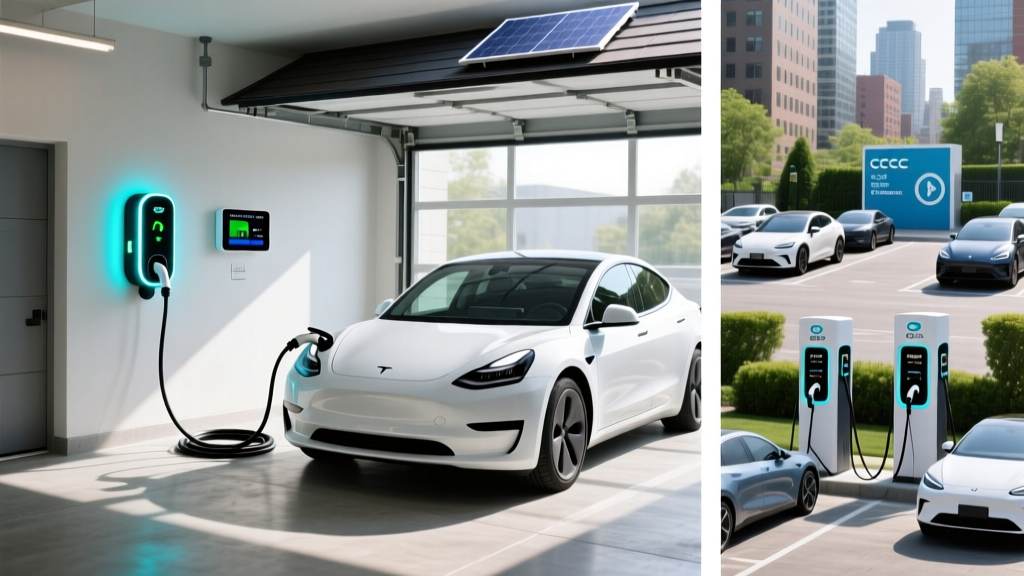
The single biggest variable in home EV charging is your electrical panel. Most homes built after 1990 have a 200-amp main panel, which typically supports a 40-amp or 50-amp dedicated circuit for a Level 2 charger. Older homes with 100-amp service often need an upgrade — and that's where costs escalate fast.
What a Level 2 Circuit Actually Requires
- Voltage: 240V (same as your dryer or oven)
- Amperage: 40A or 50A dedicated breaker (EVSE rated at 32A or 40A continuous draw — NEC requires circuits sized at 125% of continuous load)
- Wire gauge: 6 AWG copper for 50A circuits; 8 AWG for 40A
- Outlet or hardwire: NEMA 14-50 outlet offers portability; hardwired is safer and avoids the NEC 2017+ GFCI breaker requirement for receptacles
- Permit: Required in most US jurisdictions; inspector verifies wire gauge, breaker sizing, and grounding
Installation Cost Breakdown
| Component | Low End | High End | Notes |
|---|---|---|---|
| Level 2 EVSE (charger unit) | $300 | $700 | Smart WiFi models cost more |
| Electrician labor | $400 | $1,500 | Depends on run length, wall material |
| Electrical permit | $50 | $200 | Varies by municipality |
| Panel upgrade (if needed) | $1,500 | $4,000 | 100A→200A service; not always required |
| Total (no panel upgrade) | $750 | $2,400 | Short run, existing 200A panel |
| Total (with panel upgrade) | $2,250 | $6,400 | Older home, long wire run |
Panel upgrade reality check: If your home has a 100-amp panel and you're already running central AC, an electric dryer, and an electric range, adding a 50-amp EV circuit will likely trip your main breaker under peak load. A licensed electrician will perform a load calculation (NEC Article 220) to determine if an upgrade is necessary. Don't skip this step — an overloaded panel is a fire risk.
The federal Residential Clean Energy Credit covers 30% of home charger equipment and installation costs (up to $1,000) through 2032, per IRS guidelines. Some utilities and states offer additional rebates — check your local provider.
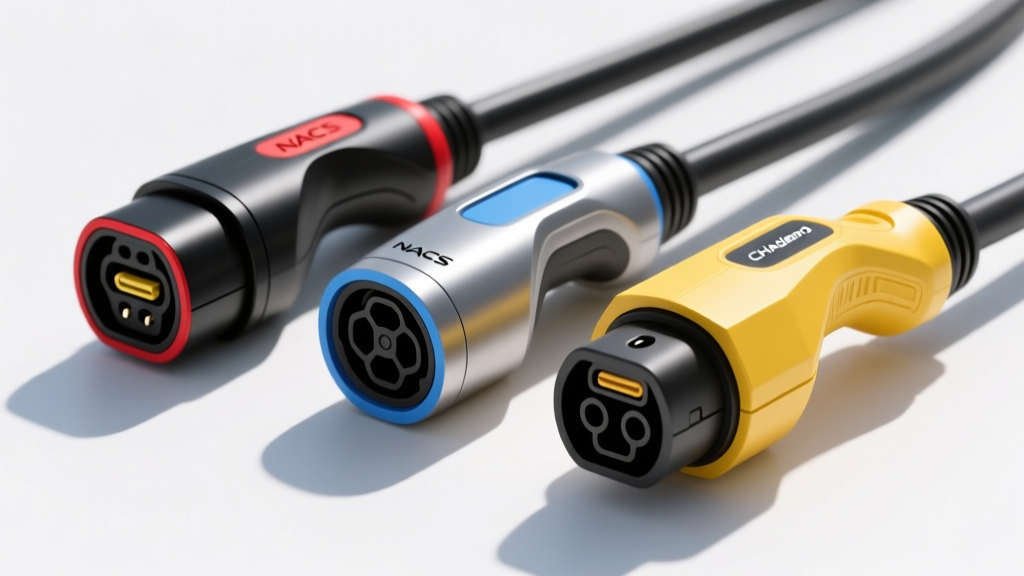
Connector Compatibility: NACS, CCS1, CHAdeMO, and Adapter Realities
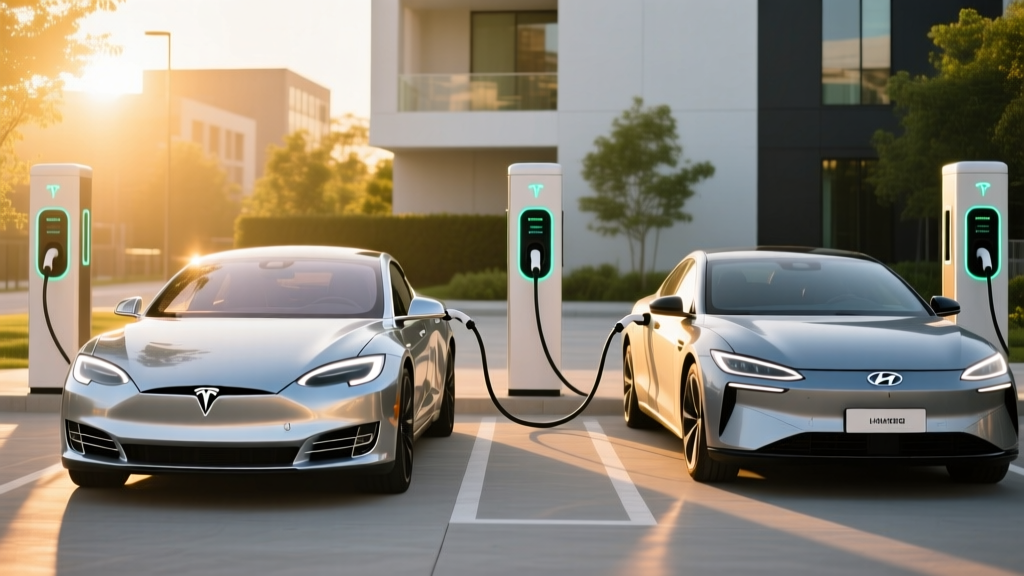
The connector landscape has consolidated significantly since 2024, when Ford, GM, Rivian, Volvo, and others adopted the North American Charging Standard (NACS). By 2026, nearly all new EVs sold in the US ship with a native NACS port, and the CCS1 standard is fading on new models. CHAdeMO remains only on legacy Nissan Leaf and Mitsubishi Outlander PHEV models.
| Connector | Brands Using It (Native) | DC Fast Availability | Adapter Needed? |
|---|---|---|---|
| NACS (Tesla standard) | Tesla, Ford, GM, Rivian, Volvo, Polestar, Mercedes, Hyundai/Kia (2025+), BMW, Toyota | Tesla Superchargers + growing third-party networks | CCS→NACS adapter for older CCS vehicles (~$200–$300) |
| CCS1 | Legacy VW ID.4 (pre-2025), some Stellantis models, older Hyundai/Kia | Electrify America, EVgo, ChargePoint | NACS→CCS adapter if accessing Superchargers |
| CHAdeMO | Nissan Leaf (discontinued), Mitsubishi Outlander PHEV | Declining; some EA and EVgo stations | No reliable CHAdeMO→NACS adapter exists |
Adapter caveat: Official Tesla NACS-to-CCS adapters (for non-Tesla vehicles accessing Superchargers) are rated for up to 250 kW. Third-party adapters vary in thermal management — cheap units can overheat on sustained high-power sessions. Stick with OEM or certified adapters from Lectron or A2Z.
Charging Time Examples: 10–80% for Common Battery Sizes
The 10–80% metric matters more than 0–100% because DC fast charging slows dramatically above 80% to protect battery health (the "charge curve taper"). Here's what to expect across popular 2026 models:
- Tesla Model Y Long Range (75 kWh, NMC): Peak 250 kW at V3 Supercharger — 10–80% in ~15 minutes
- Hyundai Ioniq 5 (77.4 kWh, NMC, 800V architecture): Peak 240 kW at 350 kW station — 10–80% in ~18 minutes
- Ford F-150 Lightning Extended Range (131 kWh, NMC): Peak 150 kW — 10–80% in ~40 minutes
- Chevrolet Equinox EV (85 kWh, NMC): Peak 190 kW — 10–80% in ~27 minutes
- Tesla Model 3 RWD (57.5 kWh, LFP): Peak 170 kW — 10–80% in ~22 minutes
Charge curve reality: Peak kW is not sustained kW. A vehicle advertising "250 kW peak" typically holds that rate for 2–5 minutes before tapering. The Ioniq 5's 800V architecture sustains higher rates longer than 400V platforms, which is why its real-world 10–80% time punches above its peak kW rating.
Cost to Charge: Per-Mile Economics vs. Gasoline
The per-mile cost of driving electric depends heavily on where and when you charge. Here's how common scenarios compare to a 30 MPG gas car at $3.40/gallon:
| Scenario | Rate ($/kWh) | EV Efficiency (kWh/mi) | Cost per Mile | Gas Equivalent (30 MPG @ $3.40) |
|---|---|---|---|---|
| Home off-peak (utility TOU rate) | $0.08–$0.12 | 0.28 (avg BEV) | $0.02–$0.03 | $0.11/mile |
| Home standard rate | $0.14–$0.18 | 0.28 | $0.04–$0.05 | $0.11/mile |
| Public Level 2 (ChargePoint, etc.) | $0.20–$0.35 | 0.28 | $0.06–$0.10 | $0.11/mile |
| DC Fast (Electrify America, EVgo) | $0.35–$0.55 | 0.28 | $0.10–$0.15 | $0.11/mile |
| Tesla Supercharger (member pricing) | $0.25–$0.35 | 0.26 (Model Y) | $0.07–$0.09 | $0.11/mile |
Bottom line: Home charging on an off-peak rate delivers fuel costs roughly 70–80% below gasoline. Heavy reliance on DC fast charging erases most of that advantage — which is why Level 2 home access remains the single biggest predictor of EV ownership satisfaction. According to fueleconomy.gov, the average US electricity rate for EV charging translates to an equivalent of roughly $1.20–$1.50 per gallon of gasoline.
Equipment Picks: Level 2 Chargers for Every Setup
Not all EVSEs are created equal. Here are proven 2026 units across price tiers:
Emporia Level 2 Smart EVSE — Best Value
- Power: 48A / 11.5 kW (hardwired) or 40A / 9.6 kW (NEMA 14-50)
- Connector: NACS native (J1772 adapter included)
- Cable length: 24 ft
- Smart features: WiFi, energy monitoring, solar integration, scheduling via app
- Price: ~$399
- Best for: Budget-conscious buyers who want smart scheduling and energy data
ChargePoint Home Flex — Most Flexible
- Power: Adjustable 16A–50A / up to 12 kW (dip-switch configurable)
- Connector: NACS native (2025+ models)
- Cable length: 23 ft
- Smart features: WiFi, Alexa integration, charge scheduling, load sharing (two units on one circuit)
- Price: ~$599
- Best for: Homes with limited panel capacity who need adjustable amperage
Tesla Wall Connector — Best for Tesla/NACS Owners
- Power: 48A / 11.5 kW
- Connector: NACS native
- Cable length: 24 ft
- Smart features: WiFi, power sharing (up to 6 units on one breaker), OTA updates
- Price: ~$450
- Best for: Multi-Tesla households; cleanest integration with Tesla vehicles
Grizzl-E Smart — Most Durable / Cold-Climate Pick
- Power: 40A / 9.6 kW
- Connector: J1772 (NACS adapter available) or NACS native
- Cable length: 24 ft
- Smart features: OCPP-compatible, works with utility demand-response programs
- Price: ~$499
- Best for: Outdoor installations in cold climates; rated to -40°F, NEMA 4 enclosure
Safety, Code, and Installation Non-Negotiables
EV charging draws sustained high current for hours — unlike a dryer that cycles on and off. This places unique demands on your wiring. The National Electrical Code (NEC) treats EVSE as a continuous load, requiring circuits rated at 125% of the charger's maximum draw. A 40-amp charger needs a 50-amp breaker.
- Dedicated circuit: Your EVSE must have its own breaker — never share with other appliances
- GFCI protection: NEC 2017+ requires GFCI for receptacle-based (NEMA 14-50) installations. Hardwired units avoid this requirement and eliminate nuisance trips
- Outdoor rating: If mounting outside, ensure the EVSE carries a NEMA 4 or NEMA 4X rating for weather resistance
- Cable management: Use a holster or retractable reel — cables on the ground degrade, collect moisture, and pose trip hazards
- Utility notification: Some utilities require notification for new EVSE installs and may offer TOU (time-of-use) rate plans that dramatically cut charging costs
Frequently Asked Questions
How much does it cost to install a home EV charger?
Expect $750–$2,400 for a straightforward Level 2 installation on an existing 200-amp panel with a short wire run. If your home needs a panel upgrade (100A to 200A), total costs can reach $2,250–$6,400. The federal Residential Clean Energy Credit covers 30% of equipment and installation (up to $1,000) through 2032.
How fast will each charging level add range?
Level 1 (120V) adds 3–5 miles per hour. Level 2 (240V, 48A) adds roughly 30–40 miles per hour for a typical BEV. DC fast charging adds 150–1,200+ miles per hour at peak, but sustained rates taper above 80% State of Charge. A practical road-trip stop adds 150–200 miles in 15–20 minutes on a 250+ kW charger.
Which connector/charger is compatible with my EV?
If your EV is a 2025+ model from Tesla, Ford, GM, Rivian, Hyundai, Kia, or most other major brands, it likely has a native NACS port. Older EVs (pre-2025) from VW, Hyundai, or Kia may use CCS1 and require an adapter for Tesla Supercharger access. CHAdeMO is limited to the Nissan Leaf and Mitsubishi Outlander PHEV. Check your owner's manual or the fueleconomy.gov database for your specific model.
How much does charging cost per mile vs gas?
Home charging on off-peak rates costs $0.02–$0.05 per mile — roughly 50–80% less than a 30 MPG gas car at $3.40/gallon ($0.11/mile). Public DC fast charging at $0.40–$0.55/kWh can match or slightly exceed gas costs, which is why home Level 2 access is the key to EV economics.
What electrical upgrades might I need?
The most common upgrade is a 100A-to-200A panel replacement ($1,500–$4,000). Some homes also need a new meter socket or utility service drop. A licensed electrician will perform a NEC Article 220 load calculation to determine if your existing panel can handle the added EV circuit. Homes with gas appliances (dryer, range, furnace) typically have more electrical headroom than all-electric homes.
Is a turbocharged or supercharged charging setup worth the investment?
If "turbocharged" means a 48-amp Level 2 home charger, then yes — it's the single highest-ROI upgrade for EV ownership, adding 30–40 miles of range per hour and cutting fuel costs to $0.03–$0.05 per mile. A "supercharged" setup (relying primarily on DC fast charging) is practical only if you lack home charging access, but expect to pay 3–5× more per mile and face availability constraints during peak travel times.