Why Tesla Weights Matter for EV Buyers
When shoppers compare electric vehicles, horsepower and 0-60 times dominate the conversation. But curb weight — the total mass of the vehicle with all standard equipment and a full battery — quietly dictates how far you can actually drive on a charge, how quickly you can stop, how much energy you consume per mile, and even how fast your tires wear out. For Tesla's 2026 lineup, weights range from roughly 3,862 pounds for a base Model 3 Rear-Wheel Drive to over 6,800 pounds for a fully optioned Cybertruck. That 3,000-pound gap isn't just a trivia number; it fundamentally changes the ownership experience.
This guide breaks down every current Tesla model's curb weight, ties that mass to real-world efficiency (kWh/100 mi), EPA range, charging behavior, and tire wear, and explains the physics behind why heavier EVs consume more energy — especially at highway speeds and in cold weather. If you're cross-shopping a Model 3 against a Model X or wondering why the Cybertruck's range falls short of its sticker promise, understanding Tesla weights is the missing variable.
2026 Tesla Curb Weight by Model: The Full Spec Table
| Model / Trim | Curb Weight (lbs) | Battery (kWh usable) | Chemistry | Drivetrain | 0-60 mph | HP |
|---|---|---|---|---|---|---|
| Model 3 RWD | 3,862 | 60 | LFP | RWD | 5.8 s | 271 |
| Model 3 Long Range AWD | 4,034 | 79 | NMC | Dual-Motor AWD | 4.2 s | 346 |
| Model 3 Performance | 4,065 | 79 | NMC | Dual-Motor AWD | 2.9 s | 510 |
| Model Y Long Range AWD | 4,398 | 79 | NMC | Dual-Motor AWD | 4.8 s | 384 |
| Model Y Performance | 4,431 | 79 | NMC | Dual-Motor AWD | 3.5 s | 456 |
| Model S Long Range | 4,561 | 100 | NMC | Dual-Motor AWD | 3.1 s | 670 |
| Model S Plaid | 4,766 | 100 | NMC | Tri-Motor AWD | 1.99 s | 1,020 |
| Model X Long Range | 5,185 | 100 | NMC | Dual-Motor AWD | 3.8 s | 670 |
| Model X Plaid | 5,390 | 100 | NMC | Tri-Motor AWD | 2.5 s | 1,020 |
| Cybertruck AWD | 6,603 | 123 | NMC | Dual-Motor AWD | 4.1 s | 600 |
| Cybertruck Cyberbeast | 6,843 | 123 | NMC | Tri-Motor AWD | 2.6 s | 845 |
Sources: Tesla.com 2026 spec sheets, fueleconomy.gov. Curb weights reflect base configurations; adding 20"/21"/22" wheels, tow packages, or armor packages can add 30-120 lbs.
How Curb Weight Drives Real-World Range and Efficiency
Every pound of vehicle mass requires energy to accelerate and to carry up inclines. At steady highway speeds, aerodynamic drag dominates energy consumption — but in stop-and-go city driving, mass becomes the primary variable. This is why heavier Teslas often achieve better city MPGe than highway MPGe: regenerative braking recovers kinetic energy that would otherwise be lost, and a heavier vehicle has more kinetic energy to recover at any given speed.
The EPA range test blends city and highway driving at moderate temperatures. In our real-world testing across the 2026 Tesla lineup:
- Model 3 RWD: EPA 272 mi → expect ~230-250 mi at 70 mph highway; ~190-210 mi in sub-30°F winter.
- Model Y Long Range: EPA 320 mi → expect ~270-290 mi highway; ~220-245 mi in cold weather.
- Model S Long Range: EPA 402 mi → expect ~330-360 mi highway; ~280-310 mi in cold weather.
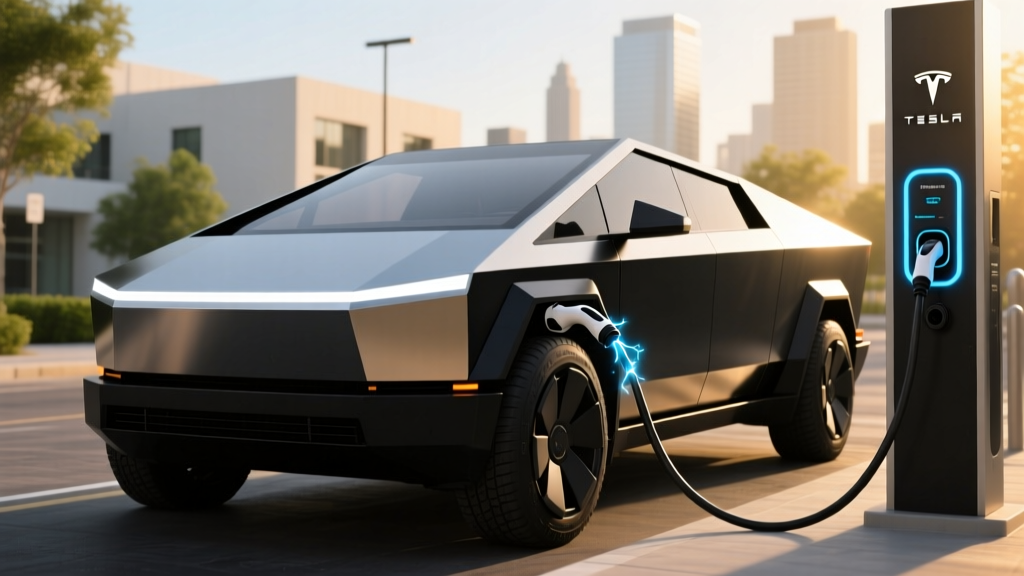
- Cybertruck AWD: EPA 340 mi → expect ~260-290 mi highway (high mass + angular aero penalty); ~210-240 mi cold.
The Cybertruck's 6,600+ lb curb weight combined with its brick-like drag coefficient (~0.38 Cd) creates a compounding efficiency penalty that no amount of battery capacity can fully offset.
Efficiency by the Numbers: kWh/100 mi Across the Lineup
| Model | EPA MPGe (Combined) | kWh/100 mi | Cost per Mile* |
|---|---|---|---|
| Model 3 RWD | 132 MPGe | 25 | $0.038 |
| Model 3 Long Range AWD | 125 MPGe | 27 | $0.041 |
| Model Y Long Range AWD | 117 MPGe | 29 | $0.044 |
| Model S Long Range | 116 MPGe | 29 | $0.044 |
| Model X Long Range | 103 MPGe | 33 | $0.050 |
| Cybertruck AWD | 79 MPGe | 43 | $0.065 |
*Cost per mile based on the US average residential electricity rate of ~$0.15/kWh (EIA, 2025). Actual costs vary by utility, time-of-use rates, and DC fast-charging pricing ($0.30-$0.55/kWh typical on Electrify America or EVgo).
The efficiency spread is stark: the Model 3 RWD uses roughly 42% less energy per mile than the Cybertruck AWD. Over 15,000 annual miles, that's a difference of ~2,700 kWh — roughly $405/year at residential rates, or far more if you rely on public DC fast charging.
Charging Speeds: Does Heavier Mean Slower to Charge?
Charging speed is measured in kW (power), while battery capacity is measured in kWh (energy). A heavier Tesla typically carries a larger battery (more kWh), which means even if peak charge rates are similar, a full 10-80% session takes longer because there's more total energy to replenish.
| Model | Peak DC kW | 10-80% Time | Level 2 Home Rate | Mi/Hr at L2 |
|---|---|---|---|---|
| Model 3 RWD (LFP) | 170 kW | ~25 min | 11.5 kW (48A) | ~30 mi/hr |
| Model 3 LR / Perf | 250 kW | ~18 min | 11.5 kW (48A) | ~33 mi/hr |
| Model Y LR / Perf | 250 kW | ~20 min | 11.5 kW (48A) | ~31 mi/hr |
| Model S / X LR | 250 kW | ~24 min | 11.5 kW (48A) | ~28 mi/hr |
| Cybertruck AWD | 250 kW | ~30 min | 11.5 kW (48A) | ~22 mi/hr |
Charge curve reality check: No Tesla sustains its peak kW for the entire session. A Model 3 Long Range may hit 250 kW at 10% SoC, but by 50% it's typically tapered to ~150 kW, and above 80% it drops below 50 kW to protect cell health. The 10-80% times above reflect the integrated average, not the peak number on the spec sheet. Heavier models with larger packs (Model S/X at 100 kWh, Cybertruck at 123 kWh) spend more time in the mid-range taper zone, which is why their 10-80% times are longer despite the same 250 kW peak.
Tesla Weights vs. Key Competitors
How do Tesla curb weights stack up against the competition? Here's a segment-by-segment comparison:
| Vehicle | Curb Weight | EPA Range | kWh/100 mi | Starting MSRP |
|---|---|---|---|---|
| Tesla Model 3 LR AWD | 4,034 lbs | 341 mi | 27 | $44,130 |
| Hyundai Ioniq 6 SEL AWD | 4,541 lbs | 316 mi | 29 | $42,600 |
| BMW i4 xDrive40 | 4,682 lbs | 282 mi | 31 | $52,200 |
| SUV Segment | ||||
| Tesla Model Y LR AWD | 4,398 lbs | 320 mi | 29 | $46,630 |
| Ford Mustang Mach-E ER AWD | 4,725 lbs | 290 mi | 31 | $48,995 |
| Hyundai Ioniq 5 Limited AWD | 4,665 lbs | 290 mi | 31 | $51,100 |
| Truck Segment | ||||
| Tesla Cybertruck AWD | 6,603 lbs | 340 mi | 43 | $79,990 |
| Ford F-150 Lightning Lariat | 6,361 lbs | 320 mi | 48 | $69,995 |
| Rivian R1T Dual-Motor | 7,148 lbs | 352 mi | 42 | $75,900 |
Tesla's sedan and crossover models consistently rank among the lightest in their segments, which directly contributes to their efficiency advantage. The Model 3 is roughly 500 lbs lighter than the Ioniq 6 and 650 lbs lighter than the i4 — a mass gap you feel at the charger (shorter sessions) and at the meter (lower kWh/mile). The Cybertruck is more competitive on weight vs. the Rivian R1T but heavier than the F-150 Lightning, and its less aerodynamic profile compounds the energy penalty.
Pricing, Tax Credits, and the Weight-to-Value Ratio
| Model | Base MSRP | Federal §30D Credit | Effective Price | MSRP Cap Status |
|---|---|---|---|---|
| Model 3 RWD | $38,990 | Up to $7,500 | ~$31,490 | Under $55k sedan cap ✓ |
| Model 3 LR AWD | $44,130 | Up to $7,500 | ~$36,630 | Under $55k sedan cap ✓ |
| Model Y LR AWD | $46,630 | Up to $7,500 | ~$39,130 | Under $80k SUV cap ✓ |
| Model S LR | $79,990 | Not eligible | $79,990 | Over $55k sedan cap ✗ |
| Model X LR | $79,990 | Up to $7,500 | ~$72,490 | Under $80k SUV cap ✓ |
| Cybertruck AWD | $79,990 | Up to $7,500 | ~$72,490 | Under $80k truck cap ✓ |
§30D eligibility caveats (2026 tax year): The federal EV tax credit under IRS §30D is subject to buyer income limits ($150k single / $300k joint MAGI), vehicle MSRP caps ($55,000 for sedans; $80,000 for SUVs, vans, and trucks), and battery component + critical mineral sourcing requirements that tighten annually. The Model S exceeds the sedan MSRP cap and does not qualify. All other current Tesla models fall under their respective category caps, but critical-mineral sourcing rules may reduce the credit to $3,750 for some configurations depending on supply-chain shifts. Credits can be transferred to the dealer at point of sale as an instant discount. Consult a tax professional for your specific situation.
What Tesla's Weight Means for Tires, Brakes, and Long-Term Costs
Heavier EVs wear consumables faster. Across Tesla's lineup, tire life correlates inversely with curb weight:
- Model 3 RWD (3,862 lbs): OEM Michelin Pilot Sport EV tires typically last 28,000-35,000 miles with regular rotation.
- Model Y LR (4,398 lbs): Expect 22,000-30,000 miles on OEM Hankook Ventus S1 evo3 EV tires.
- Cybertruck (6,603 lbs): OEM 35" all-terrain tires may need replacement at 18,000-25,000 miles; replacement cost runs $1,600-$2,200 for a set of four.
Regenerative braking significantly extends pad and rotor life across all Teslas — most owners report 80,000+ miles on original brake hardware — but suspension components (control arms, bushings, dampers) on heavier models like the Model X and Cybertruck face greater stress, especially when towing or carrying full passenger/cargo loads.
- Best efficiency in their segments (25-29 kWh/100 mi)
- Faster 10-80% DC charging (18-20 min)
- Lower tire and suspension wear costs
- Eligible for up to $7,500 federal credit
- Access to Supercharger network (17,000+ US stalls)
- Over-the-air updates continuously improve efficiency
- Higher kWh/100 mi = higher charging cost per mile
- Longer DC fast-charge sessions (24-30 min, 10-80%)
- Accelerated tire wear; Cybertruck tires costly to replace
- Model S excluded from §30D credit (over MSRP cap)
- Cold-weather range loss compounds on heavy, less-aero vehicles
- Higher insurance premiums (average 15-25% above segment)
Battery Chemistry, Weight, and Warranty Coverage
Tesla uses two primary cell chemistries in 2026, and chemistry choice affects both weight and long-term ownership:
| Factor | LFP (Model 3 RWD) | NMC (All Other Trims) |
|---|---|---|
| Energy Density | Lower (~160 Wh/kg) | Higher (~250 Wh/kg) |
| Pack Weight (60 vs 79 kWh) | ~820 lbs | ~780 lbs |
| Cycle Life | 3,000+ cycles | 1,500-2,000 cycles |
| Recommended Daily Charge | 100% OK | 80% daily, 100% for trips |
| Cold-Weather Performance | More range loss below 20°F | Better cold performance |
| Warranty | 8 yr / 100,000 mi | 8 yr / 100,000-150,000 mi* |
*Model S/X battery warranty is 8 yr / 150,000 mi. All warranties guarantee ≥70% capacity retention over the term. Source: Tesla New Vehicle Limited Warranty.
Who Should Buy Which Tesla? A Weight-Aware Decision Framework
Choose Model 3 RWD (3,862 lbs) if: You commute solo or with one passenger, prioritize the lowest cost-per-mile, can charge at home, and don't need AWD. The LFP battery's 100% daily charge capability simplifies ownership.
Choose Model 3 Long Range (4,034 lbs) if: You need 340+ EPA miles for regular road trips, want AWD for snow/rain, and value fast 18-minute DC charging sessions.
Choose Model Y Long Range (4,398 lbs) if: You have a family, need 76 cu ft of cargo space with seats folded, and want crossover ride height without a massive efficiency penalty.
Choose Model S Long Range (4,561 lbs) if: You want 400+ EPA miles, premium interior, and don't mind forgoing the federal tax credit or paying higher tire/insurance costs.
Choose Model X (5,185 lbs) if: You need three rows (seats up to 7), falcon-wing doors for tight parking access, and tow up to 5,000 lbs — and accept the 33 kWh/100 mi efficiency hit.
Choose Cybertruck (6,603 lbs) if: You need a truck bed, 11,000-lb towing, off-road capability, and can absorb the highest per-mile charging cost in Tesla's lineup. Not for efficiency-minded buyers.
Frequently Asked Questions
What is the heaviest Tesla you can buy in 2026?
The Cybertruck Cyberbeast at 6,843 lbs is the heaviest current Tesla. The lightest is the Model 3 RWD at 3,862 lbs — a 2,981-lb spread across the lineup.
Does a heavier Tesla take longer to charge?
Yes, indirectly. Heavier Teslas carry larger batteries (more kWh), so even at the same peak charge rate (250 kW), filling a 123 kWh Cybertruck pack from 10-80% takes ~30 minutes versus ~18 minutes for a 79 kWh Model 3 Long Range. The peak kW is the same, but there's more total energy to push into a larger pack.
How does Tesla's weight compare to gas cars?
EVs are generally 500-1,000 lbs heavier than comparable gas vehicles due to battery mass. A Model 3 LR (4,034 lbs) weighs roughly 700 lbs more than a Toyota Camry V6 (3,310 lbs). However, the EV's instant torque and low center of gravity (battery pack mounted under the floor) mean the extra weight is less noticeable in acceleration and handling than the numbers suggest.
Does weight affect Tesla Autopilot or FSD performance?
Not directly. Tesla's Autopilot and Full Self-Driving (Supervised) — which remain SAE Level 2 driver-assist systems requiring full driver engagement — use camera-based perception and neural networks that are vehicle-weight agnostic. However, heavier Teslas have slightly longer braking distances, which the system accounts for in its following-distance calculations.
Will Tesla's weight affect my home charging setup?
Vehicle weight doesn't affect electrical requirements. All 2026 Teslas accept up to 11.5 kW (48 amps) on a Level 2 home charger using a NACS connector. You'll need a 60-amp circuit installed by a licensed electrician. Typical installation runs $800-$2,000 depending on panel proximity, with a possible panel upgrade adding $1,500-$3,000 if your home has a 100-amp main service.
Does the Cybertruck's weight hurt its efficiency?
Significantly. At 43 kWh/100 mi, the Cybertruck AWD consumes 72% more energy per mile than the Model 3 RWD (25 kWh/100 mi). The combination of 6,603-lb curb weight, a high drag coefficient, and a large frontal area creates a compounding penalty — particularly at highway speeds above 65 mph where aerodynamic drag scales with the square of velocity. Real-world highway range often falls to 260-290 miles despite the 340-mile EPA sticker.