The Short Answer: Yes, You Pay for Tesla Superchargers
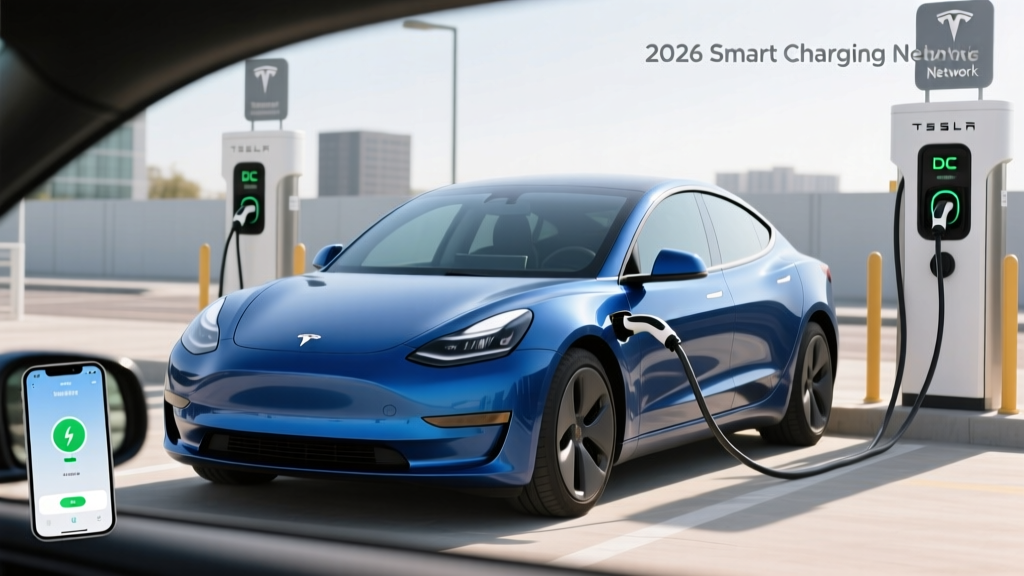
If you're wondering do you pay for Tesla Supercharger stations, the answer is yes — with rare exceptions. Tesla phased out its legacy free unlimited Supercharging program years ago. Today, nearly every Tesla owner pays per kilowatt-hour (kWh) or per minute at Supercharger stalls, and the network has also opened to non-Tesla EVs via the North American Charging Standard (NACS).
As of early 2026, Supercharger pricing in the U.S. typically ranges from $0.25 to $0.50 per kWh depending on location, time of day, and whether you're a Tesla owner or a non-Tesla driver using the network via the Tesla app. In select urban corridors, Tesla has also introduced idle fees of up to $1.00 per minute if your vehicle remains plugged in after reaching its charge limit — a real cost if you step away for a long lunch.
A few Model S and Model X vehicles purchased under legacy promotions still carry free Supercharging credits, but these are increasingly rare and often tied to the original owner (non-transferable on resale). For the vast majority of buyers in 2026, Supercharging is a pay-per-use service, and understanding the full economics — compared to home charging and other public networks — is essential before you commit to EV ownership.
Charging Levels Explained: Speeds, kW, and Miles Per Hour
Before comparing costs, you need to understand the three charging levels available to EV owners. The critical distinction: kW (kilowatts) measures power — how fast energy flows into your battery. kWh (kilowatt-hours) measures energy — the total capacity of your battery. Think of kW as the width of a hose and kWh as the size of the bucket.
| Level | Voltage | Power (kW) | Miles of Range Added Per Hour | Typical Use Case |
|---|---|---|---|---|
| Level 1 | 120V AC | 1.0 – 1.4 kW | 3 – 5 mi/hr | Overnight trickle, PHEVs, emergency top-ups |
| Level 2 | 240V AC | 7.2 – 19.2 kW | 20 – 75 mi/hr | Home daily charging, workplace, hotels |
| DC Fast Charge | 400V–800V DC | 50 – 350 kW | 150 – 1,200+ mi/hr (peak) | Road trips, highway corridors, quick stops |
A few real-world charging time examples for common battery sizes (10% to 80% state of charge):
- Tesla Model Y (75 kWh usable, NMC): ~25 minutes at a V3 Supercharger (peak 250 kW); ~6–8 hours on a 48A Level 2 home charger (11.5 kW).
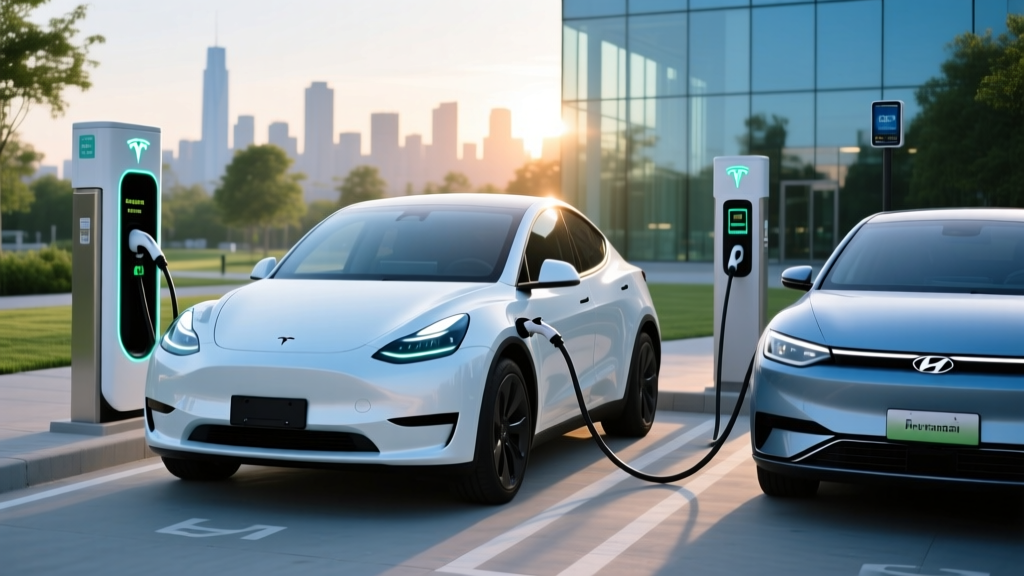
- Hyundai Ioniq 5 (77.4 kWh usable, NMC, 800V architecture): ~18 minutes at a 350 kW Electrify America stall; ~7 hours on a 48A Level 2.
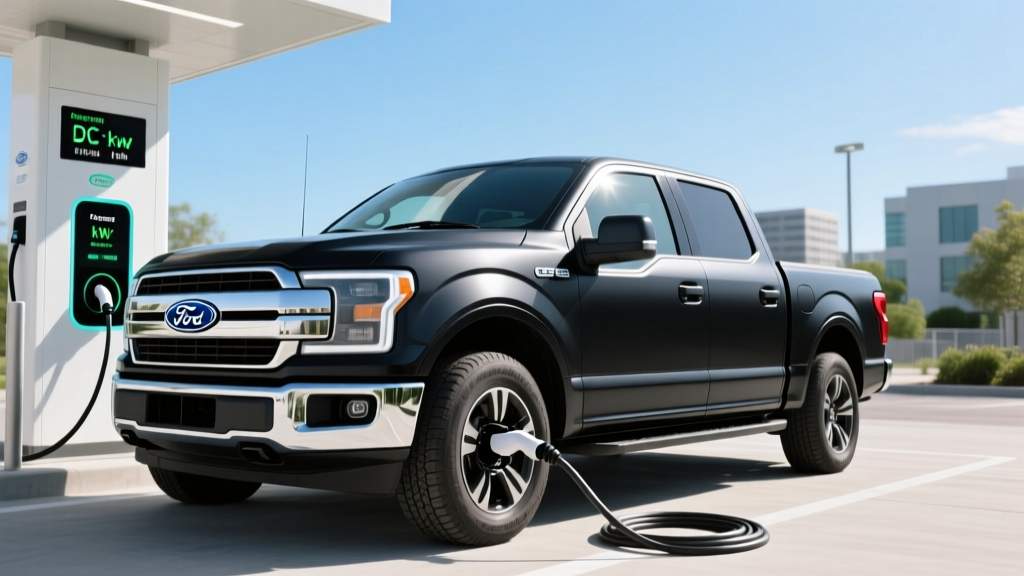
- Ford F-150 Lightning Extended Range (131 kWh usable, NMC): ~41 minutes at a 150 kW DC fast charger (peak limited); ~12+ hours on a 48A Level 2.
Charge curve reality check: No EV sustains its peak charge rate for the full session. A Tesla Model Y may hit 250 kW at 10% state of charge, but it will taper to roughly 100 kW by 50% and drop below 50 kW past 80%. That's why manufacturers and reviewers quote 10–80% times — the final 20% is painfully slow and best reserved for destination charging overnight.
Tesla Supercharger Costs vs. Home Charging vs. Gas
The economics of EV charging depend heavily on where you charge. Here's how common scenarios break down in 2026:
| Charging Scenario | Typical Cost per kWh | Cost per Mile (at 3.5 mi/kWh) | Notes |
|---|---|---|---|
| Home Level 2 (national avg. electricity) | $0.16 | $0.046 | Based on EIA average residential rate |
| Home Level 2 (off-peak TOU rate) | $0.08 – $0.12 | $0.023 – $0.034 | Time-of-use plans, overnight charging |
| Tesla Supercharger (avg. U.S.) | $0.30 – $0.40 | $0.086 – $0.114 | Varies by city, peak/off-peak pricing |
| Electrify America / EVgo (DC fast) | $0.35 – $0.55 | $0.10 – $0.157 | Subscription plans can reduce per-kWh cost |
| Gasoline (avg. $3.50/gal, 28 MPG combined) | — | $0.125 | Based on fueleconomy.gov combined MPG for midsize ICE sedans |
The bottom line: Home charging at off-peak rates is roughly 3–5× cheaper per mile than gasoline. Supercharging is competitive with gas on a per-mile basis, but relying exclusively on DC fast charging erodes the EV cost advantage and accelerates battery degradation due to sustained high-heat cycles. Most owners who charge at home 80–90% of the time and use Superchargers only for road trips report the strongest total-cost-of-ownership savings.
How Much Does It Cost to Install a Home EV Charger?
Installing a Level 2 home charger is the single most impactful upgrade for EV ownership. Costs vary enormously based on your electrical panel's capacity, the distance from panel to charger location, and local permit requirements.
| Cost Component | Typical Range | Details |
|---|---|---|
| Level 2 Charger Equipment | $350 – $750 | Hardwired 48A units; plug-in NEMA 14-50 models slightly less |
| Electrician Labor (standard install) | $500 – $1,500 | Short run from a 200A panel to a nearby garage wall |
| Permit & Inspection Fees | $50 – $300 | Varies by municipality; some jurisdictions waive for EV installs |
| Electrical Panel Upgrade (if needed) | $1,500 – $4,000 | Upgrading from 100A to 200A service; common in pre-1990 homes |
| Total (no panel upgrade) | $900 – $2,550 | Most homes with 200A service fall in this range |
| Total (with panel upgrade) | $2,400 – $6,550 | Older homes or those adding multiple high-draw circuits |
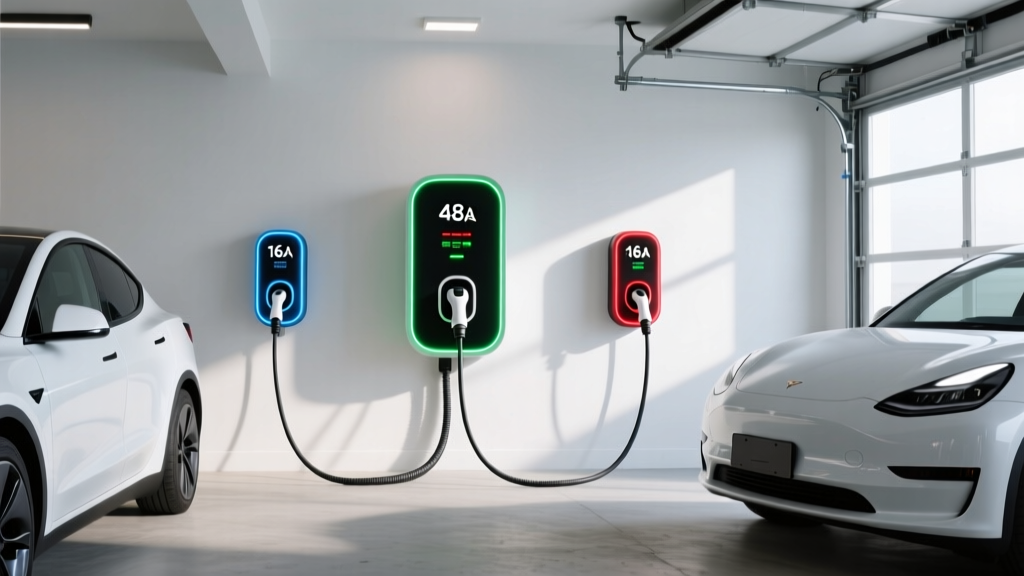
Electrical requirements for a typical 48A Level 2 charger: You'll need a dedicated 240V/60A circuit (the National Electrical Code requires the circuit to be rated at 125% of the continuous load, so a 48A charger needs a 60A breaker). If you opt for a plug-in charger using a NEMA 14-50 outlet, the circuit is typically 50A, limiting you to 40A continuous (9.6 kW). Hardwired installations allow higher amperage and avoid the GFCI breaker nuisance-tripping issues that have plagued some NEMA 14-50 setups.
Panel upgrade gotcha: If your home has a 100A main panel — common in homes built before 1990 — adding a 60A EV circuit may exceed your panel's capacity, especially if you already have electric range, dryer, and A/C loads. A licensed electrician will perform a load calculation per NEC Article 220. Budget for the possibility, and get at least two quotes.
The federal Residential Clean Energy Credit (IRS §25D) covers 30% of home EV charger equipment and installation costs, up to $1,000, for equipment placed in service through 2032. Some states and utilities offer additional rebates — check your local utility's EV program page before scheduling work.
Connector Compatibility: NACS, CCS, and CHAdeMO
The connector landscape in 2026 has consolidated significantly. Tesla's North American Charging Standard (NACS) has become the dominant connector in the U.S., with Ford, GM, Rivian, Volvo, BMW, Hyundai, and most other major automakers adopting it for new vehicles starting in the 2025–2026 model years.
| Connector | Brands Using It (2026 Models) | Adapter Needed for Tesla Superchargers? |
|---|---|---|
| NACS (Tesla) | Tesla (all), Ford, GM, Rivian, Volvo, Polestar, BMW, Hyundai, Kia, Mercedes-Benz | No — native NACS plug fits directly |
| CCS1 (Combo) | Legacy models (pre-2025 VW ID.4, older Bolt EV, some Stellantis PHEVs) | Yes — CCS-to-NACS adapter (~$150–$250) required for Tesla Superchargers |
| CHAdeMO | Nissan Leaf (discontinued in U.S.), Mitsubishi Outlander PHEV (legacy) | Limited — very few CHAdeMO-to-NACS adapters; rely on Electrify America CHAdeMO stalls |
If you own a CCS-equipped EV from model year 2024 or earlier, you'll likely need a manufacturer-approved CCS-to-NACS adapter to access Tesla Superchargers. Tesla sells an official adapter, and third-party options from brands like Lectron and A2Z are available. Always verify the adapter supports the full kW rating of your vehicle's DC fast-charge capability — cheap adapters may cap at 50 kW or lack proper thermal management.
For home Level 2 charging, all EVs sold in the U.S. use the J1772 connector (or a NACS connector that is backward-compatible with J1772 via adapter). Most Level 2 home chargers ship with a J1772 plug; Tesla provides a J1772-to-NACS adapter in the glovebox of every new vehicle.
Recommended Home Level 2 Chargers for 2026
ChargePoint Home Flex
- Power Output: Up to 12 kW (50A) on a 60A circuit, or up to 9.6 kW (40A) on a 50A NEMA 14-50
- Connector: J1772 (NACS vehicles use included adapter)
- Cable Length: 23 feet
- Smart Features: Wi-Fi connected, ChargePoint app scheduling, Alexa integration, energy tracking
- Price: ~$550–$650
- Best For: Most EV owners; flexible amperage settings let you match your circuit
Tesla Wall Connector
- Power Output: Up to 11.5 kW (48A) hardwired on a 60A circuit
- Connector: Native NACS (J1772 adapter available separately)
- Cable Length: 24 feet
- Smart Features: Wi-Fi updates, Tesla app integration, Power-Share for dual-unit load balancing, integrated cable management
- Price: ~$475
- Best For: Tesla owners who want native NACS plug and clean aesthetic; also works with non-Tesla NACS vehicles
Emporia Vue Level 2 Charger
- Power Output: Up to 11.5 kW (48A) hardwired, or 9.6 kW (40A) on NEMA 14-50
- Connector: J1772
- Cable Length: 24 feet
- Smart Features: Integrates with Emporia Vue home energy monitor, solar-aware scheduling, real-time cost tracking
- Price: ~$400–$500
- Best For: Budget-conscious buyers and solar-panel owners who want energy-ecosystem integration
When selecting a charger, match the charger's maximum amperage to your vehicle's onboard charger capacity. Most EVs accept 11.5 kW (48A) on Level 2, but some — like the base Chevrolet Equinox EV — cap at 7.7 kW (32A). Oversizing the charger isn't harmful, but undersizing wastes potential charging speed.
Safety, Code, and Installation Best Practices
EV charging is a continuous high-draw electrical load — similar to running your electric oven for 8 hours straight. Proper installation isn't optional; it's a fire-safety imperative.
- Dedicated circuit: Your Level 2 charger must have its own dedicated circuit — never shared with other appliances. A 48A charger requires a 60A breaker with appropriately sized wire (typically 6 AWG copper for runs under 50 feet, 4 AWG for longer runs).
- GFCI protection: The 2020 NEC (and later editions adopted by most states by 2026) requires GFCI protection for all EV charging outlets. Hardwired installations are exempt from the GFCI outlet requirement, which is one reason many electricians recommend hardwiring — it eliminates nuisance trips that plague some NEMA 14-50 receptacle installations.
- Outdoor rating: If your charger is mounted outside or in an open carport, ensure the unit carries a NEMA 4 (weatherproof) rating. The ChargePoint Home Flex, Tesla Wall Connector, and Emporia charger all carry outdoor ratings, but the connector holster should also be positioned to prevent water pooling.
- Permits and inspections: Most jurisdictions require an electrical permit for EV charger installation. The inspection verifies proper wire gauge, breaker sizing, grounding, and GFCI compliance. Skipping the permit risks insurance claim denials if an electrical fire occurs.
- Load management: If your panel is near capacity, consider a smart charger with built-in load management (like the Emporia or certain Schneider models) that dynamically reduces charging amperage when other household loads spike — avoiding a costly panel upgrade.
Frequently Asked Questions
Do you pay for Tesla Supercharger on every visit?
Yes, unless your specific vehicle carries a legacy free-Supercharging entitlement (increasingly rare in 2026). You're billed per kWh in most U.S. states, though a handful of locations still bill per minute due to older utility-metering regulations. Prices are displayed on the vehicle's touchscreen and in the Tesla app before you begin charging.
How much does it cost to charge a Tesla Model Y at a Supercharger?
A 10–80% charge on a Model Y Long Range (75 kWh usable) at $0.35/kWh costs approximately $18.38 — adding roughly 245 miles of EPA range. A full 0–100% session would cost around $26.25, but charging above 80% is significantly slower and generally not worth the time on a road trip.
Is home charging really cheaper than Supercharging?
Substantially. At the national average residential electricity rate of ~$0.16/kWh, that same 10–80% Model Y charge costs about $8.40 at home — less than half the Supercharger cost. With an off-peak time-of-use plan at $0.10/kWh, it drops to $5.25.
Can non-Tesla EVs use Tesla Superchargers in 2026?
Yes. Tesla has opened a growing number of Supercharger stalls to non-Tesla NACS-equipped vehicles through the Tesla app. CCS-equipped vehicles can access participating stalls using an approved CCS-to-NACS adapter. Availability varies by station — check the Tesla app for "Open to Non-Tesla EVs" designations.
What electrical upgrades might I need for a home charger?
If your home has a 200A electrical panel with available capacity, you'll likely only need a new 60A breaker and a wire run to your garage — typically $900–$2,550 total. If your home has a 100A panel (common in pre-1990 construction) or your existing loads are near capacity, a panel upgrade to 200A or even 400A may be required, adding $1,500–$4,000. A licensed electrician's load calculation is the only way to know for certain.
Does frequent Supercharging damage my EV battery?
Exclusive reliance on DC fast charging accelerates battery degradation compared to predominantly Level 2 home charging. Tesla's own battery longevity data and independent studies show that vehicles charged primarily on Level 2 with occasional DC fast charging retain approximately 88–92% of original capacity after 150,000 miles, while vehicles charged almost exclusively on DC fast chargers may see retention closer to 82–86%. The heat generated during high-power DC charging is the primary factor. Tesla's battery warranty guarantees 70% capacity retention for 8 years or 120,000 miles (100,000 miles on Standard Range models).
How fast will each charging level add range?
Level 1 (120V) adds 3–5 miles per hour — suitable only for plug-in hybrids or emergency trickle charging. Level 2 (240V, 48A) adds roughly 35–44 miles per hour, easily replenishing a full day's driving overnight. DC fast charging at 150–250 kW adds 150–300+ miles in 20–30 minutes, but the rate tapers significantly above 80% state of charge.
For official Tesla Supercharger pricing at specific stations, the Tesla Supercharger map provides real-time per-kWh rates. For broader EV efficiency data and MPGe comparisons, fueleconomy.gov remains the authoritative EPA source.