The 2025 Tesla Cybertruck Range Reality: Why Your Charger Matters
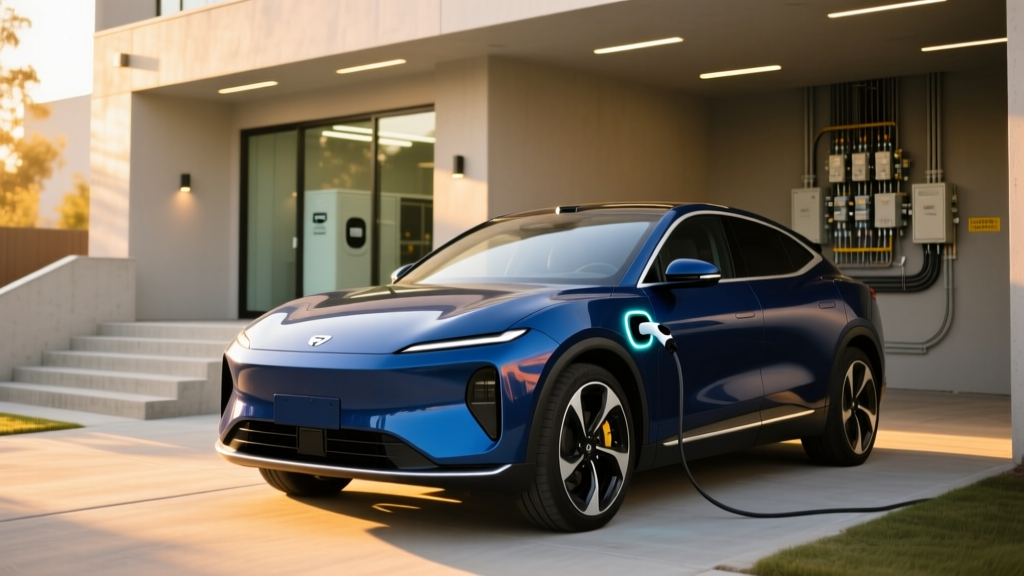
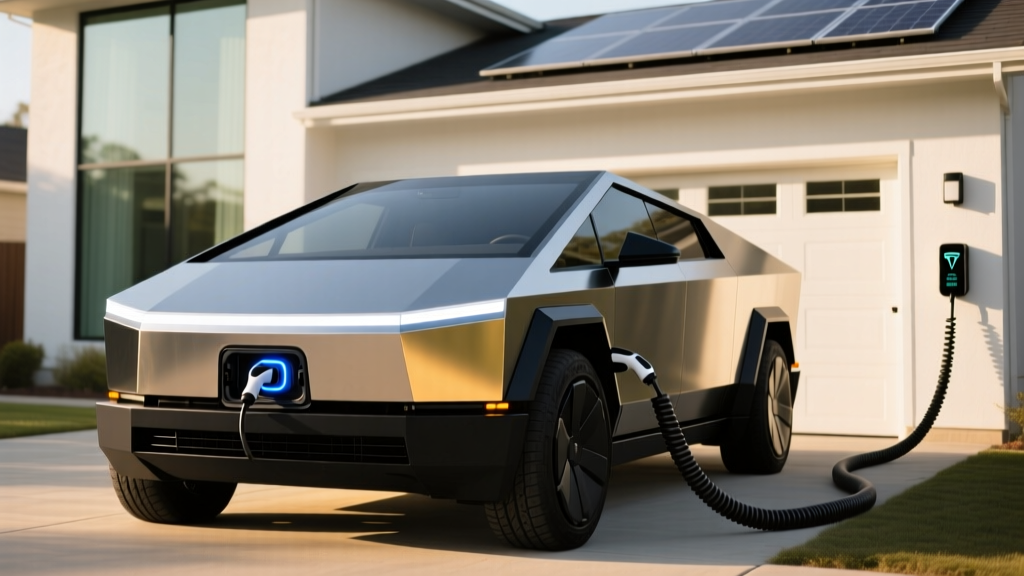
When Tesla released the 2025 Cybertruck, the headline figure was its massive 123 kWh usable battery pack—the largest in any consumer pickup. For the AWD trim, the EPA estimates 340 miles of range, while the Cyberbeast achieves 320 miles. However, managing that capacity requires a strategic approach to charging. If you rely on a standard 120V wall outlet (Level 1), it would take nearly five days to recharge the Cybertruck from 10% to 80%. To actually enjoy the 2025 Tesla Cybertruck range in daily life, a dedicated Level 2 home setup is mandatory.
Real-World Range Expectations
EPA Sticker: 340 miles (AWD) / 320 miles (Cyberbeast)
Highway (75 mph): Expect ~270–290 miles
Cold Weather (Below 32°F): Expect ~240–260 miles
Note: The stainless steel exoskeleton and heavy towing loads can further reduce efficiency to as low as 1.5–1.8 mi/kWh.
Understanding Charging Levels: kW vs. kWh
Before selecting equipment, clarify the difference between power and energy. kWh (kilowatt-hours) is the size of your battery's "fuel tank" (123 kWh for the Cybertruck). kW (kilowatts) is the speed at which you fill that tank. The larger the tank, the more critical high-power (kW) charging becomes.
| Level | Power (kW) | Cybertruck Miles Added/Hour | Best Use Case |
|---|---|---|---|
| Level 1 (120V) | 1.4 kW | ~4 miles | Emergency / PHEV |
| Level 2 (240V) | 7.7 – 11.5 kW | 22 – 33 miles | Daily Home Charging |
| DC Fast (Supercharger) | Up to 250+ kW | Up to 134 miles in 15 min | Road Trips |
Home Installation Requirements and Costs
Because the Cybertruck has such a large battery, we recommend a 60-amp circuit to support 48 amps of continuous charging (11.5 kW). This allows you to recover approximately 200 miles of range overnight. For homes with older 100-amp electrical panels, this may require a service upgrade.
| Item | Estimated Cost Range | Notes |
|---|---|---|
| Level 2 Charger (Hardware) | $400 – $750 | Tesla Wall Connector or similar NACS |
| Electrician Labor & Materials | $600 – $1,500 | Varies by distance from panel |
| Permits & Inspection | $100 – $300 | Required by local code |
| Panel Upgrade (if needed) | $2,000 – $4,500 | For homes under 150-amp service |
Connector Compatibility: The NACS Standard
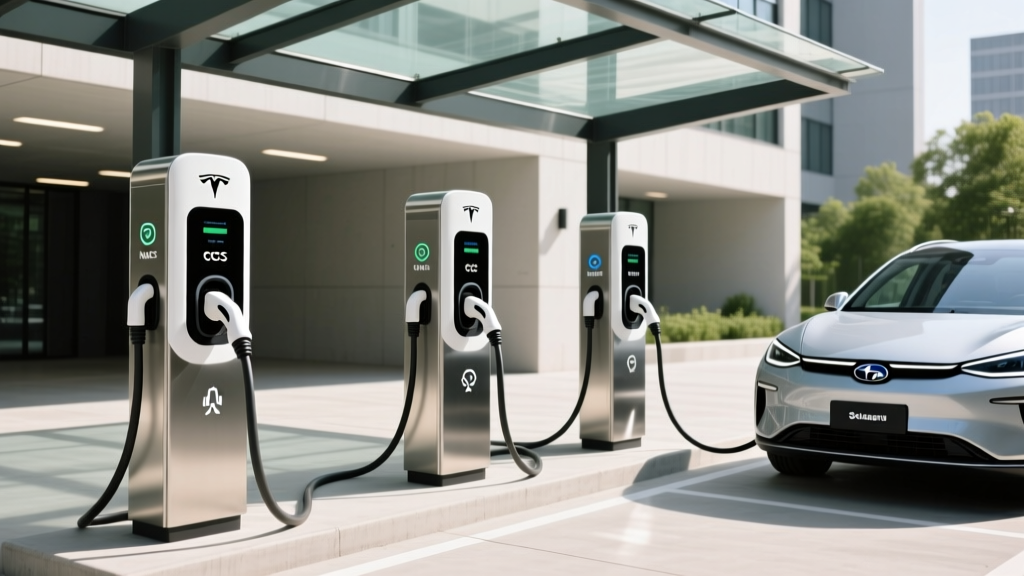
As of 2025/2026, the North American Charging Standard (NACS) is the dominant connector for Tesla vehicles and an increasing number of competitors. The Cybertruck uses NACS natively for both AC and DC charging.
| Connector Type | Primary Brands | Cybertruck Compatibility |
|---|---|---|
| NACS (Tesla) | Tesla, Ford, Rivian, GM (2025+) | Native (No Adapter) |
| CCS1 | Hyundai, VW, BMW, Kia | Requires Adapter (for non-Tesla DCFC) |
| CHAdeMO | Nissan Leaf (Legacy) | Incompatible |
Equipment Recommendations for the Cybertruck
To maximize the 2025 Tesla Cybertruck range and battery health, consider these high-quality Level 2 options:
- Tesla Wall Connector: 11.5 kW (48A), 24-foot cable, native NACS, ~$450. Best for seamless integration.
- Grizzl-E Smart: 10 kW (40A), NACS compatible, rugged outdoor build, ~$550.
- ChargePoint Home Flex: 12 kW (50A), NACS adapter included, app-based scheduling, ~$699.
Cost Per Mile: Electricity vs. Gas
Even with a 123 kWh battery, electricity remains significantly cheaper than gasoline for a truck of this weight (nearly 7,000 lbs).
| Scenario | Rate | Cost Per Mile (Cybertruck) |
|---|---|---|
| Home Off-Peak | $0.14/kWh | ~$0.06 |
| Public Level 2 | $0.35/kWh | ~$0.15 |
| DC Fast Charging | $0.50/kWh | ~$0.22 |
| Gas Truck (20 MPG @ $3.50) | $3.50/gal | ~$0.18 |
FAQ: Cybertruck Charging & Range
How long does it take to charge the Cybertruck at home?
From 10% to 80% on a 48-amp (11.5 kW) Level 2 charger, expect approximately 8.5 to 9.5 hours. This is ideal for overnight charging.
Does the Cybertruck support V2H (Vehicle to Home)?
Tesla has announced Powershare V2L (Vehicle to Load) capabilities, allowing you to power tools or small appliances. Full V2H (powering a house during an outage) requires specific Tesla gateway hardware and is being rolled out via software updates.
What electrical upgrades might I need?
If your home has a 100-amp panel, adding a 60-amp EV circuit may exceed your panel's capacity. A "heavy-up" to 200 amps costs between $2,000 and $4,500 but adds significant property value.