Why 'Godzilla' Batteries Demand a Supercharged Charging Strategy
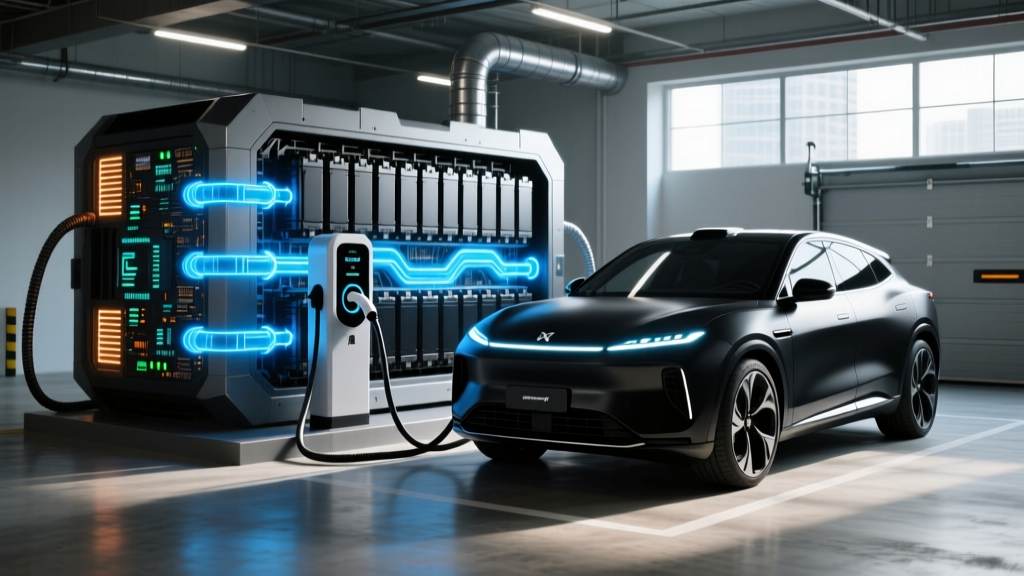
If you drive or are shopping for an EV with a massive battery pack — think 100 kWh or more, like the GMC Hummer EV (212 kWh usable), Rivian R1T Max Pack (149 kWh), or the Tesla Cybertruck (123 kWh) — you've got what the EV community jokingly calls a Supercharged Godzilla: a battery so large it can swallow electrons for hours and still ask for more. These packs deliver 300+ miles of EPA-rated range and staggering performance, but they also create a unique charging challenge. A standard 120V household outlet would take days to refill them. Even a basic Level 2 home charger can require an overnight session and a half.
This guide breaks down exactly what it takes to keep a mega-pack EV charged — at home, on the road, and on your budget. We'll cover charging levels with real numbers, home electrical requirements, connector compatibility, equipment picks, and cost-per-mile math versus gasoline. Every figure here reflects 2026 model-year specs and current pricing.
Charging Levels Explained: Speeds That Matter for Big Packs
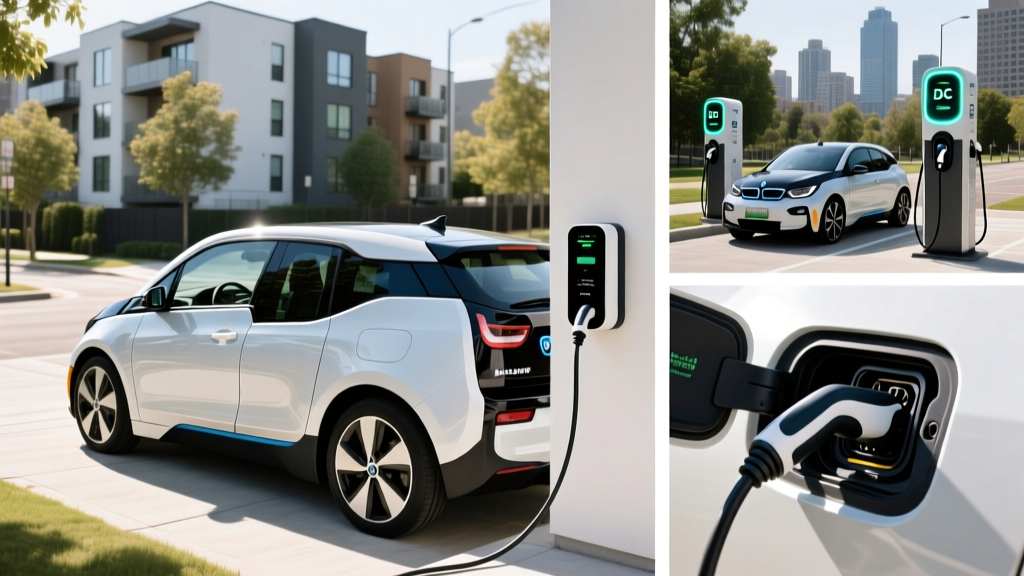
The single most important distinction in EV charging is kW (kilowatts), which measures power — how fast energy flows — versus kWh (kilowatt-hours), which measures energy capacity — how much the battery holds. A 100 kWh battery charged at 10 kW takes roughly 10 hours from empty. The same battery at 150 kW takes under an hour to reach 80%. Here's how each level stacks up:
| Level | Voltage / Phase | Typical Power (kW) | Miles of Range Added per Hour | Best Use Case |
|---|---|---|---|---|
| Level 1 | 120V / Single | 1.2 – 1.9 kW | 3 – 5 mi/hr | Overnight trickle; PHEVs with small packs |
| Level 2 | 240V / Single | 7.2 – 19.2 kW | 20 – 60 mi/hr | Daily home & workplace charging |
| DC Fast Charge (DCFC) | 400V–800V DC | 50 – 350 kW | 150 – 800+ mi/hr (peak) | Road trips; rapid top-ups |
Real-world context for Godzilla packs: A 123 kWh Cybertruck on Level 1 (1.4 kW) gains about 3 miles of range per hour — meaning a full charge from near-empty would take roughly 88 hours. On a 48-amp Level 2 charger (11.5 kW), that same refill takes about 11 hours. At a 250 kW DC fast charger, you can go from 10% to 80% in approximately 30–35 minutes, though the charge curve tapers significantly above 80%.
Home Charging Installation: Electrical Requirements and Costs
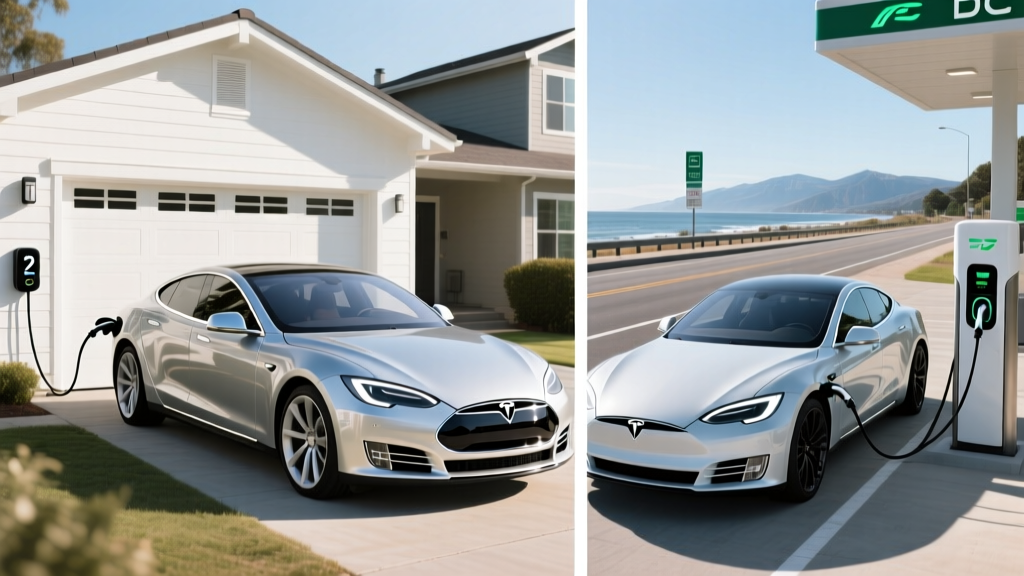
For any EV with a 100+ kWh battery, a robust Level 2 home charger is essentially mandatory. Here's what the electrical setup looks like:
- Circuit: A dedicated 60-amp breaker feeding a 48-amp continuous-load charger (the National Electrical Code requires circuits rated at 125% of continuous load).
- Voltage: 240V single-phase, using 6 AWG copper wire (or 4 AWG aluminum) for runs up to ~50 feet.
- Panel capacity: Most modern 200-amp panels can accommodate a 60-amp breaker. Older homes with 100-amp or 150-amp service may need a panel upgrade ($1,500–$3,000) or a smart load-management device.
- Permit: Nearly all jurisdictions require an electrical permit for EV charger installation, typically $50–$200.
- GFCI protection: The 2020 NEC and later require GFCI protection for EV outlets; hardwired chargers often have built-in GFCI, but receptacle-based installs need a GFCI breaker.
| Cost Component | Typical Range | Notes |
|---|---|---|
| Level 2 Charger (Equipment) | $400 – $800 | 48-amp smart charger, 25-ft cable, Wi-Fi |
| Electrician Labor | $500 – $2,000 | Depends on panel-to-garage distance, conduit runs |
| Electrical Permit | $50 – $200 | Varies by municipality |
| Panel Upgrade (if needed) | $1,500 – $3,500 | 100A→200A service upgrade; not always required |
| Total (no panel upgrade) | $950 – $3,000 | Average: ~$1,500–$2,000 |
| Total (with panel upgrade) | $2,500 – $6,500 | Older homes most affected |
Pro tip: If your panel is maxed out but you don't want a full upgrade, devices like the Span smart panel or a load-management relay (e.g., Emporia Smart Load Management) can dynamically share amperage between your charger and other appliances, avoiding a panel swap. Always have a licensed electrician perform a load calculation per NEC Article 220 before deciding.
Connector Compatibility: NACS, CCS, and CHAdeMO in 2026
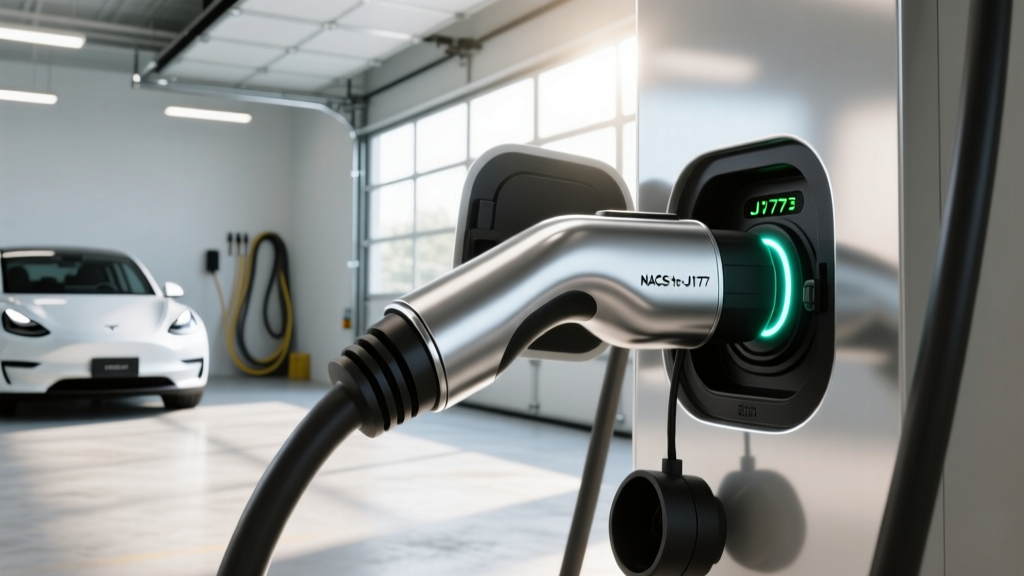
The connector landscape has consolidated significantly. As of the 2026 model year, the North American Charging Standard (NACS) — originally Tesla's proprietary plug — is now the dominant connector. Ford, GM, Rivian, Hyundai/Kia, BMW, and most other automakers have adopted NACS on new vehicles. CCS1 persists on some 2024–2025 models still on the road, and CHAdeMO is essentially legacy (Nissan Leaf discontinued).
| Connector | Brands Using It (2026 Models) | DC Fast Max | Adapter Needed? |
|---|---|---|---|
| NACS (Tesla/J3400) | Tesla, Ford, GM, Rivian, Hyundai, Kia, BMW, Volvo, Polestar, Mercedes | Up to 350 kW | None for new vehicles; CCS→NACS adapters for older CCS cars (~$200) |
| CCS1 | Legacy: 2023–2025 VW ID.4, some older BMW i4, Porsche Taycan | Up to 350 kW | NACS→CCS adapter required at Superchargers (~$250) |
| CHAdeMO | Discontinued (Nissan Leaf ended production) | Up to 100 kW | Limited adapter options; network support declining |
For a Godzilla-pack EV in 2026, you're almost certainly dealing with NACS. The Tesla Supercharger network (now open to NACS-equipped non-Tesla vehicles) remains the most reliable DC fast-charging network in the U.S., with stalls rated at 250 kW (V3) and newer 350 kW (V4) units. Electrify America, EVgo, and ChargePoint also support NACS natively at many new stations.
Charging Time Examples: 10–80% for Big-Battery EVs
Here's where battery size really matters. Charging times below assume optimal battery preconditioning and peak charge rates. In practice, charge curves taper — a vehicle rated for 250 kW peak may only sustain that rate between 10–30% SoC, then gradually step down. Expect average rates 20–40% below the peak figure.
| Vehicle (Battery kWh) | Level 2 at 11.5 kW (0–100%) | DCFC 10–80% (Peak kW) | Real-World 10–80% Time |
|---|---|---|---|
| Tesla Cybertruck (123 kWh) | ~10.5 hours | 250 kW peak | ~30–35 min |
| Rivian R1T Max Pack (149 kWh) | ~13 hours | 220 kW peak | ~40–45 min |
| GMC Hummer EV (212 kWh) | ~18 hours | 350 kW peak (800V) | ~35–40 min |
| Lucid Air Grand Touring (118 kWh) | ~10 hours | 300 kW peak (900V+) | ~20–25 min |
| Cadillac Escalade IQ (200+ kWh) | ~17 hours | 350 kW peak (800V) | ~30–38 min |
Key insight: The Lucid Air's industry-leading efficiency (over 4 mi/kWh) and 900V+ architecture let it charge faster in real-world conditions despite a smaller pack than the Hummer. Voltage architecture matters as much as raw kW ratings — 800V+ systems sustain higher charge rates longer because they push less current, reducing heat and taper.
Cost to Charge: Home vs. Public vs. Gas
The economics of charging a Godzilla-pack EV depend heavily on where you charge. Here's a breakdown using national average rates and a 2.5 mi/kWh efficiency figure (typical for large truck/SUV EVs):
| Scenario | Rate ($/kWh) | Cost per Mile (at 2.5 mi/kWh) | Cost to "Fill" 100 kWh |
|---|---|---|---|
| Home (off-peak utility rate) | $0.08 – $0.14 | $0.03 – $0.06 | $8 – $14 |
| Home (standard rate, no TOU) | $0.15 – $0.20 | $0.06 – $0.08 | $15 – $20 |
| Public Level 2 (workplace/mall) | $0.20 – $0.35 | $0.08 – $0.14 | $20 – $35 |
| DC Fast (Tesla Supercharger avg) | $0.30 – $0.45 | $0.12 – $0.18 | $30 – $45 |
| DC Fast (Electrify America/EVgo) | $0.40 – $0.58 | $0.16 – $0.23 | $40 – $58 |
| Gas truck (20 MPG, $3.40/gal) | — | $0.17 | $68 (equiv. 400 mi) |
The takeaway: Charging at home on off-peak rates is dramatically cheaper than gasoline — roughly one-quarter to one-third the per-mile cost. Even DC fast charging on the road is often competitive with or cheaper than gas for a comparable truck. But if you rely exclusively on public DC fast chargers at peak rates, your cost per mile can approach or exceed gasoline. Home charging access is the single biggest economic factor in EV ownership. Check fueleconomy.gov for EPA efficiency ratings (kWh/100mi and MPGe) on any specific model.
Equipment Recommendations: Chargers Built for Big Packs
When your battery is 100+ kWh, you want the fastest Level 2 charger your electrical panel can support. A 48-amp charger on a 60-amp circuit delivers 11.5 kW — the practical ceiling for most residential panels. Here are top picks for 2026:
Emporia Vue Level 2 Smart Charger
- Power: 48 amps / 11.5 kW (240V)
- Connector: NACS (J3400), CCS adapter available
- Cable: 24 feet
- Smart features: Wi-Fi, app scheduling, energy monitoring, solar integration, load management
- Price: ~$400–$450
- Best for: Budget-conscious buyers who want full smart features and energy tracking
Tesla Wall Connector (Gen 4)
- Power: 48 amps / 11.5 kW (240V)
- Connector: NACS native
- Cable: 24 feet
- Smart features: Wi-Fi, OTA updates, Power Sharing (link multiple units), access control
- Price: ~$475
- Best for: Tesla and NACS-equipped owners wanting seamless ecosystem integration
ChargePoint Home Flex (2nd Gen)
- Power: Up to 80 amps / 19.2 kW (240V, requires 100A circuit)
- Connector: NACS (J3400) with CCS adapter option
- Cable: 23 feet
- Smart features: Wi-Fi, app scheduling, Alexa integration, flexible amperage dial
- Price: ~$650–$700
- Best for: Homes with ample panel capacity wanting maximum Level 2 speed (19.2 kW cuts big-pack charge time to ~6 hours)
Grizzl-E Smart Level 2
- Power: 40 amps / 9.6 kW (240V)
- Connector: NACS or J1772 (with adapter)
- Cable: 24 feet
- Smart features: Wi-Fi, OCPP compatibility, adjustable amperage
- Price: ~$450–$500
- Best for: Cold-climate and outdoor installs; rated to -40°F, NEMA 4 enclosure
Important note on amperage: Many EVs — including the Cybertruck and Hummer EV — have onboard chargers limited to 11.5 kW or 17.2 kW. A 19.2 kW (80-amp) charger only delivers its full speed if the vehicle can accept it. Check your vehicle's onboard charger spec before overspending on a higher-amp unit.
Safety, Code, and Installation Best Practices
Big batteries mean sustained high-current draws — often 8–12 hours continuously. This puts a premium on proper installation:
- Dedicated circuit: Your Level 2 charger must have its own dedicated breaker — never share a circuit with other appliances. Continuous loads generate heat, and shared circuits risk nuisance tripping or overheating.
- Hardwired vs. receptacle: Hardwired installations (no plug) are generally more reliable for high-amp chargers. If you use a NEMA 14-50 receptacle for flexibility, ensure it's an industrial-grade unit (Hubbell, Bryant) — cheap residential receptacles have caused fires under sustained EV charging loads.
- Outdoor rating: If your charger is outdoors or in an unconditioned garage, ensure it carries a NEMA 4 (or higher) rating for weather resistance.
- Thermal monitoring: Quality chargers include internal temperature sensors that throttle power if the unit overheats — critical for summer garage installations.
- Inspection: After installation, your local electrical inspector should verify the work. This is not optional — it protects your home insurance coverage and ensures code compliance.
For detailed code requirements, the National Fire Protection Association publishes the NEC (NFPA 70), and your local jurisdiction may have additional amendments. Always defer final specifications to a licensed electrician familiar with your home's wiring.
Frequently Asked Questions
How much does it cost to install a home EV charger?
For a standard 48-amp Level 2 charger on an existing 200-amp panel, expect $950 to $3,000 total (equipment + electrician + permit). If your home needs a panel upgrade from 100A to 200A service, add $1,500–$3,500. The national average for a straightforward install is roughly $1,500–$2,000. Some utilities offer rebates of $250–$500 for Level 2 installations — check with your local provider.
How fast will each charging level add range?
Level 1 (120V) adds 3–5 miles per hour — virtually useless for a 100+ kWh pack. Level 2 at 48 amps (11.5 kW) adds roughly 25–35 miles per hour for a large truck/SUV EV. DC fast charging at 250 kW can add 200+ miles in 15–20 minutes at peak rates, though the charge curve tapers above 80% SoC.
Which connector/charger is compatible with my EV?
For 2026 model-year vehicles, NACS (J3400) is the standard for nearly all new EVs sold in North America. If you drive a 2023–2025 vehicle with CCS1, you'll need a NACS-to-CCS adapter (~$200–$250) to use Tesla Superchargers. CHAdeMO is effectively obsolete. For home Level 2, NACS wall connectors work directly; older J1772 vehicles need a J1772-to-NACS adapter.
How much does charging cost per mile vs. gas?
At home on off-peak rates ($0.10/kWh), a large EV at 2.5 mi/kWh costs roughly $0.04 per mile. A comparable gas truck at 20 MPG with $3.40/gallon fuel costs $0.17 per mile — over 4× more. Even public DC fast charging at $0.40/kWh ($0.16/mile) is competitive with gasoline. The savings are most dramatic when you charge at home.
What electrical upgrades might I need?
The most common upgrade is a panel replacement from 100A to 200A service, required when your existing panel can't spare 60 amps for a charger circuit. Older homes (pre-1990s) are most affected. Alternatives include smart load-management devices that share amperage dynamically, or installing a lower-amp charger (32A / 7.7 kW) that requires only a 40A breaker. A licensed electrician should perform a NEC Article 220 load calculation to determine your options. Check the IRS §30D guidelines for any available federal credits that may offset home charging equipment costs under the Alternative Fuel Vehicle Refueling Property Credit (§30C).