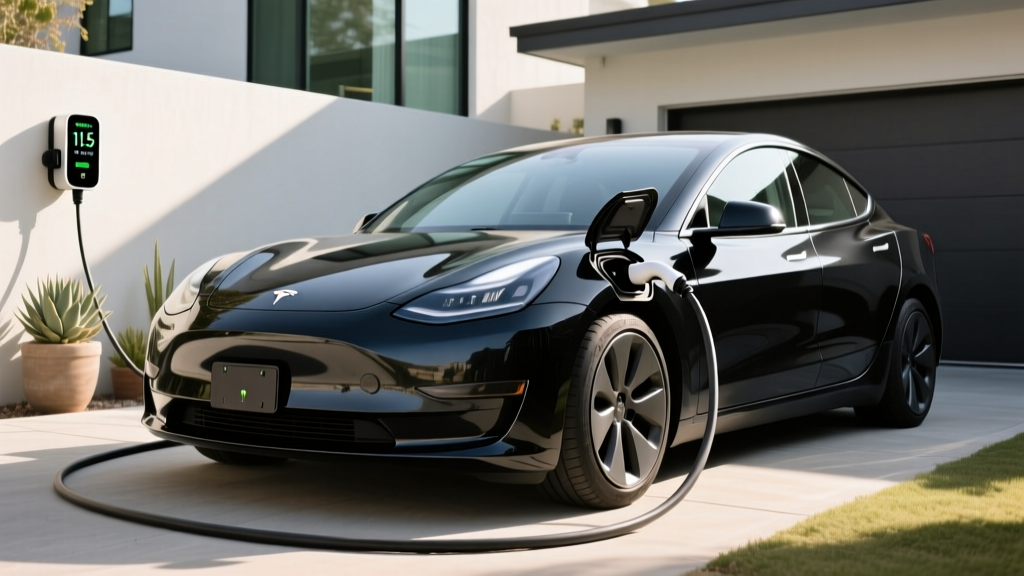
If you own a Rivian R1T or R1S—or you're shopping for one—the Rivian chargers map in the app is one of the first tools you'll learn to rely on. But a map of plugs isn't the same thing as a charging strategy. Rivian owners actually juggle three distinct charging worlds: the Rivian Adventure Network, the Tesla Supercharger network (with adapter), and home Level 2 charging. Each has different speeds, connectors, and cost per mile. Below, I'll walk through exactly what the map shows, how fast each option really adds range to the R1T Dual-Motor and R1S Tri-Motor, what home installation costs in 2026, and how Rivian's per-mile charging cost stacks up against a comparable gas truck.
What the Rivian Chargers Map Actually Shows
Open the Rivian app or the in-vehicle navigation and you'll see three pin types on the chargers map:
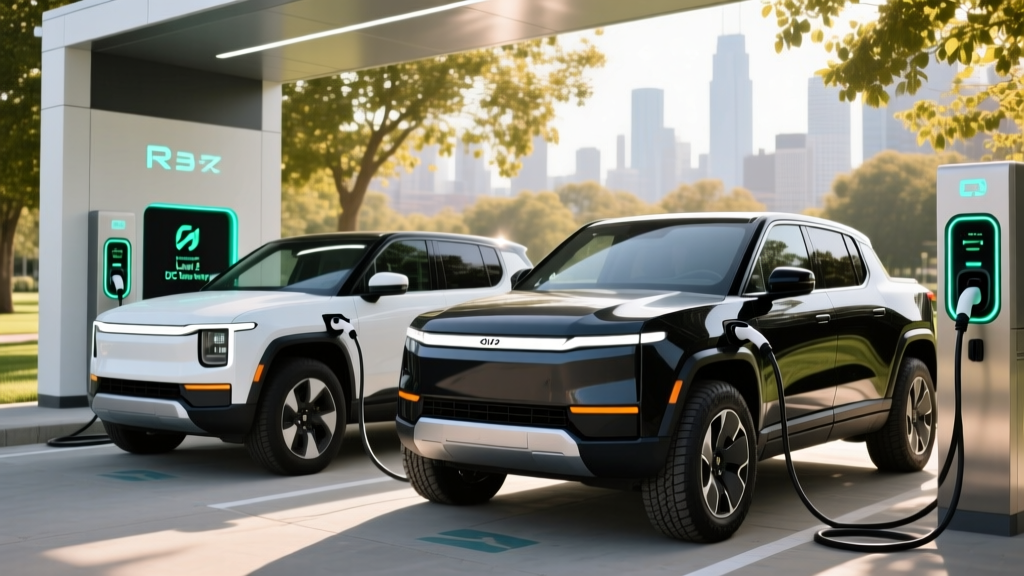
- Rivian Adventure Network (RAN): Proprietary DC fast chargers placed at trailheads, national-park gateway towns, and highway corridors. As of early 2026, RAN includes roughly 85+ stations with ~500 stalls, mostly 200–220 kW CCS1 dispensers, with newer sites rolling out 300+ kW hardware.
- Tesla Superchargers (NACS): Thanks to the Ford/Rivian/GM-industry NACS adoption, Rivian R1T and R1S vehicles built from model year 2025 forward ship with a native NACS charge port. Older 2022–2024 models use a Rivian-supplied CCS-to-NACS adapter to access the ~28,000-stall Supercharger network.
- Third-party DC fast chargers: Electrify America, EVgo, ChargePoint, and Shell Recharge stations appear with real-time availability, pulled from each network's API.
The map also filters by connector type, max kW, and whether a stall is currently operational—critical because public-charger uptime still hovers around 80–85% on non-Tesla networks, per J.D. Power's EVX study.
Charging Levels Explained: kW, Miles per Hour, and Real Charge Times
Before we get to the Rivian chargers map specifics, let's lock in the difference between kW (power, or how fast electrons flow) and kWh (energy, or how much the battery holds). The R1T Large Pack uses a ~128.9 kWh usable NMC pack; the newer Max Pack is ~149 kWh. You'll charge these big packs at very different speeds depending on the level you plug into.
| Level | Voltage / Amps | Power (kW) | Miles of Range Added per Hour | Typical Use |
|---|---|---|---|---|
| Level 1 | 120V / 12A | ~1.4 kW | ~3–5 mi/hr | Emergency / overnight trickle |
| Level 2 (home) | 240V / 48A | ~11.5 kW | ~28–32 mi/hr | Daily home charging |
| Level 2 (public) | 240V / 32–80A | 7.7–19.2 kW | ~20–50 mi/hr | Hotels, workplaces, malls |
| DC Fast (RAN 220 kW) | 400–800V DC | up to 220 kW | ~600+ mi/hr (peak) | Road trips |
| DC Fast (V3 Supercharger) | 400V DC | up to 250 kW | ~700 mi/hr (peak) | Road trips via NACS |
Real-world 10–80% charge times for a 2025 R1T Dual-Motor Large Pack (~129 kWh usable):
- 220 kW RAN stall: ~38–42 minutes (charge curve tapers hard above 80%)
- 250 kW Tesla V3 Supercharger (with NACS adapter on older trucks): ~40–45 minutes
- 50 kW legacy DCFC: ~95 minutes
- 11.5 kW home Level 2: ~11 hours (overnight, 0–100%)
Cold weather (below 32°F) can add 15–25% to these times unless you precondition the pack via the app while plugged in.
Which Connector Fits a Rivian? NACS, CCS1, and Adapter Realities
Rivian's connector story changed dramatically between 2022 and 2025, and the chargers map reflects that split:
| Model Year | Native Port | DC Fast Networks Supported | Adapter Needed? |
|---|---|---|---|
| 2022–2024 R1T / R1S | CCS1 | RAN, Electrify America, EVgo, ChargePoint | Rivian NACS adapter required for Tesla Superchargers |
| 2025+ R1T / R1S (Gen 2) | NACS (native) | Tesla Superchargers, RAN (via NACS), and CCS networks with adapter | CCS1 adapter for legacy non-Tesla DCFCs |
On the chargers map, Rivian flags which Superchargers are "NACS-compatible with adapter" for Gen 1 trucks and "native NACS" for Gen 2. One gotcha: a handful of older V2 Superchargers (150 kW) still use Tesla-only magic-dock configurations that may require the CCS-to-NACS adapter even on newer trucks—always confirm in-app before routing.
Home Charging Setup: What It Takes to Add a Rivian Wall Charger
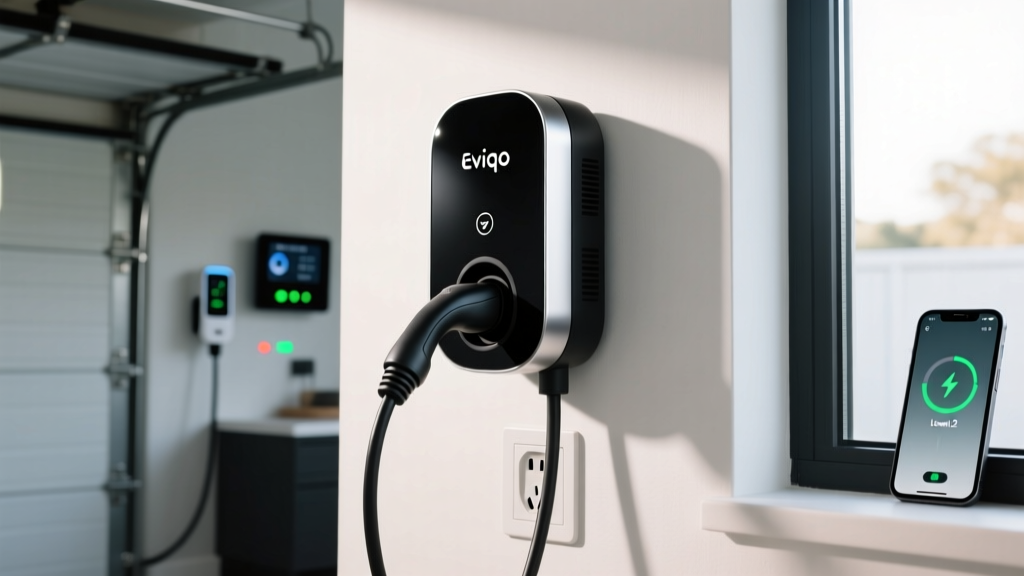
Rivian sells its own Rivian Wall Charger (Gen 2), rated at 11.5 kW on a 240V/48A circuit, with a 25-foot cable, NACS native connector (CCS1 version available for older trucks), Wi-Fi connectivity, and integrated cable management. MSRP is around $550. But the hardware is only a fraction of the real cost.
Electrical Requirements
- Circuit: Dedicated 60A breaker (NEC requires continuous loads be derated to 80%, so 48A continuous needs a 60A breaker).
- Wire: 6 AWG copper (THHN in conduit or 6/2 NM-B Romex for short indoor runs).
- Panel capacity: Your main service panel needs at least 60A of spare capacity. Many 100A panels in pre-1990 homes won't qualify without an upgrade to 200A.
- Permit: Required in nearly every U.S. jurisdiction; inspector will verify grounding, torque specs, and GFCI compliance for outdoor installs.
- Outdoor rating: The Rivian Wall Charger is NEMA 4 rated for outdoor use, but the conduit entry and junction box must also be weather-rated.
Installation Cost Breakdown
| Item | Low End | High End | Notes |
|---|---|---|---|
| Rivian Wall Charger (hardware) | $550 | $550 | Fixed MSRP |
| Electrician labor (standard install, panel within 30 ft) | $600 | $1,400 | Varies by region |
| Permit & inspection | $75 | $300 | Municipality-dependent |
| Panel upgrade to 200A (if needed) | $1,800 | $4,500 | Older homes only |
| Total (no panel upgrade) | $1,225 | $2,250 | Typical suburban install |
| Total (with panel upgrade) | $3,025 | $6,750 | Older-home scenario |
The federal §30C Alternative Fuel Vehicle Refueling Property Credit can offset up to 30% of hardware + installation (max $1,000 for residential), subject to census-tract eligibility and prevailing-wage requirements. Check irs.gov for your ZIP code before committing.
Cost to Charge a Rivian: Home, Public, and DC Fast Compared
The R1T Dual-Motor Large Pack averages roughly 2.0–2.2 kWh per mile in mixed driving (EPA combined ~73 MPGe per fueleconomy.gov). That lets us build a real cost-per-mile picture:
| Scenario | $/kWh | Cost per Mile | Cost for 300-mi Trip |
|---|---|---|---|
| Home Level 2, off-peak utility rate | $0.13 | $0.27 | $81 |
| Home Level 2, California peak (PG&E) | $0.42 | $0.88 | $264 |
| Public Level 2 (ChargePoint, etc.) | $0.25–$0.39 | $0.53–$0.82 | $159–$246 |
| DC Fast (Electrify America / EVgo) | $0.48–$0.64 | $1.01–$1.34 | $303–$402 |
| Tesla Supercharger (2026 avg) | $0.32–$0.40 | $0.67–$0.84 | $201–$252 |
| Gas baseline: Ford F-150 4WD, 20 MPG, $3.40/gal | — | $0.17/mi | $51 (gas only) |
The math is honest: home off-peak charging is cheaper than gas, but DC fast charging on the road can exceed the cost of a comparable gas truck. Rivian owners who charge at home 80%+ of the time still come out ahead on annual fuel spend, but road-trippers relying on DCFC should budget accordingly. Per DOE data, the national average public DCFC rate in 2026 sits near $0.54/kWh.
Equipment Picks: Home Chargers That Play Nicely with Rivians
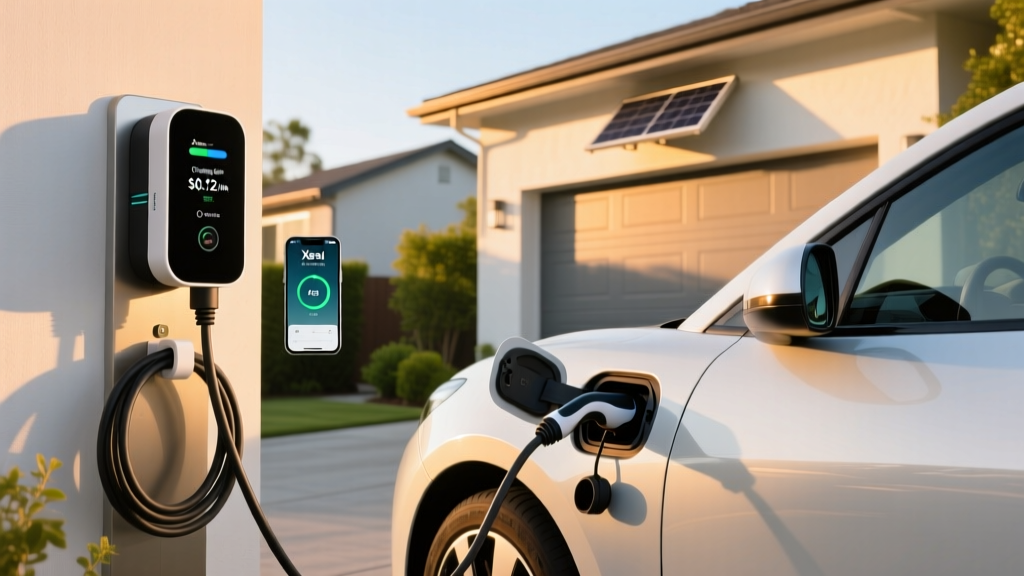
If the Rivian Wall Charger doesn't fit your situation (long driveway, multi-EV garage, solar integration), here are three alternatives that R1T/R1S owners commonly spec:
Rivian Wall Charger (Gen 2)
- Power: 11.5 kW (48A / 240V)
- Connector: Native NACS (or CCS1)
- Cable: 25 ft
- Smart features: App scheduling, Rivian vehicle integration, OTA updates
- Price: ~$550
- Best for: Rivian-only households wanting tightest app integration
ChargePoint Home Flex
- Power: Up to 12 kW (50A adjustable)
- Connector: NACS native (2025+ models)
- Cable: 23 ft
- Smart features: Alexa, load sharing, utility demand-response
- Price: ~$650
- Best for: Multi-EV garages with load-management needs
Grizzl-E Smart
- Power: 9.6 kW (40A) or 11.5 kW (48A)
- Connector: NACS or J1772 w/ adapter
- Cable: 24 ft
- Smart features: OCPP, extreme cold rating (-40°F), rugged aluminum case
- Price: ~$500–$600
- Best for: Cold-climate and outdoor installs in mountain states
One practical note: if you're keeping a 2022–2024 R1T with a CCS1 port, buy a charger with a CCS1 pigtail or budget for a J1772-to-CCS adapter (~$150). Swapping pigtails on a hardwired unit is an electrician job, not a DIY task.
Using the Rivian Chargers Map on a Real Road Trip
Route planning with the Rivian chargers map works differently than Tesla's integrated Supercharger routing. Rivian's navigation will pre-condition the battery when a DCFC is set as the next waypoint—critical for hitting peak 220 kW rates. Without preconditioning, a cold pack may peak at only 80–100 kW for the first 10 minutes, adding 5–8 minutes to a stop.
On a recent Denver-to-Moab run (355 miles), the in-dash nav routed through two RAN stations (Glenwood Springs and Green River) plus a Supercharger in Grand Junction as backup. Total DCFC time: 58 minutes across two stops. That's competitive with an F-150 Lightning on the same corridor, though Rivian's smaller Adventure Network means you'll rely on Superchargers more often in the Southeast and Plains states.
Safety, Code, and the Stuff Electricians Actually Check
Skipping permits to save $200 is tempting but risky—unpermitted EVSE installs have been tied to homeowner-insurance claim denials after electrical fires. Key code points for 2026 (NEC Article 625):
- GFCI protection required on all receptacle-based (plug-in) Level 2 chargers, indoors and out.
- Hardwired chargers (like the Rivian Wall Charger) bypass the GFCI requirement but must have a local disconnect within sight.
- Outdoor installations require a weatherproof in-use cover if using a receptacle; hardwired units must be NEMA 4 rated.
- Load calculation: your electrician will run NEC Article 220 calculations to confirm your panel can handle the new continuous load without exceeding 80% of breaker rating.
Rivian Charging FAQ
How much does it cost to install a home charger for a Rivian?
Typical installs run $1,225–$2,250 including the $550 Rivian Wall Charger, electrician labor, and permit. Homes needing a 200A panel upgrade can see totals of $3,000–$6,750. The §30C federal credit may refund up to $1,000 if your census tract qualifies.
How fast does each charging level add range to an R1T?
Level 1 (120V) adds ~3–5 miles per hour—effectively an emergency trickle. Level 2 at 240V/48A adds ~28–32 miles per hour, refilling a Large Pack overnight. DC fast charging at 220 kW adds 150+ miles in 20 minutes, with the curve tapering sharply past 80% SoC.
Which connector fits my Rivian R1T or R1S?
Model-year 2025+ Rivians use native NACS. Model-year 2022–2024 trucks use CCS1 and require Rivian's NACS adapter to access Tesla Superchargers. The in-dash chargers map labels compatible stalls for your specific VIN.
How does Rivian charging cost per mile compare to gas?
Home off-peak charging costs ~$0.27/mile, beating a 20-MPG F-150 at $0.17/mile only if your electricity rate is below ~$0.16/kWh. Public DC fast charging at $0.54/kWh pushes cost per mile to ~$1.13—more expensive than gas. The economic case for a Rivian rests on home charging, not road-trip charging.
What electrical upgrades might I need before installing a Level 2 charger?
If your main panel is 100A or lacks 60A of spare capacity, you'll likely need a 200A service upgrade ($1,800–$4,500). Older aluminum wiring, Federal Pacific or Zinsco panels, and homes with knob-and-tube will all trigger additional remediation. Have an electrician perform a load calculation before purchasing hardware.
Does the Rivian chargers map show broken chargers?
The map pulls live status from RAN, Tesla, Electrify America, and EVgo APIs, flagging stalls as "Unavailable" when reported offline. However, third-party networks still suffer 15–20% downtime in practice—always have a backup station in your route plan.