If you're driving a 2016 Range Rover Sport Supercharged and eyeing an electric vehicle, the fuel-cost math is hard to ignore. That supercharged 3.0L V6 returns roughly 17 MPG combined and guzzles premium fuel — a 15-gallon fill-up at $4.20/gallon costs about $63. By comparison, home-charging a modern EV like the BMW iX xDrive50 or Rivian R1S at $0.14/kWh runs roughly $5–$7 for the same distance. But making the jump requires one critical infrastructure decision: installing a home EV charger.
This guide walks through every electrical, equipment, and cost variable you'll face — from panel upgrades to connector compatibility — so you can budget accurately before your EV arrives in the driveway.
Why the 2016 Range Rover Sport Supercharged Makes a Compelling EV-Switch Baseline
The 2016 Range Rover Sport Supercharged produces 340 hp from its 3.0L supercharged V6, achieves an EPA-estimated 14 city / 19 highway / 17 combined MPG, and requires premium unleaded. With a 27.7-gallon tank and a real-world range of roughly 370–420 miles, owners are accustomed to long range but frequent $70–$90 fill-ups when towing or driving aggressively.
Switching to an EV like the 2026 BMW iX xDrive50 (EPA 324 miles, 111.5 kWh battery) or the 2026 Rivian R1S Dual-Motor (EPA 352 miles, 128.9 kWh usable) means similar or better range, instant torque that outpaces the Sport's 6.9-second 0–60 time, and dramatically lower per-mile energy costs. The trade-off: you need to charge at home to capture those savings.
Charging Levels Explained: Speeds in kW and Miles Per Hour
Before choosing equipment, understand the three charging tiers. kW (kilowatts) measures power — the rate of energy flow. kWh (kilowatt-hours) measures energy — the total capacity stored in your battery. Think of kW as the width of a hose and kWh as the size of the bucket.
| Level | Voltage | Max Power (kW) | Miles of Range Per Hour | Best Use Case |
|---|---|---|---|---|
| Level 1 | 120V AC | 1.2–1.9 kW | 3–5 miles | Overnight top-ups, PHEVs, low-mileage drivers |
| Level 2 | 240V AC | 3.3–19.2 kW | 12–75 miles | Daily home charging, most BEVs |
| DC Fast Charge | 400–800V DC | 50–350 kW | 150–1,200+ miles/hr equivalent | Road trips, highway corridors |
For a large-battery EV like the iX (111.5 kWh), Level 1 charging at 1.4 kW would take roughly 80 hours from empty to full — impractical. A 48-amp Level 2 station delivering 11.5 kW refills that same battery in about 10 hours. DC fast charging at 150 kW can take the iX from 10–80% in approximately 31 minutes, though charge curves taper significantly above 80%.
Home EV Charger Installation: Electrical Requirements and Cost Breakdown
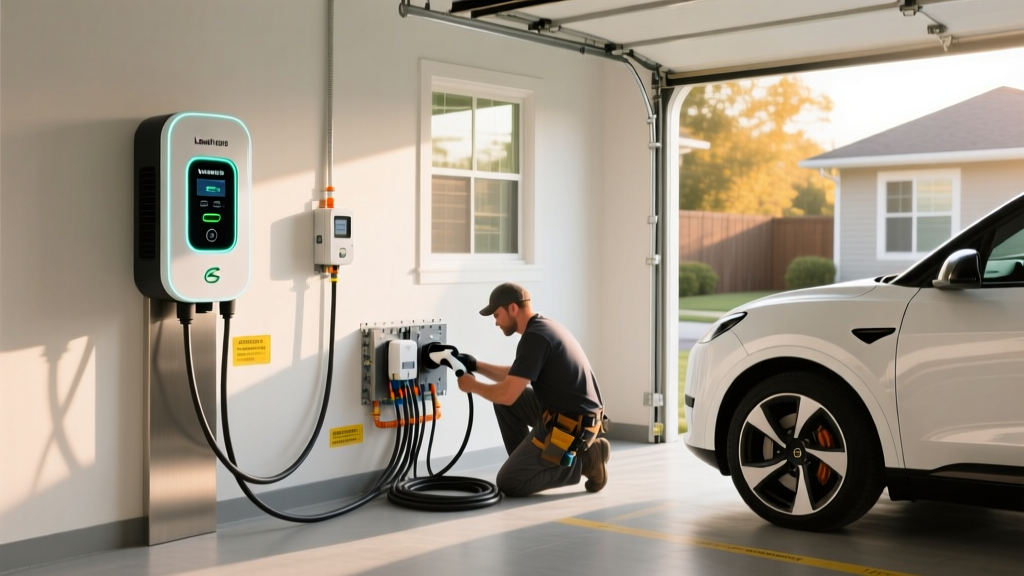
This is where the 2016 Range Rover Sport Supercharged comparison gets practical. Your existing garage likely has standard 120V outlets, but a proper Level 2 installation requires a dedicated 240V circuit — similar to what an electric dryer or oven uses.
Typical Electrical Requirements for Level 2
- Circuit amperage: 40A, 50A, or 60A dedicated breaker (most common: 50A for a 40A continuous charger)
- Voltage: 240V single-phase
- Wire gauge: 6 AWG copper for 50A circuits; 4 AWG for 60A
- National Electrical Code (NEC) 80% rule: A 50A breaker supports only 40A continuous draw — meaning your charger can pull a maximum of 9.6 kW on a 50A circuit
Does Your Electrical Panel Need an Upgrade?
Homes built before 2000 often have 100A or 150A main panels. Adding a 50A EV circuit to an already loaded panel may require a panel upgrade to 200A — the single biggest variable in installation cost. Signs you might need an upgrade:
- Your panel is at or near capacity (electrician will do a load calculation per NEC Article 220)
- You already run electric heat, an electric oven, a dryer, and a hot tub
- Your panel is a recalled Federal Pacific or Zinsco brand (common in 1960s–1980s homes)
Some utility companies now offer smart panel-load management devices (like the Span smart panel or Emporia Load Management) that allow EV charging without a full panel upgrade by dynamically shedding loads. Ask your electrician about this option.
| Component | Low End | High End | Notes |
|---|---|---|---|
| Level 2 Charger (hardwired or NEMA 14-50) | $350 | $750 | 40A–48A smart chargers |
| Electrician labor (standard install) | $500 | $1,500 | Depends on run length from panel |
| Electrical permit | $50 | $250 | Varies by municipality |
| Panel upgrade (if needed) | $1,500 | $4,000 | 100A → 200A upgrade |
| Conduit, wire, and misc. materials | $150 | $500 | Long runs cost more |
| Total (no panel upgrade) | $1,050 | $3,000 | Most common scenario |
| Total (with panel upgrade) | $2,550 | $7,000 | Older homes |
The IRS §30D tax credit does not cover home charger equipment for 2026 (the §30C Alternative Fuel Infrastructure Tax Credit expired for residential installations after 2022, though some state and utility rebates persist). Check with your local utility — many offer $250–$500 rebates for Level 2 installations or off-peak charging programs.
Connector Compatibility: NACS, CCS1, and CHAdeMO
As of 2026, the connector landscape has consolidated significantly. Here's what you need to know:
| Connector | Brands Using It | Notes |
|---|---|---|
| NACS (J3400 / Tesla) | Tesla, Ford, GM, Rivian, Hyundai, Kia, Volvo, Polestar, BMW (new models) | Now the dominant North American standard; access to Tesla Superchargers |
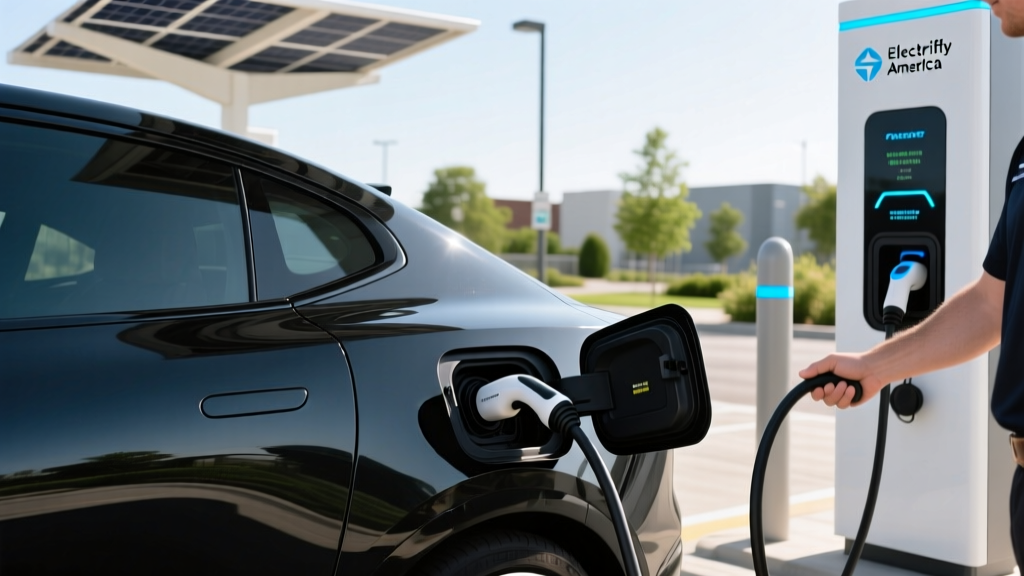
| CCS1 | VW ID.4 (2025 and earlier), legacy BMW iX, older Hyundai/Kia models | Still widely supported at Electrify America, EVgo; adapters available |
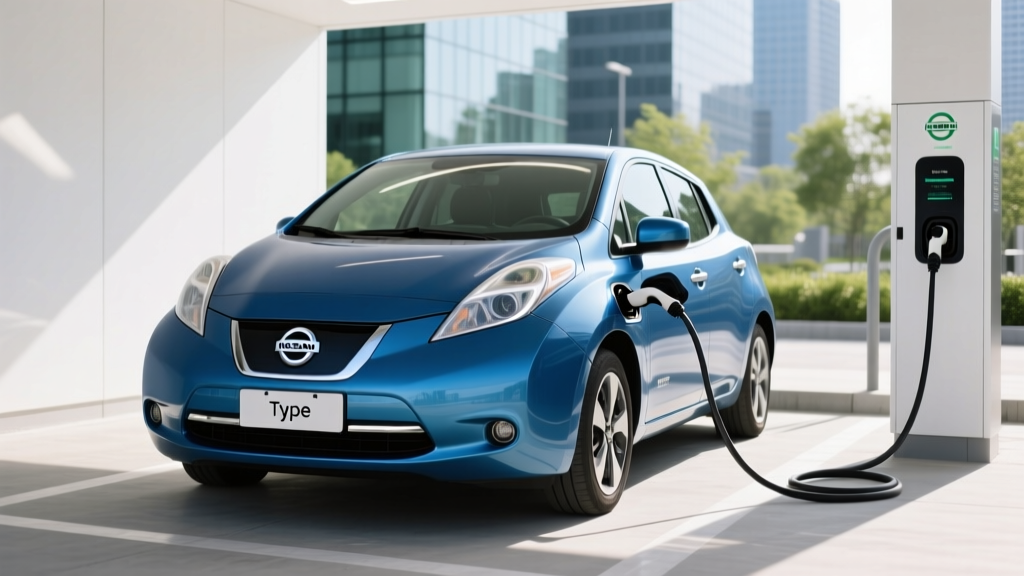
| CHAdeMO | Nissan Leaf (legacy only) | Effectively discontinued for new vehicles |
If you're moving from a 2016 Range Rover Sport Supercharged to a 2026 EV, most new models now ship with NACS. If you buy a late-model used EV with CCS1 (like a 2024 BMW iX), adapters from CCS1-to-NACS are available from Tesla and third parties for $150–$250, enabling Supercharger access.
For your home Level 2 charger: Most now ship with NACS or offer both connector options. Hardwired chargers with a NACS plug are the default choice for 2026 buyers.
Level 2 Charger Equipment Recommendations
Based on reliability, smart features, and real-world charging performance, here are the top home chargers for 2026:
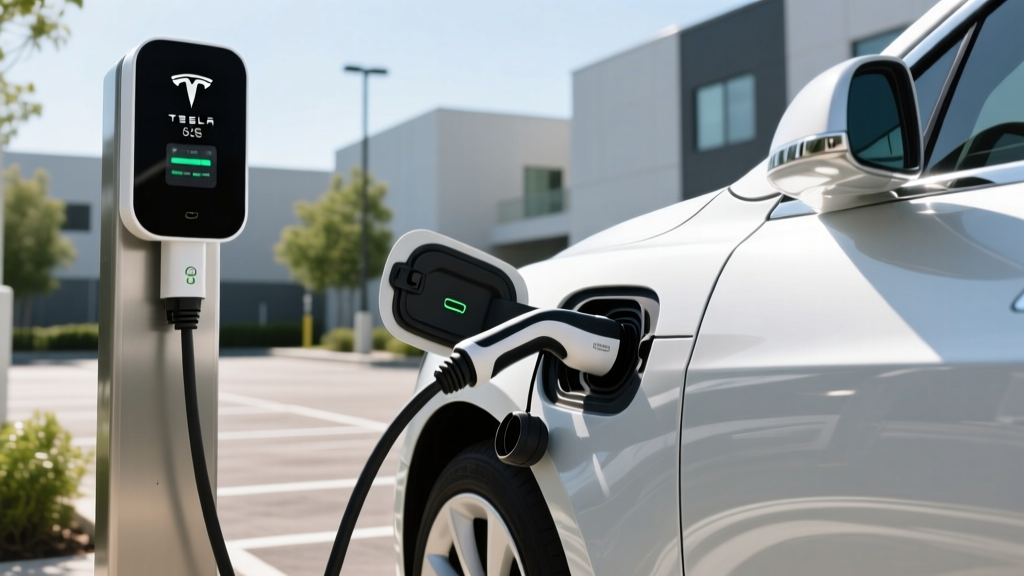
ChargePoint Home Flex (NACS)
- Power output: Up to 12 kW (50A) on a 60A circuit; adjustable down to 16A
- Connector: NACS (J3400)
- Cable length: 23 feet
- Smart features: Wi-Fi, scheduling, Alexa integration, energy dashboard
- Price: ~$549
- Best for: Versatility — adjustable amperage works with any panel capacity
Wallbox Pulsar Plus (48A)
- Power output: 11.5 kW (48A) on a 60A circuit
- Connector: NACS or J1772 (select at purchase)
- Cable length: 25 feet
- Smart features: Wi-Fi/Bluetooth, Power Sharing (two chargers on one circuit), app scheduling
- Price: ~$499
- Best for: Two-EV households needing load sharing
Tesla Wall Connector (NACS)
- Power output: Up to 11.5 kW (48A)
- Connector: NACS native
- Cable length: 24 feet
- Smart features: Wi-Fi, over-the-air updates, power sharing, access control
- Price: ~$420
- Best for: Tesla owners or any NACS-equipped EV — best value
All three are UL-listed, support hardwired or NEMA 14-50 plug installation, and carry NEMA 4 outdoor ratings for garage or exterior mounting.
Cost to Charge: Per-Mile Economics vs. the 2016 Range Rover Sport Supercharged
This is where the EV transition pays for the charger installation within months. Let's run the numbers for a typical large SUV EV (110 kWh battery, ~3.0 mi/kWh efficiency) versus the 2016 Sport Supercharged at 17 MPG combined.
| Scenario | Cost per kWh / Gallon | Cost Per Mile | Annual Cost (12,000 mi) |
|---|---|---|---|
| 2016 Range Rover Sport SC (premium gas) | $4.20/gal | $0.247 | $2,964 |
| Home charging (national avg. $0.16/kWh) | $0.16/kWh | $0.053 | $640 |
| Home off-peak (utility TOU rate $0.09/kWh) | $0.09/kWh | $0.030 | $360 |
| Public Level 2 (avg. $0.35/kWh) | $0.35/kWh | $0.117 | $1,400 |
| DC fast charging (avg. $0.48/kWh) | $0.48/kWh | $0.160 | $1,920 |
At home off-peak rates, you'd save roughly $2,600 per year versus the Range Rover's premium fuel costs. Even relying exclusively on DC fast charging — the most expensive option — you'd still save over $1,000 annually. The $1,500–$3,000 home charger installation pays for itself within 6–14 months of driving.
Charging Time Examples: 10–80% for Common Battery Sizes
Here's what real charging sessions look like for popular 2026 EVs at different power levels:
| Vehicle | Battery (kWh usable) | Peak DC kW | 10–80% DCFC Time | Level 2 (11.5 kW) 0–100% |
|---|---|---|---|---|
| 2026 Tesla Model Y Long Range | 78.1 kWh (LFP option avail.) | 250 kW | ~24 min | ~7.5 hours |
| 2026 BMW iX xDrive50 | 111.5 kWh (NMC) | 200 kW | ~31 min | ~10.5 hours |
| 2026 Rivian R1S Dual-Motor | 128.9 kWh (NMC) | 220 kW | ~38 min | ~12 hours |
| 2026 Hyundai Ioniq 5 N | 84 kWh (NMC, 800V) | 350 kW* | ~18 min | ~8 hours |
*At a 350 kW-capable station; real-world sustained rate averages ~220 kW across the 10–80% session.
Safety, Code, and Installation Best Practices
EV charging circuits carry significant current and must comply with NEC Article 625 and local building codes. Key requirements:
- Dedicated circuit: Your Level 2 charger must be on its own breaker — no sharing with other appliances.
- GFCI protection: NEC 2023 (and most 2026 local adoptions) requires GFCI protection for outdoor receptacles used for EV charging. Hardwired installations often bypass this requirement and are preferred by many electricians for reliability.
- NEMA 4 rating: If mounting outdoors, the charger enclosure must be rated for weather exposure (rain, dust, ice).
- Strain relief and cable management: A wall-mounted holster or cable reel prevents tripping hazards and connector damage.
- Permit and inspection: Most jurisdictions require an electrical permit ($50–$250) and a post-installation inspection. Skipping this can void homeowner's insurance coverage for electrical fires.
Hire a licensed electrician — not a general handyman. Look for EVITP (Electric Vehicle Infrastructure Training Program) certification, which indicates specific training in EV charger installation. Per NHTSA and NFPA's National Electrical Code, improper high-amperage installations carry real fire risk.
Frequently Asked Questions
How much does it cost to install a home EV charger?
Most homeowners pay between $1,050 and $3,000 for a Level 2 charger installation without a panel upgrade. This includes the charger unit ($350–$750), electrician labor ($500–$1,500), permit ($50–$250), and materials ($150–$500). If your home needs a panel upgrade from 100A to 200A, add $1,500–$4,000, bringing the total to $2,550–$7,000.
How fast will each charging level add range?
Level 1 (120V) adds 3–5 miles of range per hour. Level 2 (240V, 48A) adds 30–40 miles per hour for most EVs. DC fast charging adds the equivalent of 150–1,200 miles per hour, though real sessions last 18–40 minutes for a 10–80% charge. For a large-battery SUV like the BMW iX, Level 2 overnight charging fully replenishes daily driving in 2–3 hours.
Which connector/charger is compatible with my EV?
Most 2026 EVs use the NACS (J3400) connector, including Tesla, Ford, GM, Rivian, Hyundai, Kia, and Volvo. Older CCS1-equipped vehicles (2024–2025 model years) can use NACS Superchargers with a $150–$250 adapter. CHAdeMO is discontinued for new vehicles. For home charging, buy a NACS charger unless your specific EV still uses CCS1.
How much does charging cost per mile vs gas?
Home charging at off-peak utility rates (~$0.09/kWh) costs about $0.03 per mile for a typical EV SUV. The 2016 Range Rover Sport Supercharged at 17 MPG and $4.20/gallon premium costs $0.247 per mile — roughly 8× more. Annual savings for a 12,000-mile driver: $2,000–$2,600.
What electrical upgrades might I need?
If your home has a 200A panel with available capacity, you likely need only a dedicated 50A or 60A circuit. Homes with 100A or 150A panels, or panels already near capacity from electric heat, dryers, and ranges, may need a panel upgrade ($1,500–$4,000). Smart load-management devices can sometimes avoid this expense. Always have an electrician perform a NEC Article 220 load calculation before committing to equipment.