Why Your Charging Strategy Directly Impacts Model S Plaid Range
The Tesla Model S Plaid carries a usable battery capacity of roughly 95 kWh (NMC chemistry) and wears an EPA range sticker of 396 miles on 19-inch wheels — dropping to 359 miles on the optional 21-inch Arachnids. But real-world range hinges on how you charge, how fast you charge, and whether your home setup actually delivers the electrons efficiently. Repeated DC fast charging at peak rates, for example, accelerates battery degradation over time, subtly shrinking the range you see on the dashboard year over year.
This guide breaks down every charging layer — from a standard 120V wall outlet to a 250 kW Supercharger — specifically through the lens of keeping a high-performance EV like the Model S Plaid on the road with maximum range, minimum cost, and minimum battery wear.
Charging Levels Explained: Speeds, kW, and Miles Per Hour
Understanding the difference between kW (kilowatts — a measure of power, or charging speed) and kWh (kilowatt-hours — a measure of energy, or battery capacity) is the single most important EV literacy concept. A charger rated at 11.5 kW delivers 11.5 kWh of energy into the battery per hour (minus small efficiency losses). The Model S Plaid's ~95 kWh battery therefore needs roughly 95 ÷ 11.5 ≈ 8.3 hours for a theoretical 0–100% fill on that charger — in practice, taper at high state of charge extends this.
| Level | Voltage / Phase | Max Power (kW) | Miles of Range Added Per Hour | Typical Use Case |
|---|---|---|---|---|
| Level 1 | 120V AC / 1-phase | 1.2–1.9 kW | 3–5 mi/hr | Emergency top-up, overnight trickle |
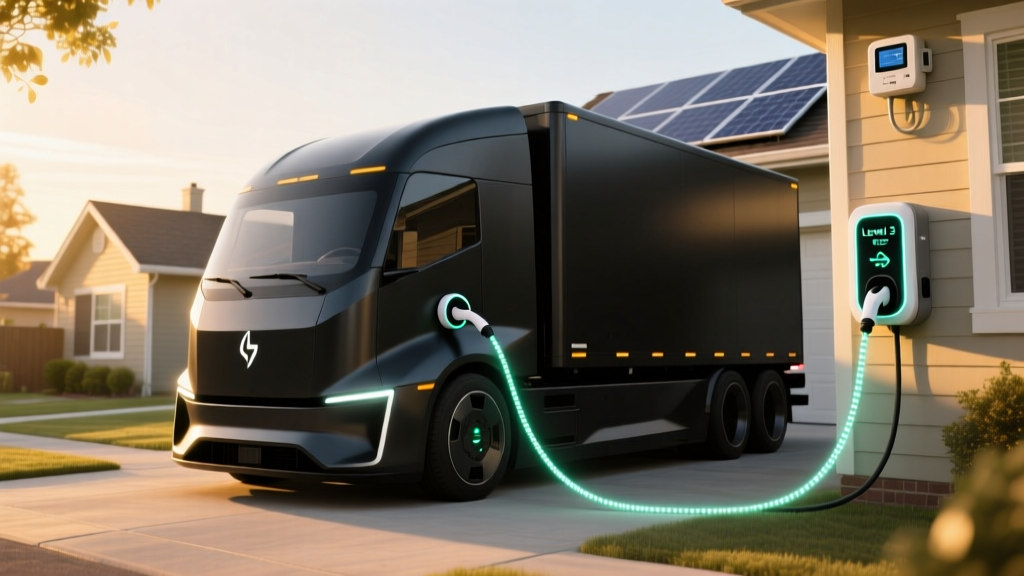
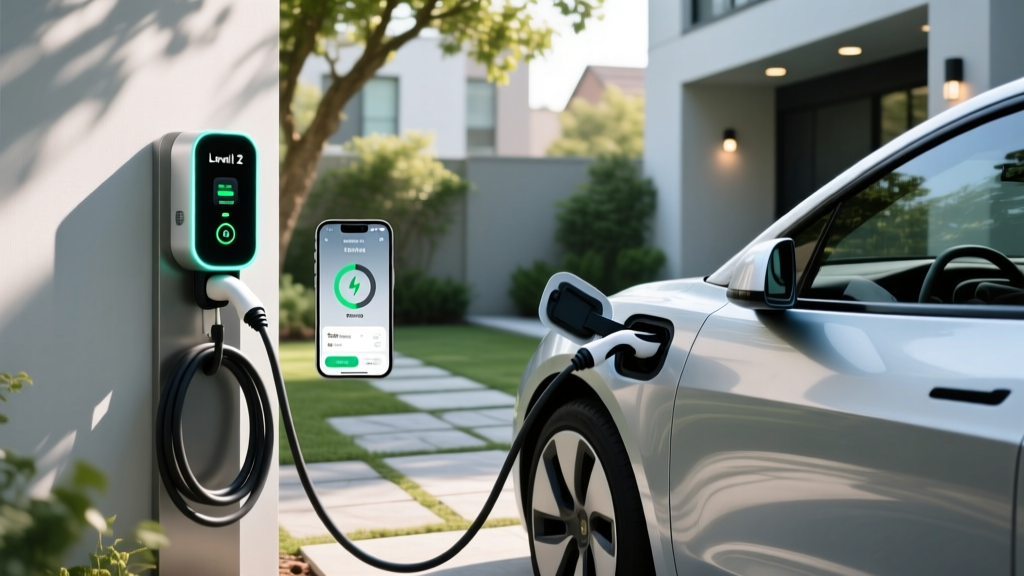
| Level 2 (Home) | 240V AC / 1-phase | 7.2–19.2 kW | 20–55 mi/hr | Daily home charging, primary method |
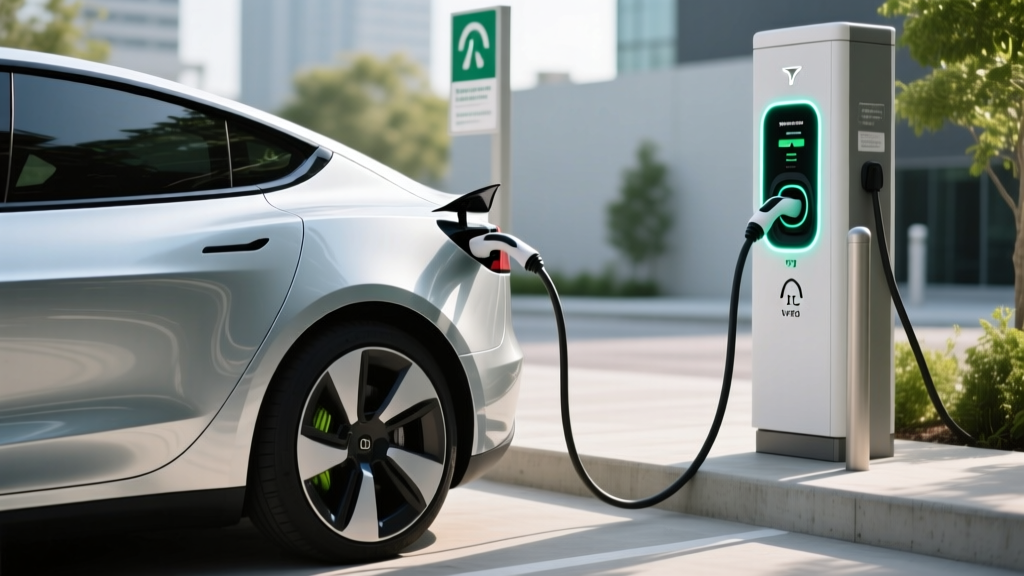
| DC Fast (Supercharger V3) | 400–800V DC | Up to 250 kW | ~1,000 mi/hr (peak) | Road trips, rapid fill-ups |
| DC Fast (V4 / Megacharger) | 800V+ DC | Up to 350+ kW | ~1,200+ mi/hr (peak) | Next-gen Tesla sites, limited availability |
Charge curve reality: The Model S Plaid will peak near 250 kW on a V3 Supercharger only when the battery state of charge (SoC) is below roughly 30–35% and the pack is preconditioned. Above 50% SoC, the rate tapers to ~120 kW; above 80%, it drops below 60 kW. A typical 10–80% session at a V3 Supercharger takes approximately 25–30 minutes — not the "15 minutes" marketing headlines sometimes suggest.
Home Charger Installation: Electrical Requirements and True Costs
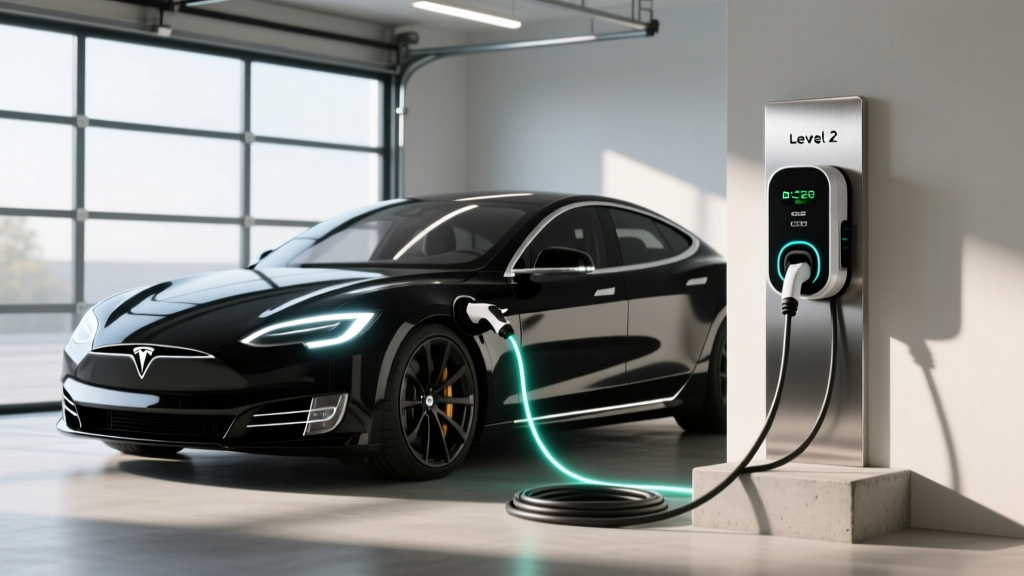
The Model S Plaid's onboard charger accepts up to 11.5 kW (48 amps at 240V). To unlock that full rate, you need a hardwired Level 2 station on a dedicated 60-amp circuit (the National Electrical Code requires circuits rated at 125% of the continuous load — 48A × 1.25 = 60A). A NEMA 14-50 outlet on a 50-amp circuit caps you at 40 amps / 9.6 kW, which still adds ~28 miles of range per hour and is more than adequate for overnight charging.
What Electrical Upgrades Might I Need?
Most modern homes with 200-amp electrical panels can accommodate a 60-amp EV circuit without a panel upgrade. However, if your home has a 100-amp service (common in homes built before 1990), you'll likely need a panel upgrade to 200 amps — adding $1,500–$3,500 to your project. An electrician will perform a load calculation per NEC Article 220 to determine if your existing panel has headroom.
| Component | Typical Cost Range | Notes |
|---|---|---|
| Level 2 Charger (Equipment) | $400–$750 | 48A hardwired smart charger |
| Electrician Labor | $600–$2,000 | Depends on run length from panel to garage |
| Permit & Inspection | $100–$350 | Required in most jurisdictions |
| Panel Upgrade (if needed) | $1,500–$3,500 | 100A → 200A service upgrade |
| Total (no panel upgrade) | $1,100–$3,100 | Most common scenario |
| Total (with panel upgrade) | $2,600–$6,600 | Older homes with 100A service |
Always hire a licensed electrician and pull a permit. Unpermitted work can void home insurance claims and cause issues at resale. The circuit must be GFCI-protected if using a receptacle (NEC 2023+), and outdoor installations require a NEMA 4-rated (weatherproof) enclosure or an outdoor-rated hardwired unit.
Connector Compatibility: NACS, CCS, and Adapters
Tesla vehicles, including the Model S Plaid, use the North American Charging Standard (NACS) connector — formerly called the Tesla connector. As of 2025–2026, NACS has been adopted by nearly every major automaker, making it the de facto standard in North America. The Model S Plaid natively plugs into all Tesla Superchargers and destination chargers without any adapter.
For non-Tesla public chargers using CCS1 connectors (Electrify America, EVgo, many ChargePoint stations), you'll need a Tesla CCS adapter — sold by Tesla for approximately $175. Without it, you cannot use CCS-only DC fast chargers.
| Connector | Model S Plaid Native? | Adapter Required? | Where You'll Find It |
|---|---|---|---|
| NACS (Tesla) | Yes | None | Tesla Superchargers, Destination Chargers, Ford/GM/Rivian stations (2025+) |
| CCS1 | No | Tesla CCS Adapter (~$175) | Electrify America, EVgo, ChargePoint, most non-Tesla DC stations |
| CHAdeMO | No | Not available (Tesla does not support) | Legacy Nissan Leaf stations — largely deprecated |
| J1772 (Level 2) | Adapter included with vehicle | Tesla J1772 adapter (included) | Public Level 2 chargers, hotels, workplaces |
How Much Does Charging Cost Per Mile vs. Gas?
The Model S Plaid achieves roughly 119 MPGe combined (source: EPA / fueleconomy.gov), which translates to about 30–34 kWh per 100 miles driven. Using that 32 kWh/100mi average, here's what you'll actually pay per mile across common charging scenarios:
| Charging Scenario | Avg. $/kWh | Cost Per 100 Miles | Cost Per Mile |
|---|---|---|---|
| Home — Off-Peak Utility Rate | $0.09–$0.13 | $2.88–$4.16 | $0.03–$0.04 |
| Home — Standard Residential Avg. | $0.16 | $5.12 | $0.05 |
| Tesla Supercharger (Avg. 2026) | $0.28–$0.36 | $8.96–$11.52 | $0.09–$0.12 |
| Non-Tesla DC Fast (EA, EVgo) | $0.35–$0.48 | $11.20–$15.36 | $0.11–$0.15 |
| Gas Equivalent (Premium, 25 MPG) | $4.00/gal | $16.00 | $0.16 |
Even at the most expensive public DC fast chargers, the Model S Plaid costs less per mile than a comparable 600+ HP gasoline performance sedan requiring premium fuel. Home charging on an off-peak rate is roughly one-quarter the cost per mile of gasoline. Over 15,000 annual miles, home-charging savings vs. gas can reach $1,200–$1,500 per year.
Recommended Level 2 Chargers for the Model S Plaid
Since the Model S Plaid accepts up to 11.5 kW (48A) via its onboard charger, any charger rated at 48A or higher will maximize your home charging speed. Here are three proven units:
Tesla Wall Connector (Gen 3)
- Power Output: 11.5 kW (48A) hardwired
- Connector: Native NACS — no adapter needed
- Cable Length: 24 ft
- Smart Features: Wi-Fi, OTA updates, power sharing between two units, load management
- Price: ~$475
- Best For: Tesla-only households seeking seamless integration
ChargePoint Home Flex
- Power Output: Up to 12 kW (50A) — configurable down to 16A
- Connector: NACS (2025+ models) or J1772 with adapter
- Cable Length: 23 ft
- Smart Features: Wi-Fi, app scheduling, Alexa integration, flexible amperage for older panels
- Price: ~$550–$650
- Best For: Multi-EV households or homes with limited panel capacity
Emporia Vue Level 2 Charger
- Power Output: 11.5 kW (48A) hardwired or 9.6 kW (40A) on 14-50
- Connector: NACS (2025+ revision)
- Cable Length: 24 ft
- Smart Features: Energy monitoring, solar integration, time-of-use scheduling, budget option
- Price: ~$399–$450
- Best For: Budget-conscious buyers wanting full 48A output
For the Model S Plaid specifically, the Tesla Wall Connector is the path of least resistance — native NACS, full 48A, and automatic software integration with your Tesla account. If you plan to add a non-Tesla EV in the future, the ChargePoint Home Flex offers more cross-brand flexibility.
Battery Health, Charging Habits, and Long-Term Range Preservation
The Model S Plaid uses an NMC (nickel manganese cobalt) battery pack. Unlike LFP (lithium iron phosphate) chemistry, NMC degrades faster when routinely charged to 100% or held at high SoC for extended periods. Tesla recommends:
- Daily charging limit: 80% for routine use — set this in the vehicle's charge menu
- 100% charges: Reserve for road trips; begin driving shortly after reaching full
- DC fast charging: Minimize frequency; rely on Level 2 for daily needs to slow degradation
- Cold weather: Use Scheduled Departure with preconditioning to warm the battery before driving and charging
Tesla's battery warranty covers the Model S Plaid's pack for 8 years or 150,000 miles (whichever comes first), with a guaranteed minimum 70% capacity retention. Real-world data from Tesla's fleet shows average degradation of roughly 10–12% after 150,000 miles for vehicles primarily charged on Level 2 — meaning a 396-mile EPA range would read closer to 350 miles on the dash after several years of ownership.
Frequently Asked Questions
How much does it cost to install a home EV charger for a Model S Plaid?
Expect $1,100–$3,100 total for a standard installation (48A hardwired Tesla Wall Connector, electrician labor, and permit) on a home with a 200-amp panel. If your home requires a panel upgrade from 100A to 200A service, add $1,500–$3,500, bringing the total to $2,600–$6,600.
How fast will each charging level add range to the Model S Plaid?
Level 1 (120V) adds roughly 3–5 miles per hour. Level 2 at 48A (11.5 kW) adds approximately 32–35 miles per hour — enough to fully replenish the Plaid's battery overnight. DC fast charging at a 250 kW Supercharger adds up to 200 miles in about 15 minutes at peak rate, though sustained average is lower due to charge-curve taper.
Which connector and charger are compatible with the Model S Plaid?
The Model S Plaid uses NACS natively. It plugs directly into all Tesla Superchargers and NACS-equipped public chargers. For CCS1 stations (Electrify America, EVgo), you need Tesla's CCS adapter (~$175). CHAdeMO is not supported. For Level 2, the included J1772 adapter works at public Level 2 stations.
How much does charging a Model S Plaid cost per mile compared to gas?
Home charging on an average residential rate (~$0.16/kWh) costs about $0.05 per mile. Off-peak utility rates drop that to $0.03–$0.04/mile. A comparable 600+ HP gasoline sedan on premium fuel at 25 MPG costs roughly $0.16 per mile. Even the most expensive public DC fast charging ($0.35–$0.48/kWh) still undercuts gasoline at $0.11–$0.15 per mile.
What electrical upgrades might I need for a 48A home charger?
You need a dedicated 60-amp circuit (for 48A continuous draw). Most 200-amp home panels can accommodate this. Homes with 100-amp service typically require a panel upgrade to 200A, costing $1,500–$3,500. A licensed electrician will perform a NEC Article 220 load calculation to confirm capacity. The circuit must use appropriately sized wire (6 AWG copper for 60A), and receptacle installations require GFCI protection per NEC 2023+.
Does frequent Supercharging reduce Model S Plaid range over time?
Yes, modestly. DC fast charging generates more heat in the battery pack, which accelerates NMC degradation compared to Level 2 charging. Tesla's own fleet data and third-party analyses (Tesla Impact Report) show vehicles that primarily use DC fast charging see approximately 2–4% more degradation over 100,000 miles versus those primarily on Level 2. For maximum long-term range retention, use Superchargers for road trips and Level 2 for daily charging.
For official EPA range and efficiency data, see fueleconomy.gov. For current federal tax credit rules on EV charger installation (up to $1,000 under §30C), consult IRS.gov §30C. Always verify local electrical codes with a licensed electrician.