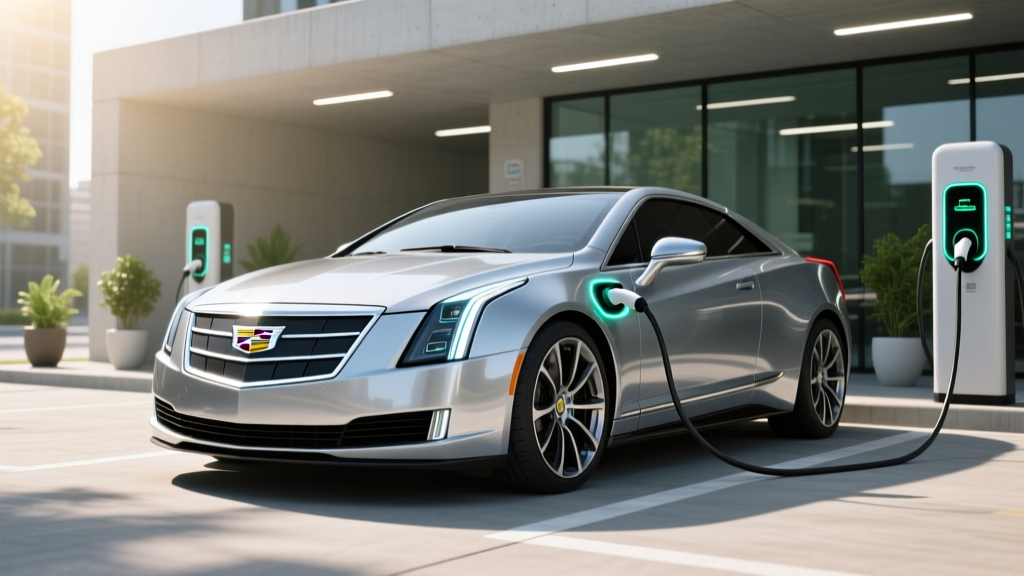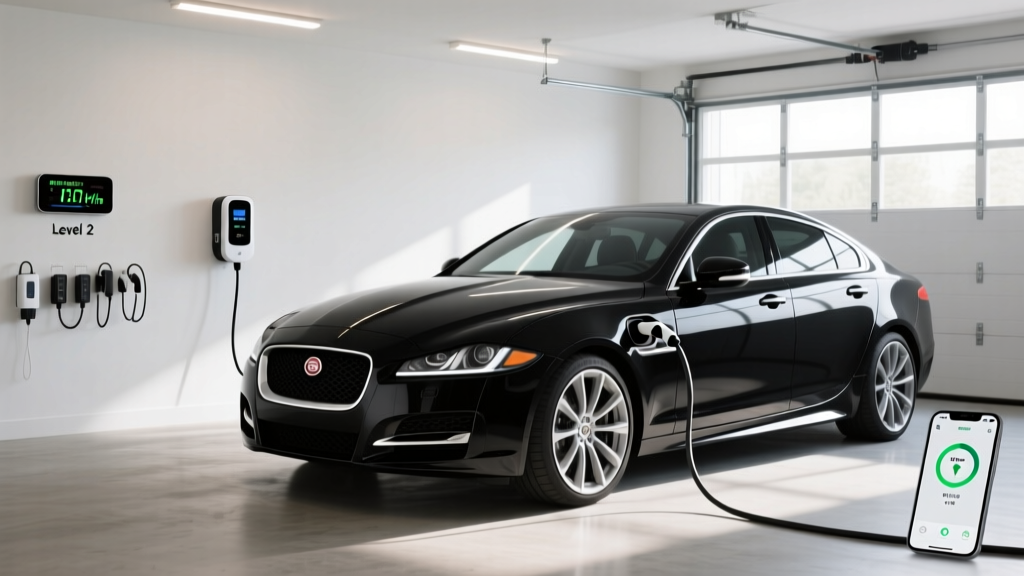
If you're driving a 2013 Jaguar XF Supercharged — that supercharged 3.0L V6 pushing 340 hp and returning roughly 18 MPG combined — you already know what premium fuel costs at the pump. For many luxury sedan owners in this bracket, the leap to an electric vehicle isn't about giving up performance; it's about trading $3.80-per-gallon fill-ups for a home charging setup that costs a fraction per mile. But before you can enjoy that benefit, you need a proper Level 2 home charger, and that means understanding electrical requirements, installation costs, and connector compatibility.
This guide walks you through every practical aspect of setting up EV charging at home — written for buyers coming from high-performance gas sedans who want exact numbers, not marketing fluff.
Understanding EV Charging Levels: Speeds and Real-World Expectations
EV charging falls into three tiers, defined by power output measured in kilowatts (kW). Note: kW measures power (the rate of energy delivery), while kWh measures energy (the total capacity of a battery). Confusing these two is the most common mistake new EV owners make.
| Level | Voltage | Power (kW) | Miles of Range Added Per Hour | Best For |
|---|---|---|---|---|
| Level 1 (120V) | 120V AC | 1.2–1.9 kW | 3–5 mi/hr | Overnight trickle; PHEVs with small batteries |
| Level 2 (240V) | 240V AC | 3.3–19.2 kW | 12–75 mi/hr | Daily home charging; most BEV owners |
| DC Fast Charging | 400–800V DC | 50–350 kW | 150–1,200+ mi/hr | Road trips; rapid top-ups on highway corridors |
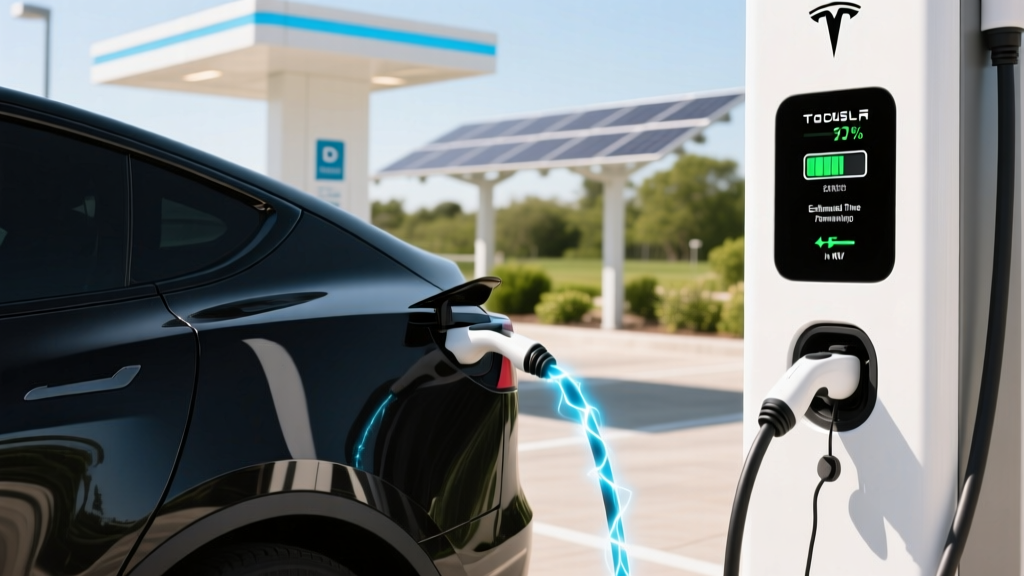
For context: a typical 75 kWh battery (like those in a Tesla Model 3 Long Range or Hyundai Ioniq 6) charged on a 48-amp Level 2 circuit delivering 11.5 kW will go from 10% to 80% in roughly 5.5 hours. On a 350 kW DC fast charger, that same 10–80% window can take 18–25 minutes, depending on the vehicle's charge curve — which tapers significantly above 80% State of Charge (SoC) to protect battery health.
Home Charger Installation: Electrical Requirements and Costs
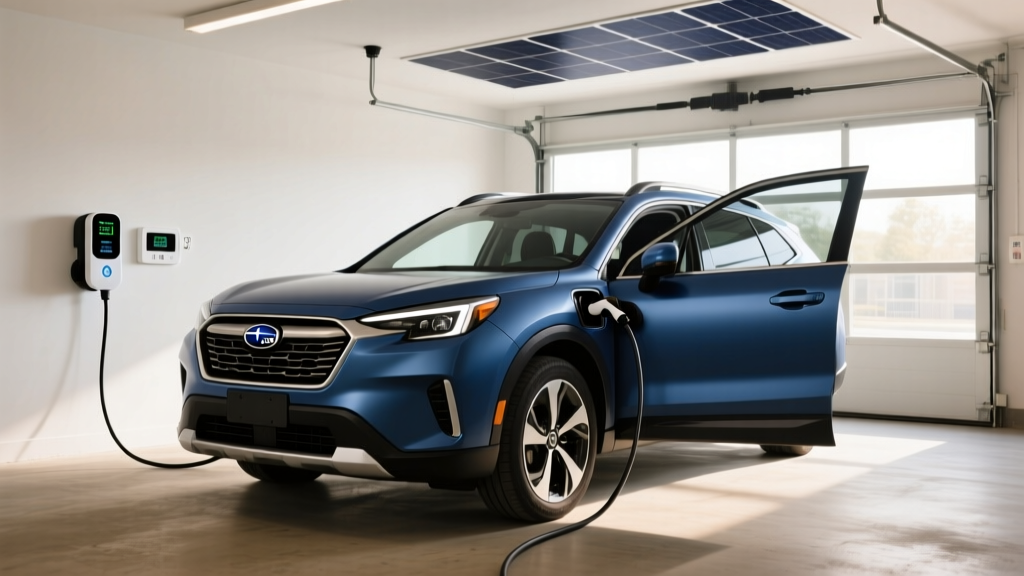
Installing a Level 2 home charger typically requires a dedicated 240V circuit — similar to what a clothes dryer or electric oven uses. The most common setup is a 60-amp breaker feeding a 48-amp continuous-load charger (the National Electrical Code requires circuits to be rated at 125% of continuous load).
Here's what determines your total installation cost:
| Component | Low Estimate | High Estimate | Notes |
|---|---|---|---|
| Level 2 Charger (Equipment) | $350 | $750 | Smart Wi-Fi chargers with 25-ft cable |
| Electrician Labor | $400 | $1,500 | Depends on run length from panel to garage |
| Electrical Permit | $50 | $250 | Required in most jurisdictions |
| Panel Upgrade (if needed) | $1,500 | $4,000 | Older homes with 100A service may need 200A upgrade |
| Total (no panel upgrade) | $800 | $2,500 | Most common scenario for homes built after 1990 |
| Total (with panel upgrade) | $2,300 | $6,500 | Common in homes pre-1980 or with existing high loads |
If you're coming from a home that already supports a 2013 XF Supercharged in a heated garage, you likely have a modern 200-amp electrical panel. But if your home has older 100-amp service or the panel is already near capacity (electric HVAC, water heater, dryer, range), you may need a panel upgrade or a load-management device like the Sense energy monitor paired with a smart charger that dynamically adjusts amperage.
Connector Compatibility: NACS, CCS1, and CHAdeMO Explained
As of 2026, the North American Charging Standard (NACS), developed by Tesla, has become the dominant connector for new EVs. Most legacy CCS1 vehicles can access Tesla Superchargers via a Tesla-provided NACS adapter.
| Connector | Brands Using It (Native) | Adapter Needed for Superchargers? |
|---|---|---|
| NACS (Tesla) | Tesla, Ford, GM, Rivian, Volvo, Polestar, BMW, Hyundai/Kia (2025+) | No |
| CCS1 | Legacy VW ID.4, older Hyundai/Kia, BMW i4 (pre-2025) | Yes — NACS adapter ($200–$250) |
| CHAdeMO | Nissan Leaf (legacy); effectively discontinued for new vehicles | Limited DC fast options; no Supercharger access |
For home Level 2 charging, all vehicles use either a J1772 plug (universal standard) or a NACS plug. If you buy a NACS-equipped home charger, you'll need a J1772-to-NACS adapter for non-Tesla vehicles — or vice versa. Most charger manufacturers now ship with the appropriate connector or offer both options at purchase.
Cost to Charge: Home vs. Public vs. Gas Comparison
The financial case for home charging becomes stark when compared against premium fuel costs. The 2013 Jaguar XF Supercharged requires premium (91+ octane), which at $4.20/gallon and 18 MPG combined works out to roughly $0.23 per mile.
| Scenario | Cost per kWh | Efficiency (kWh/100 mi) | Cost Per Mile |
|---|---|---|---|
| Home Level 2 (off-peak utility rate) | $0.11 | 28 | $0.031 |
| Home Level 2 (standard rate) | $0.16 | 28 | $0.045 |
| Public Level 2 (ChargePoint, EVgo L2) | $0.30 | 28 | $0.084 |
| DC Fast Charging (Electrify America, EA Pass) | $0.43 | 28 | $0.120 |
| Tesla Supercharger (average) | $0.35 | 28 | $0.098 |
| 2013 XF Supercharged (premium gas) | — | 18 MPG | $0.233 |
Even at the most expensive DC fast-charging rates, an efficient EV (28 kWh/100 mi) costs roughly half per mile compared to fueling the XF Supercharged. At home on off-peak rates, the savings are dramatic: 87% less per mile. According to fueleconomy.gov, most modern EVs achieve between 25–32 kWh/100 mi in combined driving.
Equipment Recommendations: Level 2 Chargers Worth Buying
Here are three proven home chargers suited for different needs, all hardwired or NEMA 14-50 plug compatible:
Emporia Level 2 EV Charger
- Power Output: 48 amps / 11.5 kW (on 60A circuit)
- Connector: J1772 (NACS adapter available)
- Cable Length: 24 feet
- Smart Features: Wi-Fi, energy monitoring, solar integration, scheduled charging
- Price: ~$399
- Best For: Budget-conscious buyers who want full smart features and energy tracking
ChargePoint Home Flex
- Power Output: Up to 50 amps / 12 kW (adjustable 16–50A)
- Connector: J1772 (NACS version available)
- Cable Length: 23 feet
- Smart Features: Wi-Fi, app scheduling, Alexa integration, amperage flexibility
- Price: ~$649
- Best For: Homes with variable circuit capacity; adjustable amperage avoids panel upgrades
Tesla Wall Connector (Gen 4)
- Power Output: 48 amps / 11.5 kW
- Connector: NACS native (includes J1772 adapter in box for 2025+ models)
- Cable Length: 24 feet
- Smart Features: Wi-Fi, over-the-air updates, power sharing between multiple units, vehicle integration
- Price: ~$475
- Best For: Tesla owners or households with NACS-equipped vehicles (Ford, GM, Rivian, Hyundai/Kia 2025+)
Safety, Code, and Electrical Best Practices
EV chargers draw sustained high current for hours — far longer than a dryer cycle. This places unique demands on your electrical system. Per the National Electrical Code (NFPA 70), the following apply:
- Dedicated circuit: Your Level 2 charger must have its own dedicated breaker — not shared with other appliances.
- GFCI protection: Outdoor installations require a GFCI (Ground Fault Circuit Interrupter) breaker. Indoor garage installations in most jurisdictions now also require GFCI per NEC 2023+.
- Outdoor rating: If your charger is mounted outside, it must carry a NEMA 4 (weatherproof) rating. All three chargers above meet this standard.
- Wire gauge: A 60-amp circuit requires 6 AWG copper wire (or 4 AWG aluminum) for runs up to 100 feet. Longer runs may require thicker wire to prevent voltage drop.
- Permit and inspection: Most municipalities require an electrical permit and post-installation inspection. Skipping this can void homeowner's insurance coverage for electrical fires.
Charging Time Examples: What to Expect With Common Battery Sizes
| Battery Size (kWh usable) | Level 2 at 7.7 kW (32A) | Level 2 at 11.5 kW (48A) | DC Fast (150 kW peak) | DC Fast (250 kW peak) |
|---|---|---|---|---|
| 60 kWh (e.g., base Tesla Model 3) | 5.5 hours | 3.7 hours | ~28 min | ~20 min |
| 75 kWh (e.g., Model 3 LR, Ioniq 6) | 6.8 hours | 4.6 hours | ~32 min | ~22 min |
| 90 kWh (e.g., F-150 Lightning Ext.) | 8.2 hours | 5.5 hours | ~38 min | ~28 min |
| 115 kWh (e.g., Hummer EV, Silverado) | 10.5 hours | 7.0 hours | ~48 min | ~35 min |
DC fast charge times assume the vehicle supports the stated peak rate and that the battery is preconditioned (warmed to optimal temperature). In cold weather (below 32°F), expect DC fast charging to be 20–40% slower unless the vehicle has active battery preconditioning — a feature standard on Tesla, Hyundai E-GMP vehicles, and most 800V-architecture EVs.
Frequently Asked Questions
How much does it cost to install a home EV charger?
Most homeowners pay between $800 and $2,500 for a Level 2 charger installation including equipment, electrician labor, and permit — assuming no panel upgrade is needed. If your home has older 100-amp electrical service, a panel upgrade to 200 amps adds $1,500–$4,000. Get at least two quotes from licensed electricians, and confirm they include permit costs in the estimate.
How fast will each charging level add range?
Level 1 (120V) adds 3–5 miles per hour — adequate only for PHEVs or very low daily mileage. Level 2 (240V, 48A) adds 30–45 miles per hour for most EVs, fully replenishing overnight. DC fast chargers at 150–350 kW can add 150–300+ miles in 20–30 minutes on compatible vehicles.
Which connector/charger is compatible with my EV?
If you're buying a 2025+ model from Ford, GM, Rivian, Volvo, Polestar, or Hyundai/Kia, it will have a native NACS port. Older CCS1 vehicles (2022–2024 VW, BMW, Hyundai) can use Tesla Superchargers with a NACS adapter (~$200–$250). For home Level 2 charging, a J1772 charger works universally with an adapter for NACS vehicles, and a NACS charger works universally with an adapter for J1772 vehicles.
How much does charging cost per mile vs gas?
At a national average home electricity rate of $0.16/kWh and a typical EV efficiency of 28 kWh/100 mi, home charging costs about $0.045/mile. Compare that to the 2013 XF Supercharged at 18 MPG on premium gas ($4.20/gal): $0.233/mile. That's an 81% reduction in fuel cost per mile with home charging.
What electrical upgrades might I need?
The most common upgrade is adding a 60-amp double-pole breaker to your panel and running 6 AWG copper wire to the charger location. If your panel is full (no open slots), you may need a tandem breaker or sub-panel. If your service is only 100 amps and you already have electric HVAC, dryer, range, and water heater, a 200-amp service upgrade ($1,500–$4,000) may be necessary. A load-management device can sometimes avoid this by dynamically reducing charger amperage when other loads spike.
Can I claim a tax credit for home charger installation?
The federal Alternative Fuel Vehicle Refueling Property Credit (IRS Form 8911) covers 30% of home EV charger equipment and installation costs, up to $1,000. However, eligibility is restricted to census tracts classified as low-income or non-urban. Check your eligibility at the IRS site before claiming. Some states and utilities also offer rebates of $250–$750 for Level 2 charger installations.