The Short Answer: Yes, but Your Mileage (and Math) Will Vary
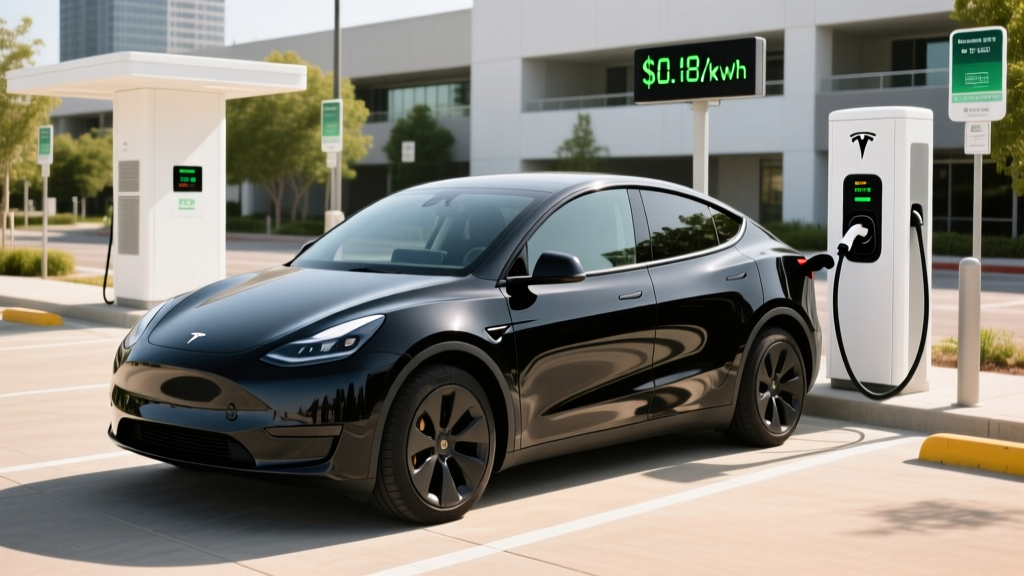
Whether charging a Tesla is cheaper than gas depends almost entirely on where and when you charge. A Tesla Model Y charged at home on off-peak electricity at $0.13/kWh costs roughly $0.04 per mile — about one-quarter the cost of a 30 MPG gas car burning $3.50/gallon fuel. But plug that same Model Y into a 250 kW Supercharger at $0.48/kWh on a road trip, and the per-mile cost climbs to $0.14 — nearly matching gas.
This guide breaks down the real economics across all three charging levels (Level 1, Level 2, and DC fast charging), the equipment and electrical work required for home installation, connector compatibility across the expanding NACS ecosystem, and the specific numbers you need to run your own cost comparison. All figures reflect 2026 utility rates, Tesla Supercharger pricing, and current hardware costs.
Charging Levels Explained: Speed, Power, and Range Added Per Hour
Before comparing costs, you need to understand the three charging tiers. The critical distinction: kW (kilowatts) measures the rate of power delivery — how fast energy flows into the battery. kWh (kilowatt-hours) measures total energy stored — the size of the battery itself. A 75 kWh battery charged at 7 kW takes roughly 10 hours; charged at 150 kW, it takes under 30 minutes to 80%.
| Level | Voltage | Power (kW) | Miles of Range / Hour | Typical Use Case |
|---|---|---|---|---|
| Level 1 | 120V AC | 1.2–1.9 kW | 3–5 mi/hr | Overnight trickle; emergency top-off |
| Level 2 | 240V AC | 7.2–19.2 kW | 20–60 mi/hr | Home daily charging; workplace |
| DC Fast Charge | 400–800V DC | 50–350 kW | 150–1,000+ mi/hr (peak) | Road trips; highway corridors |
For a Tesla Model Y Long Range (75 kWh usable battery, EPA-rated 310 miles), here's what real charging sessions look like:
- Level 1 (120V, 12A): ~1.4 kW — adds ~4 miles per hour. A 10–80% session takes over 36 hours. Practical only for plug-in hybrids or very low daily mileage.
- Level 2 (240V, 48A): ~11.5 kW — adds ~35 miles per hour. A 10–80% session takes roughly 5 hours. Ideal overnight solution.
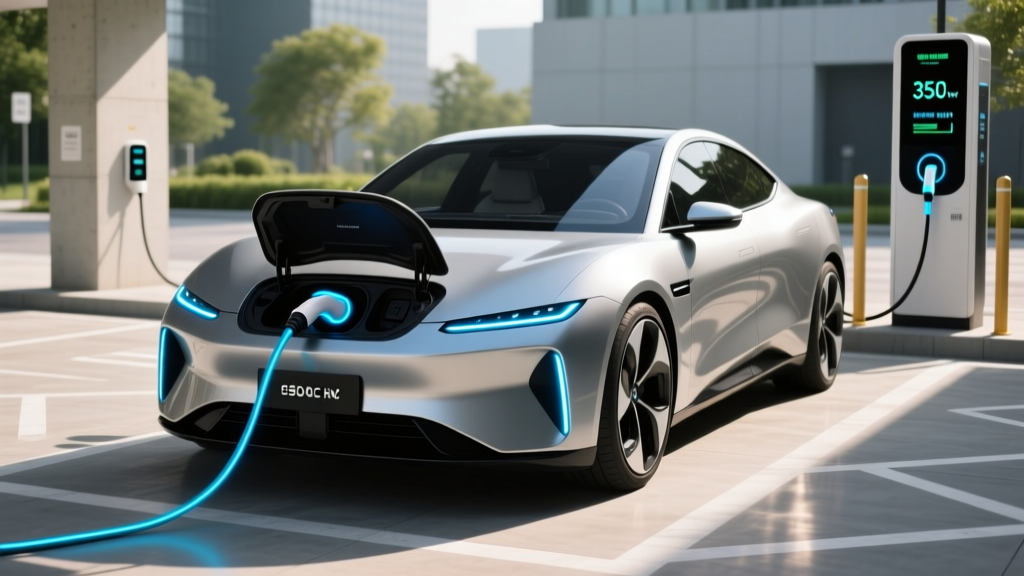
- DC Fast Charge (Tesla V3 Supercharger, 250 kW peak): 10–80% in approximately 25–28 minutes. Peak rate of ~250 kW tapers significantly above 60% state of charge (SoC) — the charge curve is not a flat line, and sustained average is closer to 100–120 kW over the full session.
Is Charging a Tesla Cheaper Than Gas? The Per-Mile Cost Showdown
To answer the core question, we need a cost-per-mile framework. We'll compare a 2026 Tesla Model Y Long Range (28 kWh/100 mi efficiency per fueleconomy.gov) against a comparable 30 MPG gasoline crossover.
| Charging / Fueling Scenario | Rate | Cost per Mile (Tesla) | Cost per Mile (30 MPG Gas) |
|---|---|---|---|
| Home off-peak electricity | $0.13/kWh | $0.036 | $0.117 |
| Home standard rate | $0.18/kWh | $0.050 | $0.117 |
| Public Level 2 (ChargePoint, EVgo) | $0.30/kWh | $0.084 | $0.117 |
| Tesla Supercharger (V3/V4) | $0.35–$0.48/kWh | $0.098–$0.134 | $0.117 |
| Non-Tesla DC fast (Electrify America) | $0.45–$0.56/kWh | $0.126–$0.157 | $0.117 |
A few nuances that shift the math:
- Time-of-use (TOU) utility rates can drop overnight electricity to $0.08–$0.10/kWh in markets like PG&E (California) or ConEdison (New York), making home charging even cheaper.
- Cold weather reduces EV efficiency by 15–30% due to battery heating demands and cabin HVAC, increasing per-mile electricity consumption. A Model Y that averages 28 kWh/100 mi in summer may hit 35–38 kWh/100 mi in a Minnesota January.
- Gas prices fluctuate regionally. At $4.50/gallon in California, the gas car costs $0.15/mile; at $2.80/gallon in Mississippi, it drops to $0.093/mile — making DC fast charging comparatively less attractive.
Home Charger Installation: Electrical Requirements and Real Costs
Installing a Level 2 home charger is the single biggest factor in making EV ownership cheaper than gas. But the installation cost varies enormously based on your home's electrical panel, the distance from panel to charger location, and local permit fees.
Electrical Requirements
A standard Level 2 home charger requires a 240V dedicated circuit, similar to what powers an electric dryer or oven. The most common configurations:
- 40A circuit / 32A continuous charge: Delivers ~7.7 kW. Sufficient for most overnight charging. Requires a 50A breaker (NEC code requires circuits rated at 125% of continuous load).
- 60A circuit / 48A continuous charge: Delivers ~11.5 kW. Faster sessions, ideal for larger batteries like the Model S (100 kWh) or Ford F-150 Lightning (131 kWh). Requires a 60A or 70A breaker.
- Hardwired vs. NEMA 14-50 outlet: Hardwired installations eliminate the plug connection point (reducing failure risk and often eliminating GFCI breaker requirements). A NEMA 14-50 outlet offers portability but requires a GFCI breaker in most jurisdictions under 2020+ NEC codes, adding $100–$200 to the panel-side cost.
Panel Upgrade Reality
Many homes built before 2000 have 100A or 125A main electrical panels. Adding a 60A EV circuit to an already-loaded 100A panel may exceed capacity, triggering a panel upgrade to 200A — a significant additional cost. Your electrician will perform a load calculation (NEC Article 220) to determine if your panel can handle the new circuit.
| Component | Low Estimate | High Estimate |
|---|---|---|
| Level 2 charger (equipment) | $350 | $750 |
| Electrician labor (standard install, <30 ft run) | $400 | $1,200 |
| Permit and inspection fees | $50 | $300 |
| GFCI breaker (if using NEMA outlet) | $100 | $200 |
| Panel upgrade (100A → 200A, if needed) | $1,500 | $4,000 |
| Total (no panel upgrade) | $900 | $2,450 |
| Total (with panel upgrade) | $2,400 | $6,450 |
A straightforward installation in a newer home with a 200A panel and a garage-mounted charger typically lands in the $1,000–$1,800 range all-in. The federal Alternative Fuel Vehicle Refueling Property Credit (IRS Form 8911) may cover up to 30% of equipment and installation costs (capped at $1,000 for residential), though eligibility depends on census-tract requirements and current-year tax law. Consult a tax professional for your specific situation.
Connector Compatibility: NACS, CCS, and the Adapter Question
As of 2026, the North American connector landscape has consolidated heavily around NACS (North American Charging Standard), the connector Tesla pioneered and opened to other manufacturers. Here's where each brand stands:
| Connector | Native Vehicles | Access to Tesla Superchargers | Adapter Needed? |
|---|---|---|---|
| NACS (Tesla) | Tesla (all models), Ford (2025+), GM (2025+), Rivian (2025+), Hyundai/Kia (2026+) | Yes, native | No |
| CCS1 | Legacy VW ID.4, BMW iX, pre-2025 Ford/GM EVs, Stellantis | Yes, with NACS adapter | Yes — CCS-to-NACS adapter ($150–$250) |
| CHAdeMO | Nissan Leaf (discontinued 2025), Mitsubishi Outlander PHEV (older) | No | N/A — limited to CHAdeMO stations |
For Tesla owners, the NACS connector is native and requires no adapters at home or at Superchargers. If you own a non-Tesla EV with a CCS port and want Supercharger access, you'll need a manufacturer-approved CCS-to-NACS adapter. Ford, GM, and Rivian provide or sell these adapters for their vehicles. Always verify adapter compatibility with your specific model year before purchasing — firmware updates are sometimes required.
For home Level 2 charging, all EVs (including Teslas) use the J1772 standard for AC charging — but Tesla ships a J1772-to-NACS adapter in the vehicle, and most third-party Level 2 chargers now offer either a J1772 or NACS plug option. If you exclusively own Teslas, buying a NACS-terminated home charger eliminates the adapter step.
Recommended Home Level 2 Chargers: Specs, Features, and Pricing
The home charger market in 2026 is mature, with reliable options spanning $350 to $750. Here are four well-regarded units with specific specs:
Tesla Wall Connector (Gen 4)
- Power: Up to 11.5 kW (48A, 240V)
- Connector: NACS native
- Cable length: 24 ft
- Smart features: Wi-Fi, OTA updates, Power-Share (load balancing between two units)
- Price: ~$475
- Best for: Tesla-only households
ChargePoint Home Flex
- Power: Up to 12 kW (50A, 240V)
- Connector: J1772 (NACS adapter included)
- Cable length: 23 ft
- Smart features: Wi-Fi, app scheduling, Alexa integration, adjustable amperage (16A–50A)
- Price: ~$550
- Best for: Mixed-fleet households (Tesla + non-Tesla)
Emporia Level 2 EV Charger
- Power: Up to 11.5 kW (48A, 240V)
- Connector: J1772 or NACS (select at purchase)
- Cable length: 24 ft
- Smart features: Wi-Fi, energy monitoring, solar integration with Emporia Vue panel
- Price: ~$399
- Best for: Budget-conscious buyers with solar
Grizzl-E Smart
- Power: Up to 10 kW (40A, 240V)
- Connector: J1772 or NACS
- Cable length: 24 ft
- Smart features: OCPP-compatible, adjustable amperage, extreme cold rated (-40°F)
- Price: ~$449
- Best for: Cold-climate outdoor installations
Safety, Code, and Installation Best Practices
EV charging draws sustained high current for hours — more similar to running an electric furnace than plugging in a phone. Safety considerations are non-negotiable:
- Dedicated circuit: Your Level 2 charger must be on its own dedicated breaker — never shared with other appliances. This prevents overcurrent tripping and fire risk.
- GFCI protection: The 2020 and 2023 National Electrical Code (NEC) require GFCI protection for 240V receptacles used for EV charging in garages and all outdoor locations. Hardwired installations are often exempt from the GFCI breaker requirement, which is one reason many electricians recommend hardwiring.
- Outdoor rating: If your charger is mounted outside (driveway, carport), it must carry a NEMA 4 or IP65 weather rating. All four chargers recommended above are outdoor-rated.
- Wire gauge: A 60A circuit requires 4 AWG copper wire (or 2 AWG aluminum) for runs up to ~100 feet. Longer runs may require upsizing to prevent voltage drop. Your electrician will calculate this.
- Permit and inspection: Virtually all jurisdictions require an electrical permit for a new 240V circuit. The inspection ensures the work meets NEC code — do not skip this step, as unpermitted work can void home insurance claims and create resale issues.
Five-Year Ownership Cost: Tesla vs. Gas Car
Fuel savings alone don't tell the full story. Let's model a realistic five-year cost comparison for a Tesla Model Y Long Range ($44,990 MSRP) versus a comparably-equipped gas crossover ($35,000 MSRP) at 12,000 miles per year:
| Category | Tesla Model Y LR | Gas Crossover (30 MPG) |
|---|---|---|
| Purchase price | $44,990 | $35,000 |
| Home charger install | $1,500 | $0 |
| Fuel / electricity (5 years) | $2,400 (home, $0.14/kWh avg) | $7,000 ($3.50/gal avg) |
| Maintenance (oil, filters, brakes) | $800 | $3,500 |
| Insurance (5-year avg) | $9,500 | $7,500 |
| Federal tax credit (§30D) | -$7,500* | $0 |
| Net 5-year cost | $51,690 | $53,000 |
*The §30D New Clean Vehicle Credit provides up to $7,500 for qualifying EVs, subject to MSRP caps ($55,000 for SUVs), buyer income limits ($300K joint / $150K single AGI), battery critical-mineral and component sourcing requirements, and point-of-sale transfer availability. The Model Y currently qualifies, but eligibility can change — verify on the IRS website before purchasing.
In this model, the Tesla breaks even or pulls slightly ahead over five years despite a higher sticker price, driven by $4,600 in fuel savings and $2,700 in maintenance savings. Insurance remains the EV's Achilles' heel — Tesla premiums run 15–30% higher than comparable gas vehicles in most states. If you cannot charge at home and rely exclusively on DC fast charging, the fuel-cost advantage narrows or disappears entirely.
Frequently Asked Questions
How much does it cost to install a home EV charger?
A standard Level 2 home charger installation in a home with adequate panel capacity typically costs $900–$2,450 including equipment, electrician labor, and permits. If your home requires a panel upgrade from 100A to 200A, add $1,500–$4,000. Always get a load calculation from a licensed electrician before committing.
How fast will each charging level add range?
Level 1 (120V) adds 3–5 miles of range per hour. Level 2 (240V) adds 20–60 miles per hour depending on amperage. DC fast charging adds 150–1,000+ miles per hour at peak rates, though the charge curve tapers significantly above 60–80% SoC. For a Tesla Model Y, expect a 10–80% DC fast session in roughly 25–28 minutes at a V3 Supercharger.
Which connector and charger is compatible with my EV?
All Teslas use the NACS connector natively for both AC and DC charging. Most 2025+ EVs from Ford, GM, Rivian, and Hyundai/Kia also ship with NACS. Older non-Tesla EVs use CCS1 and need a CCS-to-NACS adapter ($150–$250) to access Tesla Superchargers. For home Level 2 charging, any J1772 charger works with all EVs (Tesla includes a J1772 adapter); NACS-terminated chargers are available for Tesla-only households.
How much does charging cost per mile vs. gas?
At the US average residential electricity rate of ~$0.16/kWh, a Tesla Model Y costs roughly $0.045/mile to charge at home. A 30 MPG gas vehicle at $3.50/gallon costs $0.117/mile. Public DC fast charging at $0.35–$0.56/kWh pushes the Tesla to $0.10–$0.16/mile — comparable to or slightly above gas. Home charging is where the savings live.
What electrical upgrades might I need?
The most common upgrade is a panel capacity increase. Homes with 100A or 125A main panels often need a 200A upgrade ($1,500–$4,000) to safely add a 40A or 60A EV circuit. Your electrician will perform an NEC Article 220 load calculation to determine if your existing panel can support the new circuit. Other potential upgrades include replacing a Federal Pacific or Zinsco panel (known safety hazards, ~$2,000–$3,500 replacement) or adding a sub-panel if the charger is far from the main service.