The Real Cost of Charging a Tesla at Home
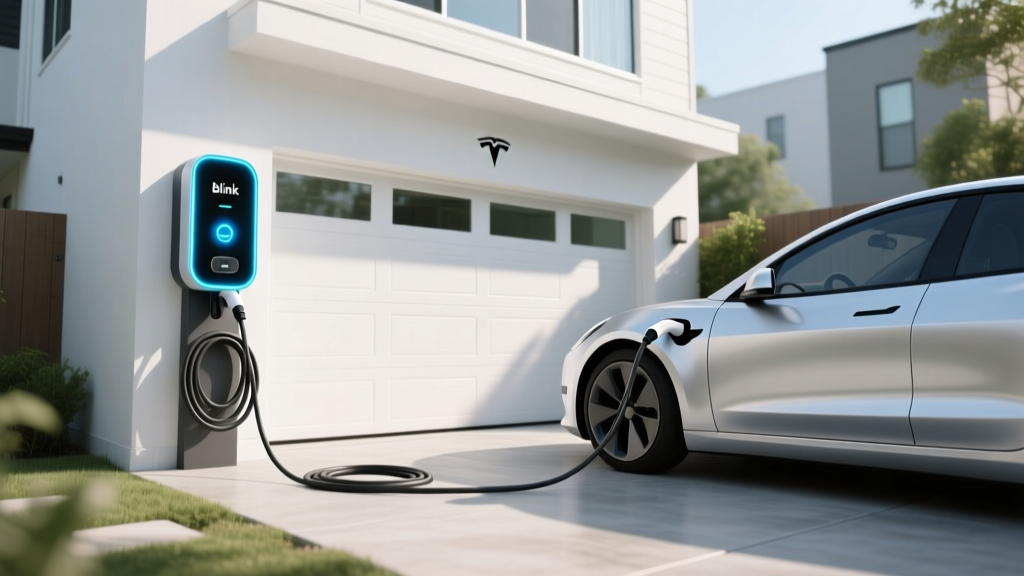
If you own or are considering a Tesla, the single most impactful upgrade you can make is a dedicated Level 2 home charging station. The home Tesla charging station cost ranges from roughly $500 for a simple plug-in setup to over $3,000 when electrical upgrades are required. The variance isn't random — it depends on your home's electrical panel capacity, the distance between the panel and your parking spot, and whether you choose a hardwired or plug-in unit.
This guide breaks down every cost component, explains the electrical requirements, compares the best chargers for Tesla vehicles in 2026, and shows you what you'll actually pay per mile compared to gasoline.
Charging Levels Explained: Speeds in kW and Miles Per Hour
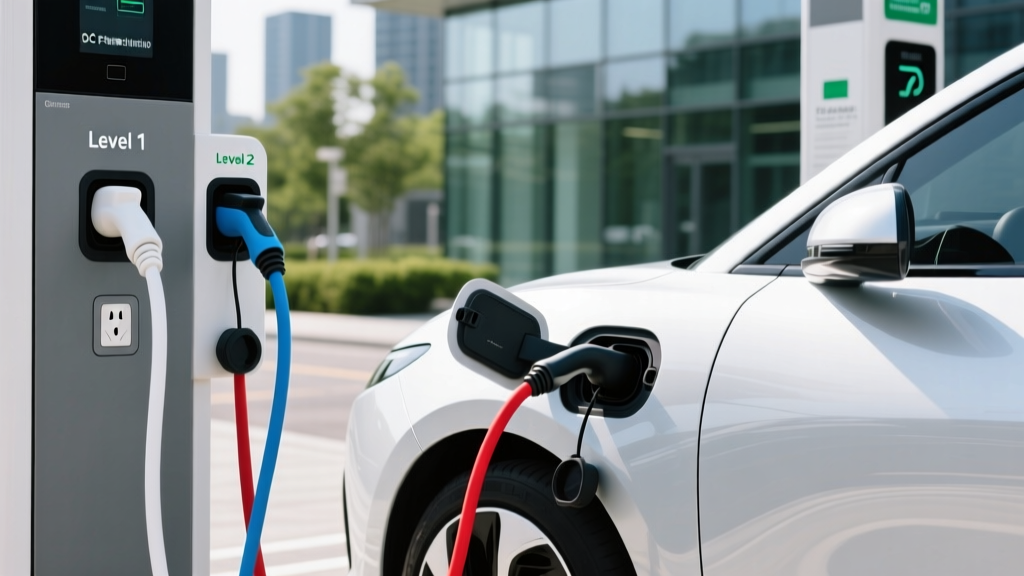
Before calculating costs, you need to understand the three charging levels and what they deliver. The critical distinction: kW (kilowatts) measures power — how fast energy flows into your car. kWh (kilowatt-hours) measures energy — the total capacity of your battery. Think of kW as the width of a hose and kWh as the size of the bucket.
| Level | Voltage | Power (kW) | Miles of Range Added Per Hour | Typical Use |
|---|---|---|---|---|
| Level 1 | 120V AC | 1.0–1.4 kW | 3–5 mi/hr | Overnight trickle; PHEVs or low-mileage drivers |
| Level 2 | 240V AC | 7.2–19.2 kW | 25–70+ mi/hr | Home daily charging; the standard for BEVs |
| DC Fast Charging | 400–800V DC | 50–350 kW | 150–1,000+ mi/hr (peak) | Road trips; Tesla Superchargers, Electrify America |
For a Tesla Model Y Long Range (81 kWh usable battery, EPA-estimated 310 miles), a Level 2 charger at 11.5 kW will add roughly 44 miles of range per hour. A full 10–80% charge takes about 5.5 hours — perfect for overnight charging. A Level 1 outlet on a standard 120V circuit would take over 3 days for the same charge, making it impractical as a primary charging method for any battery-electric vehicle.
Home Tesla Charging Station Cost: Full Install Breakdown
The total cost to install a home Tesla charging station breaks into three categories: the charger hardware, the electrician's labor and materials, and any necessary electrical panel upgrades. Here's what to budget for each scenario.
| Cost Component | Simple Install (Panel Adjacent) | Moderate Install (50–100 ft Run) | Complex Install (Panel Upgrade Needed) |
|---|---|---|---|
| Charger Equipment (Tesla Wall Connector or equivalent) | $400–$500 | $400–$500 | $400–$500 |
| Electrician Labor + Materials (wire, conduit, breaker) | $300–$600 | $800–$1,500 | $800–$1,500 |
| Electrical Panel Upgrade (100A → 200A service) | $0 | $0 | $1,500–$3,500 |
| Permit Fees | $50–$150 | $50–$200 | $100–$300 |
| Total Estimated Cost | $750–$1,250 | $1,250–$2,200 | $2,800–$5,800 |
What Drives the Cost Variance?
Wire run distance is the biggest labor variable. A 60-amp circuit requires 6 AWG copper wire (or 4 AWG aluminum), which costs $3–$6 per foot. A 100-foot run adds $300–$600 in wire alone, plus conduit and labor time.
Panel capacity is the sleeper cost. Most modern homes have 200-amp service, which can usually accommodate a 60-amp EV circuit. Older homes with 100-amp panels often need a service upgrade — a $1,500–$3,500 job that involves the utility company, a new meter base, and a full panel swap. Your electrician will perform a load calculation to determine if an upgrade is required.
Hardwired vs. plug-in matters too. A hardwired Tesla Wall Connector can deliver up to 11.5 kW (48 amps continuous on a 60-amp breaker). A NEMA 14-50 outlet limits you to 9.6 kW (40 amps continuous on a 50-amp breaker) but gives you the flexibility to unplug and take the charger with you if you move. Hardwired installations also avoid the roughly $75–$125 cost of a quality 14-50 receptacle and may not require GFCI breakers in some jurisdictions, saving $50–$100.
Electrical Requirements: What Your Home Needs
A Level 2 Tesla charging station requires a dedicated 240-volt circuit. Here are the standard configurations:
- 60-amp circuit / 48-amp continuous: Delivers 11.5 kW. Requires 6 AWG copper wire. This is the maximum the Tesla Wall Connector supports and the fastest home charging option for Tesla vehicles.
- 50-amp circuit / 40-amp continuous: Delivers 9.6 kW. Requires 6 AWG copper wire. Standard for NEMA 14-50 outlets. Adequate for overnight charging any Tesla model.
- 30-amp circuit / 24-amp continuous: Delivers 5.8 kW. Requires 10 AWG copper wire. Works for lower-mileage drivers or homes with limited panel capacity. Adds ~22 miles per hour to a Model Y.
- Dedicated circuit: Your EV charger must have its own breaker — no sharing with other appliances.
- GFCI protection: The 2023 NEC (National Electrical Code) requires GFCI protection for all outdoor receptacles and many indoor EV installations. Hardwired units may be exempt in some jurisdictions, which is one advantage of going hardwired.
- Outdoor rating: If your charger is installed outside (garage exterior, carport, driveway), it must carry a NEMA 4 or NEMA 4X weather rating. The Tesla Wall Connector is rated for indoor and outdoor use.
- Permit and inspection: Nearly all jurisdictions require an electrical permit for a new 240V circuit. Your electrician will pull the permit; the city or county inspector will verify the work meets code. Skipping this step risks insurance claim denial in the event of an electrical fire.
Which Chargers Work with Tesla? Connector Compatibility in 2026
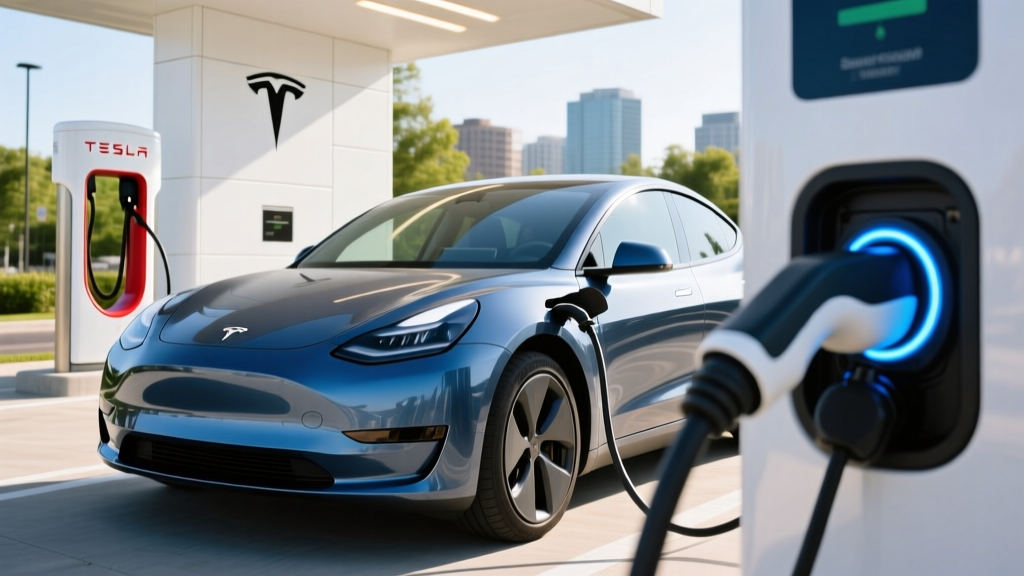
Tesla uses the North American Charging Standard (NACS) connector, which the company opened to the industry in late 2022. By 2026, NACS has become the dominant connector for new EVs in North America, with Ford, GM, Rivian, Volvo, Hyundai, and others adopting it. Here's how connector compatibility breaks down:
| Connector | Brands Using It (2026) | Adapter Needed for Tesla Charger? |
|---|---|---|
| NACS (Tesla) | Tesla, Ford, GM, Rivian, Volvo, Polestar, Hyundai, Kia (new models) | No — native fit |
| CCS1 | Older VW ID.4, BMW iX, some pre-2025 models still on road | Yes — Tesla-to-CCS adapter (~$200–$250) |
| CHAdeMO | Nissan Leaf (legacy); effectively discontinued on new vehicles | Not compatible with Tesla Wall Connector |
If you own a Tesla and only plan to charge Teslas, any NACS charger will work natively. If you want to charge a non-Tesla EV that still uses CCS1, you'll either need a CCS-equipped charger or an adapter. Tesla sells a CCS Combo 2 adapter in some markets; in the US, third-party adapters from brands like Lectron or A2Z are available but verify they support the full amperage of your charger.
Best Home Chargers for Tesla Vehicles: 2026 Equipment Picks
Here are the top home chargers that work with Tesla's NACS connector, with exact specs and pricing.
Tesla Wall Connector (Gen 3)
- Max power output: 11.5 kW (48A on 60A circuit)
- Connector: NACS native
- Cable length: 24 feet
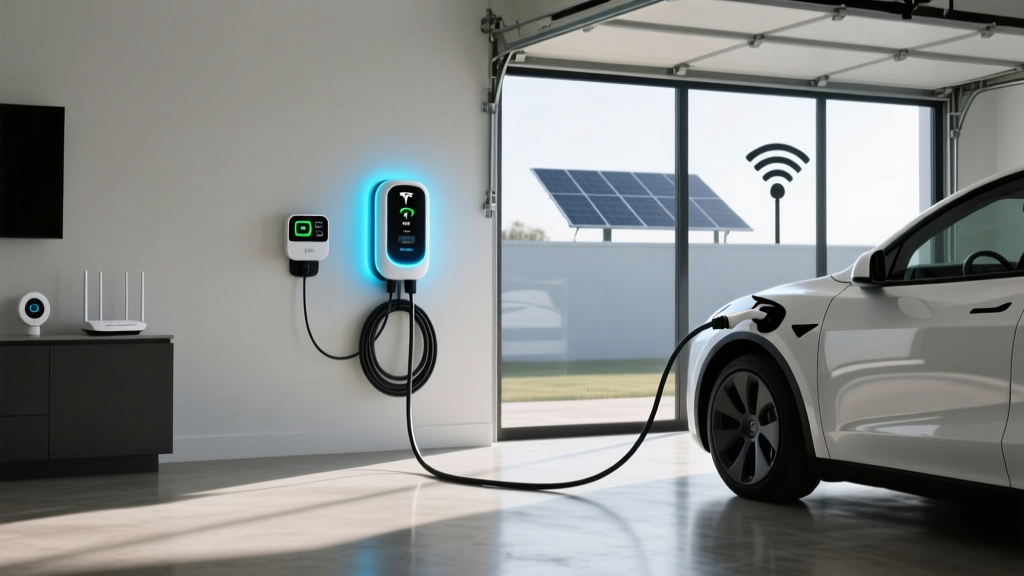
- Smart features: Wi-Fi connectivity, over-the-air firmware updates, load sharing (pair two units on one circuit), Power-Share with Tesla Powerwall
- Price: ~$475 (direct from Tesla)
- Best for: Tesla-only households wanting maximum charge speed and ecosystem integration
ChargePoint Home Flex (NACS Version)
- Max power output: 12 kW (50A on 60A circuit; adjustable down to 16A)
- Connector: NACS (2025+ models); CCS1 available separately
- Cable length: 23 feet
- Smart features: ChargePoint app scheduling, Alexa integration, amperage adjustment via app, detailed energy tracking
- Price: ~$550–$650
- Best for: Multi-EV households or buyers who want app-based amperage control to match panel capacity
Emporia Vue Smart EV Charger
- Max power output: 11.5 kW (48A on 60A circuit)
- Connector: NACS (2025+ models)
- Cable length: 24 feet
- Smart features: Solar integration with Emporia Vue energy monitor, time-of-use scheduling, real-time cost tracking, load management
- Price: ~$400–$500
- Best for: Solar-panel owners who want to charge exclusively on excess solar production
Grizzl-E Smart (NACS)
- Max power output: 10 kW (40A on 50A circuit)
- Connector: NACS
- Cable length: 24 feet
- Smart features: Basic app scheduling, adjustable amperage (16A–40A), OCPP-compatible for utility demand-response programs
- Price: ~$400
- Best for: Budget-conscious buyers who want a durable, Canadian-built unit with adjustable output
Cost Per Mile: Home Charging vs. Gasoline
The financial case for home charging is stark. Here's a comparison using a 2026 Tesla Model Y Long Range (310 miles EPA, ~3.6 miles/kWh efficiency) versus a comparable gas SUV averaging 28 MPG combined.
| Scenario | Cost per kWh / Gallon | Cost Per Mile | Annual Cost (12,000 mi) |
|---|---|---|---|
| Home charging (national avg. residential rate) | $0.16/kWh | $0.044/mi | $533 |
| Home charging (off-peak TOU rate) | $0.09/kWh | $0.025/mi | $300 |
| Home charging (California peak rate) | $0.35/kWh | $0.097/mi | $1,167 |
| Tesla Supercharger (avg. national) | $0.30/kWh | $0.083/mi | $1,000 |
| Public DC fast charger (non-Tesla) | $0.40/kWh | $0.111/mi | $1,333 |
| Gasoline SUV (28 MPG) | $3.30/gal | $0.118/mi | $1,414 |
Even at California's peak residential rates, home charging costs less per mile than gasoline. At off-peak time-of-use (TOU) rates — which most utilities offer for EV owners who schedule charging between 10 PM and 6 AM — the savings are dramatic: roughly $1,100 per year versus gas for 12,000 miles of driving.
According to fueleconomy.gov, the Tesla Model Y achieves 119 MPGe combined, translating to approximately 28 kWh per 100 miles. Use this figure with your local utility rate to calculate your exact cost per mile.
Charging Time Examples: 10–80% by Battery Size
Most EV owners charge between 10% and 80% state of charge for daily use — charging above 80% slows dramatically due to the battery management system tapering the charge rate to protect cell longevity. Here's what to expect on a home Level 2 charger:
- Tesla Model Y Long Range (81 kWh usable, 10–80% = 56.7 kWh): ~5 hours at 11.5 kW; ~6 hours at 9.6 kW
- Tesla Model 3 Performance (75 kWh usable, 10–80% = 52.5 kWh): ~4.5 hours at 11.5 kW; ~5.5 hours at 9.6 kW
- Tesla Cybertruck AWD (123 kWh usable, 10–80% = 86.1 kWh): ~7.5 hours at 11.5 kW; ~9 hours at 9.6 kW
- Tesla Model S Long Range (95 kWh usable, 10–80% = 66.5 kWh): ~5.8 hours at 11.5 kW; ~7 hours at 9.6 kW
For context, a typical overnight window of 8–10 hours is more than enough to replenish a full day's driving (30–60 miles) on any Tesla model, even at the lower 9.6 kW rate. You rarely need to charge from 10% to 80% in a single session unless you've taken a long road trip.
Federal and State Incentives for Home Charger Installation
The federal Alternative Fuel Vehicle Refueling Property Credit (IRC §30C) covers 30% of the cost of home EV charging equipment and installation, up to a maximum credit of $1,000. This applies to both the charger hardware and the electrician's labor.
Key eligibility details for 2026:
- The credit is non-refundable — it can reduce your tax liability to zero but won't generate a refund beyond that.
- The property must be located in an eligible census tract (generally non-urban or low-income communities). Check your census tract via the IRS eligibility tool.
- Both the equipment and installation costs qualify, so a $2,000 total install could yield a $600 credit.
- State and utility incentives may stack on top. Many utilities offer $250–$500 rebates for installing a smart Level 2 charger, and some states (California, Colorado, Massachusetts) have additional programs.
Always consult a tax professional for your specific situation — eligibility rules vary by location and tax year.
Frequently Asked Questions
How much does it cost to install a home Tesla charger?
The total home Tesla charging station cost typically falls between $750 and $2,200 for most homes with adequate 200-amp electrical service. Homes requiring a panel upgrade from 100A to 200A should budget $2,800–$5,800. The Tesla Wall Connector itself costs approximately $475, with the remainder going to electrician labor, wire, conduit, breakers, and permits.
How fast will each charging level add range to my Tesla?
Level 1 (120V) adds 3–5 miles per hour — too slow for daily BEV use. Level 2 at 11.5 kW (48A) adds approximately 44 miles per hour to a Model Y. DC fast charging at a Tesla Supercharger (250 kW peak) can add up to 200 miles in 15 minutes, though the charge rate tapers significantly above 80% state of charge.
Which connector is compatible with my Tesla?
All Tesla vehicles use the NACS connector natively. The Tesla Wall Connector, ChargePoint Home Flex (NACS version), Emporia Vue charger, and Grizzl-E Smart (NACS) all plug directly into any Tesla without an adapter. If you also own a non-Tesla EV with a CCS1 port, you'll need either a CCS-equipped charger or a NACS-to-CCS adapter.
How much does charging cost per mile compared to gas?
At the national average residential electricity rate of $0.16/kWh, charging a Tesla Model Y at home costs approximately $0.044 per mile — roughly 63% less than a 28 MPG gas SUV at $3.30/gallon ($0.118/mile). With off-peak time-of-use rates at $0.09/kWh, the cost drops to $0.025 per mile, saving over $1,100 annually for a driver covering 12,000 miles.
What electrical upgrades might I need for a home Tesla charger?
The most common upgrade is a panel capacity increase from 100 amps to 200 amps, required when your existing panel cannot support the additional 60-amp load of an EV charger alongside your home's other electrical demands. Your electrician will perform a NEC Article 220 load calculation. Other potential upgrades include adding a sub-panel in the garage, upgrading the service drop from the utility, or installing a new meter base. These upgrades add $1,500–$3,500 to your total project cost.
Is a hardwired or plug-in charger better?
Hardwired chargers deliver maximum power (11.5 kW vs. 9.6 kW on a 14-50 plug), may not require GFCI breakers (saving $50–$100), and are more weather-resistant for outdoor installs. Plug-in units (NEMA 14-50) offer portability — you can unplug and take the charger when you move — and allow you to use the same outlet for other 240V equipment. For most Tesla owners who plan to stay in their home, hardwired is the better choice.