The Shift to Level 2 Home Charging
Transitioning to an electric vehicle (EV) fundamentally changes how you fuel your daily commute. While Level 1 charging (120V) is sufficient for plug-in hybrids or low-mileage drivers, most EV owners quickly realize the necessity of Level 2 charging. According to the U.S. Department of Energy, over 80% of all EV charging occurs at home, making a reliable, high-speed residential setup the cornerstone of EV ownership. Among the various installation methods, the NEMA 14-50 outlet has emerged as the gold standard for residential Level 2 charging. But what does it actually cost to install one, and does the investment hold its value over time?
In this comprehensive cost and value breakdown, we will dissect the material expenses, labor rates, hidden electrical panel upgrades, and long-term return on investment (ROI) associated with installing a NEMA 14-50 receptacle for your EV.
Understanding the NEMA 14-50 Receptacle
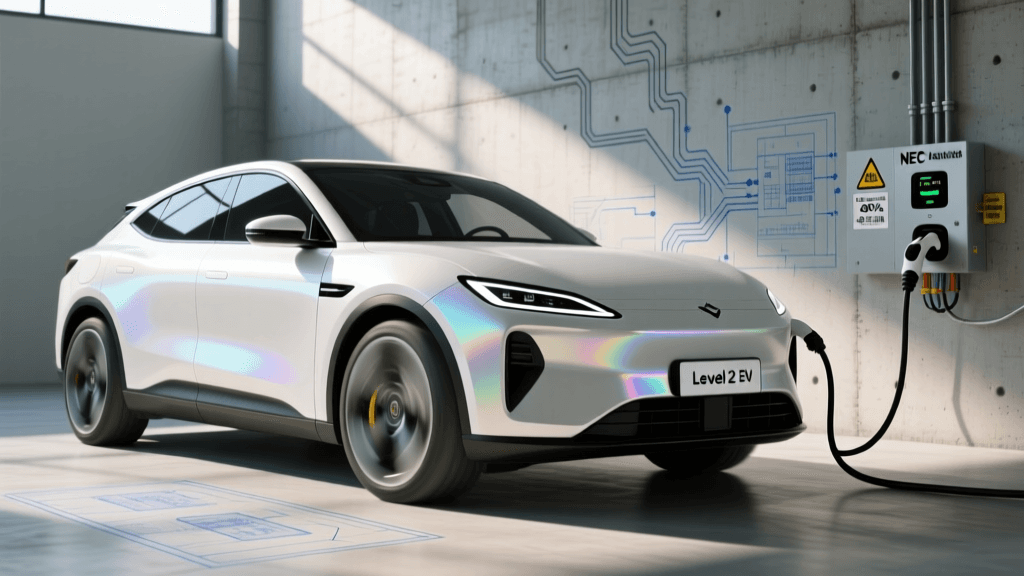
The NEMA 14-50 is a 240-volt, 50-amp receptacle commonly found in homes for high-draw appliances like electric ranges and RV hookups. For EV charging, it is typically wired to a 50-amp double-pole breaker. However, because EV charging is considered a "continuous load" (running for three hours or more), the National Electrical Code (NEC) mandates the 80% rule. This means a 50-amp circuit can only safely deliver a continuous 40 amps to your vehicle, yielding roughly 9.6 kW of charging power. This translates to approximately 25 to 35 miles of range added per hour of charging, depending on your vehicle's efficiency.
Itemized Material Costs: What You Are Paying For
The physical components required for a safe, code-compliant NEMA 14-50 installation are relatively inexpensive compared to the labor, but cutting corners here is a major fire hazard. The Electrical Safety Foundation International (ESFI) strongly warns against using cheap, residential-grade outlets for continuous EV charging loads, as they can overheat and melt.
- Industrial-Grade Receptacle ($40 - $80): You must purchase an industrial-grade NEMA 14-50R receptacle (such as the Hubbell 9450A or Bryant 9450FR). Cheap $15 alternatives from big-box stores often lack the internal contact pressure required for hours of continuous 40-amp draw, leading to thermal failure.
- 50-Amp Double-Pole Breaker ($15 - $30): Standard thermal-magnetic breakers are affordable, but if your local jurisdiction requires a GFCI breaker (more on this below), the cost jumps significantly.
- Wiring ($150 - $300): Electricians typically use 6 AWG copper wire (THHN/THWN) pulled through conduit, or 6/3 NM-B (Romex) if running through unfinished walls. Copper prices fluctuate, but expect to pay $3 to $6 per foot for high-gauge EV wiring.
- Conduit and Fittings ($50 - $150): If the wire is exposed in a garage or run along the exterior of the house, it must be protected by PVC or EMT metal conduit.
Labor and Electrician Fees
Labor is the most variable component of your NEMA 14-50 installation cost. Licensed electricians typically charge between $75 and $150 per hour. A straightforward installation—where the electrical panel is adjacent to the garage wall where the outlet will be placed—might take just two to three hours, costing $200 to $450 in labor.
However, complexity drives prices up. If your electrician needs to trench a concrete driveway, run conduit through an attic, or fish wires behind finished drywall, labor costs can easily exceed $1,000. On average, homeowners spend between $600 and $1,200 on labor for a standard NEMA 14-50 installation.
Hidden Costs: The GFCI Breaker Dilemma and Panel Upgrades
When budgeting for your EV outlet, you must account for modern electrical codes and your home's existing infrastructure.
The NEC GFCI Requirement
The 2020 and 2023 editions of the National Electrical Code (NFPA) require Ground Fault Circuit Interrupter (GFCI) protection for all 14-50 receptacles installed in garages and outdoor locations. A standard 50-amp GFCI breaker costs between $100 and $150, adding a noticeable premium to the project. Furthermore, some EV chargers have internal GFCI sensors that can cause "nuisance tripping" when paired with a GFCI breaker, requiring careful equipment selection or a switch to hardwiring.
Electrical Panel Capacity
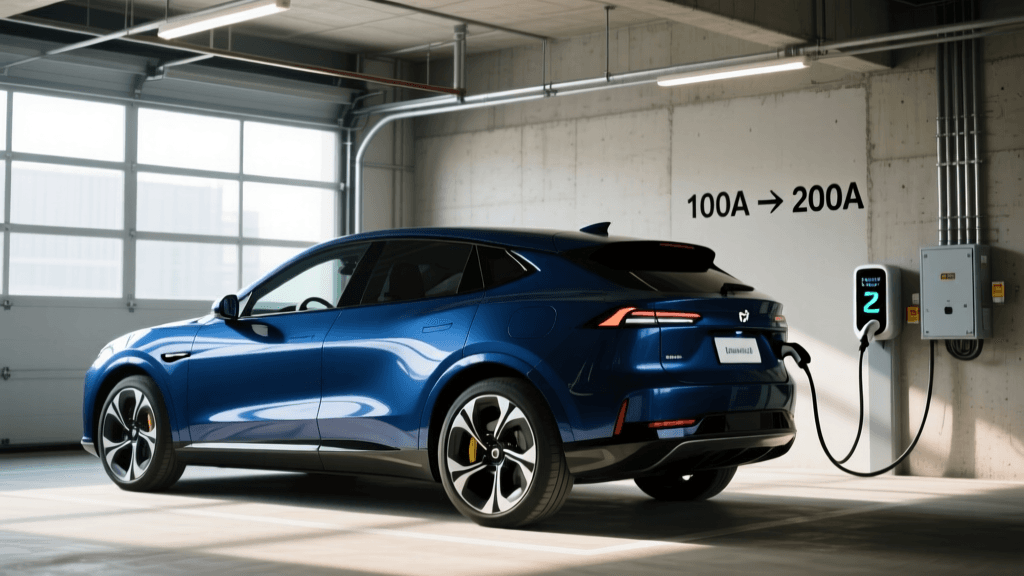
Before installing a 50-amp circuit, your electrician will perform a load calculation. If you have an older home with a 100-amp electrical panel, adding a 50-amp EV circuit will likely overload the system. Upgrading to a 200-amp panel costs between $1,500 and $3,000. Alternatively, homeowners can install an automated energy management system (like the Span smart panel or a simple load-shedding relay) which monitors home energy use and throttles the EV charger when other major appliances are running, avoiding a full panel upgrade.
Cost Comparison: NEMA 14-50 Receptacle vs. Hardwired Charger
Many EV owners debate whether to install a NEMA 14-50 outlet or hardwire a dedicated wall connector (like the Tesla Wall Connector or ChargePoint Home Flex). Below is a comparative breakdown of the two approaches.
| Feature | NEMA 14-50 Receptacle | Hardwired EV Charger |
|---|---|---|
| Average Total Cost | $800 - $1,500 | $600 - $1,200 (excluding charger cost) |
| GFCI Breaker Required? | Yes (Adds $100-$150) | No (Saves money) |
| Maximum Continuous Amps | 40 Amps (on a 50A circuit) | 48 Amps (on a 60A circuit) |
| Portability | High (Unplug and take with you) | None (Fixed to the wall) |
| Safety / Connection | Good (if industrial grade) | Excellent (Fewer failure points) |
While the NEMA 14-50 requires a more expensive GFCI breaker, it offers unmatched flexibility. If you move, you can take your portable EV charger with you. Additionally, the 14-50 outlet can be used for other high-draw tools, welders, or RV guests.
Permits, Inspections, and Code Compliance
Do not skip the permitting process. A permitted installation ensures the work is inspected by a local authority having jurisdiction (AHJ), verifying that wire gauges, torque specifications, and conduit depths meet safety standards. Permit fees generally range from $50 to $200 depending on your municipality. More importantly, unpermitted electrical work can void your home insurance policy in the event of an electrical fire and may cause issues during a future home sale inspection.
Long-Term Value and ROI
Installing a NEMA 14-50 outlet is not just an expense; it is a home improvement investment. As EV adoption accelerates, home charging infrastructure is becoming a highly sought-after feature in the real estate market. Zillow and Redfin data consistently show that homes with documented EV charging capabilities sell faster and often command a premium compared to similar homes without it.
Furthermore, the utility savings of charging at home on off-peak rates versus relying on public DC fast-charging networks (which can cost $0.40 to $0.60 per kWh) means the installation cost is often recouped within two to three years of driving. The flexibility of the NEMA 14-50 also future-proofs your garage, allowing you to upgrade to different portable charging units as battery technology and EV standards evolve.
Conclusion
The NEMA 14-50 outlet remains one of the most versatile and valuable upgrades an EV owner can make to their home. While the upfront costs—ranging from $800 to over $1,500 depending on labor and code requirements—may seem steep, the long-term convenience, property value enhancement, and fuel savings make it a highly cost-effective investment. By prioritizing industrial-grade materials, hiring licensed professionals, and adhering to the latest NEC guidelines, you ensure a safe, reliable, and high-value charging experience for years to come.