The Evolution of the Garage Electrical Assessment
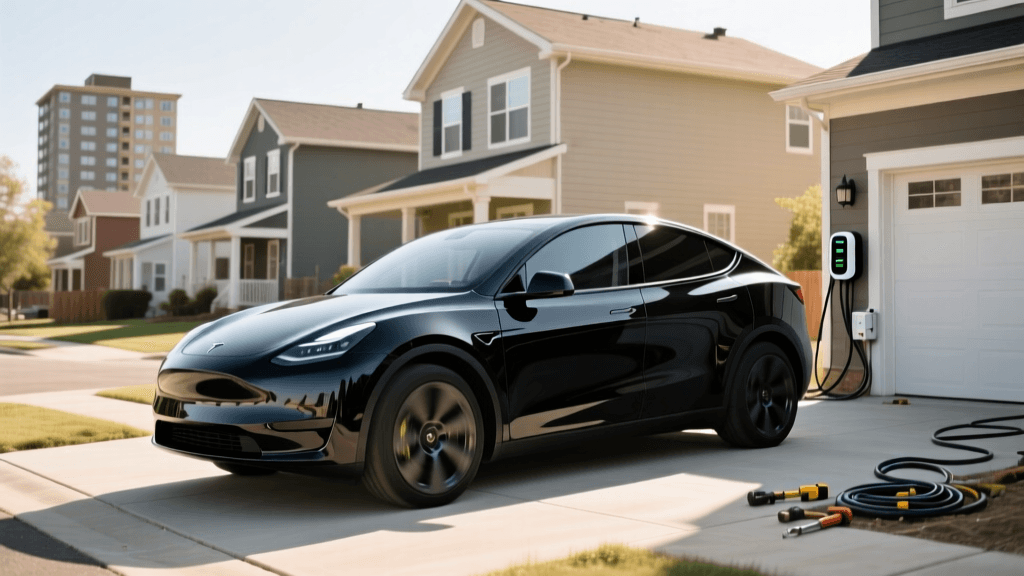
As the electric vehicle (EV) market accelerates, the residential garage is undergoing a radical transformation. It is no longer just a place to park; it is becoming a decentralized energy hub. Consequently, the standard garage electrical wiring assessment before an EV charger installation is evolving. Historically, an electrician's assessment focused on a single metric: ensuring the main electrical panel had enough spare amperage to support a 40-amp or 50-amp Level 2 circuit. Today, that narrow focus is dangerously outdated.
With the imminent mainstream adoption of bidirectional charging (Vehicle-to-Home and Vehicle-to-Grid), residential solar integration, and AI-driven smart electrical panels, a modern wiring assessment must look a decade into the future. Homeowners who only plan for a basic NEMA 14-50 receptacle today may find themselves facing tens of thousands of dollars in retrofitting costs when they upgrade to a bidirectional setup or add a second EV in the near future. Understanding the future trends in residential electrical infrastructure is critical for making cost-effective, forward-thinking decisions today.
Traditional vs. Future-Proof Wiring Assessments
To understand where the industry is heading, it is helpful to compare the legacy approach to garage wiring assessments with the modern, future-proof methodology. The table below outlines the critical shifts in how electrical contractors evaluate residential spaces for EV charging.
| Assessment Metric | Traditional Approach (Legacy) | Future-Proof Approach (Modern) |
|---|---|---|
| Panel Capacity | Check for 50A spare on a 100A/200A panel. | Evaluate for 200A-400A service; plan for smart load shedding. |
| Wiring Termination | NEMA 14-50 receptacle for portability. | Hardwired connection for safety, higher amperage, and V2H compatibility. |
| Conduit Planning | Run exact wire needed for current charger. | Install oversized conduit (e.g., 1.5-inch) to allow future wire pulling. |
| Grid Interaction | One-way power flow (Grid to Vehicle). | Prepare for bidirectional flow (V2H/V2G) and backup gateways. |
| Load Management | Manual calculation of continuous loads. | AI-driven smart panels with circuit-level monitoring and auto-throttling. |
Critical Future-Proofing Metrics for Your Garage
When conducting or commissioning a garage electrical wiring assessment today, several emerging technologies and industry standards must be factored into the blueprint.
1. Smart Electrical Panels and AI Load Management
The traditional breaker box is being replaced by smart electrical panels, such as those developed by SPAN.IO or Leviton. These panels utilize AI and current transformers (CT clamps) to monitor energy usage at the individual circuit level in real-time. During a modern wiring assessment, the electrician should evaluate whether your home can benefit from a smart panel upgrade. Instead of performing a costly service upgrade from 200 amps to 400 amps, a smart panel can dynamically throttle the EV charger's power draw when high-load appliances (like an electric oven or HVAC system) are in use. This software-defined load management is a cornerstone of the Environmental Protection Agency's (EPA) recommendations for modernizing home energy infrastructure without overburdening local grid transformers.
2. Conduit Oversizing and Wire Gauge Planning
One of the most practical and cost-effective future-proofing strategies identified during a wiring assessment is conduit oversizing. If you are currently installing a 48-amp Level 2 charger that requires 6 AWG copper wire, pulling that wire through a standard half-inch conduit might meet current code. However, if you plan to add a second EV, install a DC fast-charging unit, or integrate a heavy-duty battery backup system later, you will need much thicker wires (such as 4/0 AWG). By instructing your electrician to install 1.5-inch or 2-inch PVC or EMT conduit during the initial rough-in, you save thousands of dollars in future drywall demolition and conduit replacement. You simply pull the new, thicker wires through the existing pipe when the time comes.
3. Bidirectional Charging (V2H and V2G) Readiness
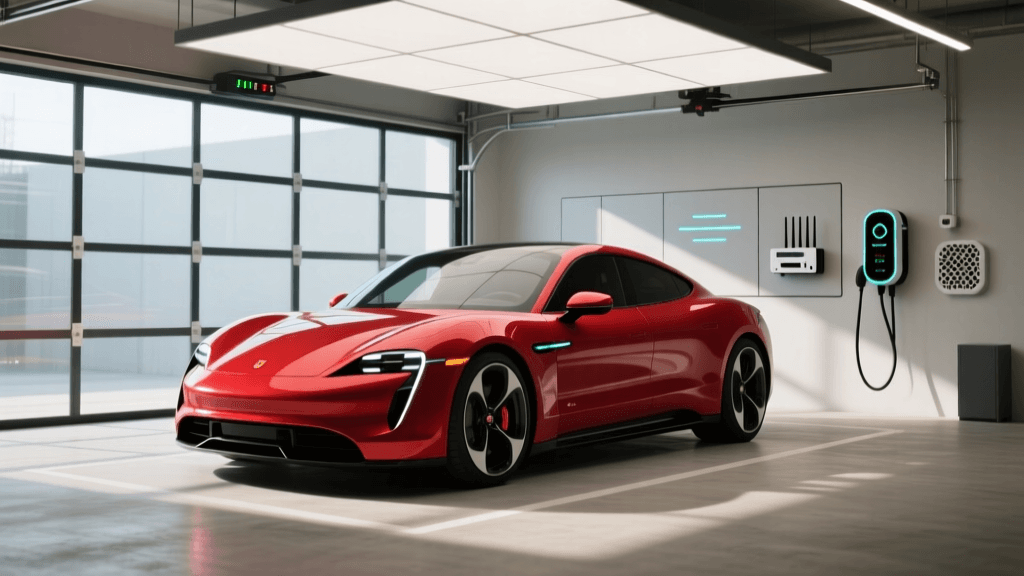
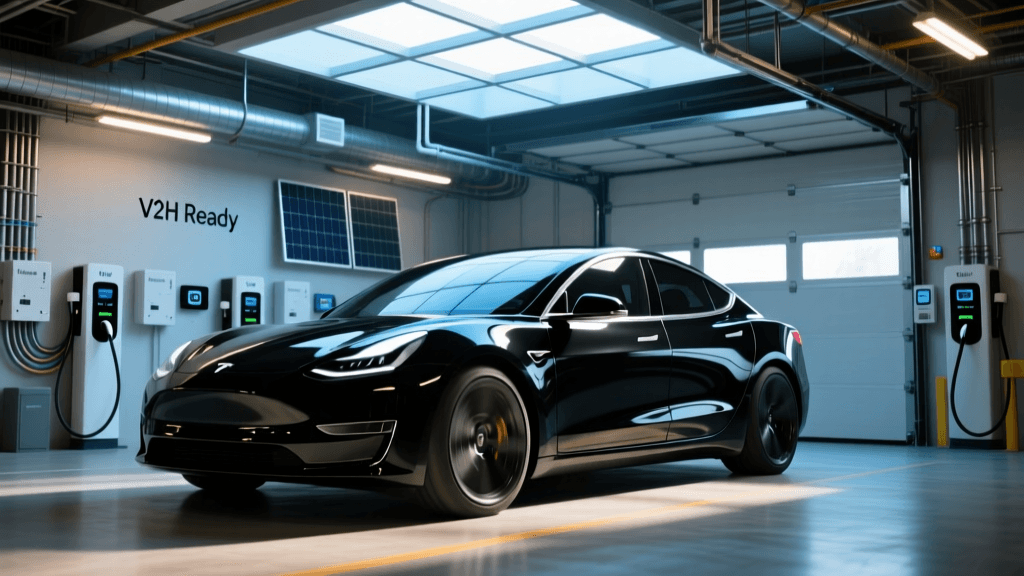
Vehicle-to-Home (V2H) and Vehicle-to-Grid (V2G) technologies are the next frontier of EV ownership. Vehicles like the Ford F-150 Lightning, Chevrolet Silverado EV, and Hyundai Ioniq 5 are capable of powering a home for days during a blackout. However, V2H requires vastly different garage wiring than standard Level 2 charging. An assessment for V2H readiness must account for the installation of a backup gateway or transfer switch, which isolates your home from the grid during an outage to prevent back-feeding and protect utility workers. According to research by the National Renewable Energy Laboratory (NREL), seamless vehicle-grid integration requires specialized 4-quadrant inverters and dedicated, isolated sub-panels in the garage to manage the two-way power flow safely. If your garage assessment does not include physical space and conduit routing for a backup gateway, you are not ready for the bidirectional future.
Emerging Trends: Wireless Pads and DC Fast Charging
Looking further ahead, the physical nature of the EV charger is changing. Companies like WiTricity are pioneering magnetic resonance wireless charging pads embedded directly into the garage floor. A forward-thinking wiring assessment should consider sub-slab conduit routing. If you are pouring a new garage pad or doing a major renovation, laying dormant conduit beneath the concrete where the vehicle's front or rear axle will naturally rest can prepare your home for wireless charging without the need to jackhammer concrete later.
Additionally, while Level 2 AC charging is the current standard, the dropping costs of residential DC Fast Chargers (DCFC) are making them a viable prospect for high-end residential setups. DCFC units require three-phase power or massive single-phase amperage (often 100A to 125A continuous). Assessing the main service lateral and the utility transformer's capacity is a necessary step for homeowners who anticipate wanting 15-minute home charging speeds in the next five to ten years.
How to Interview Your Electrician for a Future-Ready Install
Not all electrical contractors are up to speed on the rapid evolution of EV infrastructure. When hiring a professional for your garage wiring assessment, use the following checklist to ensure they possess the necessary forward-thinking expertise:
- Ask about Article 625: Ensure they are intimately familiar with the latest National Fire Protection Association (NFPA) National Electrical Code (NEC) Article 625, which governs Electric Vehicle Charging Systems, including recent updates on load management and V2G systems.
- Request a Load Calculation Report: Do not accept a 'visual guess.' The electrician should perform a formal NEC Article 220 load calculation, factoring in future electrification (heat pumps, induction stoves) alongside the EV charger.
- Inquire about Hardwired vs. Receptacle: A future-focused electrician will typically advocate for hardwired installations over NEMA 14-50 outlets due to superior thermal stability, higher continuous amperage limits, and the elimination of GFCI breaker nuisance tripping issues common in older receptacle setups.
- Discuss Solar and Battery Integration: Ask how they would wire the garage sub-panel to seamlessly integrate with a future Tesla Powerwall or Enphase IQ battery system. The physical placement of the EV charger relative to the main panel and future battery inverters matters immensely for wire run lengths and voltage drop.
Conclusion
The garage electrical wiring assessment is no longer a simple checklist; it is a strategic infrastructure planning session. As the automotive industry shifts toward bidirectional energy flow, AI-managed smart panels, and ultra-fast home charging, the copper and conduit you lay down today will dictate your home's energy resilience for the next two decades. By prioritizing oversized conduit, smart load management compatibility, and V2H spatial planning, homeowners can transform their garages from simple parking spaces into sophisticated, future-proof energy command centers. Investing in a comprehensive, forward-looking assessment today is the most effective way to safeguard your home against the expensive electrical retrofits of tomorrow.