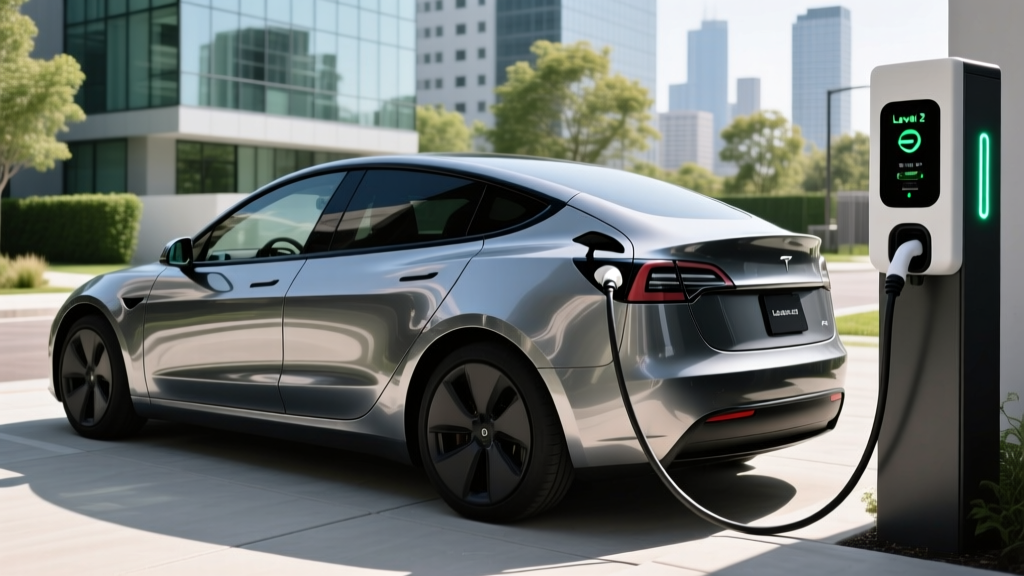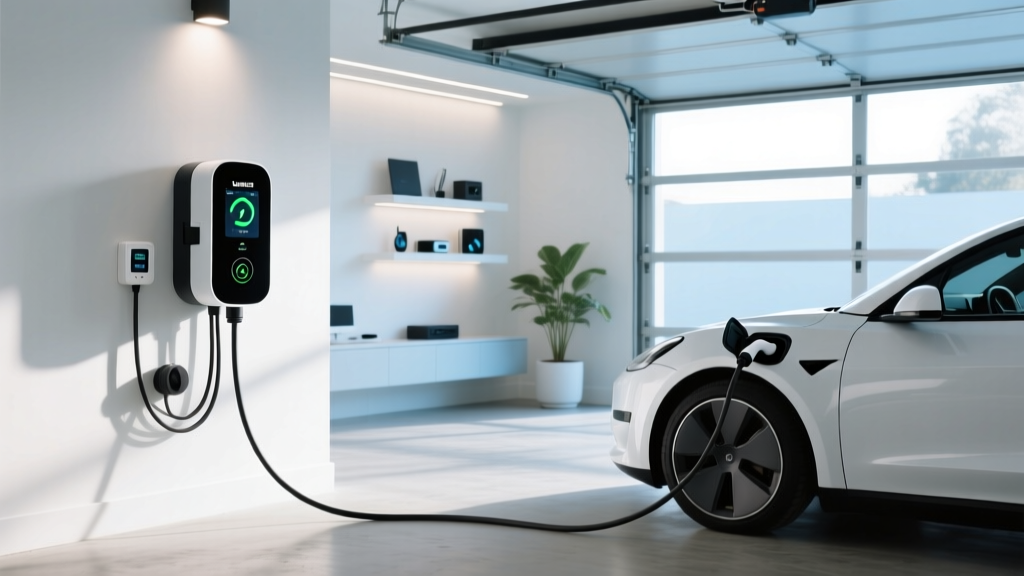
If you drive an electric vehicle in Florida — or are about to buy one — understanding how FPL charging works at home is the single biggest factor in your daily ownership experience. Florida Power & Light serves over 5 million accounts across the state, and its rate structure, time-of-use options, and home-charging realities differ meaningfully from utilities in other regions. This guide covers everything from Level 1 through DC fast charging speeds, the real cost of a 240V home installation in Florida, which connector your EV needs, and how FPL's per-kWh pricing compares to gasoline on a cost-per-mile basis.
Charging Levels Explained: Speeds, kW, and Range Added Per Hour
Before evaluating costs or equipment, you need clarity on the three charging tiers available to EV owners. The distinction between kW (kilowatts — the rate of power delivery) and kWh (kilowatt-hours — the total energy stored in your battery) is foundational. Think of kW as how fast water flows through a hose, and kWh as the total gallons in your bucket.
| Level | Voltage | Power (kW) | Miles of Range Added Per Hour | Typical Use Case |
|---|---|---|---|---|
| Level 1 | 120V AC | 1.2–1.9 kW | 3–5 mi/hr | Overnight top-ups, PHEVs, low-mileage drivers |
| Level 2 | 240V AC | 7.2–19.2 kW | 20–60 mi/hr | Daily home charging, workplace, destination |
| DC Fast Charging | 400–800V DC | 50–350 kW | 150–800+ mi/hr (peak) | Road trips, highway corridors, quick top-ups |
A few real-world caveats: Level 1 on a standard 120V household outlet adds roughly 4 miles per hour — adequate for a plug-in hybrid with 30 miles of electric range, but painfully slow for a 300-mile BEV. Level 2 at 48 amps (11.5 kW) is the practical home standard, fully replenishing most EVs overnight. DC fast charging peaks at high kW only between roughly 10–50% state of charge; above 80%, the charge curve tapers sharply to protect battery health, meaning the last 20% can take as long as the first 60%.
FPL EV Charging Rates: Time-of-Use and Cost Per kWh
Florida Power & Light offers a dedicated EV Rate (Schedule EV) for residential customers who install a separately metered Level 2 charger. As of 2026, the key advantage is significantly reduced off-peak pricing when you charge overnight. Here's what typical FPL rate scenarios look like:
| Scenario | Rate ($/kWh) | Notes |
|---|---|---|
| FPL Schedule EV — Off-Peak (overnight) | $0.08–$0.10 | Requires separate meter; best for daily charging |
| FPL Standard Residential — On-Peak | $0.14–$0.17 | Default rate without EV schedule enrollment |
| Public Level 2 (ChargePoint, EVgo, etc.) | $0.25–$0.49 | Varies widely by network and location |
| DC Fast Charging (Electrify America, Tesla Supercharger) | $0.35–$0.55 | Idle fees may apply; membership discounts available |
The off-peak window under FPL's EV rate typically runs from roughly 10 PM to 6 AM. If you're charging a 75 kWh battery (like the Tesla Model Y Long Range) from 10% to 90% at $0.09/kWh off-peak, you're paying about $5.40 for roughly 240 miles of range. That same distance in a 28 MPG gas car at $3.30/gallon would cost $28.29 — a savings of over $22 per fill-up.
Cost Per Mile: EV Charging vs. Gasoline in Florida
Let's run concrete numbers comparing popular EVs against their gas counterparts using Florida-specific fuel and electricity prices.
| Vehicle | Efficiency | Cost Per Mile (FPL Off-Peak $0.09/kWh) | Cost Per Mile (Gas at $3.30/gal) | Annual Savings (12,000 mi) |
|---|---|---|---|---|
| Tesla Model Y LR (AWD) | 28 kWh/100 mi | $0.025 | — | — |
| Toyota RAV4 (Gas AWD) | 30 MPG | — | $0.110 | $1,020 |
| Hyundai Ioniq 5 (RWD) | 30 kWh/100 mi | $0.027 | — | — |
| Honda CR-V (Gas AWD) | 28 MPG | — | $0.118 | $1,092 |
| Ford F-150 Lightning (Std Range) | 49 kWh/100 mi | $0.044 | — | — |
| Ford F-150 (Gas, 20 MPG) | 20 MPG | — | $0.165 | $1,452 |
Even at FPL's standard on-peak residential rate of ~$0.15/kWh, EVs remain significantly cheaper per mile than gasoline. The savings multiply if you have rooftop solar, which can push your effective marginal charging cost near zero during daylight hours.
Home Charger Installation: Electrical Requirements and Costs
Installing a Level 2 charger at home in Florida involves three cost components: the charging equipment, the electrical work (including potential panel upgrades), and permitting. Here's what to expect.
Electrical Requirements
A typical Level 2 home charger requires a 240V dedicated circuit — the same voltage as your electric dryer or oven. The most common setup is a 60-amp breaker feeding a 48-amp continuous charger (electrical code requires circuits rated at 125% of continuous load). Some homes with older 100-amp or 150-amp service panels may need a panel upgrade to 200 amps to accommodate the additional load safely, especially if you already have electric HVAC, a water heater, and a dryer running.
Installation Cost Breakdown
| Component | Low End | High End | Notes |
|---|---|---|---|
| Level 2 Charger (Equipment) | $350 | $750 | 32A–48A hardwired or NEMA 14-50 plug |
| Electrician Labor (standard install) | $500 | $1,200 | Short run from panel to garage; longer runs cost more |
| Electrical Permit (Florida) | $50 | $200 | Varies by county/municipality |
| Panel Upgrade (if needed) | $1,500 | $3,500 | 100A→200A service upgrade; not always required |
| Total (no panel upgrade) | $900 | $2,150 | Most homes with 200A service |
| Total (with panel upgrade) | $2,400 | $5,650 | Older homes with 100A/150A panels |
Florida's humidity and salt-air exposure (especially coastal areas from Miami to Tampa) make outdoor-rated (NEMA 4) chargers and proper conduit essential. Always hire a licensed Florida electrician — unpermitted work can void your homeowner's insurance and create fire hazards.
FPL EV Rate Meter: If you enroll in FPL's Schedule EV rate, the utility may install a separate meter for your EV circuit. This meter tracks charging independently from your household usage, unlocking the lower off-peak rate. Contact FPL directly or visit FPL's EV rate page for current enrollment requirements and any associated meter-installation fees.
Connector Compatibility: NACS, CCS1, CHAdeMO, and Adapters
The EV charging connector landscape has shifted dramatically. As of 2026, the North American Charging Standard (NACS), originally developed by Tesla, has become the dominant connector for new vehicles. Here's what you need to know:
| Connector | Brands Using It (2026) | AC Level 2 | DC Fast | Adapter Available? |
|---|---|---|---|---|
| NACS (Tesla/J3400) | Tesla, Ford, GM, Rivian, Volvo, Polestar, Hyundai/Kia (2025+), Nissan (new models) | Yes | Yes (Supercharger + open networks) | CCS→NACS adapters from $200–$350 |
| CCS1 (Combo) | VW, BMW, older Hyundai/Kia, Stellantis, Mercedes (some) | Yes | Yes (Electrify America, EVgo, etc.) | NACS→CCS adapters available |
| CHAdeMO | Nissan Leaf (legacy), Mitsubishi Outlander PHEV | No (uses J1772) | Yes (declining network) | Limited; CHAdeMO→NACS rare/expensive |
Key takeaway for Florida buyers: If you're purchasing a 2025 or 2026 model-year EV, it almost certainly uses NACS or CCS1. Tesla Supercharger stations with Magic Dock built-in CCS adapters are expanding across Florida's I-4, I-95, and I-75 corridors, making the Tesla network accessible to CCS-equipped vehicles. For home Level 2 charging, all vehicles use either a NACS or J1772 connector (the AC standard), and most chargers ship with the appropriate plug or offer an adapter.
Recommended Home EV Chargers for FPL Customers
These are the Level 2 chargers we recommend based on reliability, smart features, and compatibility with Florida's climate and FPL's rate structure.
ChargePoint Home Flex
Power: Up to 11.5 kW (48A) at 240V
Connector: J1772 (NACS adapter included for newer models)
Cable Length: 23 feet
Smart Features: Wi-Fi, scheduled charging (syncs with FPL off-peak windows), energy tracking, Alexa integration
Price: ~$550–$650
Best For: FPL Schedule EV users who want automated off-peak scheduling
Tesla Wall Connector
Power: Up to 11.5 kW (48A) at 240V
Connector: NACS native
Cable Length: 24 feet
Smart Features: Wi-Fi, firmware OTA updates, load sharing (pair two units on one circuit), Powerwall integration
Price: ~$475
Best For: Tesla owners and NACS-equipped Ford/GM/Rivian drivers
Emporia Vue Level 2 Charger
Power: Up to 11.5 kW (48A) at 240V
Connector: J1772 (NACS version available)
Cable Length: 24 feet
Smart Features: Real-time energy monitoring (pairs with Emporia home energy monitor), solar-aware charging, scheduled charging
Price: ~$400–$500
Best For: Budget-conscious buyers and solar-panel owners
All three units are NEMA 4 outdoor-rated (important for Florida garage/carport installs), support hardwired or NEMA 14-50 plug installation, and are eligible for any available alternative fuel vehicle refueling property credit (up to 30% of equipment + installation cost, capped at $1,000, subject to census-tract eligibility per IRS §30C).
Charging Time Examples: 10% to 80% by Battery Size
Charging times depend on battery capacity (kWh), the charger's power output (kW), and the vehicle's onboard charge acceptance rate. Below are representative 10–80% times for common EVs on a 48A (11.5 kW) Level 2 home charger:
| Vehicle | Battery (Usable kWh) | Onboard AC Acceptance | 10–80% Time | Overnight Sufficient? |
|---|---|---|---|---|
| Tesla Model 3 RWD | 57.5 kWh (LFP) | 11.5 kW | ~4 hr 50 min | Yes (easily) |
| Tesla Model Y LR (AWD) | 75 kWh (NMC) | 11.5 kW | ~6 hr 15 min | Yes |
| Hyundai Ioniq 5 (RWD) | 74 kWh (NMC) | 10.9 kW | ~6 hr 30 min | Yes |
| Ford F-150 Lightning (Ext Range) | 131 kWh (NMC) | 19.2 kW* | ~7 hr 30 min (at 19.2 kW) | Yes (tight for 32A charger) |
| Chevrolet Equinox EV (2LT) | 85 kWh (NMC) | 11.5 kW | ~7 hr 10 min | Yes |
| Toyota Prius Prime (PHEV) | 13.6 kWh (NMC) | 3.3 kW | ~3 hr 30 min | Yes (Level 1 sufficient) |
*The F-150 Lightning Extended Range supports 19.2 kW AC charging with the optional 80A Pro Power onboard charger — most home installs at 48A will charge it at 11.5 kW, extending the 10–80% time to roughly 12+ hours. Plan accordingly for large-battery trucks.
For DC fast charging on road trips, the Ioniq 5's 800V architecture enables peak rates up to 240 kW, achieving 10–80% in approximately 18 minutes at a compatible station. The Tesla Model Y peaks around 250 kW at V3 Superchargers with a similar 10–80% window of ~15–20 minutes. Remember: these peak rates apply only in the mid-SoC range; charging above 80% slows considerably.
Safety, Code, and Florida-Specific Considerations
Florida's electrical code (based on the NEC with state amendments) and climate create specific requirements for EV charger installations:
- Dedicated circuit: Your Level 2 charger must be on its own dedicated breaker — never shared with other appliances. A 60A breaker for a 48A charger is standard.
- GFCI protection: NEC 2020 and later require GFCI protection for all EV receptacles (NEMA 14-50 outlets). Hardwired chargers are exempt from the GFCI requirement but are generally considered safer in humid environments. Many Florida electricians recommend hardwiring over plug-in for this reason.
- Outdoor rating: If your charger is mounted outside (carport, driveway pedestal, or exterior wall), it must carry a NEMA 4 or NEMA 4X rating for weather and water resistance. Florida's afternoon thunderstorms and salt spray make this non-negotiable.
- Hurricane considerations: Mount chargers above potential flood levels, especially in coastal and low-lying areas. Ensure conduit and wiring are rated for UV exposure if run along exterior walls.
- Load management: If your home's panel is near capacity, consider a smart charger with load-management features (like the Emporia or ChargePoint) that dynamically adjusts charging amperage based on your home's real-time electrical demand, avoiding breaker trips.
Always verify your electrician holds a current Florida license and pulls the required local permit. Inspections protect you — unpermitted electrical work can complicate home sales and insurance claims. For detailed code requirements, consult your county building department or refer to the National Electrical Code (NFPA 70) standards adopted by your jurisdiction.
Frequently Asked Questions About FPL Charging
How much does it cost to install a home EV charger with FPL?
Most Florida homeowners spend between $900 and $2,150 for a Level 2 charger installation (equipment, electrician, and permit) if no panel upgrade is needed. Homes with older 100A or 150A panels should budget an additional $1,500–$3,500 for a 200A service upgrade. FPL's separate EV meter for Schedule EV enrollment may involve additional utility-side costs — contact FPL for current fees.
How fast will each charging level add range to my EV?
Level 1 (120V) adds 3–5 miles per hour. Level 2 (240V, 48A) adds 25–40 miles per hour depending on vehicle efficiency. DC fast charging can add 150–300+ miles in 20–30 minutes at peak rates, though charging slows significantly above 80% state of charge.
Which connector does my EV use, and do I need an adapter?
2025–2026 model-year EVs from Tesla, Ford, GM, Rivian, Volvo, and newer Hyundai/Kia models use NACS. Most VW, BMW, and older Hyundai/Kia models use CCS1. The Nissan Leaf (legacy) uses CHAdeMO. For DC fast charging on networks that don't match your car's connector, adapters are available ($200–$350). For home Level 2 charging, the appropriate connector is included with most chargers or available as an adapter.
How much does FPL charging cost per mile compared to gas?
At FPL's off-peak EV rate (~$0.09/kWh), a typical EV costs $0.025–$0.044 per mile. A comparable gas vehicle at 28 MPG and $3.30/gallon costs $0.11–$0.12 per mile. That's roughly $1,000–$1,500 in annual fuel savings for 12,000 miles of driving.
What electrical upgrades might I need for a home charger?
Homes with a 200A service panel typically need no upgrade — just a dedicated 60A breaker. Homes with 100A or 150A panels, especially those running electric HVAC, water heaters, and dryers, may need a panel upgrade to 200A ($1,500–$3,500). A licensed electrician can perform a load calculation to determine if an upgrade is necessary.
Can I use solar panels to charge my EV on FPL?
Yes. Florida's strong solar resources make this an excellent pairing. With net metering through FPL, excess solar generation credits offset your charging costs. Pair a solar-aware charger (like the Emporia Vue) with your system to prioritize daytime solar charging. Your effective per-mile cost can approach zero during sunny months.