Why Charger Weight Matters for Your Home EV Setup
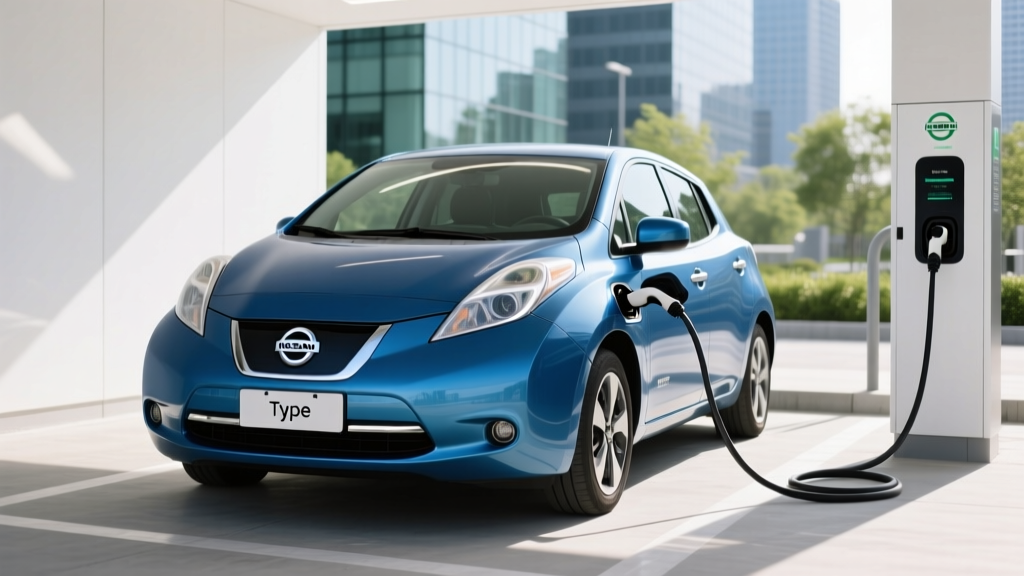
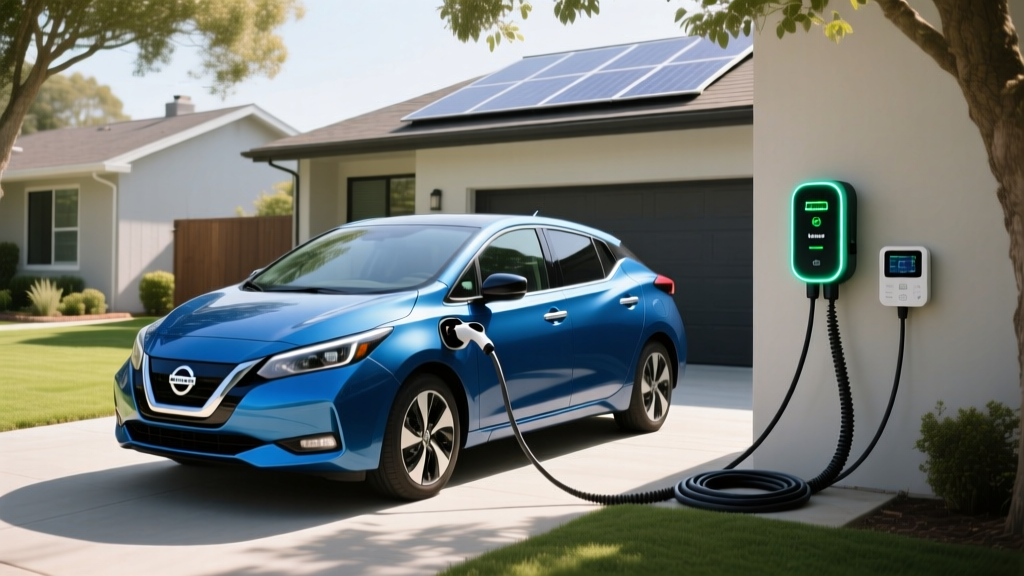
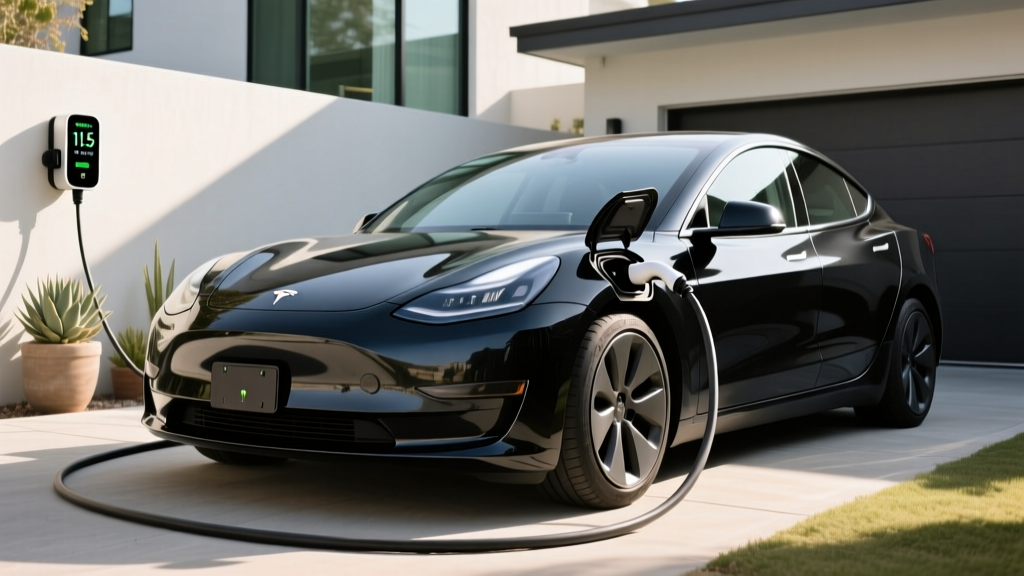
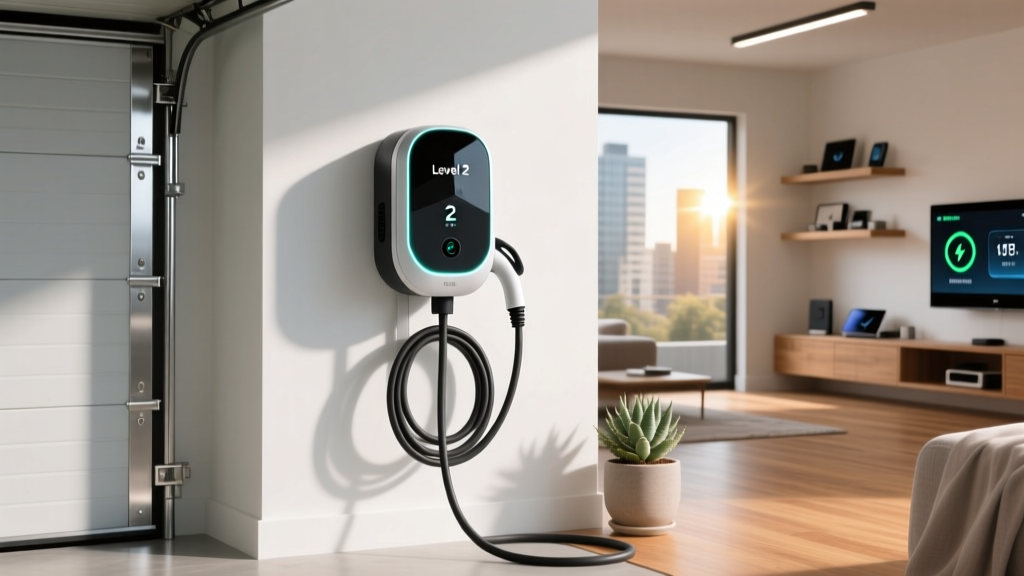
Most EV buyers obsess over range and price but overlook a surprisingly practical detail: the physical footprint of the charging hardware itself. Charger weight influences everything from wall-mounting requirements and drywall anchoring to portability for renters who may move. A typical Level 2 home EV charger weighs between 10 and 25 pounds, while the charging cable alone can add another 8 to 15 pounds depending on length and gauge.
Heavier units (usually those with longer 25-foot cables and integrated cable-management systems) demand proper stud mounting or masonry anchors. Lighter, compact units in the 8-to-12-pound range often work with heavy-duty drywall anchors, but a licensed electrician will almost always recommend anchoring to a stud for safety and code compliance.
This guide covers charger weight alongside every other factor you need to plan a home charging installation in 2026 — electrical requirements, cost breakdowns, connector compatibility, and equipment picks.
Charging Levels Explained: Speeds in kW and Miles Per Hour
Before selecting hardware, understand the three charging tiers available to EV owners. The critical distinction: kW (kilowatts) measures power — how fast energy flows into your battery — while kWh (kilowatt-hours) measures energy — the total capacity your battery stores. Think of kW as the width of a hose and kWh as the size of the bucket.
| Level | Voltage | Power (kW) | Miles of Range Added Per Hour | Typical Use |
|---|---|---|---|---|
| Level 1 | 120V AC | 1.0–1.4 kW | 3–5 mi/hr | Overnight top-ups, PHEVs, low-mileage drivers |
| Level 2 | 240V AC | 3.3–19.2 kW | 12–75 mi/hr | Primary home charging, workplace, destination |
| DC Fast Charge | 400–900V DC | 50–350+ kW | 150–1,200+ mi/hr (peak) | Road trips, highway corridors, fleet depots |
For a 75 kWh battery (common in vehicles like the Tesla Model Y or Hyundai Ioniq 5), a Level 1 trickle adds roughly 35 miles of range over a 10-hour overnight session. A 48-amp Level 2 unit (11.5 kW on a 60-amp circuit) adds approximately 275 miles in the same window — enough to fully replenish most EVs. DC fast charging operates on a curve: a 250 kW-capable vehicle might peak at 230 kW from 10–30% state of charge, then taper progressively, averaging closer to 100–130 kW across a full 10–80% session.
Home Installation: Electrical Requirements, Panel Upgrades, and Costs
A Level 2 home charger requires a dedicated 240-volt circuit, similar to what powers an electric dryer or oven. The most common residential setup is a 60-amp circuit with a 48-amp continuous-load charger (the National Electrical Code requires circuits to be rated 125% above the continuous load, so a 48A charger needs a 60A breaker).
What Electrical Up Might You Need?
Your home's electrical panel is the bottleneck. Most modern homes have a 200-amp service panel, which typically supports a 60-amp EV circuit without issue — provided there's physical space for a double-pole breaker and sufficient remaining capacity after accounting for existing loads (HVAC, electric range, water heater). Older homes with 100-amp service almost certainly need a panel upgrade to 200 amps, which adds significant cost.
Even with a 200-amp panel, an electrician will perform a load calculation per NEC Article 220. If your panel is already near capacity, options include:
- Downsizing the circuit to 40A (32A charger) or 30A (24A charger)
- Installing an automatic load-management device (e.g., Emporia or Span smart panel) that throttles the charger when other heavy appliances run
- Upgrading to 200A or 400A service, which involves utility coordination and a new panel
Installation Cost Breakdown
Below is a realistic cost range for a 2026 Level 2 home charger installation, based on national averages. Your actual cost depends on panel condition, conduit run length, local labor rates, and permit fees.
| Component | Simple Install (Panel Nearby) | Complex Install (Long Run / Panel Upgrade) |
|---|---|---|
| Level 2 Charger Unit (hardware) | $300–$700 | $300–$700 |
| Electrician Labor (2–4 hrs simple / 6–12 hrs complex) | $300–$800 | $800–$2,500 |
| Electrical Materials (wire, conduit, breaker, junction box) | $100–$300 | $300–$800 |
| Permit & Inspection | $50–$200 | $50–$300 |
| Panel Upgrade (if needed — 100A to 200A) | N/A | $1,500–$4,000 |
| Total Estimated Cost | $750–$2,000 | $2,950–$8,300 |
Some utilities and state programs offer rebates of $250–$1,000 toward charger equipment or installation. Check with your local utility and your state energy office for current programs. Note: the federal Residential Clean Energy Credit (IRS §25D) covers 30% of qualified home energy equipment through 2032, but EV chargers specifically were moved to the Alternative Fuel Vehicle Refueling Property Credit (§30C), which caps at $1,000 and has census-tract eligibility requirements. Consult a tax professional for your specific situation.
Connector Compatibility: NACS, CCS, and CHAdeMO in 2026
The connector landscape has consolidated significantly. As of 2026, the North American Charging Standard (NACS) — originally Tesla's proprietary connector — has been adopted by Ford, GM, Rivian, Hyundai, Kia, BMW, and most major automakers for new vehicles. CCS1 remains on many 2022–2025 model-year vehicles still on the road. CHAdeMO is effectively legacy, found primarily on older Nissan Leaf models.
| Connector | Brands Using It (New Vehicles) | Adapter Needed? |
|---|---|---|
| NACS (Tesla / SAE J3400) | Tesla, Ford, GM, Rivian, Hyundai, Kia, BMW, Volvo, Polestar, Mercedes-Benz | No — native on most 2025+ models |
| CCS1 (Combined Charging System) | Volkswagen ID.4 (2024 and earlier), older Ford/GM/Hyundai models | NACS-to-CCS adapter (~$200–$250) for Supercharger access |
| CHAdeMO | Nissan Leaf (legacy), Mitsubishi Outlander PHEV (older) | Limited public infrastructure; consider vehicle upgrade |
Home charger implication: If you buy a NACS-equipped home charger (increasingly common in 2026), it will plug natively into any new Tesla, Ford, or Hyundai. If your EV still uses CCS1, either buy a CCS-terminated charger or use the manufacturer-supplied adapter. Most quality adapters add roughly 1–2 pounds to the plug end and do not affect charging speed.
Charging Time Examples: 10–80% for Common Battery Sizes
Charging time depends on three variables: battery capacity (kWh), the vehicle's onboard charger acceptance rate (kW for Level 2), and the EVSE's output. Below are realistic 10–80% estimates for popular 2026 EVs on a 48-amp (11.5 kW) Level 2 home charger:
- Tesla Model Y (75 kWh usable, 11.5 kW onboard): ~5 hours 15 minutes (10–80%)
- Hyundai Ioniq 5 (77.4 kWh, 10.9 kW onboard): ~5 hours 30 minutes
- Ford F-150 Lightning Extended Range (131 kWh, 19.2 kW onboard): ~5 hours 45 minutes (at 80A circuit / 19.2 kW EVSE)
- Chevrolet Equinox EV (85 kWh, 11.5 kW onboard): ~5 hours 30 minutes
- Toyota bZ4X (71.4 kWh, 7.2 kW onboard): ~6 hours (limited by slower onboard charger)
For DC fast charging on a road trip, the same vehicles at their peak charge rates can achieve 10–80% in roughly 18–25 minutes (Hyundai/Kia E-GMP platform at 350 kW stations) to 35–45 minutes (older 400V architectures at 150 kW stations). Remember that charge curves taper significantly above 80% — charging from 80–100% on DC fast can take as long as 10–80%.
Cost to Charge: Per-Mile Cost vs. Gasoline
One of the strongest economic arguments for EVs is the fuel-cost advantage, but the savings vary dramatically depending on where and when you charge.
| Scenario | Rate ($/kWh) | Cost for 75 kWh Fill | Cost Per Mile (3.5 mi/kWh avg) | Annual Cost (12,000 mi) |
|---|---|---|---|---|
| Home — Off-Peak Utility Rate | $0.08–$0.12 | $6.00–$9.00 | $0.023–$0.034 | $275–$410 |
| Home — Standard Residential Rate | $0.14–$0.18 | $10.50–$13.50 | $0.040–$0.051 | $480–$620 |
| Public Level 2 (ChargePoint, etc.) | $0.25–$0.45 | $18.75–$33.75 | $0.071–$0.129 | $860–$1,540 |
| DC Fast Charging (Electrify America, EVgo) | $0.35–$0.55 | $26.25–$41.25 | $0.100–$0.157 | $1,200–$1,885 |
| Gasoline Vehicle (28 MPG avg, $3.40/gal) | — | — | $0.121 | $1,457 |
Home charging on an off-peak or time-of-use plan delivers the strongest savings — often 75–85% cheaper per mile than gasoline. Exclusive reliance on DC fast charging narrows the gap considerably and, in some high-cost markets, can approach or exceed gasoline costs. The practical takeaway: home charging access is the single biggest factor in EV operating economics.
Equipment Picks: Recommended Level 2 Home Chargers
Below are four well-regarded Level 2 chargers available in 2026, chosen for reliability, smart features, and value. All are UL-listed (or equivalent) and support NACS or CCS connectors.
Emporia Vue Level 2 EV Charger
- Power Output: 48A / 11.5 kW (requires 60A circuit)
- Connector: NACS (J3400) or CCS1 (configurable)
- Cable Length: 24 feet
- Charger Weight: ~14 lbs (unit only); ~22 lbs with cable
- Smart Features: Wi-Fi, app scheduling, solar integration with Emporia Vue energy monitor, load management
- Price: ~$399
- Best For: Budget-conscious buyers who want smart scheduling and solar-aware charging
ChargePoint Home Flex (2nd Gen)
- Power Output: Up to 50A / 12 kW (adjustable down to 16A via dip switches)
- Connector: NACS or CCS1 (available in both configurations)
- Cable Length: 23 feet
- Charger Weight: ~16 lbs (unit); ~24 lbs total with cable
- Smart Features: Wi-Fi, ChargePoint app, Alexa/Google Home, flexible amperage to match your circuit
- Price: ~$549–$599
- Best For: Homes with 40A–60A circuits that want a proven, flexible unit
WallConnector (Tesla, 3rd Gen with J3400)
- Power Output: 48A / 11.5 kW (60A circuit)
- Connector: NACS (native Tesla)
- Cable Length: 24 feet
- Charger Weight: ~11 lbs (unit); ~19 lbs with cable — among the lightest in class
- Smart Features: Wi-Fi, over-the-air updates, power sharing between two WallConnecters on one circuit, Tesla app integration
- Price: ~$475
- Best For: Tesla owners who want a lightweight, aesthetically minimal mount
Grizzl-E Smart (United Chargers)
- Power Output: 40A / 9.6 kW (50A circuit) — also available in 48A variant
- Connector: NACS or CCS1
- Cable Length: 24 feet
- Charger Weight: ~19 lbs (unit); ~28 lbs with cable — heavier due to rugged aluminum enclosure
- Smart Features: Wi-Fi, OCPP compatibility, adjustable amperage, extreme-temperature rated (-40°F to +122°F)
- Price: ~$549
- Best For: Outdoor installations in cold climates; the heavier weight reflects its durable metal build
Safety, Code, and Installation Best Practices
EV charger installation is regulated by the National Electrical Code (NEC) and your local authority having jurisdiction (AHJ). Key requirements for a safe, code-compliant installation:
- Dedicated circuit: Your Level 2 charger must be on its own dedicated double-pole breaker — it cannot share a circuit with other outlets or appliances.
- GFCI protection: NEC 2020 and later require ground-fault circuit-interrupter (GFCI) protection for all EV charging outlets. Many modern EVSEs have built-in GFCI, but your electrician will verify compliance.
- Outdoor rating: If your charger is mounted outside (garage exterior, carport, driveway), both the EVSE and the receptacle must carry a NEMA 3R or NEMA 4 weather-resistance rating. All units listed above meet this standard.
- Cable management: A 24-foot cable weighs 8–12 pounds and can stress the connector if left dangling on the ground. Use an integrated cable holster or a separate cable-management hook rated for the weight.
- Permit and inspection: Most jurisdictions require an electrical permit for a new 240V circuit. The inspection verifies wire gauge, breaker sizing, grounding, and GFCI compliance. Skipping the permit risks insurance claim denial in the event of an electrical fire.
Frequently Asked Questions
How much does it cost to install a home EV charger?
A straightforward Level 2 installation with a nearby 200-amp panel typically costs $750 to $2,000 all-in (equipment, labor, materials, and permit). If your home needs a panel upgrade from 100A to 200A service, or the conduit run exceeds 50 feet, expect $3,000 to $8,000+. Always get 2–3 quotes from licensed electricians and confirm they include the permit in their estimate.
How fast will each charging level add range?
Level 1 (120V) adds roughly 3–5 miles per hour — adequate for plug-in hybrids with 25–40 miles of electric range but painfully slow for a full EV. Level 2 (240V, 48A) adds 25–45 miles per hour depending on vehicle efficiency, replenishing most EVs overnight. DC fast charging at 150–350 kW adds 150–1,200+ miles per hour at peak, but real-world 10–80% sessions average 18–40 minutes due to charge-curve tapering.
Which connector is compatible with my EV?
For 2025–2026 model-year vehicles from Tesla, Ford, GM, Hyundai, Kia, Rivian, and BMW, the answer is almost certainly NACS (SAE J3400). Older CCS1 vehicles (2022–2024 model years from many brands) can use a NACS-to-CCS adapter for Supercharger access. Check your vehicle's charge port or owner's manual to confirm. For home chargers, buying a NACS-terminated unit is the most future-proof choice in 2026.
How much does charging cost per mile vs. gas?
Home charging on a standard residential rate costs roughly $0.04–$0.05 per mile, compared to approximately $0.12 per mile for a 28 MPG gasoline vehicle at $3.40/gallon. Off-peak utility rates can push EV costs below $0.03/mile. However, exclusive reliance on public DC fast charging at $0.40–$0.55/kWh brings costs to $0.10–$0.16/mile — near or above gasoline parity. The economic case for EVs is strongest when you can charge at home.
Does charger weight affect my installation?
Yes, indirectly. Chargers in the 15–25 lb range (unit plus cable) require secure mounting to a wall stud or masonry anchor. Lighter units around 10–14 lbs may work with heavy-duty drywall anchors, but most electricians will still recommend stud mounting for long-term reliability, especially in garages where cables get pulled and tugged. If you're mounting on an exterior wall with siding or stucco, the mounting surface must handle the combined weight plus wind load on the cable.
What if my electrical panel is maxed out?
If your load calculation shows insufficient capacity, you have three options: (1) downsize to a 32A or 24A charger that draws less from the panel, (2) install an automatic load-management device that dynamically reduces charging power when other appliances activate, or (3) upgrade your panel to 200A or 400A service. Option 3 costs $1,500–$4,000 but also adds home resale value and supports future electrification (heat pumps, solar, etc.).