If you've searched for home Level 2 chargers or public charging networks, you've likely encountered Enel X charging stations. The brand's JuiceBox line has been a staple of residential EV charging for years, and its public network spans workplaces, multifamily buildings, and commercial lots across North America. But Enel X's corporate story has been turbulent — including a 2024 Chapter 11 restructuring of its parent and shifting hardware availability — so buyers in 2026 need current, grounded information before committing.
This guide covers the Enel X ecosystem as it stands today: JuiceBox hardware specs, public network footprint, home installation costs, connector compatibility in the NACS era, and how Enel X compares to alternatives like ChargePoint, Tesla, and Emporia. Every figure below reflects real-world ownership, not marketing copy.
Enel X Charging Stations at a Glance: What the Brand Actually Offers
Enel X operates in two distinct EV-charging segments:
- Residential / commercial hardware (JuiceBox): Wi-Fi-connected Level 2 chargers for homes, workplaces, and multifamily properties. Models include the JuiceBox Pro 32, Pro 40, and Pro 48, delivering 7.7 kW to 11.5 kW on 240V circuits.
- Public and fleet network: Enel X provides networked Level 2 and DC fast charging hardware to commercial operators, municipalities, and fleet depots. These are managed via the Enel X JuiceNet software platform.
Important context: Enel X's North American EV charging division entered financial restructuring in late 2024. As of 2026, JuiceBox hardware is still available through major retailers and direct channels, and the JuiceNet app continues to receive firmware updates. However, buyers should verify current warranty support and software longevity before purchasing — more on this below.
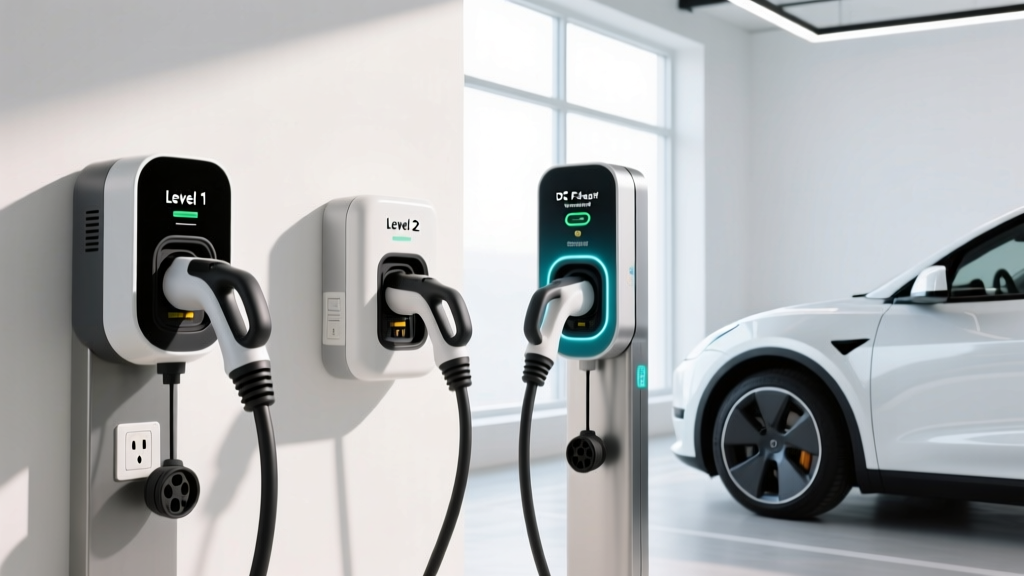
Charging Levels Explained: kW Speeds and Miles Added Per Hour
Before evaluating any Enel X charger, you need to understand the three charging levels and how they translate to actual range recovery. The critical distinction: kW (kilowatts) measures power — the rate of energy delivery, while kWh (kilowatt-hours) measures energy — the total capacity of your battery. A 48 kW charger delivers energy faster than a 7.7 kW charger, but both fill the same kWh battery.
| Level | Voltage | Power (kW) | Miles of Range Per Hour | Typical Use |
|---|---|---|---|---|
| Level 1 | 120V AC | 1.2–1.9 kW | 3–5 mi/hr | Overnight top-up, PHEVs, low-mileage drivers |
| Level 2 (JuiceBox Pro 40) | 240V AC | 9.6 kW | 25–35 mi/hr | Home daily charging, workplace, multifamily |
| Level 2 (JuiceBox Pro 48) | 240V AC | 11.5 kW | 30–42 mi/hr | Larger batteries (100+ kWh), faster overnight fills |
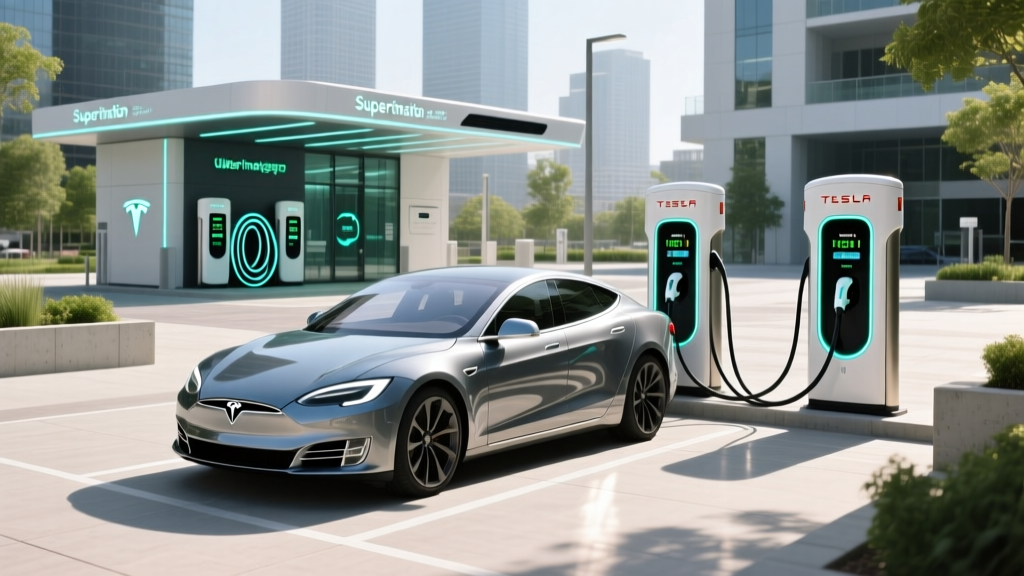
| DC Fast Charging | 200–900V DC | 50–350 kW | 150–1,000+ mi/hr | Road trips, highway corridors, commercial fleets |
Real-world charging time examples:
- Tesla Model Y (75 kWh battery, ~310 mi EPA): 10–80% on a JuiceBox Pro 48 (11.5 kW) takes roughly 5.5–6 hours. On a 250 kW DC fast charger, expect 10–80% in about 20–25 minutes (with preconditioning).
- Ford F-150 Lightning Extended Range (131 kWh usable, ~320 mi EPA): 10–80% on a JuiceBox Pro 48 takes approximately 9–10 hours. DC fast charging at 150 kW: 10–80% in roughly 40–45 minutes.
- Hyundai Ioniq 5 (77.4 kWh, ~303 mi EPA): 10–80% on Level 2 (11.5 kW) takes about 5 hours. On a 350 kW DC charger with preconditioning: 10–80% in approximately 18 minutes.
Note that DC fast charging speeds follow a charge curve: peak kW is only sustained between roughly 10–50% State of Charge. Above 80%, charging slows dramatically to protect battery health — this is why manufacturers quote 10–80% times, not 0–100%.
Home Installation: Electrical Requirements, Panel Upgrades, and Costs
Installing a JuiceBox or any Level 2 home charger requires a dedicated 240V circuit from your electrical panel. Here's what that involves and what it costs.
Electrical Requirements for Enel X JuiceBox Models
| Model | Max Output | Required Circuit | Amperage Draw | Wiring |
|---|---|---|---|---|
| JuiceBox Pro 32 | 7.7 kW | 40A breaker | 32A continuous | 8 AWG copper |
| JuiceBox Pro 40 | 9.6 kW | 50A breaker | 40A continuous | 6 AWG copper |
| JuiceBox Pro 48 | 11.5 kW | 60A breaker | 48A continuous | 4 AWG copper |
NEC (National Electrical Code) requires that continuous loads — which EV charging is classified as — not exceed 80% of a circuit breaker's rating. That's why a 40A charger needs a 50A breaker.
Installation Cost Breakdown
| Component | Simple Install (panel nearby) | Complex Install (long run or panel upgrade) |
|---|---|---|
| JuiceBox hardware (Pro 40/48) | $550–$700 | $550–$700 |
| Electrician labor (2–4 hrs typical) | $400–$800 | $1,000–$2,500 |
| Permit and inspection | $50–$200 | $100–$300 |
| Electrical panel upgrade (if needed) | $0 (not needed) | $1,500–$3,500 |
| Conduit, wiring, mounting hardware | $100–$250 | $300–$800 |
| Total estimated cost | $1,100–$1,950 | $3,450–$7,800 |
Panel upgrade reality: Homes built before 2000 often have 100A or 150A electrical panels. Adding a 50A or 60A EV circuit may max out available capacity, especially if you also run electric HVAC, a dryer, and an electric range. A licensed electrician will perform a load calculation per NEC Article 220 to determine if your panel can handle the additional draw. If not, a panel upgrade to 200A or 400A costs $1,500–$3,500 depending on your region and utility requirements.
Always hire a licensed electrician and pull a permit. Unpermitted EV charger installations can void homeowners insurance claims and create fire-safety risks. Per the National Fire Protection Association, EV charging circuits must comply with NEC Article 625.
Connector Compatibility: NACS, CCS1, CHAdeMO, and Adapters
The North American charging connector landscape has shifted dramatically since Tesla opened its Supercharger network and the NACS (North American Charging Standard, SAE J3400) connector became the industry standard. Here's how Enel X hardware fits in.
| Connector | Brands Using It (2026 models) | Enel X JuiceBox Availability | Adapter Needed? |
|---|---|---|---|
| NACS (J3400) | Tesla, Ford, GM, Rivian, Volvo, Polestar, Hyundai/Kia (2025+) | NACS-equipped JuiceBox models available | No — if you buy the NACS variant |
| CCS1 (J1772 + DC pins) | Legacy VW, BMW, older Hyundai/Kia, some Stellantis | J1772-equipped JuiceBox (Level 2) | No for Level 2; CCS-to-NACS adapter for DCFC on NACS vehicles |
| CHAdeMO | Nissan Leaf (discontinued 2025), Mitsubishi Outlander PHEV (older) | J1772 for Level 2 (CHAdeMO is DC-only) | N/A for home Level 2 |
Key buying advice for 2026: If your current or next EV uses NACS — which now includes nearly every major automaker — purchase a JuiceBox with a NACS connector. If you drive a vehicle with a J1772/CCS1 port (most pre-2025 non-Tesla EVs), the standard J1772 JuiceBox works natively for Level 2 charging. A NACS-to-J1772 adapter (approximately $200–$300) lets you use a NACS JuiceBox with a J1772 vehicle, preserving flexibility if you swap cars.
For public DC fast charging, connector compatibility depends on the station operator, not your home charger. Enel X's commercial DC fast chargers have historically offered CCS1 connectors; NACS-equipped DC stations are rolling out across networks including Tesla Superchargers (now open to non-Tesla EVs via NACS or adapter), Electrify America, and EVgo.
Cost to Charge: Home vs. Public vs. Gas per Mile
The economics of EV charging depend on your electricity rate, charging location, and vehicle efficiency. Here's a realistic comparison.
| Scenario | Rate | Vehicle Efficiency | Cost Per Mile |
|---|---|---|---|
| Home Level 2 (national avg electricity) | $0.16/kWh | 3.0 mi/kWh (112 MPGe) | $0.053 |
| Home Level 2 (off-peak TOU rate) | $0.09/kWh | 3.0 mi/kWh | $0.030 |
| Home Level 2 (California peak) | $0.35/kWh | 3.0 mi/kWh | $0.117 |
| Public Level 2 (Enel X / networked) | $0.25–$0.49/kWh | 3.0 mi/kWh | $0.083–$0.163 |
| DC Fast Charging (Electrify America / EVgo) | $0.35–$0.55/kWh | 3.0 mi/kWh | $0.117–$0.183 |
| Gasoline vehicle (28 MPG combined) | $3.40/gallon | 28 MPG | $0.121 |
The takeaway: Home charging — especially on off-peak time-of-use (TOU) rates — delivers the lowest per-mile cost of any fueling option, typically $0.03–$0.05/mile. Public DC fast charging, however, can equal or exceed gasoline costs on a per-mile basis. This is why home charging access is the single biggest factor in EV ownership economics.
For Enel X public stations specifically, pricing varies by site operator. Many Enel X-managed commercial chargers use the JuiceNet platform and charge $0.25–$0.49/kWh for Level 2 and higher for DCFC. Always check the JuiceNet app or station signage for current rates before plugging in.
For official efficiency data on any EV, consult the EPA's fueleconomy.gov database, which lists kWh/100mi and MPGe ratings for every EPA-certified electric vehicle.
Equipment Recommendations: JuiceBox vs. Competing Level 2 Chargers
Here's how Enel X's JuiceBox lineup compares to other leading home Level 2 chargers available in 2026.
Enel X JuiceBox Pro 48
- Power output: 11.5 kW (48A on 240V/60A circuit)
- Connector: J1772 or NACS (select at purchase)
- Cable length: 25 ft
- Smart features: Wi-Fi, JuiceNet app, scheduling, energy tracking, load sharing
- Price: ~$650–$700
- Considerations: Strong feature set, but Enel X's corporate restructuring raises long-term app/software support questions. Verify current warranty terms before purchasing.
ChargePoint Home Flex
- Power output: Up to 12 kW (50A, configurable down to 16A)
- Connector: J1772 or NACS
- Cable length: 23 ft
- Smart features: Wi-Fi, ChargePoint app, Alexa integration, flexible amperage
- Price: ~$600–$700
- Considerations: Configurable amperage is excellent for homes with limited panel capacity. Well-established company with reliable software support.
Tesla Wall Connector
- Power output: 11.5 kW (48A on 240V/60A circuit)
- Connector: NACS native; J1772 adapter included
- Cable length: 24 ft
- Smart features: Wi-Fi, over-the-air updates, power sharing between units, Tesla app
- Price: ~$475
- Considerations: Best value for NACS-vehicle owners. J1772 adapter included but less elegant than a native J1772 cable for non-Tesla EVs.
Emporia Level 2 EV Charger
- Power output: Up to 11.5 kW (48A)
- Connector: J1772 or NACS
- Cable length: 24 ft
- Smart features: Wi-Fi, Emporia energy ecosystem integration, solar-aware scheduling
- Price: ~$400–$500
- Considerations: Budget-friendly with excellent energy monitoring. Pairs well with Emporia's whole-home energy monitor for solar households.
Verdict: The JuiceBox Pro 48 remains a capable charger with robust smart features and load-sharing capability (useful for multi-EV households on a single circuit). However, Enel X's uncertain corporate trajectory means buyers should weigh the risk of diminished long-term app support. The ChargePoint Home Flex and Tesla Wall Connector offer comparable or better value with more stable corporate backing. If budget is paramount, the Emporia charger delivers strong features at the lowest price point.
Safety, Code Compliance, and Installation Best Practices
EV chargers draw significant continuous current — often for 6–10 hours straight. Proper installation isn't optional; it's a fire-safety requirement.
- Dedicated circuit: Your JuiceBox must be on its own dedicated breaker — never shared with other appliances. NEC Article 625 requires this for all EV supply equipment (EVSE).
- GFCI protection: The 2020 NEC and later require GFCI (Ground Fault Circuit Interrupter) protection for all receptacles used for EV charging in garages and outdoor locations. Hardwired installations may have different requirements — consult your electrician and local AHJ (Authority Having Jurisdiction).
- Outdoor rating: If mounting outdoors, ensure your JuiceBox model carries a NEMA 4 or IP65 rating for weather resistance. All current JuiceBox Pro models are rated for outdoor use, but verify the specific unit's rating.
- Permit and inspection: Most jurisdictions require an electrical permit for EV charger installation. Your electrician should pull this permit and schedule a post-installation inspection. Unpermitted work can void insurance coverage and create liability in the event of an electrical fire.
- Cable management: Use a wall-mounted cable organizer to prevent the charging cable from lying on the ground where it can be driven over, tripped on, or exposed to standing water.
For detailed code requirements, reference the NFPA's National Electrical Code and consult your local building department, as amendments vary by municipality.
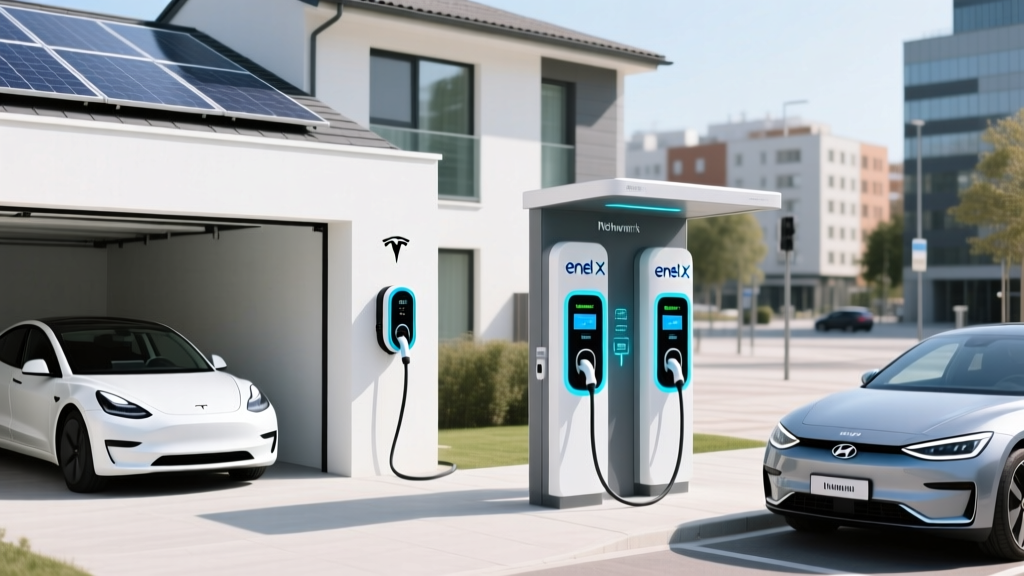
Enel X Public Network: Where You'll Find Commercial Stations
Enel X's public-facing charging footprint is primarily commercial and institutional rather than highway-corridor DCFC. You'll encounter Enel X JuiceNet-managed chargers at:
- Workplace parking garages and corporate campuses
- Multifamily apartment and condo buildings (Enel X has a significant presence in managed-property charging)
- Municipal parking lots and government facilities
- Retail locations and shopping centers (selected partners)
- Fleet depots (delivery vans, transit buses, municipal vehicles)
Enel X does not operate a consumer-facing highway DC fast charging network comparable to Electrify America, EVgo, or Tesla Superchargers. If you're planning road trips, you'll rely on other networks for DCFC. Use apps like PlugShare or A Better Routeplanner to map available chargers along your route.
For workplace or multifamily property managers evaluating Enel X commercial solutions: the JuiceNet platform offers load management, billing, and access control features that are well-suited to managed environments. Request a current quote and confirm service-level agreements given the company's restructuring.
Frequently Asked Questions
How much does it cost to install a home Enel X charger?
A straightforward JuiceBox Pro 40 or Pro 48 installation with the electrical panel nearby typically costs $1,100–$1,950 total (hardware + electrician + permit). If your home needs a panel upgrade or a long conduit run, expect $3,450–$7,800. Always get quotes from 2–3 licensed electricians and verify they include permit costs.
How fast will each charging level add range?
Level 1 (120V) adds 3–5 miles of range per hour — adequate only for PHEVs or very low daily mileage. Level 2 (240V, JuiceBox Pro 48 at 11.5 kW) adds 30–42 miles per hour, fully recharging most EVs overnight. DC fast charging adds 150–1,000+ miles per hour at peak power, enabling 10–80% fills in 18–45 minutes depending on the vehicle and charger.
Which connector and charger is compatible with my EV?
For 2025–2026 model-year EVs from Tesla, Ford, GM, Rivian, Hyundai, Kia, and Volvo, you likely have a NACS port — buy a NACS-equipped JuiceBox or Tesla Wall Connector. For older EVs with J1772/CCS1 ports, a J1772 JuiceBox works natively. Check your vehicle's charge port or owner's manual to confirm. Adapters are available for cross-compatibility but add cost and a connection point.
How much does charging cost per mile vs. gas?
Home Level 2 charging averages $0.03–$0.05 per mile on typical or off-peak electricity rates, compared to $0.12 per mile for a 28 MPG gasoline vehicle at $3.40/gallon. Public DC fast charging can cost $0.12–$0.18 per mile — sometimes matching or exceeding gasoline. The economic case for EVs is strongest when you charge at home.
What electrical upgrades might I need for a JuiceBox?
You need a 240V dedicated circuit with a 40A, 50A, or 60A breaker depending on the JuiceBox model. If your home has a 100A or 150A electrical panel and is already near capacity (electric HVAC, dryer, range, water heater), a panel upgrade to 200A or 400A may be required — adding $1,500–$3,500 to your installation. A licensed electrician will perform an NEC Article 220 load calculation to determine your panel's available capacity.
Is the JuiceNet app still supported after Enel X's restructuring?
As of early 2026, the JuiceNet app remains available and functional, and JuiceBox chargers continue to receive firmware updates. However, Enel X's North American EV division underwent Chapter 11 restructuring in late 2024, and the long-term trajectory of software support is uncertain. Before purchasing, confirm current warranty terms and app support commitments directly with Enel X or your retailer.
Can I use a JuiceBox with solar panels?
Yes. The JuiceBox Pro's scheduling feature lets you set charging windows to align with peak solar production hours (typically 10 AM–3 PM). For tighter integration, the Emporia charger pairs directly with Emporia's home energy monitor for real-time solar-aware charging — a more seamless solution if solar optimization is a priority.