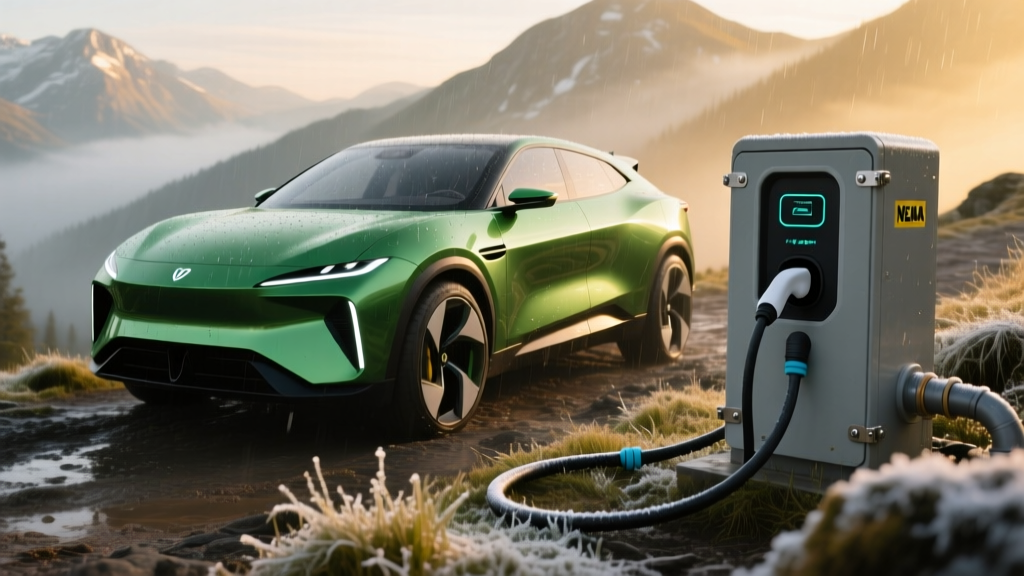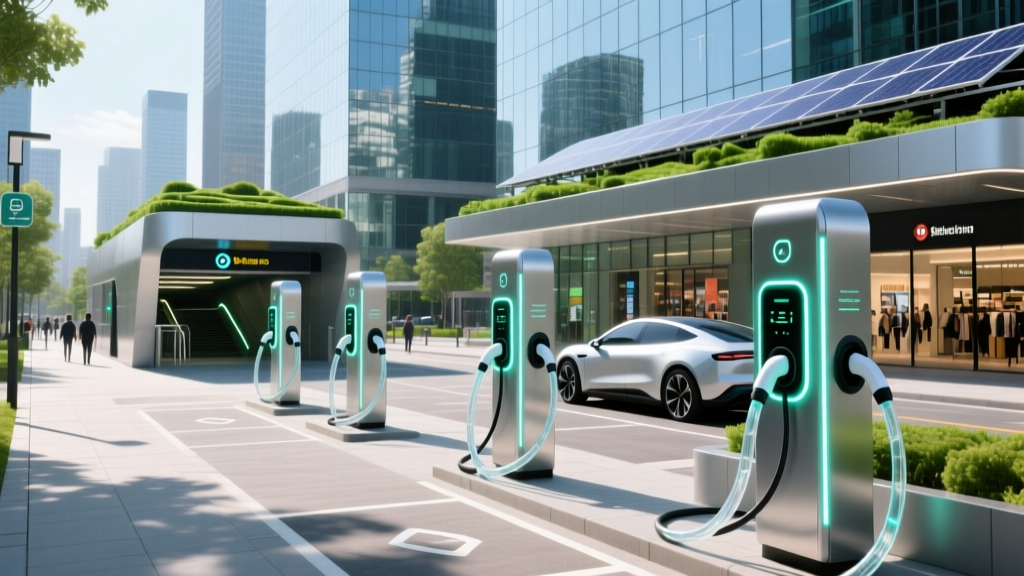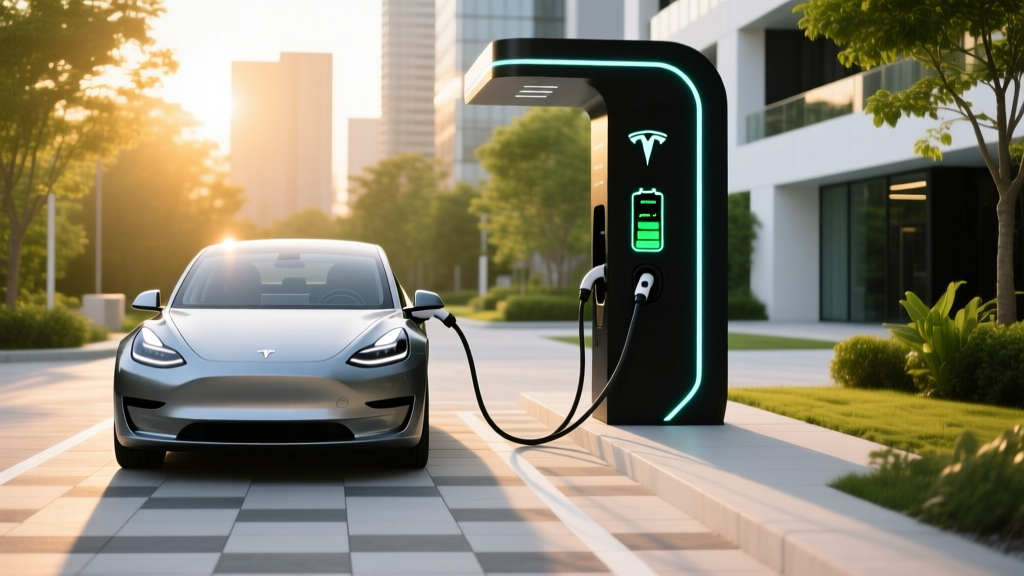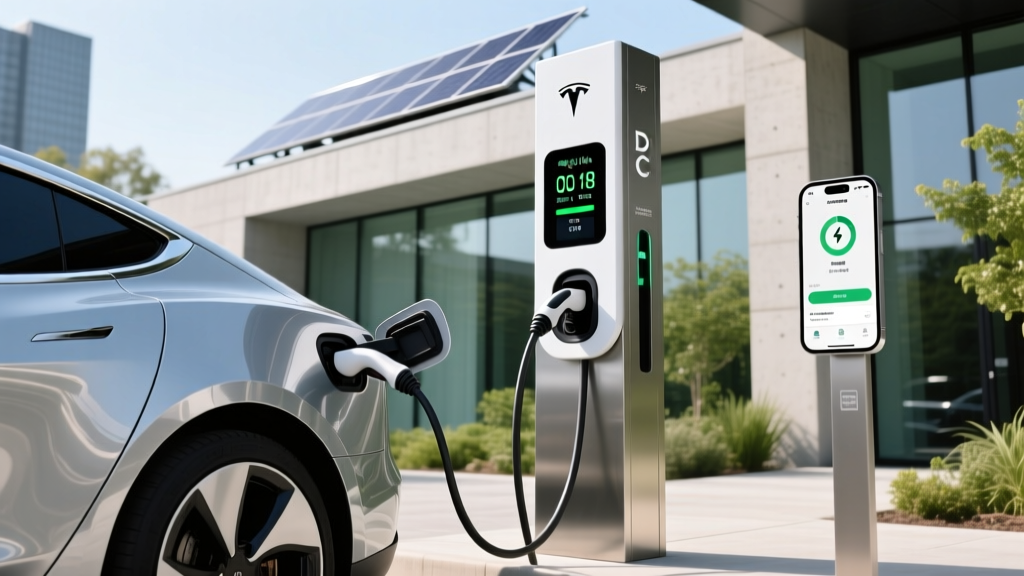
If you're shopping for an electric vehicle or already own one, the single most important ownership variable isn't range or 0-60 time — it's what you actually pay per kilowatt-hour (kWh). The cost of energy sources per kWh ranges from roughly $0.03 on a home off-peak utility plan to $0.60+ at some highway DC fast chargers, and that spread changes the math on whether an EV saves you money or costs you more than a hybrid.
This guide breaks down every charging scenario with real 2026 numbers: home Level 2 installation costs, electrical panel upgrades, per-kWh pricing across energy sources, equipment picks, and a cost-per-mile comparison against gasoline. We'll also clear up the most common EV confusion — the difference between kW (power, or how fast energy flows) and kWh (energy, or how much your battery stores).
Understanding the Cost of Energy Sources per kWh for EV Charging
Before comparing chargers, you need to understand what you're actually buying. A kWh is a unit of energy — think of it like a gallon of gas, but for electricity. Your EV's battery capacity is measured in kWh (e.g., a 2026 Tesla Model Y Long Range holds about 75 kWh usable; a Ford Mustang Mach-E Extended Range holds about 91 kWh). Your utility or charging network bills you per kWh consumed.
The cost of energy sources per kWh depends entirely on where and when you plug in:
- Home Level 1 (120V standard outlet): Your residential electricity rate — U.S. average ~$0.16/kWh in early 2026 per EIA data.
- Home Level 2 (240V dedicated circuit): Same residential rate, but many utilities offer off-peak EV plans as low as $0.06–$0.10/kWh overnight.
- Public Level 2 (workplace, retail, apartment): Typically $0.15–$0.35/kWh; some workplaces and municipalities offer free charging.
- Public DC Fast Charging (50–350 kW): Typically $0.30–$0.60/kWh, with peak highway pricing sometimes exceeding $0.65/kWh on networks like Electrify America and EVgo.
The takeaway is stark: a driver who charges 90% at home on an off-peak plan and 10% at DC fast chargers pays a blended rate around $0.12/kWh. A driver who relies entirely on public DC fast charging pays $0.45+/kWh — approaching gasoline-equivalent cost per mile.
Charging Levels Explained: kW Speeds and Miles Added Per Hour
Charging speed is measured in kW (kilowatts) — the rate at which energy flows into your battery. This is fundamentally different from kWh (kilowatt-hours), which measures total energy stored. Confusing kW with kWh is the most common EV literacy mistake. Think of kW as the width of the hose and kWh as the size of the bucket.
| Level | Voltage / Amperage | Max Power (kW) | Miles of Range Added Per Hour | Typical Use Case |
|---|---|---|---|---|
| Level 1 | 120V / 12A | ~1.4 kW | 3–5 miles | Overnight trickle; PHEVs; emergency backup |
| Level 2 (Home/Public) | 240V / 32–48A | 7.7–11.5 kW | 25–44 miles | Daily home charging; workplace; retail |
| DC Fast Charging | 400–800V DC | 50–350 kW | 180–1,200+ miles (peak) | Road trips; highway corridor travel |
Real-world charging time examples (10–80% State of Charge):
- 75 kWh battery (Tesla Model Y LR) at 11.5 kW Level 2: ~6 hours
- 75 kWh battery at 250 kW DC fast charger: ~18–22 minutes (peak rate tapers significantly above 80%)
- 91 kWh battery (Mach-E ER) at 48A Level 2: ~7.5 hours
- 91 kWh battery at 150 kW DC fast charger: ~30–35 minutes (10–80%)
Important nuance: DC fast charging follows a charge curve. A vehicle rated for "250 kW peak" may sustain that rate only between roughly 10–40% State of Charge, then taper to 150 kW, then 80 kW, and finally trickle to 20 kW above 90%. The 10–80% time is the number that actually matters for road-trip planning.
Home Level 2 Installation: Electrical Requirements and Cost Breakdown
Installing a Level 2 home charger is the single highest-impact upgrade an EV owner can make. It transforms your daily experience from "planning charging stops" to "waking up with a full battery every morning." But costs vary enormously depending on your home's electrical infrastructure.
Electrical Requirements
A typical Level 2 home charger requires:
- 240V dedicated circuit (like a dryer or oven circuit)
- 40A to 60A breaker (for 32A to 48A continuous charging — NEC requires a 125% safety margin, so a 48A charger needs a 60A breaker)
- NEMA 14-50 outlet (for plug-in chargers) or hardwired connection (for higher-amperage units or local code requirements)
- GFCI protection where required by local code (NEC 2020 and later)
Panel Upgrade: The Hidden Cost
Many homes built before 2000 have 100A or 150A electrical panels. Adding a 60A EV circuit may push your panel past its rated capacity, especially if you already run electric heat, a dryer, an oven, and A/C. A licensed electrician will perform a load calculation (NEC Article 220) to determine if your panel can handle the new circuit.
If an upgrade is needed, expect a 200A panel upgrade to cost $2,500–$5,000+, depending on your utility's service drop, local permitting, and whether the meter base also needs replacement. This is the most commonly underestimated cost in EV home charging.
Installation Cost Breakdown
| Component | Simple Install (panel nearby, no upgrade) | Complex Install (long run, panel upgrade) |
|---|---|---|
| Level 2 Charger Equipment (40A–48A) | $400–$700 | $400–$700 |
| Electrician Labor (2–6 hours) | $600–$1,500 | $1,500–$3,000 |
| Permit & Inspection | $100–$300 | $150–$500 |
| Electrical Panel Upgrade (if needed) | $0 | $2,500–$5,000 |
| Conduit, Wire, Misc. Materials | $100–$300 | $400–$1,200 |
| Total | $1,200–$2,800 | $4,950–$10,400 |
Always hire a licensed electrician and pull a permit. Unpermitted EV charger installations can void homeowner's insurance coverage and create fire risk. The National Electrical Code (NEC) sets the baseline, but local amendments vary — your electrician will know the specifics.
Cost per Mile: EV Charging vs. Gasoline in 2026
The true test of EV economics is cost per mile. Let's compare a mid-size electric SUV (2026 Tesla Model Y Long Range, ~3.5 miles/kWh efficiency) against a comparable gas SUV (2026 Toyota RAV4 AWD, ~28 MPG combined) using the national average gas price of ~$3.30/gallon in early 2026.
| Energy Source | Cost per kWh or Gallon | Cost Per Mile (EV at 3.5 mi/kWh) | Cost Per Mile (Gas at 28 MPG) |
|---|---|---|---|
| Home Off-Peak (utility EV plan) | $0.08/kWh | $0.023 | — |
| Home Standard Rate | $0.16/kWh | $0.046 | — |
| Public Level 2 | $0.25/kWh | $0.071 | — |
| DC Fast Charging (average) | $0.45/kWh | $0.129 | — |
| Gasoline (national avg) | $3.30/gallon | — | $0.118 |
The numbers reveal a critical insight: home-charged EVs cost 50–80% less per mile than gas vehicles. But exclusive reliance on DC fast charging can actually exceed gasoline cost per mile. This is why home charging access is the single biggest predictor of EV satisfaction and total cost of ownership.
For an average driver covering 12,000 miles/year:
- Home off-peak charging: ~$276/year in electricity
- Home standard rate: ~$552/year
- Exclusive DC fast charging: ~$1,548/year
- Gasoline (28 MPG): ~$1,414/year
Connector Compatibility: NACS, CCS1, and CHAdeMO in 2026
The North American EV charging landscape consolidated heavily around NACS (North American Charging Standard) after Ford, GM, Rivian, Volvo, Hyundai, and most major automakers adopted Tesla's connector starting in 2024–2025. Here's where things stand for 2026 model-year vehicles:
| Connector | Brands Using Natively | Adapter Needed? |
|---|---|---|
| NACS (Tesla) | Tesla (all), Ford (2025+), GM (2025+), Rivian (2025+), Hyundai/Kia (2026+), Volvo/Polestar | CCS-to-NACS adapters available for legacy CCS vehicles (~$200–$300) |
| CCS1 | Legacy VW ID.4 (pre-2025), BMW iX/i4, Mercedes EQE/EQS, Stellantis (Jeep/Chrysler EVs) | NACS-to-CCS adapter needed for Supercharger access |
| CHAdeMO | Nissan Leaf (discontinued after 2025 MY), Mitsubishi Outlander PHEV | No reliable adapter; CHAdeMO stations declining rapidly |
If you're buying a new EV in 2026, NACS is the clear standard going forward. CCS1 vehicles still charge on Electrify America, EVgo, and ChargePoint DC networks natively, and adapters enable Supercharger access. CHAdeMO is effectively a dead standard for new purchases — plan accordingly if you own a legacy Leaf.
Level 2 Home Charger Equipment Recommendations (2026)
Not all Level 2 chargers are created equal. Here are four proven units across price points, selected for reliability, connector availability, and smart features:
ChargePoint Home Flex
- Power Output: Up to 11.5 kW (48A on 60A circuit)
- Connector: NACS or J1772 (configurable)
- Cable Length: 23 feet
- Smart Features: Wi-Fi, app scheduling, utility demand-response integration, Alexa
- Price: ~$600–$700
- Best For: Most homeowners; flexible amperage via DIP switches
Tesla Wall Connector
- Power Output: Up to 11.5 kW (48A on 60A circuit)
- Connector: NACS native; J1772 adapter included
- Cable Length: 24 feet
- Smart Features: Wi-Fi, OTA updates, power sharing between two units, Tesla app integration
- Price: ~$475
- Best For: Tesla owners or multi-Tesla households (power sharing)
Emporia Level 2 EV Charger
- Power Output: Up to 11.5 kW (48A)
- Connector: J1772 or NACS
- Cable Length: 24 feet
- Smart Features: Wi-Fi, solar integration (pairs with Emporia Vue energy monitor), scheduled charging
- Price: ~$400–$500
- Best For: Budget-conscious buyers; solar homes
Grizzl-E Smart
- Power Output: Up to 9.6 kW (40A on 50A circuit)
- Connector: J1772 (NACS adapter available)
- Cable Length: 24 feet
- Smart Features: Wi-Fi, OCPP open protocol (utility-agnostic), extreme cold rated (-40°F)
- Price: ~$550
- Best For: Cold-climate garages; open-protocol utility programs
Safety, Code, and Utility Considerations
Beyond the installation itself, several safety and practical factors shape your home charging setup:
- Dedicated circuit: Your EV charger must be on its own dedicated breaker — never share a circuit with other appliances.
- GFCI protection: NEC 2020+ requires ground-fault protection for outdoor receptacles; many jurisdictions now extend this indoors for EV circuits.
- Outdoor rating: If mounting outside, ensure the charger is NEMA 4 rated (weatherproof). All four recommendations above meet this standard.
- Utility EV rate plans: Many utilities now offer time-of-use (TOU) plans specifically for EV owners, with off-peak rates as low as $0.05–$0.10/kWh between 11 PM and 6 AM. Enrolling in one of these plans is the single easiest way to reduce your cost of energy sources per kWh.
- Federal tax credit for home charging: The IRS §30C Alternative Fuel Vehicle Refueling Property Credit offers up to $1,000 (30% of cost) for home charger equipment and installation, subject to census-tract eligibility and income limits. Check irs.gov for current-year rules and eligible-tract maps.
- Load management: If your panel is near capacity but you don't want to upgrade, some smart chargers (Emporia, ChargePoint) support load-sensing accessories that dynamically reduce charging amperage when other household loads spike.
Frequently Asked Questions
How much does it cost to install a home EV charger?
A straightforward Level 2 installation (240V outlet near the panel, no upgrade) typically runs $1,200–$2,800 including equipment, labor, and permit. If your home needs a 200A panel upgrade or a long conduit run, expect $4,950–$10,400. Always get two to three quotes from licensed electricians and verify they pull a permit.
How fast will each charging level add range?
Level 1 (120V) adds roughly 3–5 miles per hour. Level 2 (240V, 48A) adds roughly 30–44 miles per hour depending on vehicle efficiency. DC fast charging adds hundreds of miles in 20–30 minutes, but the charge curve tapers significantly above 80% SoC, so the effective rate over a full session is much lower than the peak kW figure suggests.
Which connector and charger is compatible with my EV?
For 2026 model-year vehicles, most new EVs from Ford, GM, Rivian, Hyundai, Kia, and Tesla use the NACS connector natively. BMW, Mercedes, and VW legacy models use CCS1. Check your vehicle's charge port — if it's the smaller Tesla-style plug, you're NACS. If it has the larger CCS combo plug with two extra DC pins below, you're CCS1 and may need an adapter for Supercharger access.
How much does charging cost per mile vs gas?
Home-charged EVs cost $0.02–$0.05 per mile, while a 28 MPG gas vehicle costs about $0.12 per mile at $3.30/gallon. However, exclusive DC fast charging can push EV cost to $0.13/mile — slightly more than gas. The savings case for EVs depends heavily on reliable home or workplace charging access.
What electrical upgrades might I need?
The most common upgrade is a 200A electrical panel replacement ($2,500–$5,000), needed when your existing panel can't support a 60A dedicated circuit alongside existing loads. Older homes with 100A service almost always need an upgrade. Homes with 200A service usually have capacity unless they already run heavy electric loads (heat pump, electric range, dryer, hot tub). A licensed electrician's load calculation will give you a definitive answer.