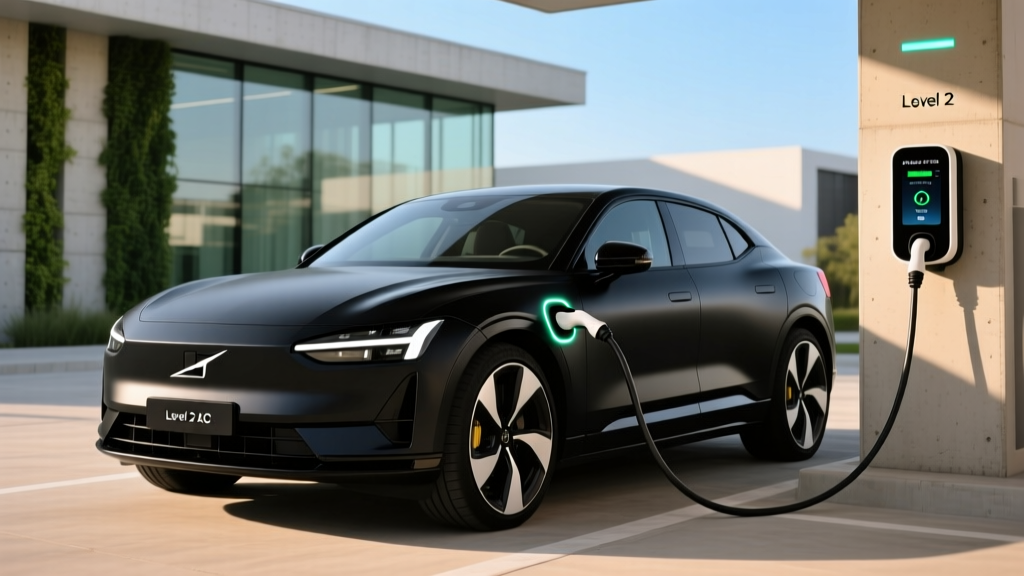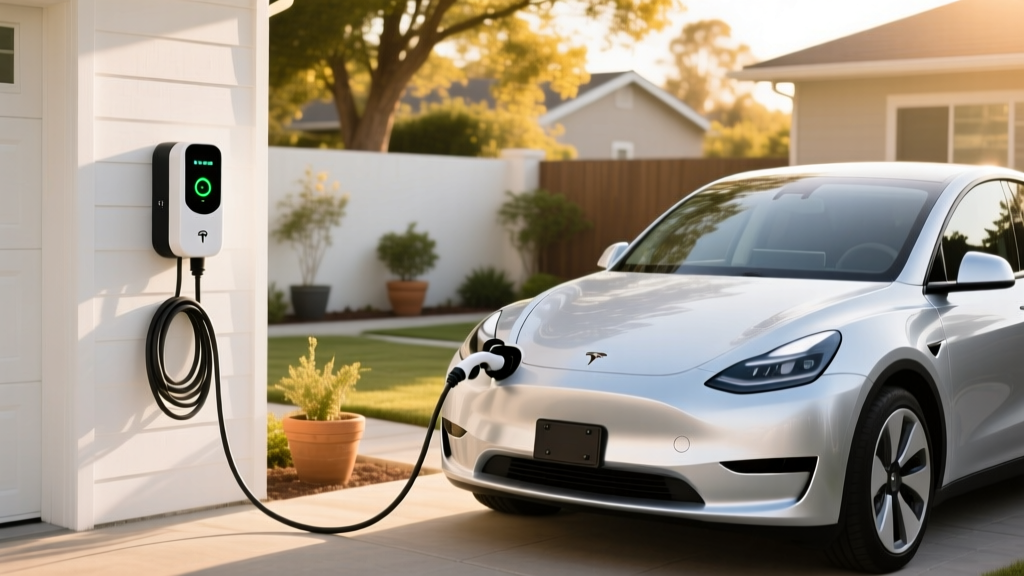
For EV owners in northern Illinois, setting up a home charging station just got a lot more affordable thanks to the ComEd electric charger rebate. Transitioning from gas to electric isn't just about the vehicle; it’s about the infrastructure. While plugging into a standard 120V wall outlet (Level 1) works in a pinch, it’s rarely enough for modern EVs with larger batteries. A Level 2 home setup is the gold standard for daily ownership, and utility incentives are the key to offsetting the upfront hardware and electrical work.
Decoding Charging Levels: Speed and Power
To understand the rebate value, you must first understand the hardware it applies to. Most utility programs, including ComEd, focus on Level 2 charging because it offers the best balance of speed and residential electrical compatibility.
| Level | Voltage | Power Output (kW) | Miles of Range Added/Hour |
|---|---|---|---|
| Level 1 | 120V AC | 1.2 - 1.9 kW | 3 - 5 miles |
| Level 2 | 240V AC | 7.2 - 19.2 kW | 20 - 60 miles |
| DC Fast | 400V - 800V DC | 50 - 350 kW | 150 - 1,000+ miles |
Note: kW (kilowatts) measures the rate of power flow, while kWh (kilowatt-hours) measures the total energy stored in your battery. Think of kW as the speed of the water and kWh as the size of the bucket.
ComEd Rebate and Installation Cost Breakdown
The ComEd electric charger rebate is designed to encourage off-peak charging and smart-grid integration. In 2026, the program typically provides up to $1,000 for the purchase and installation of a qualified smart Level 2 charger. To qualify, the unit must be Wi-Fi enabled and installed by a licensed electrician on a dedicated circuit.
| Component | Estimated Cost (2026) |
|---|---|
| Smart Level 2 Charger (48A) | $550 - $750 |
| Electrician Labor (4-8 hours) | $600 - $1,500 |
| Materials (Conduit, Wire, Breaker) | $150 - $400 |
| Permit & Inspection Fees | $100 - $250 |
| Total Pre-Rebate | $1,400 - $2,900 |
| ComEd Rebate Offset | Up to $1,000 |
Electrical Panel Upgrades: The Hidden Cost
Most Level 2 chargers require a 240V circuit and a 40A to 60A breaker. If your home has an older 100-amp electrical panel or lacks the physical space for a new double-pole breaker, you may need a "heavy-up" or panel upgrade. This can add $1,500 to $3,500 to your total project cost. Always check your panel's "ampacity" before applying for the rebate, as the rebate usually covers the charger and basic install but not major service upgrades.
Connector Compatibility: NACS vs. CCS
By 2026, the North American Charging Standard (NACS), pioneered by Tesla, has become the dominant connector for most new EVs. However, many vehicles on the road still use the CCS1 standard.
- Tesla/NACS: Standard on all Tesla models and most 2025+ models from Ford, GM, Rivian, and Volvo.
- CCS1: Common on older models from Hyundai, Kia, BMW, and Volkswagen.
- CHAdeMO: Legacy standard (Nissan Leaf); adapters are rare and expensive.
If you drive a CCS-equipped vehicle, look for a "universal" charger or ensure you have a NACS-to-CCS adapter for public Supercharger access.
Equipment Recommendations for 2026
To maximize the ComEd rebate, choose an Energy Star-certified smart charger that can communicate with the utility for demand-response programs.
1. Tesla Wall Connector (Gen 4)
- Power: 11.5 kW (48A) / 240V
- Features: Integrated NACS, Wi-Fi updates, 24ft cable.
- Best For: Tesla owners and NACS-equipped Fords/GMs.
2. ChargePoint Home Flex 2
- Power: Up to 12 kW (50A) adjustable.
- Features: NEMA 14-50 plug or hardwired, excellent app, NACS/CCS options.
- Best For: Multi-EV households and renters who might move the unit.
Cost Per Mile: Electricity vs. Gas
In the ComEd territory, residential rates average around $0.14 per kWh, but off-peak rates can drop significantly lower.
| Scenario | Cost per kWh | Cost per Mile (3.5 mi/kWh) |
|---|---|---|
| Home Off-Peak (Night) | $0.09 | $0.026 |
| Home Standard Rate | $0.14 | $0.040 |
| Public DC Fast | $0.48 | $0.137 |
| Gas (30 MPG @ $3.60) | N/A | $0.120 |
FAQ: ComEd Rebate and Installation
How long does the rebate application take?
Typically, you must submit your invoice and electrical inspection certificate within 60 days of installation. Reimbursement usually arrives in 6-8 weeks.
Does the rebate cover outdoor installations?
Yes, provided the charger is rated for outdoor use (NEMA 4) and the installation meets local code for weatherproofing and GFCI protection.
Can I install the charger myself?
No. To qualify for the ComEd rebate and maintain your home insurance, the unit must be installed by a licensed professional and permitted by your local municipality.