Trading Your Supercharged Cobalt for an EV: What Changes at the "Pump"
If you've spent years wringing every last psi out of the Eaton M62 supercharger on a 2006 Chevrolet Cobalt SS Supercharged, you already understand forced induction, boost curves, and the cost of premium fuel. Switching to a battery-electric vehicle (BEV) replaces the gas station with an electrical outlet — and introduces a new vocabulary: kilowatts (kW), kilowatt-hours (kWh), charge curves, and connector standards.
This guide breaks down everything a first-time EV owner needs to know about charging — from plugging into a standard 120V outlet to installing a hardwired Level 2 home charger and navigating public DC fast-charging networks. We'll cover real costs, real charge times, and the electrical upgrades your garage might need.
kW (kilowatts) = power, or how fast energy flows. Think of it like water pressure from a hose. A 150 kW DC fast charger delivers energy rapidly.
kWh (kilowatt-hours) = energy, or how much is stored. Think of it like the size of the bucket. A 75 kWh battery holds 75 kWh of energy.
Mixing these up is the #1 mistake new EV owners make. Charging speed is measured in kW; battery capacity and electricity bills are measured in kWh.
Charging Levels Explained: Level 1, Level 2, and DC Fast Charging
EV charging is categorized into three levels. Each delivers energy at a different rate, and understanding these tiers is critical for planning your daily routine and any road trips.
| Level | Voltage / Phase | Power (kW) | Miles of Range Added per Hour | Best For |
|---|---|---|---|---|
| Level 1 | 120V AC / single-phase | 1.0–1.4 kW | 3–5 mi/hr | Overnight top-ups, PHEVs, low-mileage drivers |
| Level 2 | 240V AC / single-phase | 3.3–19.2 kW | 12–75 mi/hr | Primary home charging, workplace, apartments |
| DC Fast Charging (DCFC) | 400–900V DC | 50–350 kW | 150–1,000+ mi/hr (peak) | Road trips, highway corridors, quick top-ups |
Level 1: The Trickle Charge
Every EV ships with a Level 1 cord that plugs into a standard 120V household outlet (NEMA 5-15). At roughly 1.2 kW, you'll recover about 3–5 miles of range per hour. For a 75 kWh battery (like in a Tesla Model Y or Hyundai Ioniq 5), a full 10–80% charge takes approximately 44 hours. That's impractical for daily drivers covering 30+ miles, but perfectly adequate for plug-in hybrids with smaller 10–20 kWh batteries or for weekend-only EVs.
Level 2: The Daily Driver Standard
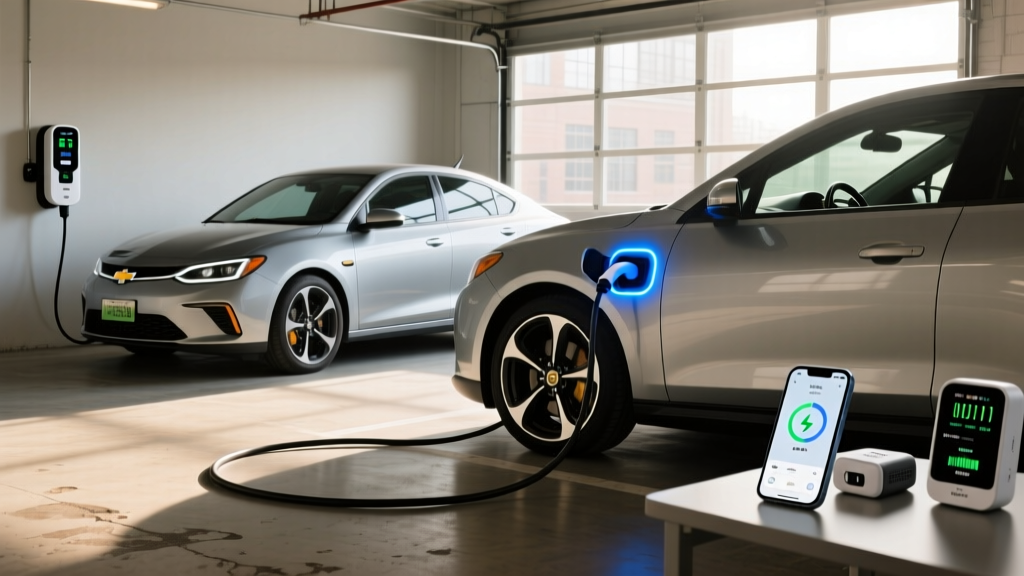
Level 2 charging at 240V is the backbone of practical EV ownership. Most home chargers deliver 7.7–11.5 kW (32A–48A on a 240V circuit). At 11.5 kW, a 75 kWh battery goes from 10–80% in roughly 4.5 hours — easily overnight. This is the level you'll use 90%+ of the time.
DC Fast Charging: Road-Trip Essential
DC fast chargers bypass the car's onboard charger and push DC current directly into the battery. Modern units deliver 50–350 kW. However, peak speed is not sustained speed — every EV's charge curve tapers significantly above 80% State of Charge (SoC) to protect battery health. A Hyundai Ioniq 5 with an 800V architecture can accept up to 240 kW and charge 10–80% in approximately 18 minutes. A Chevrolet Equinox EV (2026 model year) peaks around 150 kW, with a 10–80% time of roughly 30 minutes.
Home Charger Installation: Electrical Requirements, Costs, and Panel Upgrades
Installing a Level 2 home charger is the single highest-impact upgrade an EV owner can make. But the total cost depends heavily on your home's existing electrical infrastructure.
Electrical Requirements for a Level 2 Charger
- Voltage: 240V (same as your dryer or oven)
- Amperage: 40A circuit for a 32A charger, or 60A circuit for a 48A charger (National Electrical Code requires circuits rated at 125% of continuous load)
- Wiring: 6 AWG copper for 40A; 4 AWG copper for 60A (run in conduit)
- Outlet type: NEMA 14-50 (50A receptacle) for plug-in units, or direct hardwire (preferred for 48A+ units and required by some local codes)
- Dedicated circuit: The charger must have its own breaker — no sharing with other appliances
- GFCI protection: Required for outdoor receptacles per NEC 2020/2023; hardwired indoor units may be exempt depending on jurisdiction
Installation Cost Breakdown
| Component | Simple Install (Near Panel) | Complex Install (Long Run / Upgrade) |
|---|---|---|
| Level 2 charger (equipment) | $350–$700 | $500–$800 |
| Licensed electrician labor | $300–$600 | $800–$2,500 |
| Permit & inspection | $50–$200 | $100–$350 |
| Conduit, wiring, breaker | $50–$150 | $200–$800 |
| Electrical panel upgrade (100A → 200A) | N/A (not needed) | $1,500–$4,000 |
| TOTAL | $750–$1,650 | $3,100–$8,450 |
Connector Compatibility: NACS, CCS1, CHAdeMO, and Adapters
The connector landscape has shifted dramatically since 2024, when Ford, GM, Rivian, Volvo, and most major automakers committed to adopting the North American Charging Standard (NACS), originally developed by Tesla. As of 2026, NACS is the dominant connector for new EVs sold in North America.
| Connector | Brands Using It (2026) | Adapter Needed? |
|---|---|---|
| NACS (J3400) | Tesla, Ford, GM, Rivian, Volvo, Polestar, Mercedes, BMW, Hyundai, Kia (select models) | CCS→NACS adapter for legacy CCS public chargers (~$200–$300) |
| CCS1 (Combo) | Remaining Stellantis models, some VW ID.4 (transitional), older pre-2025 EVs | NACS→CCS adapter for Tesla Superchargers (~$200) |
| CHAdeMO | Nissan Leaf (legacy only — discontinued in US) | Limited adapter options; network shrinking |
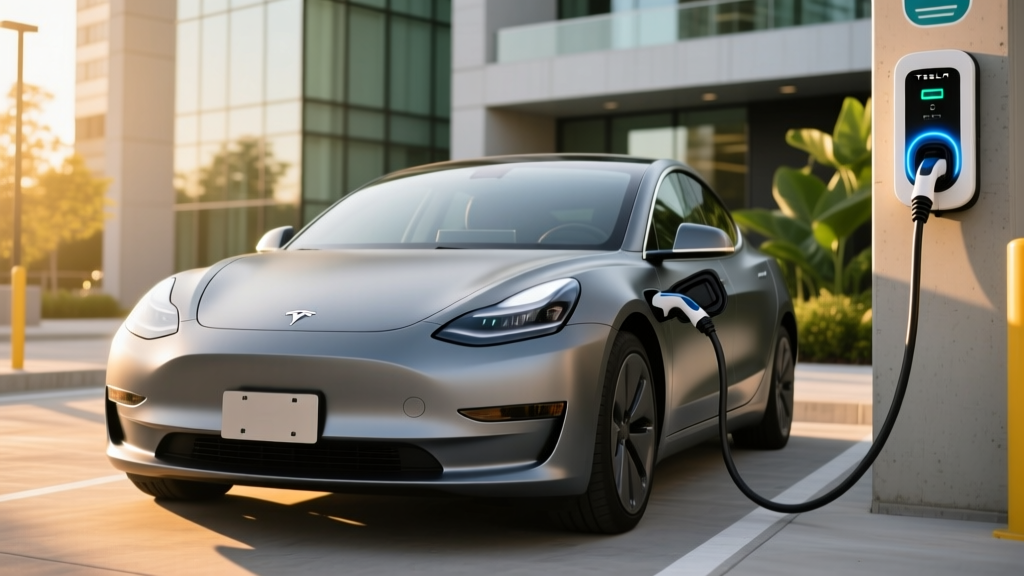
Practical advice: If you're buying a 2025–2026 model-year EV, it almost certainly has a NACS port. Your home Level 2 charger should have a NACS connector (or you can use a J1772-to-NACS adapter, as many Level 2 units still ship with J1772 plugs). For public DC fast charging, Tesla Superchargers are now open to non-Tesla NACS-equipped vehicles, dramatically expanding the network.
Cost to Charge: Home vs. Public vs. Gas — The Per-Mile Math
One of the biggest ownership advantages of an EV over a supercharged Cobalt SS (which averaged roughly 24 MPG combined on premium fuel) is fuel cost. But the savings depend heavily on where you charge.
| Scenario | Rate ($/kWh) | Cost per 1,000 Miles* | Annual Cost (12,000 mi) |
|---|---|---|---|
| Home Level 2 (off-peak utility rate) | $0.08–$0.14 | $24–$42 | $288–$504 |
| Home Level 2 (standard rate) | $0.14–$0.20 | $42–$60 | $504–$720 |
| Public Level 2 (ChargePoint, etc.) | $0.20–$0.40 | $60–$120 | $720–$1,440 |
| DC Fast Charging (EA, EVgo, etc.) | $0.35–$0.60 | $105–$180 | $1,260–$2,160 |
| Gasoline (27 MPG, $3.40/gal — Cobalt SS equivalent) | $3.40/gal | $126 | $1,511 |
*Assumes an EV efficiency of 3.0 miles/kWh (≈112 MPGe), typical for a mid-size crossover like the Tesla Model Y, Ford Mustang Mach-E, or Hyundai Ioniq 5. Data referenced from fueleconomy.gov.
Bottom line: If you charge primarily at home on off-peak rates, your annual "fuel" cost is roughly $300–$500 — a 65–80% savings versus gasoline. If you rely entirely on DC fast charging, the cost advantage narrows or disappears. This is why home Level 2 charging is so critical to the EV value proposition.
Charging Time Examples: How Long Does It Actually Take?
Charge times vary by battery size, charger power, and the vehicle's charge curve. Here are real-world 10–80% estimates for common 2025–2026 EVs:
- Hyundai Ioniq 5 (77.4 kWh, NMC, 800V architecture): 240 kW peak DCFC → 10–80% in ~18 minutes; 10.9 kW Level 2 → ~5 hours
- Tesla Model Y Long Range (75 kWh, NMC): 250 kW peak DCFC → 10–80% in ~22 minutes; 11.5 kW Level 2 → ~4.5 hours
- Chevrolet Equinox EV (85 kWh, NMC): 150 kW peak DCFC → 10–80% in ~30 minutes; 11.5 kW Level 2 → ~5.5 hours
- Ford F-150 Lightning Extended Range (131 kWh, NMC): 150 kW peak DCFC → 10–80% in ~45 minutes; 19.2 kW Level 2 → ~5 hours
- Toyota bZ4X (71.4 kWh, NMC): 150 kW peak DCFC → 10–80% in ~30 minutes; 7.2 kW Level 2 → ~6.5 hours
Recommended Home Level 2 Chargers (2026)
Here are proven, widely available Level 2 charging units suitable for most EV owners. All prices are approximate MSRP as of early 2026.
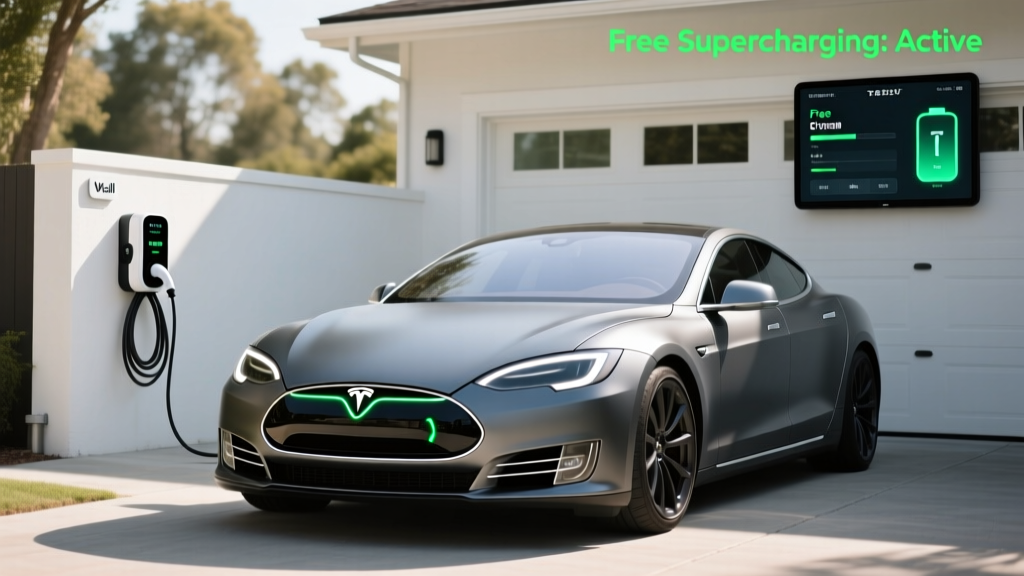
Tesla Wall Connector (Gen 4)
- Power: 11.5 kW (48A) on a 60A circuit
- Connector: NACS native
- Cable length: 24 ft
- Smart features: Wi-Fi, OTA updates, power-sharing between units, load management
- Price: ~$475
- Best for: Tesla owners and NACS-equipped EVs (Ford, GM, Rivian, etc.)
ChargePoint Home Flex
- Power: Up to 12 kW (50A) on a 60A circuit; configurable down to 16A
- Connector: J1772 (NACS adapter included with many 2025+ purchases)
- Cable length: 23 ft
- Smart features: Wi-Fi, app scheduling, Alexa, flexible amperage dial
- Price: ~$550–$700
- Best for: Mixed households with both NACS and CCS/J1772 vehicles
Emporia Vue Level 2 Charger
- Power: 11.5 kW (48A) on a 60A circuit
- Connector: J1772 (NACS adapter available)
- Cable length: 24 ft
- Smart features: Integration with Emporia energy monitor, solar-aware charging, scheduling
- Price: ~$400
- Best for: Budget-conscious buyers and solar-panel households
Grizzl-E Smart
- Power: 9.6 kW (40A) on a 50A circuit
- Connector: J1772 or NACS (select at purchase)
- Cable length: 24 ft
- Smart features: Wi-Fi, OCPP compatibility, extreme cold rated (-40°F)
- Price: ~$450–$550
- Best for: Cold-climate owners and outdoor installations
Safety, Electrical Code, and Installation Best Practices
EV charging involves sustained high-current draw — often 8+ hours continuously. This is fundamentally different from the intermittent loads of a dryer or oven. Follow these non-negotiable safety principles:
- Dedicated circuit: Your Level 2 charger must have its own breaker. Sharing a circuit with other 240V appliances is a code violation and a fire risk.
- Hardwire vs. plug: Hardwired installations (no receptacle) eliminate the most common failure point — a worn or overheated NEMA 14-50 outlet. Many electricians now recommend hardwiring for any charger above 40A. If using a NEMA 14-50, specify a commercial-grade receptacle (Hubbell or Bryant, ~$80–$120) rather than a residential-grade unit.
- GFCI protection: NEC 2020 and later require GFCI breakers for outdoor receptacles. GFCI breakers for 240V/50A circuits cost $80–$150 and are required by code in most jurisdictions for plug-in outdoor chargers.
- Outdoor rating: If your charger is mounted outdoors or in an unenclosed carport, ensure the unit carries a NEMA 4 (weatherproof) rating. All units listed above meet this standard.
- Permit and inspection: Most municipalities require an electrical permit for a new 240V circuit. The inspection ensures proper wire gauge, breaker sizing, grounding, and code compliance. Never skip this step — it protects your home and is required for insurance claims related to electrical fires.
- Utility notification: Some utilities require or incentivize notifying them of a new EV charger. You may qualify for a dedicated EV time-of-use (TOU) meter or rate plan that dramatically reduces off-peak charging costs.
Always hire a licensed electrician — not a general handyman — for EV charger installation. Verify they have specific experience with EV circuits and are familiar with NEC Article 625 (Electric Vehicle Charging System Equipment). You can find certified installers through your utility's website or through Energy.gov's EV charging resources.
Charging FAQ: Your Questions Answered
How much does it cost to install a home EV charger?
A straightforward Level 2 installation (charger within 20 feet of the electrical panel, no panel upgrade needed) typically costs $750–$1,650 all-in, including equipment, labor, wiring, and permit. Complex installations requiring long wire runs, conduit through walls, or a panel upgrade from 100A to 200A can cost $3,100–$8,450. Always get 2–3 quotes from licensed electricians.
How fast will each charging level add range?
Level 1 (120V) adds roughly 3–5 miles per hour. Level 2 (240V, 48A) adds roughly 30–40 miles per hour for most EVs. DC fast charging can add 150–250+ miles in a 20–30 minute session, depending on the vehicle's peak charge rate and battery size. See the charging levels table above for specifics.
Which connector/charger is compatible with my EV?
For 2025–2026 model-year vehicles, most new EVs now use the NACS (J3400) connector, including Tesla, Ford, GM, Rivian, Volvo, Hyundai, and Kia models. Older EVs (pre-2025) may use CCS1. Check your vehicle's charge port or the manufacturer's spec sheet. For home Level 2 charging, many chargers ship with J1772 connectors, and NACS adapters are widely available for $50–$200.
How much does charging cost per mile vs. gas?
At a national average residential electricity rate of ~$0.16/kWh and an EV efficiency of 3.0 mi/kWh, home charging costs roughly $0.05–$0.06 per mile. A comparable gas car getting 27 MPG at $3.40/gallon costs about $0.13 per mile. Home charging is roughly 55–60% cheaper per mile. However, DC fast charging at $0.45–$0.60/kWh can cost $0.15–$0.20 per mile — comparable to or exceeding gasoline.
What electrical upgrades might I need?
The most common upgrade is a panel replacement from 100A to 200A service, which costs $1,500–$4,000 and is needed when your existing panel lacks capacity for a new 40A–60A breaker. Other potential upgrades include: adding a sub-panel in the garage ($500–$1,500), replacing aluminum wiring with copper, or upgrading the utility service drop. A licensed electrician's load calculation (typically $100–$200, often credited toward the install) will determine exactly what's needed. Some utilities and states offer rebates for panel upgrades tied to EV adoption — check IRS.gov for the current §30D tax credit, which may cover certain home charging equipment costs under the alternative fuel infrastructure credit (§30C), subject to census-tract eligibility.
Can I charge on a regular 120V outlet permanently?
Technically yes, but practically it's only viable if you drive fewer than 20–25 miles per day and own a PHEV or an efficient BEV. A 120V outlet delivers only ~1.2 kW, meaning a full overnight charge (10 hours) adds just 30–50 miles. For any BEV owner with a moderate commute, Level 2 is effectively mandatory.
Do I need a smart charger or is a "dumb" charger fine?
A smart charger with Wi-Fi and app control lets you schedule charging during off-peak rate windows, monitor energy use, and receive firmware updates. If your utility offers time-of-use rates, a smart charger can save $100–$300+ per year. "Dumb" chargers (no connectivity) are cheaper and simpler but miss these savings. For most owners, the $50–$100 premium for smart features pays for itself within a year.
Sources: EPA fueleconomy.gov for vehicle efficiency data; IRS.gov for §30D and §30C credit rules; Energy.gov for home charging installation guidance. Installation costs are national averages — local rates vary. Always consult a licensed electrician for your specific electrical needs.