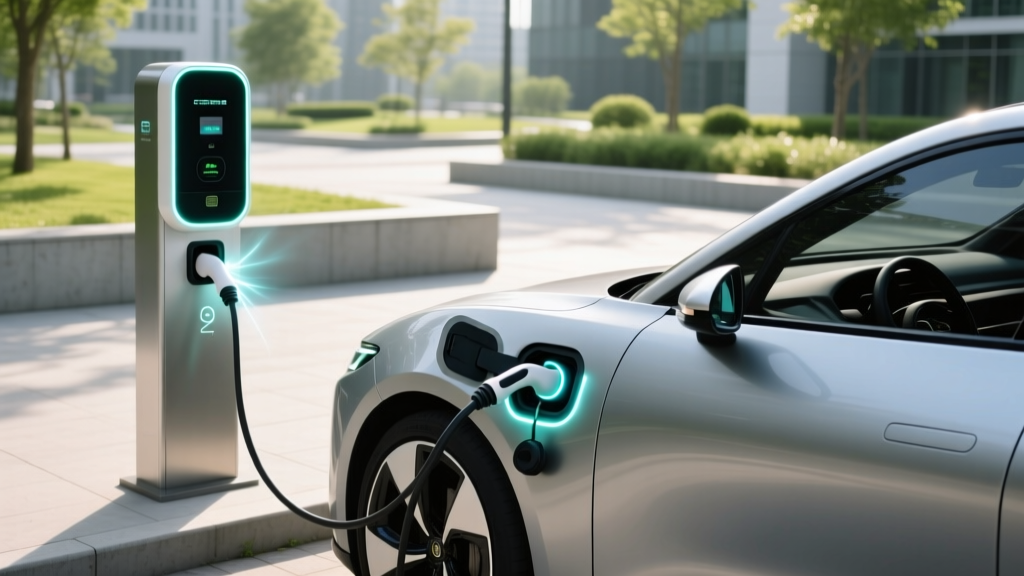
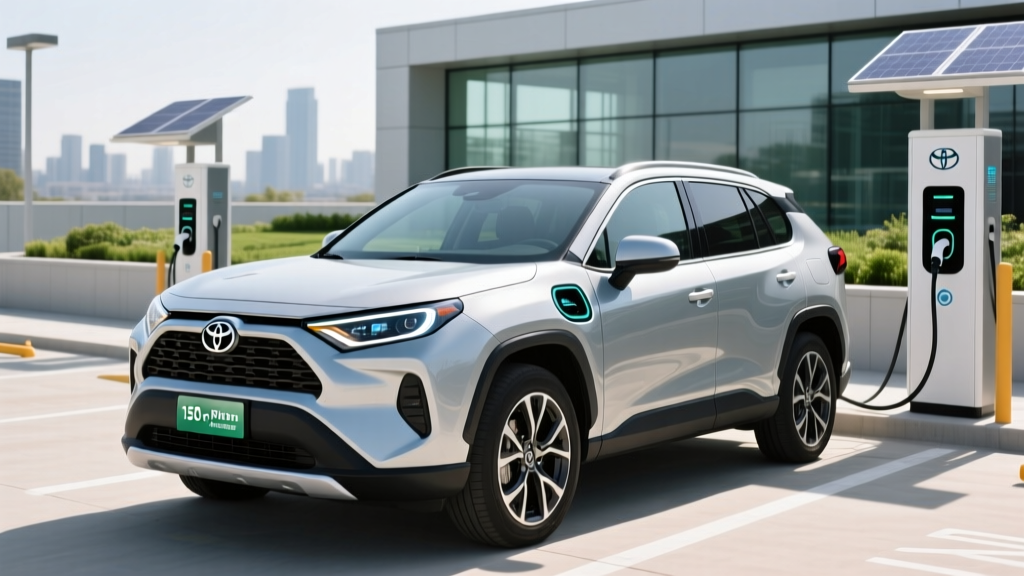
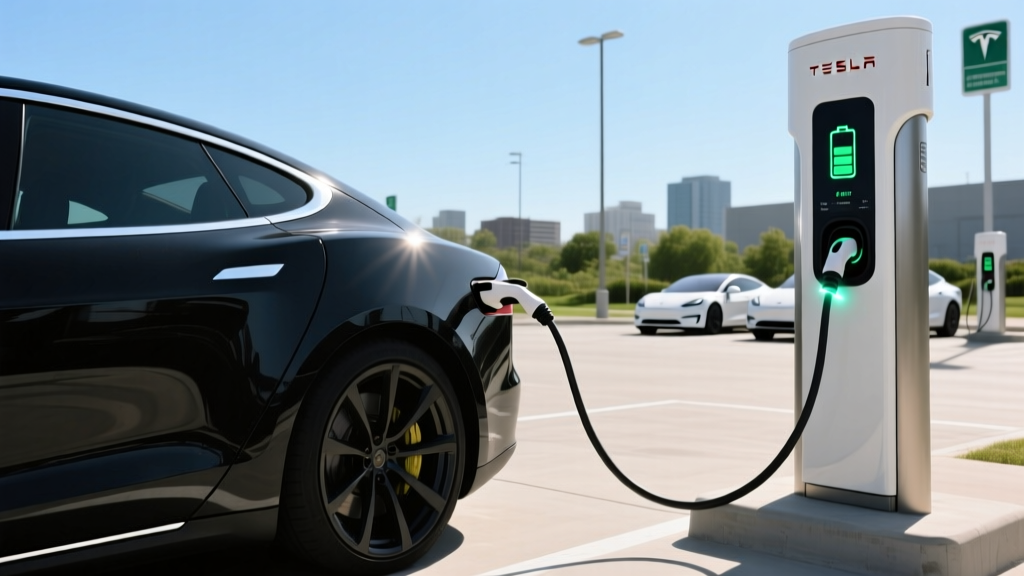
Transitioning to an electric vehicle (EV) is one of the most impactful decisions you can make for your daily commute and your carbon footprint. However, owning an EV is only half the equation; establishing a reliable, safe, and efficient home charging setup is where the true convenience of electric mobility begins. For UK drivers, navigating the landscape of home charging involves understanding specific electrical regulations, grid limitations, and safety standards. This comprehensive EV charger installation guide for UK homes will walk you through everything from initial requirements and cost breakdowns to safety protocols and troubleshooting.
Difficulty Level: High (Professional certification legally required for most UK installations)
Estimated Cost: £800 to £1,500+ (including hardware, labour, and potential grid upgrades)
Time Required: 1 to 3 months (factoring in DNO approval and installation day)
Before diving into the technicalities, it is crucial to select the right hardware for your vehicle and home. If you are still exploring your options, our roundup of the best home EV chargers in the UK highlights top-performing, compliant units on the market. Additionally, if you are new to the EV ecosystem, our comprehensive EV buying guide covers everything you need to know before making the switch.
Understanding UK Requirements & Regulations
Installing an EV charger in the UK is not as simple as plugging in a new household appliance. It involves adding a significant, continuous electrical load to your home's existing infrastructure. Consequently, the process is governed by strict regulatory frameworks designed to protect both the homeowner and the national grid.
The primary standard governing electrical installations in the UK is the IET Wiring Regulations (BS 7671). Specifically, Section 722 of these regulations outlines the exact requirements for electric vehicle charging installations. This section mandates specific protections against electric shock, fault conditions, and harmonic distortions that standard household circuits do not require.
Furthermore, under current legislation, all new domestic EV charge points must comply with the Electric Vehicles (Smart Charge Points) Regulations. This means any unit installed must possess 'smart' functionality, allowing it to default to off-peak charging hours, integrate with time-of-use tariffs, and feature a randomised delay function to prevent local grid surges when power is restored after an outage. For a deeper dive into how these systems optimise your energy bills, read our guide on smart charging technology.
Finally, you must consider your local Distribution Network Operator (DNO). The DNO manages the physical cables and transformers supplying your street. Because EV chargers draw substantial current (typically 7kW, which equates to roughly 32 Amps), the DNO must be informed to ensure your local transformer can handle the extra load without causing brownouts for your neighbours.
Step-by-Step Installation Process
A professional EV charger installation is a meticulous process that extends far beyond simply mounting a box to a wall. Here is the standard workflow executed by certified UK installers.
1. Initial Site Survey & Load Assessment
Before any hardware is ordered, an installer will conduct a site survey. This involves assessing your main consumer unit (fuse box) to determine if it has spare capacity for a new dedicated circuit. They will also measure the distance from the consumer unit to the proposed charger location, which dictates the thickness and cost of the armoured cable required. Crucially, they will check your main incoming fuse rating (usually 60A, 80A, or 100A) to ensure your home can handle the combined load of your household appliances and the EV charger.
2. DNO Notification & Approval
Depending on your local network and the size of your main fuse, the installer will either submit a 'Connect and Notify' application (for standard 7kW chargers on homes with adequate main fuses) or a 'Apply to Connect' request. The latter requires the DNO to review your local grid capacity before installation can legally commence. This step can take anywhere from a few days to several weeks.
3. Physical Mounting & Cable Routing
On installation day, the electrician will mount the backplate of the charger to an exterior brick or rendered wall. They will then route the cabling from your consumer unit to the charger. Best practice dictates that cables should be routed discreetly, clipped neatly to walls, or buried underground in a trench at a minimum depth of 450mm using warning tape. Internal walls may require chasing and subsequent plastering, which can add to the overall cost and cleanup time.
4. Consumer Unit Integration & Earthing
The installer will connect the new circuit to your consumer unit, integrating a dedicated Type A or Type B Residual Current Device (RCD) and a Miniature Circuit Breaker (MCB). They will also address the earthing arrangement. Most UK homes use a Protective Multiple Earthing (PME) system. To prevent dangerous fault voltages, the installer will either install an earth rod (an electrode driven into the ground) or utilise a charger with built-in Open PEN conductor fault protection.
5. Smart Setup, Testing & Commissioning
Once physically wired, the installer will perform rigorous electrical tests, including Earth Loop Impedance testing and RCD trip-time verification, to ensure compliance with BS 7671. After passing these tests, the unit is connected to your home Wi-Fi or cellular network, configured for your specific energy tariff, and handed over to you with a full demonstration. If you are unsure which connector your vehicle requires, consult our guide to EV connector types before finalising your setup.
Permits, Notifications & Inspection
In the UK, electrical work in dwellings is governed by Part P of the Building Regulations. Adding a new circuit outdoors or in a special location (which includes EV charging points) is 'notifiable' work. This means you cannot simply install the unit and forget about it; the work must be certified and registered with the local building control authority.
When you hire an installer registered with a competent person scheme—such as NICEIC, NAPIT, or ELECSA—they are authorised to self-certify their work. Upon completion, they will issue an Electrical Installation Certificate (EIC) and notify their scheme provider, who will then send you a Building Regulations Compliance Certificate. This document is vital; it proves the work is legal and safe, and you will likely need it if you ever sell your property or make a home insurance claim.
If you attempt to bypass these notifications, you risk facing enforcement action from your local council, invalidating your home insurance, and creating a severe fire or electrocution hazard. The UK Government Building Regulations portal provides extensive documentation on why Part P compliance is non-negotiable for high-load external circuits.
DIY vs. Professional Installation
A common question among enthusiastic DIYers is whether they can save money by installing the EV charger themselves. In the UK, the short and definitive answer is: No, you should not DIY an EV charger installation.
While a qualified electrician might possess the skills to wire a standard socket, EV charging requires specialised knowledge of Section 722 of the wiring regulations. This includes understanding continuous load derating, harmonic filtering, and complex earthing topologies like TN-C-S and TT systems. Furthermore, without competent person scheme registration, a DIY electrician cannot legally self-certify the Part P notifiable work, meaning they would have to pay local building control to inspect and test the work, which often costs more than hiring a registered professional in the first place.
For the average homeowner without electrical qualifications, attempting this installation is highly illegal and exceptionally dangerous. EV chargers draw maximum current for hours on end, far exceeding the duty cycle of a standard household appliance like a kettle or oven. Improperly sized cables, loose connections, or inadequate earthing can lead to thermal runaway, melting cables, and catastrophic house fires. Always rely on an OZEV-approved or manufacturer-certified installation partner.
Cost Breakdown & Available Grants
The total cost of installing a home EV charger in the UK varies based on hardware choice, cable routing complexity, and grid upgrade requirements. Here is a realistic breakdown of what you can expect to pay.
- Hardware (The Charger): £400 to £800. Basic tethered units sit at the lower end, while premium units with solar integration, aesthetic designs, and advanced load balancing sit at the higher end.
- Standard Installation Labour: £400 to £600. This covers a standard install where the consumer unit is close to the exterior wall, requiring minimal cable routing and no ground trenching.
- Complex Routing & Trenching: £100 to £300 extra. If cables need to be buried under driveways or routed through multiple internal walls, labour and material costs will increase.
- Consumer Unit Upgrade: £300 to £600. If your existing fuse box is old, lacks RCD protection, or has no spare ways, the installer must upgrade or replace it to handle the new circuit safely.
- DNO Main Fuse Upgrade: £0 to £1,500+. If your home has an older 60A main fuse, the DNO may need to upgrade it to 80A or 100A to prevent your main house fuse from blowing when the EV charges alongside an electric shower and oven. Some DNOs do this for free, while others charge a network reinforcement fee.
Regarding financial assistance, the Office for Zero Emission Vehicles (OZEV) periodically offers grants. While the primary home charge scheme for single-unit homeowners has largely concluded, significant grants remain available for renters, flat owners, and landlords installing multiple units. Always check the latest OZEV guidance or consult your installer regarding current regional and housing-type incentives.
Essential Safety Tips & Best Practices
Safety in EV charging revolves around managing heat, continuous electrical load, and fault protection. Adhering to the following best practices ensures your system remains safe for years to come.
Open PEN Conductor Protection: Most UK homes are supplied via a PME (Protective Multiple Earthing) network, where the earth and neutral are combined in the supply cable. If this external cable breaks (an 'open PEN' fault), the metal casing of your EV and the charger could become live at 230V, posing a lethal risk to anyone touching the vehicle while standing on the ground. Modern chargers mitigate this via built-in Open PEN detection, which instantly cuts power if a voltage anomaly is detected, negating the need to hammer an ugly earth rod into your garden.
Dynamic Load Balancing: If your home's main fuse is borderline (e.g., 60A or 80A), installing a charger with dynamic load balancing is highly recommended. This system uses a CT (Current Transformer) clamp on your main incoming supply cable to monitor your home's total energy usage in real-time. If you turn on the electric shower and the oven, the charger will automatically throttle its power down to prevent your main house fuse from blowing, then ramp back up when appliances are turned off.
IP Ratings & Environmental Protection: Ensure your chosen charger has a minimum IP54 rating for dust and water resistance, though IP65 is highly recommended for exposed UK driveways facing driving rain. Additionally, avoid wrapping the charging cable tightly around the unit when not in use, as this can degrade the internal copper wiring over time and cause stress on the socket.
Troubleshooting Common Installation Issues
Even with a professional installation, you may encounter a few hurdles during the setup or early usage phases. Here is how to address the most common issues.
DNO Approval Delays: The most frequent bottleneck in the UK is the DNO approval process. If your local network is heavily congested with solar panels, heat pumps, and other EVs, the DNO may pause your 'Apply to Connect' request. Solution: Maintain regular contact with your installer, who can escalate the ticket with the DNO or propose a lower-amp charge rate (e.g., restricting a 7kW unit to 16A) to gain immediate approval.
Wi-Fi Connectivity Dropouts: Smart chargers require a stable internet connection to comply with UK smart charging regulations and to receive over-the-air firmware updates. Thick brick walls often block 2.4GHz Wi-Fi signals. Solution: If your router is far from the driveway, install a Wi-Fi extender near the charger, or opt for a charger that utilises a built-in 4G SIM card for cellular connectivity.
Nuisance RCD Tripping: If your charger occasionally trips the RCD in your consumer unit, it may be due to minor electrical leakage inherent in some vehicle onboard chargers, or a lack of DC fault protection. Solution: Ensure your installer has fitted a Type A RCD with 6mA DC leakage detection, or a dedicated Type B RCD, which is specifically designed to handle the complex electrical signatures of EV power supplies.
Frequently Asked Questions
Do I need my landlord's permission to install an EV charger?
Yes. If you rent your property or live in a leasehold flat, you must obtain written permission from the freeholder or landlord before any installation begins. Furthermore, for shared driveways or communal parking areas, you will need the consent of the management company and potentially your neighbours, as the installation involves modifying shared electrical infrastructure and exterior aesthetics.
Can I just use a standard 3-pin domestic plug instead of installing a wallbox?
While most EVs come with a 'granny cable' that allows you to plug into a standard 13A domestic socket, this is intended for occasional or emergency use only. Standard UK ring main circuits are not designed to deliver 3kW of continuous power for 12+ hours. Doing so regularly can cause the wiring behind your sockets to overheat, melt, and potentially cause a fire. A dedicated wallbox is vastly safer, significantly faster, and legally compliant for daily charging.
How long does the physical installation take on the day?
A standard, straightforward installation—where the consumer unit is on the opposite side of the wall to the charger and no trenching is required—typically takes between 4 to 6 hours. More complex installations involving long cable runs, internal wall chasing, or consumer unit upgrades can take a full day or occasionally spill into a second day.
What happens if my main house fuse blows during charging?
If your main DNO fuse blows, your entire home will lose power. You cannot replace this fuse yourself, as it is sealed and owned by the network operator. You will need to call your DNO or an emergency electrical service to restore power, which can take several hours. To prevent this, always ensure your installer has accurately calculated your maximum demand and implemented dynamic load balancing if your main fuse is 80A or lower.
Will installing an EV charger increase my property value?
Yes, as EV adoption continues to accelerate across the UK, having a professionally installed, compliant, and smart-enabled home charging point is increasingly viewed as a desirable feature by prospective buyers. It signals that the home's electrical infrastructure is modern, robust, and ready for the future of transport, potentially giving your property a competitive edge in the housing market.