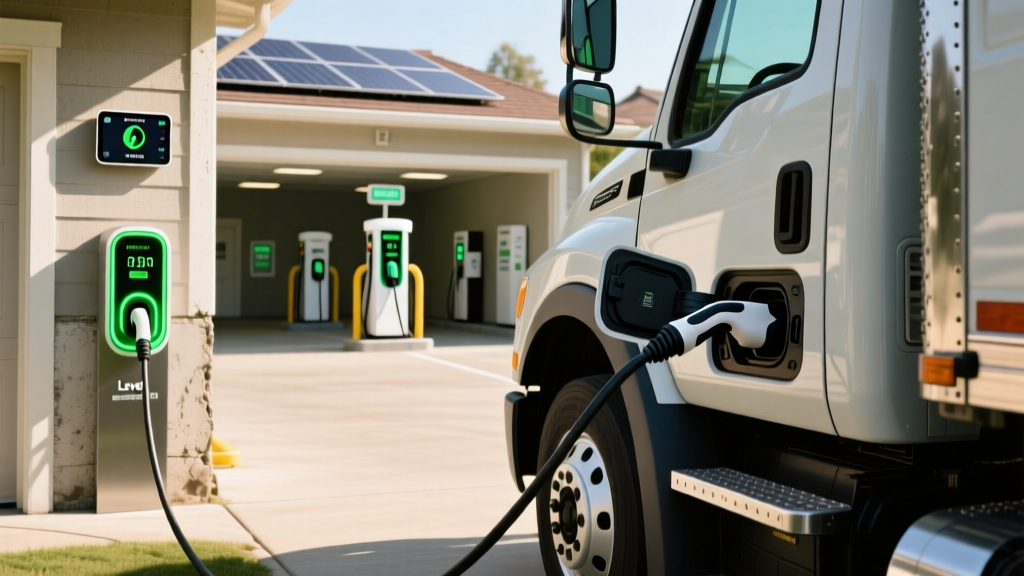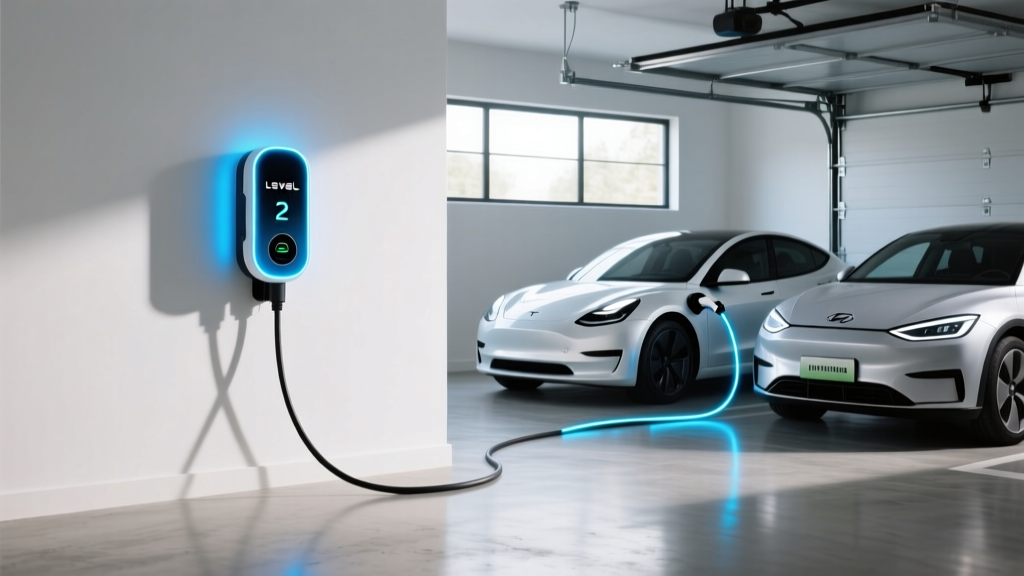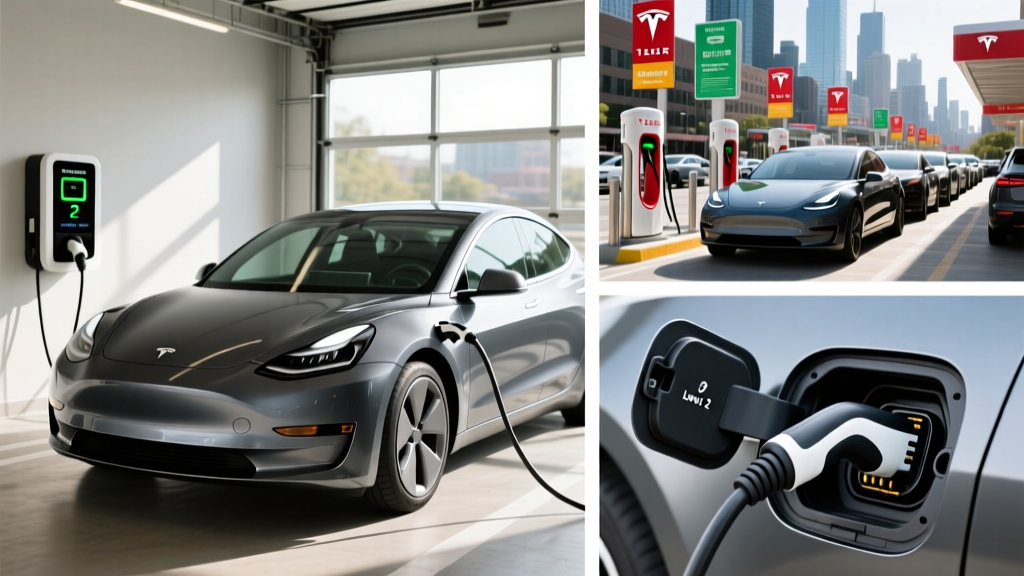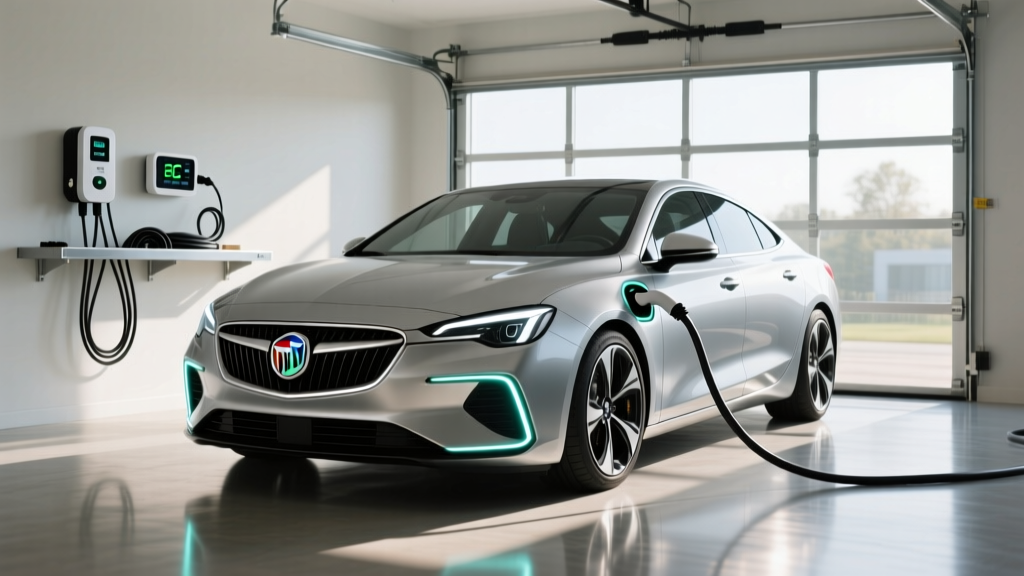
If you're one of the growing number of enthusiasts exploring an EV conversion on a classic or enthusiast platform — say, a Buick Regal Supercharged from the early 2000s — understanding your charging infrastructure is just as critical as selecting a motor and battery pack. Unlike factory EVs with validated thermal management and integrated charge controllers, a conversion vehicle requires you to spec every charging component yourself. This guide covers exactly what you need to know about charging levels, home installation, connectors, costs, and equipment to keep your custom electric Buick Regal Supercharged on the road.
Why Charging Planning Matters for an EV-Swapped Regal
A stock Buick Regal Supercharged (the GS or GSE variants with the 3.8L L67/L32 V6) was never designed for electrons. When you pull the supercharged V6 and install an electric drivetrain — typically a NetGain Hyper9 or Cascadia Motion motor paired with 30–60 kWh of lithium modules — your charging architecture is entirely dependent on the onboard charger you select and the battery management system (BMS) you integrate. Get the charging side wrong, and you're stuck with a garage-bound show piece rather than a drivable EV.
Before we break down each charging level and its real-world speeds, let's clarify the single most important distinction in EV charging: kW (kilowatts) measures power — the rate of energy flow, like water pressure in a hose. kWh (kilowatt-hours) measures energy — the total capacity, like the size of the tank. A 50 kW charger delivers energy at 50 kilowatts; a 40 kWh battery stores 40 kilowatt-hours of energy. These are not interchangeable.
Charging Levels Explained: Speeds and Range Added Per Hour
Every EV — factory or converted — charges across three defined levels. Your Buick Regal Supercharged conversion's usable charge rate depends on your onboard charger's maximum AC acceptance (for Level 1 and 2) and whether your system supports DC fast charging at all (many conversions do not, due to cost and BMS complexity).
| Level | Voltage / Phase | Typical Power (kW) | Miles of Range Added Per Hour | Best Use Case |
|---|---|---|---|---|
| Level 1 | 120V / Single | 1.0–1.9 kW | 3–5 mi/hr | Overnight trickle, emergency top-ups |
| Level 2 | 240V / Single | 3.3–19.2 kW | 12–75 mi/hr | Daily home charging, destination charging |
| DC Fast Charge | 200–900V DC | 50–350 kW | 150–1,000+ mi/hr | Road trips, rapid top-ups (if supported) |
For a typical Regal conversion with a 40 kWh usable battery pack and a 6.6 kW onboard charger (a common EV conversion spec using an Elcon or TC Charger unit), Level 2 charging at home will fully replenish the pack in roughly 6–7 hours from empty. Level 1 would take over 24 hours — impractical for daily use.
Home Charger Installation: Electrical Requirements and Costs
Installing a dedicated Level 2 home charger is the single most impactful upgrade for any EV owner, including conversion builders. Here's what the electrical side actually requires.
Electrical Specifications
A standard Level 2 home charger requires a 240V dedicated circuit, typically on a 40-amp or 50-amp breaker. The National Electrical Code (NEC) requires that continuous loads (like EV charging) not exceed 80% of the circuit rating, so a 40A breaker supports a maximum continuous draw of 32A (7.7 kW), and a 50A breaker supports 40A (9.6 kW).
Panel Upgrade Reality
Many older homes — particularly those built before 1990 — have 100A or 150A main service panels that may not have capacity for an additional 40–50A continuous load. If your panel is near capacity, a licensed electrician will need to perform a load calculation. A panel upgrade to 200A service typically costs $1,500–$3,500. Don't skip this step — overloading a panel is a fire risk.
Installation Cost Breakdown
| Component | Typical Cost Range | Notes |
|---|---|---|
| Level 2 EVSE Equipment | $350–$750 | 32A–48A smart charger, 25ft cable |
| Electrician Labor | $500–$2,000 | Varies by run length, conduit, wall type |
| Permit & Inspection | $50–$250 | Required in most jurisdictions |
| Panel Upgrade (if needed) | $1,500–$3,500 | 200A service upgrade for older homes |
| Total (no panel upgrade) | $900–$3,000 | Most common scenario |
| Total (with panel upgrade) | $2,400–$6,500 | Older homes, long conduit runs |
Always hire a licensed electrician and pull a permit. Unpermitted EV charger installs can void homeowner's insurance and create serious safety hazards.
Connector Compatibility: NACS, CCS, CHAdeMO, and Conversion Adapter Needs
Factory EVs come with a fixed connector standard. For a Buick Regal Supercharged EV conversion, you choose which inlet to install — and that choice determines where you can charge publicly.
| Connector | Type | Used By (Factory EVs) | Availability for Conversions |
|---|---|---|---|
| J1772 | AC Level 1/2 | All non-Tesla North American EVs | Widely available; standard for AC charging inlets |
| NACS (Tesla) | AC + DC | Tesla (all), Ford, GM, Rivian, Volvo (2025+) | Inlets available; Supercharger access expanding |
| CCS1 | DC Fast | Most non-Tesla NA EVs | Combo inlet available; requires DC-capable BMS |
| CHAdeMO | DC Fast | Nissan Leaf, Mitsubishi (legacy) | Declining network; not recommended for new builds |
For most Regal Supercharged conversions, a J1772 inlet for AC charging is the pragmatic choice. It's the North American standard for Level 2 public and home charging, and adapters exist for nearly every scenario. If you want DC fast charging capability (which adds $2,000–$5,000 in components and BMS complexity), CCS1 is the most future-proof option for public networks like Electrify America. Note that as of 2026, the NACS connector is rapidly becoming the dominant standard, with adapters from J1772-to-NACS widely available from brands like Lectron and ATESS.
Cost to Charge: Per-Mile Economics vs. the Original Supercharged V6
The original Buick Regal Supercharged with its 3.8L V6 averaged roughly 18–22 MPG combined. Let's compare the fuel cost of the gas original against the electric conversion across common charging scenarios.
| Scenario | Cost per kWh / Gallon | Efficiency | Cost Per Mile |
|---|---|---|---|
| Gas Regal Supercharged (20 MPG) | $3.40/gal (2026 avg) | 20 MPG combined | $0.17/mi |
| Home Level 2 (off-peak utility rate) | $0.09/kWh | 3.5 mi/kWh (conversion avg) | $0.026/mi |
| Home Level 2 (standard rate) | $0.14/kWh | 3.5 mi/kWh | $0.040/mi |
| Public Level 2 (network pricing) | $0.25/kWh | 3.5 mi/kWh | $0.071/mi |
| DC Fast Charge (public) | $0.38/kWh | 3.5 mi/kWh | $0.109/mi |
Even at the most expensive DC fast charging rate, the converted Regal costs roughly 36% less per mile than the original supercharged V6 on premium fuel. At home off-peak rates, the savings are dramatic: 85% cheaper per mile. Over 12,000 miles annually, that's a fuel savings of roughly $1,300–$1,700 per year depending on your charging mix. Source: fueleconomy.gov for original Regal MPG figures.
Charging Time Examples for Common Conversion Battery Sizes
Most Buick Regal Supercharged conversions use battery packs in the 30–60 kWh range, constrained by the vehicle's weight distribution and available space (trunk, rear seat delete, or custom under-floor fabrication). Here are realistic 10–80% charging times at various power levels:
- 30 kWh pack, 6.6 kW onboard charger (Level 2): ~3.2 hours (10–80%)
- 40 kWh pack, 6.6 kW onboard charger (Level 2): ~4.2 hours (10–80%)
- 50 kWh pack, 7.2 kW onboard charger (Level 2): ~4.9 hours (10–80%)
- 40 kWh pack, 50 kW DC fast charge: ~35–40 minutes (10–80%) — if your BMS and pack support DC charging, which requires active thermal management
Important caveat: DC fast charging a conversion battery without proper thermal management risks cell damage and accelerated degradation. Most conversion builders stick to AC Level 2 as the primary charging method and size their packs for daily needs to minimize the need for fast charging.
Recommended Level 2 Chargers for a Conversion Build
For an EV-swapped Buick Regal Supercharged with a J1772 inlet and 6.6 kW onboard charger, any quality Level 2 EVSE will max out your system. Here are three proven options in 2026:
Emporia Level 2 Smart Charger
- Power Output: 48A (11.5 kW) on a 60A circuit
- Connector: J1772 (NACS adapter available)
- Cable Length: 24 ft
- Smart Features: Wi-Fi, app scheduling, energy monitoring, solar integration
- Price: ~$400
- Why it works: Your Regal conversion will draw 6.6 kW max; this charger's overhead means you can upgrade the onboard charger later without replacing the EVSE.
ChargePoint Home Flex
- Power Output: Configurable 16A–50A (up to 12 kW)
- Connector: J1772
- Cable Length: 23 ft
- Smart Features: Wi-Fi, app control, Alexa, adjustable amperage to match your circuit
- Price: ~$550
- Why it works: Adjustable amperage is ideal for conversions — set it to match your onboard charger precisely.
Grizzl-E Smart
- Power Output: 40A (9.6 kW)
- Connector: J1772 (NACS version available)
- Cable Length: 24 ft
- Smart Features: OCPP-compatible, rugged aluminum case, -40°C rated
- Price: ~$500
- Why it works: Built for harsh environments — ideal if your Regal lives in an unheated garage or outdoor carport.
Safety, Code, and Installation Considerations
EV charging infrastructure must comply with NEC Article 625. Key requirements for your Regal Supercharged conversion's home charging setup:
- Dedicated Circuit: Your Level 2 charger must be on its own dedicated breaker — no sharing with other appliances.
- GFCI Protection: NEC 2023 and later require GFCI protection for all EVSE outlets. Hardwired units typically include built-in GFCI; receptacle-plugged units require a GFCI breaker.
- Outdoor Rating: If your charger is installed outdoors (carport, driveway), the EVSE must carry a NEMA 4 or IP65 weather rating. All three chargers above meet this standard.
- Ventilation: Indoor installations in attached garages generally do not require special ventilation for Level 2 charging, but your local inspector may have specific requirements.
- Wire Gauge: A 50A circuit requires 6 AWG copper wire; a 60A circuit requires 4 AWG. Your electrician will spec this based on run length and local code.
Always verify that your conversion's onboard charger, BMS, and inlet are rated for the amperage your EVSE can deliver. Mismatched components can cause overheating at the inlet — a risk unique to conversions where integration validation is on the builder.
Frequently Asked Questions
How much does it cost to install a home EV charger for my conversion?
Expect $900–$3,000 for a standard Level 2 installation (equipment + electrician + permit) if your electrical panel has sufficient capacity. If a panel upgrade to 200A service is needed, total costs can reach $2,400–$6,500. Always get a load calculation from a licensed electrician before committing.
How fast will each charging level add range to my EV-swapped Regal?
Level 1 (120V) adds roughly 3–5 miles per hour — essentially useless for a daily-driven conversion. Level 2 (240V, 6.6 kW) adds approximately 20–25 miles per hour, fully charging a 40 kWh pack overnight. DC fast charging adds 150+ miles per hour but requires expensive conversion hardware and is uncommon in builds.
Which connector should I install on my Buick Regal Supercharged EV conversion?
J1772 is the most practical AC charging inlet for a North American conversion — it's compatible with every Level 2 public charger and all home EVSEs. If you plan to add DC fast charging, CCS1 offers the widest public network access. NACS adapters are increasingly available for future-proofing.
How much does charging cost per mile compared to the original supercharged V6?
The original Regal Supercharged at 20 MPG costs roughly $0.17 per mile at 2026 gas prices. Home Level 2 charging at off-peak rates costs about $0.026 per mile — an 85% reduction. Even expensive public DC fast charging at $0.38/kWh delivers a 36% per-mile savings over gasoline.
What electrical upgrades might my home need?
Homes with 100A or 150A service panels may require a panel upgrade to 200A ($1,500–$3,500) to safely support a 40–50A EV charging circuit. You'll also need a dedicated breaker slot, proper wire gauge (6 AWG for 50A), and a permit. A licensed electrician's load calculation will determine your exact requirements. Check energy.gov's home charging guide for additional planning resources.
Can I charge my conversion at Tesla Superchargers?
Only if you install a NACS inlet and your onboard charger or DC system supports the communication protocol. As of 2026, Tesla has opened Supercharger access to non-Tesla EVs via the Tesla app at select locations, but conversion vehicles may face authentication challenges since they lack a factory VIN recognized by Tesla's system. J1772-to-NACS adapters work for AC destination chargers but not DC Superchargers.