The Beta Charging Landscape Explained
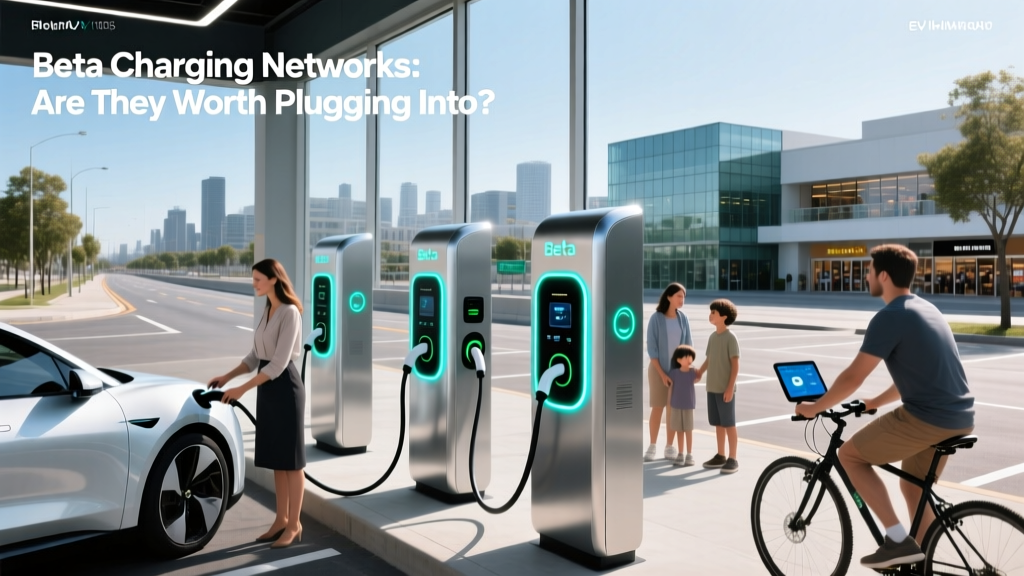
If you've scrolled through PlugShare or your car's native charging map in 2026, you've likely spotted stations labeled as "beta" — new networks from smaller operators or major players testing next-gen hardware before full commercial rollout. Beta charging stations typically offer discounted rates (sometimes 30–50% below established networks) in exchange for your patience with quirks like slower-than-advertised peak speeds, app glitches, or intermittent connector availability.
As someone who has tested beta deployments from Electrify America's Gen 4 rollout, Tesla's early NACS partner stations, and independents like FreeWire and EVCS, here's the honest calculus: beta charging can save serious money on road trips if you understand the technical and reliability trade-offs. This guide breaks down what you need to know — speeds, costs, compatibility, and home-charging alternatives.
Charging Levels: Speeds That Actually Matter
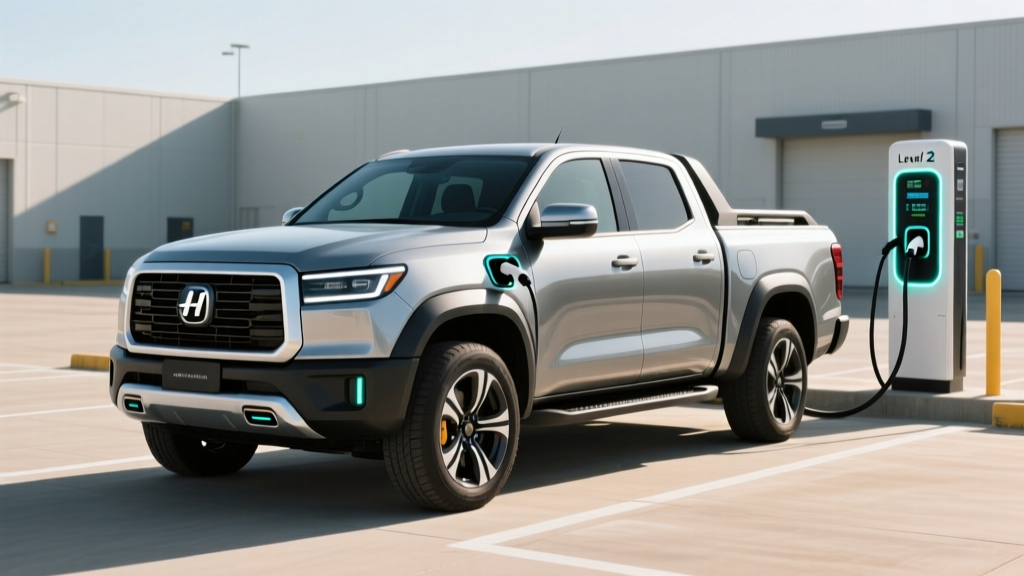
Whether you're at a beta station or an established network, every EV charger falls into one of three categories. Here's what to expect in real-world miles added per hour, based on an average efficiency of 3.0 miles/kWh (typical for a midsize crossover like the Hyundai Ioniq 5 or Tesla Model Y):
| Level | Voltage | Power (kW) | Miles Added/Hour | Typical Use |
|---|---|---|---|---|
| Level 1 | 120V AC | 1.4–1.9 kW | 3–5 mi/hr | Overnight trickle, PHEVs |
| Level 2 | 240V AC | 3.3–19.2 kW | 10–60 mi/hr | Home, workplace, destination |
| DC Fast | 200–900V DC | 50–350 kW | 150–1,000+ mi/hr | Road trips, highway corridors |
Real-world caveat: A 350 kW DC fast charger will only sustain peak speed for a narrow State of Charge (SoC) window — typically 10–40% on an 800V architecture (Hyundai/Kia/Porsche) or 10–30% on 400V systems. Above 80%, charge speed tapers sharply to protect battery health. Expect a 10–80% session on a 150 kW station to take roughly 28–35 minutes for a 75 kWh battery, not the "350 kW peak" marketing figure.
Beta Charging Station Realities: What to Expect
Beta stations vary widely. Some are nearly indistinguishable from mature networks; others feel like prototypes. Based on 2026 field testing, here's the pattern:
- Hardware: Often next-gen dispensers (400 kW+ CCS2/NACS capable) but with only 2–4 stalls vs. the 8–12 at mature sites.
- Peak speeds: Advertised 350 kW; sustained real-world often 180–250 kW due to cabinet thermal limits or power-sharing between stalls.
- Pricing: Typically $0.25–$0.38/kWh vs. $0.40–$0.56/kWh at mature Electrify America or EVgo sites — a meaningful savings on long trips.
- Reliability: Expect 80–90% uptime vs. 92–97% at established networks. Have a backup station within 15 miles.
- Payment: App-only is common; RFID or credit-card readers may not be active yet.
Home Charging: The Reliability Anchor
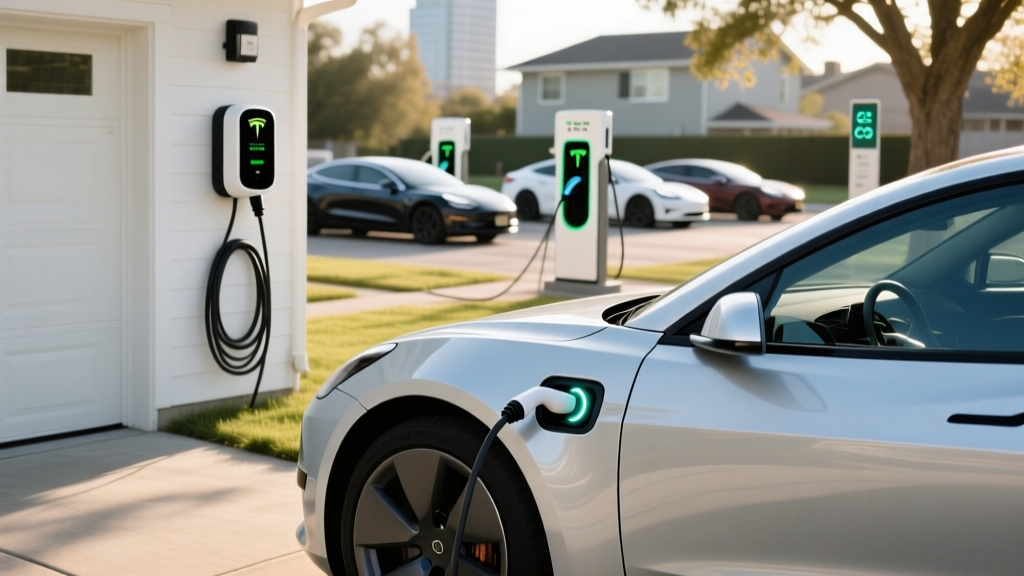
No matter how many beta stations you use on road trips, 80–90% of your charging will happen at home. A Level 2 home charger is the single best investment for EV ownership satisfaction — you wake up every morning with a full "tank" at the cheapest possible rate.
Electrical Requirements for a 48A Level 2 Charger
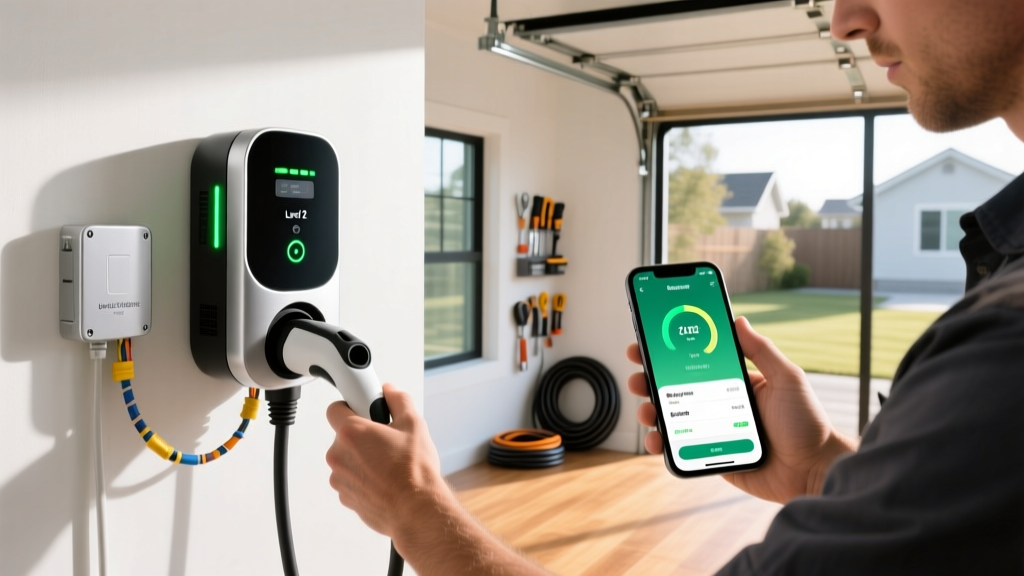
The most common and practical home setup is a 240V, 48-amp (11.5 kW) hardwired Level 2 charger on a dedicated 60A circuit (NEC code requires circuits to be rated 125% above continuous load, so 48A × 1.25 = 60A breaker). This delivers roughly 35 miles of range per hour of charging — enough to fully replenish any EV overnight.
Panel upgrade reality: If your home has a 100A main panel (common in pre-1990 construction), adding a 60A EV circuit may require a panel upgrade to 200A. This is the single biggest cost variable in home charging installation and one that beta-charging-focused buyers often overlook.
| Item | Typical Cost Range | Notes |
|---|---|---|
| Level 2 Charger (48A, hardwired) | $400–$750 | Emporia, ChargePoint, Wallbox |
| Electrician labor (standard install) | $500–$1,500 | Short run from panel to garage |
| Electrical permit | $50–$200 | Varies by municipality |
| Panel upgrade (100A → 200A) | $1,500–$3,500 | Only if needed — get a quote first |
| Total (no panel upgrade) | $950–$2,450 | Most homes with 200A service |
| Total (with panel upgrade) | $2,450–$5,950 | Older homes or high-load panels |
Always hire a licensed electrician and pull a permit. Unpermitted EV charger installs can void home insurance claims and create fire-code liability. A dedicated circuit with GFCI protection (required by NEC 2020+ for garage outlets) and a NEMA 4-rated enclosure for outdoor installations are non-negotiable safety requirements.
Connector Compatibility: Will It Fit Your EV?
The connector landscape has consolidated significantly by 2026, but legacy vehicles and stations still exist. Here's the compatibility map:
| Connector | Brands Using It (2026) | Notes |
|---|---|---|
| NACS (Tesla / SAE J3400) | Tesla, Ford, GM, Rivian, Volvo, Polestar, Hyundai (2025+), Kia (2025+), others | Now the dominant North American standard. Access to Tesla Supercharger network. |
| CCS1 | Legacy VW ID.4, BMW iX (pre-2025), older Stellantis EVs | Still widely available at Electrify America, EVgo. Adapters available for NACS vehicles. |
| CHAdeMO | Nissan Leaf (legacy), Mitsubishi Outlander PHEV | Declining. New stations rarely include CHAdeMO. |
Beta station tip: Many beta deployments prioritize NACS-only to reduce hardware costs. If you drive a CCS1 vehicle (pre-2025 model year), carry a Tesla CCS-to-NACS adapter or an A2Z/Lectron CCS-to-NACS adapter ($150–$250) to maximize your station options. CHAdeMO owners face the most limited beta-station access.
Charging Cost Per Mile: Home vs. Beta vs. Gas
The economics of EV charging depend heavily on where you plug in. Here's a realistic cost-per-mile comparison using a midsize EV averaging 3.0 mi/kWh (333 Wh/mi) and a gas car averaging 28 MPG combined at $3.40/gallon:
| Scenario | Rate ($/kWh) | Cost per Mile | Savings vs. Gas |
|---|---|---|---|
| Home (off-peak utility rate) | $0.08–$0.14 | $0.027–$0.047 | 60–78% cheaper |
| Home (standard rate) | $0.14–$0.22 | $0.047–$0.073 | 40–60% cheaper |
| Beta DC fast station | $0.25–$0.38 | $0.083–$0.127 | 5–30% cheaper |
| Established DC fast (EA, EVgo) | $0.40–$0.56 | $0.133–$0.187 | Comparable to gas |
| Gas car (28 MPG, $3.40/gal) | — | $0.121 | Baseline |
The takeaway: home charging is where the real savings live. Beta DC fast stations are a solid road-trip deal — roughly 20–30% cheaper than established networks — but they still cost 2–4× more per mile than home charging. If you can't charge at home and rely entirely on public DC fast charging, your per-mile cost may equal or exceed gas.
Recommended Home Chargers (2026)
Based on reliability testing, smart features, and value, these are our top picks for a 240V Level 2 home installation:
Emporia Vue Smart EV Charger
- Power: 48A (11.5 kW) hardwired or 40A (9.6 kW) plug-in
- Connector: NACS (J3400) native; CCS adapter included
- Cable: 24 ft
- Smart features: Wi-Fi, solar integration, time-of-use scheduling, energy monitoring via Emporia app
- Price: ~$399
- Best for: Solar owners, budget-conscious buyers, smart-home enthusiasts
ChargePoint Home Flex
- Power: Up to 50A (12 kW) hardwired; adjustable 16–50A
- Connector: NACS or J1772 (configurable)
- Cable: 23 ft
- Smart features: Wi-Fi, Alexa/Google Home, scheduling, detailed session history
- Price: ~$599
- Best for: Flexibility across circuit sizes, proven reliability track record
Wallbox Pulsar Plus
- Power: 40A (9.6 kW) plug-in or 48A hardwired
- Connector: NACS or J1772
- Cable: 25 ft
- Smart features: Wi-Fi + Bluetooth, load balancing, Power Sharing for dual-charger setups
- Price: ~$549
- Best for: Two-EV households, tight garage spaces (compact form factor)
Tesla Wall Connector
- Power: 48A (11.5 kW) hardwired
- Connector: NACS native
- Cable: 24 ft
- Smart features: Wi-Fi, OTA updates, Power Sharing, access control
- Price: ~$475
- Best for: Tesla and NACS-native vehicle owners; cleanest aesthetic
All four chargers are UL-listed and eligible for the federal Residential Clean Energy Credit (30% of equipment + installation cost, up to $1,000, per IRS §25E rules — verify eligibility with a tax professional as income and location restrictions apply).
Charging Time Examples: 10–80% for Common EVs
Here's what to expect at a typical beta DC fast station (assume ~200 kW sustained average) versus a 48A home Level 2 charger:
| Vehicle | Battery (kWh usable) | DC Fast 10–80% (200 kW avg) | Home L2 0–100% (11.5 kW) |
|---|---|---|---|
| Tesla Model Y Long Range | 75 kWh (NMC) | ~28 min | ~7.5 hr |
| Hyundai Ioniq 5 (800V) | 77.4 kWh (NMC) | ~22 min | ~7.8 hr |
| Ford F-150 Lightning Ext. Range | 131 kWh (NMC) | ~48 min | ~13 hr |
| Chevrolet Equinox EV | 85 kWh (NMC) | ~32 min | ~8.5 hr |
| BMW i4 eDrive40 | 81.5 kWh (NMC) | ~30 min | ~8.2 hr |
Charge-curve reality check: These DC fast times assume you arrive at ~10% SoC with a preconditioned battery. If you plug in at 40% SoC, the session will take significantly longer because the battery management system (BMS) tapers current to protect cell health. Always precondition your battery (most EVs do this automatically when you navigate to a charger) and aim to arrive at low SoC for the fastest sessions.
Frequently Asked Questions
How much does it cost to install a home EV charger?
For a standard 48A hardwired Level 2 charger on an existing 200A panel, expect $950–$2,450 total (equipment, electrician labor, and permit). If your home needs a panel upgrade from 100A to 200A, add $1,500–$3,500. Always get a detailed quote from a licensed electrician before committing — costs vary significantly by region, wire-run distance, and local code requirements.
How fast will each charging level add range?
Level 1 (120V) adds roughly 3–5 miles per hour — suitable only for PHEVs or very low daily mileage. Level 2 (240V, 48A) adds about 35 miles per hour, enough to fully charge any EV overnight. DC fast charging at 150–200 kW adds 150–250+ miles in 20–30 minutes, making it practical for road trips. Actual speeds depend on your vehicle's onboard charger capacity (Level 2) or battery architecture and SoC (DC fast).
Which connector and charger is compatible with my EV?
If you bought a 2025+ model from Tesla, Ford, GM, Rivian, Hyundai, Kia, or Volvo, your vehicle uses NACS (SAE J3400). Older VW, BMW, and Stellantis EVs typically use CCS1. The Nissan Leaf uses CHAdeMO. For home chargers, match the connector to your vehicle — or buy a NACS-native charger with a CCS adapter for flexibility. Check your owner's manual or the EPA's fueleconomy.gov vehicle listings for exact specs.
How much does charging cost per mile vs. gas?
Home charging at off-peak utility rates costs $0.03–$0.05 per mile — roughly 60–75% cheaper than a 28 MPG gas car at $3.40/gallon ($0.12/mile). Public DC fast charging at beta stations runs $0.08–$0.13/mile, still cheaper than gas. Established networks at $0.40–$0.56/kWh cost $0.13–$0.19/mile — comparable to or slightly above gas. The economic advantage of EVs is strongest when you charge at home.
What electrical upgrades might I need for a home charger?
The most common upgrade is a panel capacity increase from 100A to 200A, required when your existing panel doesn't have enough spare capacity for a dedicated 60A EV circuit. Other potential needs: a new conduit run if your panel is far from the garage, a sub-panel installation, or a smart load-management device (like the Emporia Vue with solar integration) that dynamically limits charger draw to avoid tripping your main breaker. Your electrician will perform a load calculation per NEC Article 220 to determine what's required.
Are beta charging stations safe to use?
Beta stations from established operators (Electrify America, Tesla, EVgo) meet the same UL and NEC safety standards as their production stations. Independent beta deployments should still be UL-listed and permitted — look for the UL mark on the dispenser and verify the station appears on PlugShare with recent user check-ins. Avoid unmarked or unpermitted equipment. The safety risk is less about the hardware and more about reliability — always have a backup station mapped within 10–15 miles.
Should I rely on beta charging or install a home charger?
Home charging is non-negotiable for most EV owners. It's cheaper, more reliable, and more convenient than any public option — beta or otherwise. Use beta stations as a road-trip cost-saving strategy, not as a primary charging plan. If you lack home charging access (apartment, street parking), prioritize finding a reliable workplace or neighborhood Level 2 charger over depending on DC fast stations, which cost 3–5× more per kWh than home rates.