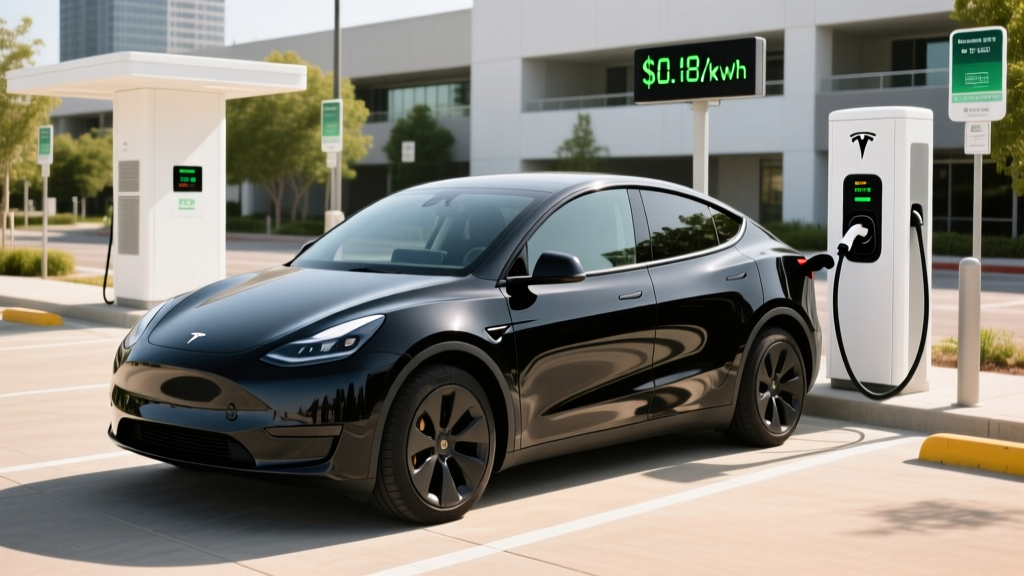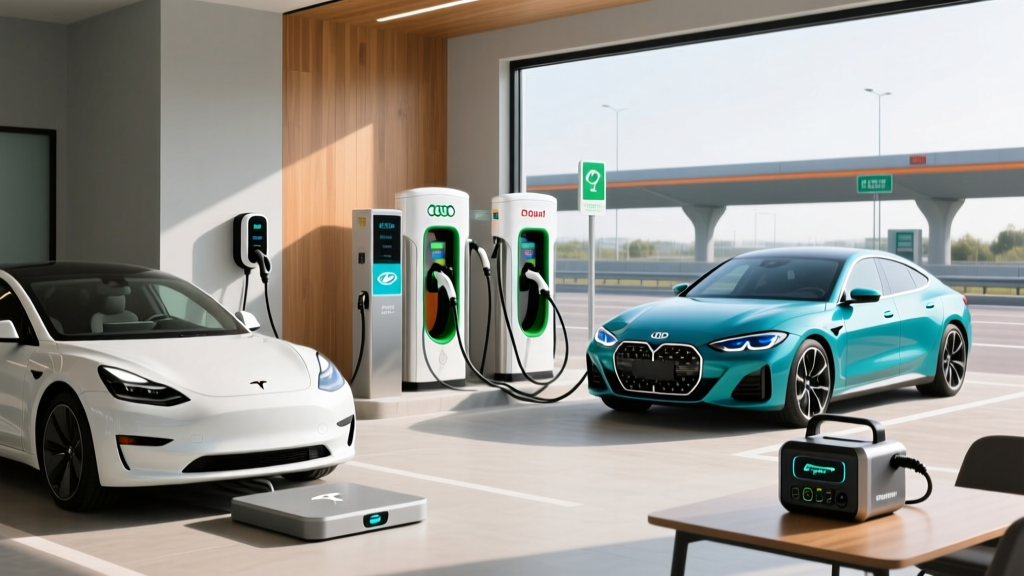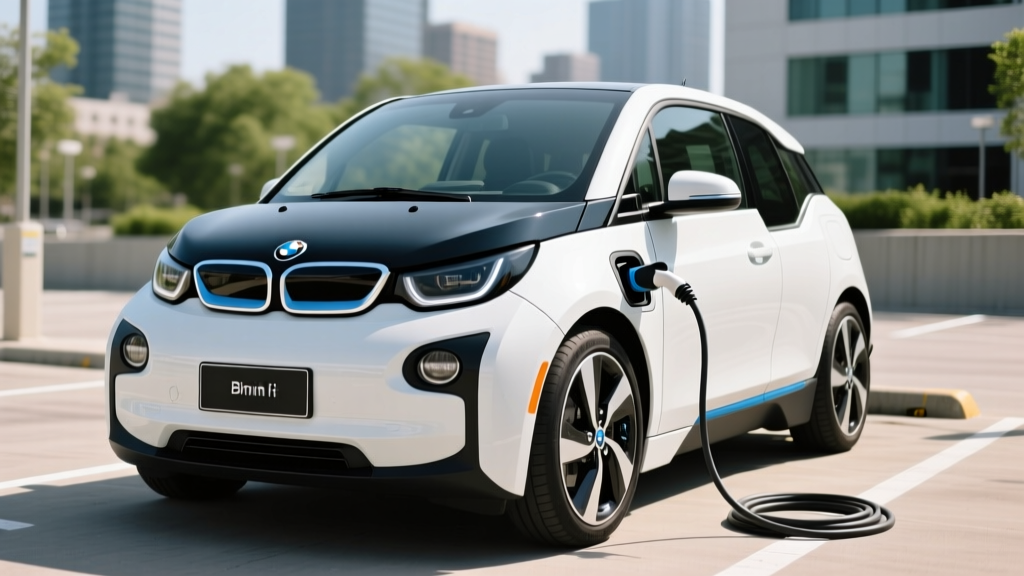
The 2014 BMW i3 Range Extender (REx) remains one of the most distinctive electrified vehicles on the used market. With its 22 kWh lithium-ion battery (18.8 kWh usable) paired with a 650cc two-cylinder gasoline range extender, it delivers an EPA-rated 72 miles of electric range plus roughly 80 additional miles on gas. But extracting maximum value from this car means understanding exactly how to charge it — and what home charging infrastructure you'll need in 2026.
This guide covers every charging scenario for the i3 REx: from overnight Level 1 trickle charging to Level 2 home installation, public DC fast charging (with the car's SAE Combo/CCS1 connector), and real-world cost math that shows whether plugging in beats filling up.
Understanding the 2014 BMW i3 REx Battery and Charging Architecture
Before plugging in anywhere, know what you're working with. The 2014 i3 REx uses an 18.8 kWh usable battery pack (22 kWh gross) built with Samsung SDI NMC cells. BMW limits the usable window to protect longevity — you'll never see a true 0% or 100% on the display.
The onboard charger is rated at 7.4 kW for AC charging (single-phase, 32A). This is the ceiling for Level 2 home or public AC charging — even if you plug into a 48A or 80A wallbox, the i3 will only accept 7.4 kW. For DC fast charging, the 2014 i3 supports CCS1 (SAE Combo) at a peak of 47 kW, though sustained rates taper significantly above 80% state of charge.
Charging Levels Explained: Speeds and Range Added Per Hour
EV charging breaks into three tiers. The critical distinction: kW (kilowatts) measures charging power — how fast energy flows. kWh (kilowatt-hours) measures battery energy capacity — how much the battery holds. Think of kW as the flow rate of a hose and kWh as the size of the bucket.
| Level | Voltage | Max Power (kW) | i3 Actual Acceptance | Miles of Range Added Per Hour | 0–100% Time (18.8 kWh) |
|---|---|---|---|---|---|
| Level 1 (120V outlet) | 120V | 1.4 kW | 1.4 kW | ~4–5 mi/hr | ~14–16 hours |
| Level 2 (240V home/public) | 240V | Up to 19.2 kW | 7.4 kW (onboard limit) | ~22–25 mi/hr | ~2.5–3 hours |
| DC Fast (CCS1) | 400V+ | Up to 47 kW | 47 kW peak, tapering | ~90–120 mi/hr (to 80%) | 0–80% in ~25–30 min |
For the i3's relatively small 18.8 kWh battery, Level 2 charging is the sweet spot. You'll go from nearly empty to full in under three hours — fast enough that most owners never need DC fast charging for daily use. The DC fast option matters primarily for road trips when you need a quick top-up to supplement the range extender.
Home Level 2 Charger Installation: Electrical Requirements and Costs
Level 1 charging from a standard 120V wall outlet technically works — adding about 4–5 miles of range per hour — but for an EV you'll drive daily, it's painfully slow. A Level 2 home charger operating at 240V is the practical standard.
Electrical Requirements
The i3's 7.4 kW onboard charger draws approximately 32 amps at 240V. Per the National Electrical Code (NEC), continuous loads (like EV charging) require a circuit rated at 125% of the actual draw — meaning you need a 40-amp dedicated circuit minimum. Most installers recommend a 50-amp circuit with a 40A or 48A charger for future-proofing.
Panel capacity check: Your home's main electrical panel must have sufficient spare capacity. A 200-amp panel typically handles a 40A EV circuit without issue. A 100-amp panel — common in older homes — may require a panel upgrade to 200A, adding $1,500–$3,000 to your total cost. Have a licensed electrician perform a load calculation before committing.
| Component | Low End | High End | Notes |
|---|---|---|---|
| Level 2 Charger Equipment (32A–48A) | $300 | $700 | Hardwired or NEMA 14-50 plug |
| Electrician Labor (40A circuit install) | $400 | $1,200 | Varies by run length, wall type |
| Electrical Permit | $50 | $200 | Required in most jurisdictions |
| Panel Upgrade (if needed) | $1,500 | $3,000 | 100A → 200A service upgrade |
| Conduit/Wiring Materials | $100 | $400 | Longer runs = higher cost |
| Total (no panel upgrade) | $850 | $2,500 | Typical suburban install |
| Total (with panel upgrade) | $2,350 | $5,500 | Older homes with 100A service |
Some utility companies offer rebates of $250–$500 for Level 2 charger installation — check with your local provider. The federal Alternative Fuel Vehicle Refueling Property Credit (IRC §30C) covers up to 30% of home charging equipment and installation costs (capped at $1,000), though eligibility depends on census-tract requirements. Consult a tax professional for your specific situation.
Which Connector and Charger Are Compatible with the 2014 i3?
The 2014 BMW i3 REx uses two connector types depending on charging level:
- AC Charging (Level 1 and Level 2): J1772 connector — the universal North American standard for AC charging. Every public Level 2 station and home charger uses this.
- DC Fast Charging: CCS1 (SAE Combo) — the J1772 plug with two additional DC pins below. This was standard on i3 models equipped with the DC fast-charge option (a $750 factory add). Verify your specific vehicle has the CCS port — not all 2014 i3s were optioned with it.
| Connector Type | Used By | i3 Compatibility |
|---|---|---|
| J1772 (AC) | All EVs (North America) | ✅ Native — all i3 models |
| CCS1 (DC Fast) | BMW, VW, Ford, GM, Hyundai, most non-Tesla | ✅ If DC fast-charge option equipped |
| NACS (Tesla) | Tesla vehicles; Ford/GM/Rivian starting 2025 | ❌ Requires CCS-to-NACS adapter for Superchargers |
| CHAdeMO (DC Fast) | Nissan Leaf, Mitsubishi | ❌ Not compatible |
Equipment Recommendations: Best Level 2 Chargers for the i3
Since the i3 caps at 7.4 kW (32A), you don't need the most powerful charger on the market. A 32A unit matches the car perfectly; a 40A or 48A unit provides headroom for a future EV with a higher onboard charger. Here are three proven options:
Emporia Level 2 Smart Charger
- Power Output: 48A (11.5 kW) — adjustable down to 32A
- Connector: J1772
- Cable Length: 24 ft
- Smart Features: Wi-Fi, energy monitoring via app, solar integration, scheduling
- Installation: Hardwired (requires electrician)
- Price: ~$400
- Why for i3: Best value smart charger; energy monitoring helps track charging costs precisely
ChargePoint Home Flex
- Power Output: Up to 50A (12 kW) — adjustable via DIP switches
- Connector: J1772
- Cable Length: 23 ft
- Smart Features: Wi-Fi, ChargePoint app, Alexa integration, scheduling, utility demand-response compatible
- Installation: NEMA 14-50 plug or hardwired
- Price: ~$550
- Why for i3: Plug-in option means you can take it when you move; strong app ecosystem
Tesla Wall Connector (with J1772 adapter)
- Power Output: Up to 48A (11.5 kW)
- Connector: NACS native — requires separate J1772 adapter for i3
- Cable Length: 24 ft
- Smart Features: Wi-Fi, power-sharing with second unit, OTA updates
- Installation: Hardwired
- Price: ~$475 (charger) + ~$30 (J1772 adapter)
- Why for i3: Excellent build quality; ideal if household also has a Tesla
Cost to Charge the i3 vs. Gasoline: The Per-Mile Math
The 2014 i3 REx gives you two fuel sources: electricity and gasoline. Here's how the costs compare across scenarios, using the EPA-rated combined efficiency of 117 MPGe (electric) and 31 MPG combined (range-extender gasoline mode).
| Scenario | Energy Cost | Cost Per Mile (Electric) | Cost Per Mile (Gas, 31 MPG) |
|---|---|---|---|
| Home charging (off-peak, $0.12/kWh) | $0.12/kWh | $0.035 | $0.113 (@ $3.50/gal) |
| Home charging (peak, $0.22/kWh) | $0.22/kWh | $0.064 | $0.113 (@ $3.50/gal) |
| Home charging (California avg, $0.30/kWh) | $0.30/kWh | $0.087 | $0.129 (@ $4.00/gal) |
| Public Level 2 ($0.35/kWh avg) | $0.35/kWh | $0.101 | $0.113 (@ $3.50/gal) |
| DC Fast Charging ($0.48/kWh avg) | $0.48/kWh | $0.139 | $0.113 (@ $3.50/gal) |
The i3's electric efficiency is approximately 0.29 kWh/mile (derived from 117 MPGe). At the national average residential electricity rate of roughly $0.16/kWh, home charging costs about $0.046 per mile — roughly 60% less than the gasoline range-extender mode at current fuel prices.
Key insight: DC fast charging is the most expensive way to charge — often costing more per mile than the range extender running on gasoline. Reserve DC fast charging for road-trip necessity, not daily use. Home Level 2 charging on off-peak rates delivers the lowest operating cost by a wide margin.
Charging Time Examples: What to Expect with the i3's 18.8 kWh Battery
The i3's compact battery is actually a charging-speed advantage — it fills far faster than a 75 kWh or 100 kWh pack. Here are real-world time estimates:
- Level 1 (120V, 1.4 kW): 10–80% in approximately 10–11 hours. Adequate only if you drive under 30 miles daily and can charge overnight.
- Level 2 (240V, 7.4 kW): 10–80% in approximately 1 hour 50 minutes. Full 0–100% in about 2.5 hours. This is the practical daily-charging solution.
- DC Fast (CCS1, 47 kW peak): 10–80% in approximately 25–30 minutes. Note that the charge curve tapers sharply above 80% — going from 80–100% on DC fast can take an additional 15–20 minutes. Plan to unplug at 80% for optimal charging speed.
Safety, Code, and Installation Best Practices
EV charging is a high-draw, continuous electrical load — safety is non-negotiable. Key requirements and recommendations:
- Dedicated circuit: Your Level 2 charger must be on its own dedicated circuit — never shared with other appliances. A 40A or 50A breaker with appropriately gauged wire (6 AWG for 50A, 8 AWG for 40A) is standard.
- GFCI protection: NEC 2020 and later requires GFCI protection for EV charging outlets. Hardwired chargers with built-in ground-fault protection satisfy this requirement. If using a NEMA 14-50 receptacle, your electrician must install a GFCI breaker.
- Outdoor rating: If your charger is installed outdoors (driveway, carport), ensure the unit carries a NEMA 4 or IP65 weather rating. All three chargers recommended above are outdoor-rated.
- Permit and inspection: Most jurisdictions require an electrical permit for a new 240V circuit. The permit ensures an inspector verifies the work — protecting your home and satisfying insurance requirements. Never skip this step.
- Cable management: Use a wall-mounted cable organizer or retractable holster to prevent tripping hazards and cable damage. Avoid running cables across walkways or driveways.
Frequently Asked Questions
How much does it cost to install a home EV charger for a 2014 BMW i3?
For a typical installation without a panel upgrade, expect $850–$2,500 total (equipment, electrician labor, permit, and materials). If your home has a 100-amp electrical panel that needs upgrading to 200 amps, add $1,500–$3,000. The federal §30C tax credit may cover up to 30% of equipment and installation (max $1,000), subject to census-tract eligibility.
How fast will each charging level add range to the i3?
Level 1 (120V) adds roughly 4–5 miles of electric range per hour. Level 2 (240V, 7.4 kW) adds approximately 22–25 miles per hour. DC fast charging (CCS1) can add roughly 90–120 miles per hour up to 80% SoC, though the i3's 72-mile electric range means a full DC fast session takes only about 25–30 minutes.
Which connector and charger are compatible with my 2014 i3?
All 2014 i3 models accept J1772 for AC Level 1 and Level 2 charging — this is universal. For DC fast charging, your i3 must have been factory-equipped with the CCS1 option (check for the two additional DC pins below the J1772 inlet). Any J1772 Level 2 home charger works; we recommend a 32A–48A unit from Emporia, ChargePoint, or Tesla (with adapter).
How much does charging cost per mile vs. gas in the i3 REx?
At the national average residential rate of ~$0.16/kWh, home charging costs approximately $0.046 per mile in electric mode. The range extender on gasoline costs roughly $0.113 per mile at $3.50/gallon (31 MPG combined). Home charging saves about 60% per mile — but DC fast charging at $0.48/kWh can actually exceed gasoline cost per mile.
What electrical upgrades might I need for a home charger?
The most common upgrade is a panel capacity increase from 100A to 200A service ($1,500–$3,000), needed in older homes that lack spare capacity for a new 40A circuit. Other potential needs: running new conduit from the panel to the garage ($100–$400 depending on distance), upgrading the meter base, or adding a sub-panel. A licensed electrician's load calculation will determine your specific requirements.
Does the i3 REx battery degrade, and does that affect charging?
Yes — all lithium-ion batteries degrade. A 2014 i3 in 2026 is 12 years old; expect the battery to retain roughly 70–80% of its original capacity depending on climate and charging habits. That means real-world electric range may be closer to 50–60 miles rather than the original 72. Charging speeds remain largely unaffected — degradation reduces capacity (kWh), not charge acceptance rate (kW). BMW's original battery warranty was 8 years/100,000 miles against defects and capacity loss below 70%, which has now expired for most vehicles.