Introduction to EV Thermal Management Systems (TMS)
Lithium-ion batteries are the beating heart of every electric vehicle, but they are incredibly sensitive to temperature fluctuations. The ideal operating temperature for an EV battery pack sits between 20°C and 25°C (68°F to 77°F). When temperatures plummet, the battery's internal resistance increases, severely limiting regenerative braking and DC fast-charging speeds. Conversely, excessive heat accelerates chemical degradation, leading to permanent capacity loss. To combat this, automakers engineer sophisticated Thermal Management Systems (TMS). According to the U.S. Department of Energy's Alternative Fuels Data Center, maintaining optimal battery temperature is critical for maximizing both daily range and long-term lifespan.
While early EVs relied on passive air cooling, modern electric vehicles utilize active liquid cooling and heating circuits. However, not all thermal architectures are created equal. In this comprehensive how-to guide, we will break down the specific thermal management systems used by major EV brands—including Tesla, Hyundai/Kia, Ford, and BYD—and provide actionable steps to optimize your vehicle's battery health based on its unique engineering.
Brand-Specific Thermal Architectures: A Deep Dive
Tesla: The Octovalve and Liquid Cooling Mastery
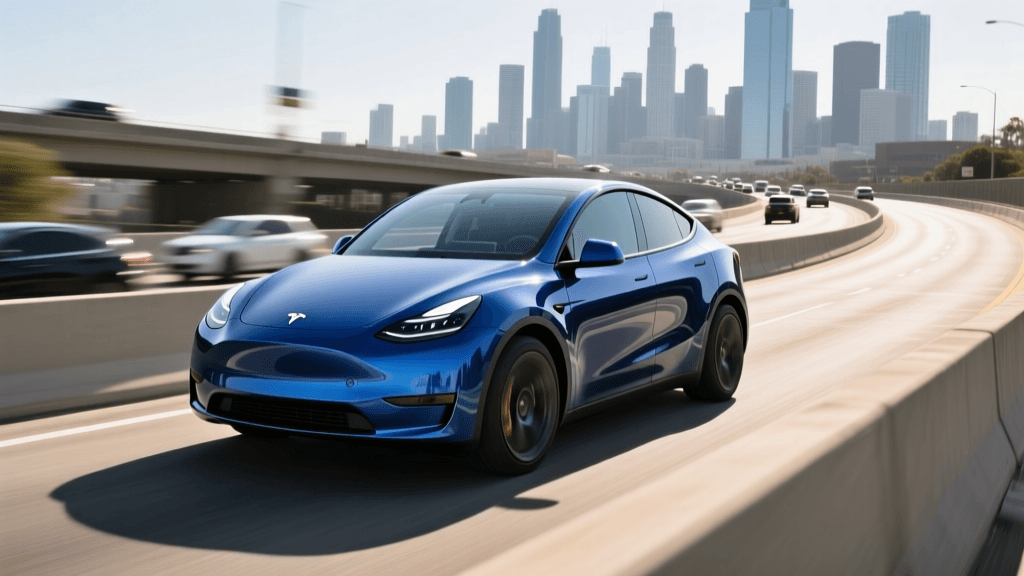
Tesla has long been the industry benchmark for EV thermal management. While earlier Model 3 vehicles used a traditional liquid cooling loop with a glycol-water mixture, the introduction of the Model Y brought a revolutionary component: the Octovalve. This eight-port manifold integrates the battery pack, drive unit, and cabin HVAC system into a single, highly efficient thermal loop.
The Octovalve allows the vehicle to scavenge waste heat from the drive motors and power electronics to warm the battery in freezing conditions, drastically reducing the energy required for cabin heating. When paired with Tesla's heat pump, this system ensures that the battery reaches optimal DC fast-charging temperatures with minimal range penalty. As noted by the U.S. Department of Energy, advanced thermal management systems like heat pumps are essential for protecting the battery and maintaining efficiency during high-speed charging and extreme weather.
Hyundai & Kia (E-GMP): Heat Pumps and 800V Conditioning
Hyundai and Kia vehicles built on the Electric-Global Modular Platform (E-GMP)—such as the Ioniq 5, Ioniq 6, and EV6—feature an 800-volt architecture capable of accepting up to 350 kW of DC fast charging. Pushing this much current into a battery generates immense heat. To manage this, Hyundai/Kia utilize a sophisticated multi-port valve system and a standard heat pump across most trims.
The E-GMP TMS excels at battery preconditioning. When the native navigation system detects that a high-speed charger is the next destination, the TMS automatically begins heating or cooling the battery to the exact temperature required for peak charging curves. Furthermore, the heat pump captures waste heat from the PE (Power Electronics) system and the drive motors, recycling it to heat the cabin and the battery during winter months.
Ford: Robust Liquid Cooling for Heavy-Duty Applications
Ford’s approach to thermal management, particularly in the Mustang Mach-E and the F-150 Lightning, prioritizes sustained performance and heavy-duty utility. The F-150 Lightning features a massive battery pack (up to 131 kWh usable in the Extended Range model) that requires a highly robust active liquid cooling system to prevent thermal throttling during heavy towing or off-road use.
Ford utilizes a conventional but highly effective liquid cooling plate system situated beneath the battery modules. The system is integrated with the vehicle's climate control, allowing the truck to pre-cool the battery during intense summer towing sessions. For Lightning owners utilizing Pro Power Onboard to run external tools or home appliances, the TMS actively monitors the battery's thermal state to ensure the pack does not overheat while stationary and discharging at high rates.
BYD: Blade Battery and Direct Refrigerant Cooling
BYD has taken a different approach by heavily investing in Lithium Iron Phosphate (LFP) chemistry with its proprietary Blade Battery. LFP cells are inherently more thermally stable and less prone to thermal runaway than NMC (Nickel Manganese Cobalt) cells. However, they still require precise temperature control for optimal charging and winter performance.
BYD employs a direct refrigerant cooling and heating system. Instead of using a secondary glycol-water loop to transfer heat, BYD routes the air conditioning refrigerant directly through sandwich plates within the battery pack. This direct-contact method allows for incredibly rapid temperature changes, cooling the battery much faster during hot-weather DC fast charging. Research from the National Renewable Energy Laboratory (NREL) highlights that managing extreme temperatures is vital, as thermal stress is a primary catalyst for accelerated battery degradation across all chemistries.
Comparison Chart: EV Thermal Management Systems
| Brand / Platform | Cooling Method | Heating Method | Key Thermal Feature | Best Optimization Strategy |
|---|---|---|---|---|
| Tesla (Octovalve) | Liquid Glycol Loop | Heat Pump + Drive Unit Scavenging | 8-port integrated manifold | Use app 'Defrost' for rapid winter preconditioning |
| Hyundai/Kia (E-GMP) | Liquid Glycol Loop | Heat Pump + PE Waste Heat | Navigation-based auto conditioning | Always use native nav for DCFC routing |
| Ford (Mach-E / Lightning) | Active Liquid Cooling Plates | PTC Heater + Liquid Loop | Heavy-duty towing thermal sustain | Set 'Scheduled Departure' in FordPass |
| BYD (Blade LFP) | Direct Refrigerant Cooling | Direct Refrigerant Heating | Refrigerant-to-cell sandwich plates | Charge to 100% weekly for LFP cell balancing |
How-To Guide: Optimizing Your EV’s TMS for Longevity
Understanding your vehicle's hardware is only half the battle. To maximize your battery's lifespan and ensure the fastest possible charging speeds, you must actively manage the thermal state of the pack. Follow these actionable steps tailored to modern EV architectures.
Step 1: Master Navigation-Based Preconditioning
If you drive a Tesla, Hyundai, Kia, or Porsche, your vehicle relies on the native navigation system to trigger battery preconditioning. When you select a DC fast charger as your destination, the TMS will spend 15 to 45 minutes heating or cooling the battery before you arrive.
- Action: Never use Apple CarPlay or Android Auto to route to a fast charger if you want the battery preconditioned. Always input the charger into the car's native infotainment system.
- Timing: Ensure your battery is at a minimum of 20% State of Charge (SoC) when you begin routing to the charger; some systems will not precondition if the battery is critically low, as heating requires significant energy.
Step 2: Utilize Scheduled Departure and Grid Power
Warming a cold battery using its own stored energy in the dead of winter can consume up to 15% of your total range before you even leave the driveway. Instead, use grid power to do the heavy lifting.
- Tesla: Open the Tesla app, go to Climate, and select 'Schedule' or 'Precondition' while the car is still plugged into your home Level 2 charger.
- Ford / Hyundai: Use the FordPass or Kia Connect app to set a 'Scheduled Departure' time. The vehicle will warm the battery and the cabin using wall power, ensuring you leave with a 100% full pack and a thermally optimized battery.
Step 3: Manage State of Charge (SoC) in Extreme Climates
Your TMS works hardest when the battery is at extreme states of charge combined with extreme ambient temperatures.
- Summer Heat: Avoid leaving your EV parked at 100% SoC in direct sunlight for extended periods. High SoC combined with high heat accelerates the growth of the Solid Electrolyte Interphase (SEI) layer, causing permanent capacity loss. Set your daily charge limit to 80% (or 90% for Tesla's LFP models) and park in the shade.
- Winter Cold: Cold temperatures cause 'lithium plating' if you attempt to charge at high speeds or use heavy regenerative braking on a freezing battery. Always allow the TMS time to warm the pack before engaging in aggressive driving or DC fast charging.
Step 4: Understand Your Chemistry (NMC vs. LFP)
Your optimization strategy must align with your battery chemistry. Vehicles with NMC batteries (most long-range Teslas, Hyundais, and Fords) prefer to sit between 20% and 80% SoC. However, BYD's Blade Battery and standard-range Teslas use LFP chemistry. LFP batteries have a flatter voltage curve, making it difficult for the Battery Management System (BMS) to guess the exact SoC.
- Action for LFP Owners: Charge your BYD or LFP Tesla to 100% at least once a week. This allows the BMS to balance the cells accurately. The direct refrigerant cooling system will manage the thermal load during this process.
Conclusion
EV battery thermal management systems have evolved from simple fans into highly complex, AI-driven thermal networks. Whether your vehicle utilizes Tesla's Octovalve, Hyundai's 800V heat pump scavenging, Ford's heavy-duty liquid plates, or BYD's direct refrigerant cooling, the goal remains the same: keep the chemistry in its Goldilocks zone. By leveraging navigation-based preconditioning, utilizing scheduled grid-powered climate control, and respecting your specific battery chemistry, you can dramatically extend the life of your EV's most expensive component while enjoying the fastest charging speeds available.