The Science of Lithium-Ion Batteries and Temperature
Buying your first electric vehicle (EV) is an exciting milestone, but it comes with a unique learning curve—especially when the seasons change. Unlike internal combustion engine vehicles that generate massive amounts of waste heat to keep the cabin warm, EVs rely entirely on their high-voltage battery packs for both propulsion and climate control. Understanding how seasonal temperature shifts affect your EV battery is the first step toward mastering electric ownership.
Lithium-ion batteries operate best in what engineers call the 'Goldilocks Zone'—typically between 68°F and 77°F (20°C to 25°C). In this temperature range, the chemical reactions inside the battery cells occur with minimal internal resistance, allowing for optimal energy transfer, maximum range, and rapid charging speeds. When temperatures swing to either extreme, the battery's chemistry is disrupted, leading to noticeable changes in your daily driving experience.
Winter Driving: Why Cold Weather Kills EV Range
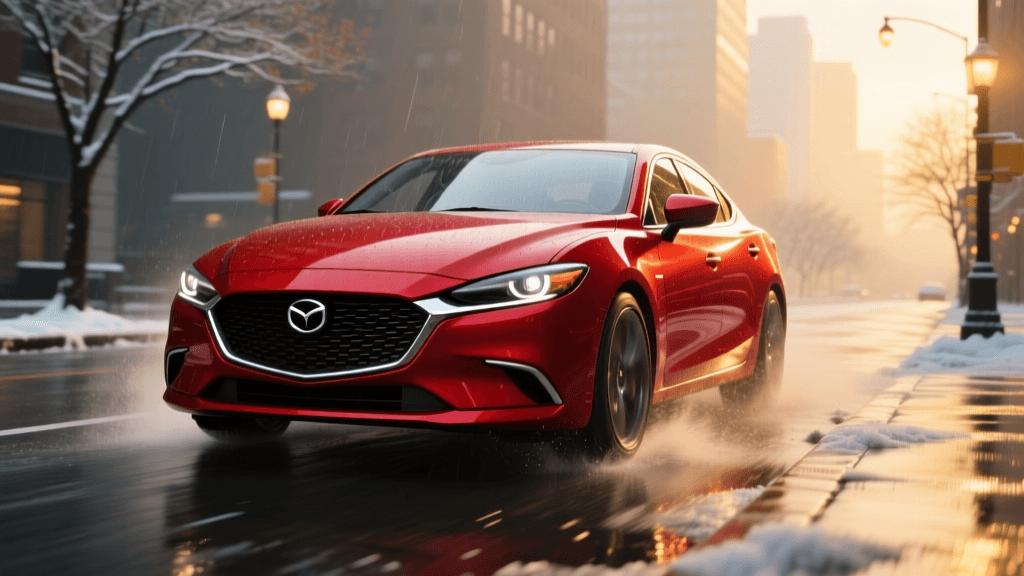
Winter is the most challenging season for electric vehicles. When the temperature drops below freezing, the electrolyte fluid inside the lithium-ion cells becomes more viscous. This increases the internal resistance of the battery, meaning it takes more energy to move ions from the anode to the cathode. Consequently, the battery cannot deliver or accept power as efficiently.
However, the chemical slowdown is only half the story. The primary culprit for winter range loss is cabin heating. Because an electric motor is incredibly efficient, it produces very little waste heat. To keep you warm, the EV must generate heat from scratch using the battery. According to extensive real-world fleet data analyzed by Recurrent Auto, EVs can see range reductions of 20% to 30% in freezing temperatures, with a significant portion of that energy diverted directly to the HVAC system and battery warming protocols.
Summer Driving: Heat, Cooling, and Long-Term Health
While winter steals your immediate range, extreme summer heat poses a greater threat to your battery's long-term health. High ambient temperatures force the vehicle's thermal management system to work overtime, circulating liquid coolant to keep the battery pack from overheating. This active cooling draws power from the battery, resulting in a mild but noticeable range drop during peak summer heatwaves.
More importantly, prolonged exposure to high temperatures accelerates battery degradation. Long-term studies on battery health, such as those conducted by Geotab, show that EVs operating in consistently hot climates experience slightly faster capacity loss over a five-year period compared to those in temperate climates. Combining high heat with a 100% state of charge is particularly stressful for lithium-ion chemistry, which is why summer requires a slightly different optimization strategy focused on preservation rather than just immediate range.
Seasonal EV Range Variation Data
To help beginners visualize how temperature impacts performance, review the table below detailing average range variations and their primary causes.
| Season / Condition | Estimated Range Impact | Primary Energy Drain | Charging Speed Impact |
|---|---|---|---|
| Mild Spring/Fall (68°F) | Baseline (100% EPA Est.) | Propulsion Only | Optimal DC Fast Charging |
| Winter Cold (20°F) | -20% to -30% Range | Cabin Heating & Battery Warming | Slower (Cold Battery Limits) |
| Extreme Winter (0°F) | -30% to -40% Range | Intensive HVAC & Defrosting | Severely Restricted |
| Summer Heat (95°F+) | -5% to -10% Range | Active Battery & Cabin Cooling | Optimal, but Thermal Throttling Possible |
Beginner's Winter Optimization Playbook
Fortunately, modern EVs come equipped with software and hardware designed to mitigate cold-weather range loss. Here is how you can optimize your vehicle for winter driving:
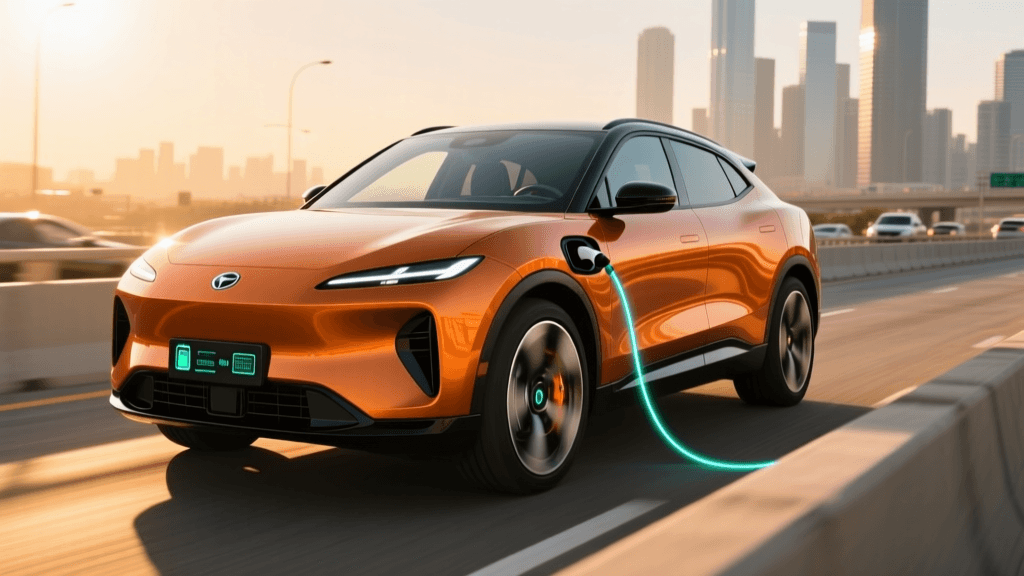
- Precondition While Plugged In: This is the single most important winter habit. Preconditioning warms the battery and the cabin using grid power before you even unplug. Use your EV's smartphone app to set a departure timer. By the time you leave, the battery is at its optimal operating temperature, and the cabin is already warm, saving massive amounts of on-road battery energy.
- Rely on Seat and Steering Wheel Heaters: Resistive cabin air heaters draw massive amounts of power (often 3kW to 5kW). In contrast, heated seats and steering wheels use a fraction of that energy (around 100W to 200W) while providing direct, localized comfort. Lower the cabin air temperature a few degrees and let the contact heaters do the work.
- Understand Regenerative Braking Limits: In freezing weather, your EV will temporarily reduce or disable regenerative braking to protect the cold battery from accepting a sudden surge of power. Always leave extra following distance until the battery warms up and the regen indicator on your dashboard returns to normal.
- Keep it Plugged In at Home: Even if you aren't actively charging, leaving your EV plugged in allows the vehicle's battery management system (BMS) to use grid power to maintain the battery's core temperature, preventing it from freezing solid and preserving its long-term health.
Beginner's Summer Optimization Playbook
Summer optimization is less about squeezing out every mile of range and more about protecting the battery chemistry from thermal stress.
- Park in the Shade or a Garage: Keeping the vehicle out of direct sunlight reduces the thermal load on the battery pack and means your AC won't have to work as hard to cool the cabin when you return.
- Limit DC Fast Charging During Peak Heat: DC Fast Charging inherently generates a massive amount of heat inside the battery cells. Doing this at noon when ambient temperatures exceed 100°F forces the thermal management system into overdrive. Whenever possible, schedule fast charging for early mornings or late evenings, or rely on Level 2 home charging, which generates far less heat.
- Adjust Your Charge Limit: If you are parking your EV outside in the blazing sun for several days, avoid leaving it at a 100% state of charge. High heat combined with a 100% charge accelerates chemical degradation. Set your daily charge limit to 80% and only charge to 100% immediately before a long road trip.
- Precondition for Summer Road Trips: The U.S. Department of Energy notes that thermal management systems are critical for EV longevity. If your car has a 'Battery Preconditioning' feature for navigation to a fast charger, use it. It primes the battery's cooling system to handle the incoming heat of a rapid charge.
The Role of Heat Pumps in Modern EVs
When shopping for your next EV or evaluating your current one, the presence of a heat pump is a massive advantage for seasonal optimization. Older EVs and some base models use Positive Temperature Coefficient (PTC) resistive heaters, which generate heat by pushing electricity through a resistive wire—much like a toaster or a hair dryer. This is incredibly energy-intensive.
A heat pump, found in vehicles like the Tesla Model Y, Hyundai Ioniq 5, and many modern European EVs, works more like a reversible air conditioner. Instead of creating heat from scratch, it absorbs ambient heat from the outside air (and even waste heat from the EV's motors and battery) and concentrates it into the cabin. Heat pumps can be up to three times more efficient than PTC heaters in mild-to-moderate winter conditions (down to about 15°F), drastically reducing the HVAC-related range penalty and making winter driving much less stressful for beginners.
Conclusion
Seasonal variations are a normal part of EV ownership. By understanding the underlying chemistry of lithium-ion batteries and adopting a few simple, seasonal habits—like winter preconditioning and summer charge-limiting—you can easily mitigate range loss and ensure your battery remains healthy for hundreds of thousands of miles. Embrace the technology, trust your vehicle's thermal management system, and enjoy the ride regardless of the weather outside.