The Real Cost of EV Battery Ownership
The single biggest concern for prospective EV buyers isn't range or charging speed — it's the battery. Specifically: how long will it last, and what happens when it doesn't? The lithium ion battery cost for a full replacement can range from roughly $5,000 for a small pack to over $20,000 for a large, long-range unit. But that headline number tells only a fraction of the story.
Most EV batteries degrade slowly — losing roughly 10-15% of their original capacity over 100,000 miles — and the vast majority of EVs will never need a full pack replacement during their useful life. Federal warranty mandates, falling pack prices, and improving chemistry all work in the owner's favor. This guide breaks down the actual numbers behind lithium ion battery cost, degradation, warranty coverage, and the care habits that maximize longevity, using current 2026 data.
LFP vs. NMC/NCA: The Chemistry That Drives Cost
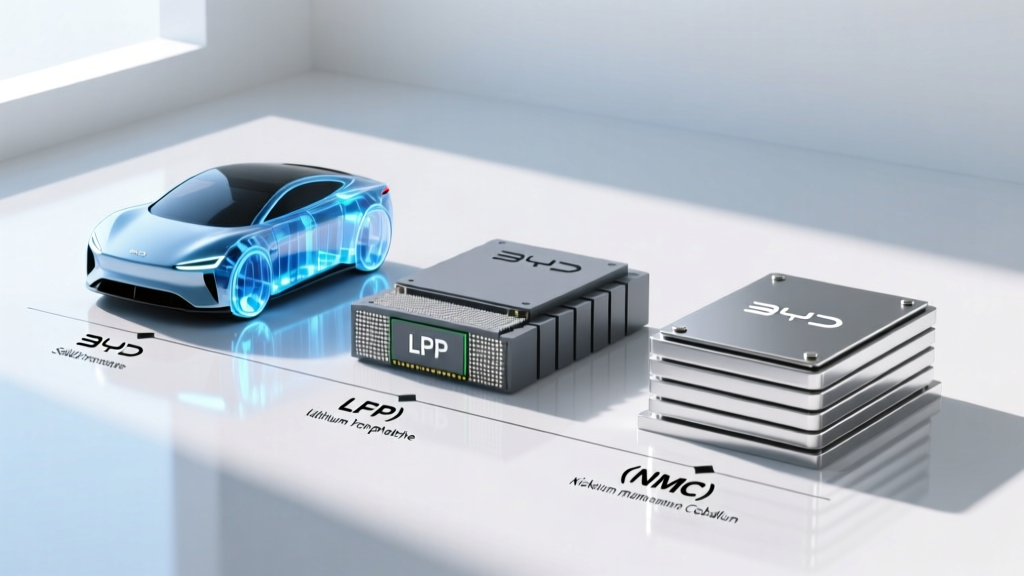
Not all lithium-ion packs are built the same. The cathode chemistry inside the cells determines energy density, cycle life, cold-weather performance, and — critically — the lithium ion battery cost you'll face if a replacement is ever needed. In 2026, two families dominate the passenger EV market:
- NMC (Nickel Manganese Cobalt) and NCA (Nickel Cobalt Aluminum): Higher energy density means more range in a smaller, lighter pack. Found in most long-range models (Tesla Model 3 Long Range, Hyundai Ioniq 5, Ford Mustang Mach-E Extended Range). Trade-off: more expensive raw materials and somewhat shorter cycle life.
- LFP (Lithium Iron Phosphate): Lower energy density but significantly longer cycle life, better thermal stability, and no cobalt. Increasingly used in Standard Range and base trims (Tesla Model 3 RWD, Ford Mustang Mach-E Select with LFP option, many Chinese-market and globally exported models). LFP packs tolerate regular 100% charging better than NMC.
| Attribute | LFP (Lithium Iron Phosphate) | NMC / NCA |
|---|---|---|
| Energy Density | Lower (~160-180 Wh/kg cell-level) | Higher (~220-300 Wh/kg cell-level) |
| Typical Cycle Life | 3,000-6,000+ cycles to 80% SoH | 1,000-2,500 cycles to 80% SoH |
| Cold-Weather Performance | More range loss below freezing; slower cold charging | Better low-temp performance with active thermal management |
| Cost per kWh (pack-level, 2026 est.) | ~$85-$105/kWh | ~$110-$145/kWh |
| Recommended Daily Charge Limit | 100% OK (periodic full charge recommended for BMS calibration) | 80-90% for daily use; 100% for road trips |
| Thermal Stability | Excellent — less prone to thermal runaway | Good with active cooling; requires more robust BMS |
| Common In 2026 Models | Tesla Model 3/Y RWD, base-trim BYD, some Ford/Chrysler offerings | Tesla LR, Hyundai/Kia E-GMP, Rivian, BMW iX, most premium EVs |
Which is better? If you prioritize maximum range and live in a cold climate, NMC/NCA is the stronger choice. If you commute shorter distances, want the lowest possible lithium ion battery cost over the vehicle's life, and can charge to 100% without range-anxiety guilt, LFP offers exceptional longevity at a lower entry price. Neither is universally superior — the right chemistry depends on your driving pattern.
How Long Do EV Batteries Last? Degradation Data
EV batteries don't "die" the way a phone battery seems to after two years. They gradually lose capacity — a process called degradation — measured as a percentage decline from original State of Health (SoH). A battery at 85% SoH still holds 85% of its original kWh capacity.
Typical Degradation Curve (Real-World Fleet Data)
Based on aggregated fleet data from sources including Recurrent Auto and manufacturer-reported warranty claims, here's what degradation looks like across a typical EV's life:
| Vehicle Age / Mileage | Average Capacity Retained (SoH) | Notes |
|---|---|---|
| Year 1 / ~12,000 mi | 95-98% | Initial "break-in" drop; steepest early loss |
| Year 3 / ~36,000 mi | 91-95% | Curve flattens significantly |
| Year 5 / ~60,000 mi | 88-93% | Most owners notice minimal day-to-day difference |
| Year 8 / ~100,000 mi | 83-90% | Still within warranty threshold for most brands |
| Year 10+ / ~150,000 mi | 78-87% | Noticeable range reduction but vehicle remains fully drivable |
Note: LFP packs in moderate climates with Level 2 home charging often track toward the higher end of these ranges. NMC packs subjected to frequent DC fast charging in hot climates trend toward the lower end.
The critical insight: degradation is non-linear. Most capacity loss occurs in the first 20,000-30,000 miles as the battery's solid electrolyte interphase (SEI) layer stabilizes. After that, the curve flattens to roughly 0.5-1.0% loss per year under normal use. A 2026 Tesla Model Y Long Range with an EPA-estimated 320 miles of range will likely still deliver 270-290 miles at 100,000 miles — a reduction, not a crisis.
What Does the EV Battery Warranty Actually Cover?
Federal law in the United States mandates that EV batteries carry a minimum warranty of 8 years or 100,000 miles (whichever comes first). In California and states that adopt CARB emissions standards (currently 17 states plus D.C.), that mandate extends to 10 years or 150,000 miles. Most major automakers meet or exceed these minimums.
| Manufacturer / Model | Warranty Term | Capacity Retention Threshold | What Triggers a Claim |
|---|---|---|---|
| Tesla Model 3/Y (NMC Long Range) | 8 yr / 120,000 mi | 70% of original capacity | SoH drops below 70% as measured by Tesla diagnostics |
| Tesla Model 3/Y (LFP RWD) | 8 yr / 100,000 mi | 70% of original capacity | Same threshold; LFP degradation rarely approaches this |
| Hyundai Ioniq 5 / Kia EV6 | 10 yr / 100,000 mi | 70% of original capacity | Verified via dealer OBD-II battery diagnostic |
| Ford Mustang Mach-E | 8 yr / 100,000 mi | 70% of original capacity | Battery Energy Control Module diagnostic confirmation |
| Rivian R1T / R1S | 8 yr / 175,000 mi | 70% of original capacity | Over-the-air SoH telemetry review |
| BMW i4 / iX | 8 yr / 100,000 mi | 70% of original capacity | Dealer high-voltage battery test |
| Chevrolet Equinox EV / Blazer EV | 8 yr / 100,000 mi | 60-70% (varies by model year) | GM Energy diagnostic verification |
What's covered: Defects in materials or workmanship, and capacity loss that falls below the stated threshold under normal use. The manufacturer will repair, replace, or (in some cases) refurbish the pack at no cost.
What's typically NOT covered: Damage from accidents, flooding, improper modifications, or using non-approved charging equipment. Gradual degradation that remains above the threshold percentage is considered normal wear. Always read the specific warranty booklet for your model year — terms shift annually.
Lithium Ion Battery Cost to Replace: 2026 Pricing by Model
If your battery degrades below the warranty threshold after coverage expires — or if it suffers physical damage not covered by insurance — you'll face an out-of-pocket lithium ion battery cost. Here's where the numbers stand in 2026:
| Vehicle | Battery Size (kWh, usable) | Chemistry | Estimated Pack Cost | Estimated Labor | Total Range |
|---|---|---|---|---|---|
| Tesla Model 3 RWD | ~57 kWh | LFP | $5,000 - $7,000 | $1,500 - $2,500 | $6,500 - $9,500 |
| Tesla Model Y Long Range | ~75 kWh | NMC | $8,500 - $11,000 | $1,500 - $2,500 | $10,000 - $13,500 |
| Hyundai Ioniq 5 (Long Range) | ~77.4 kWh | NMC | $9,000 - $12,000 | $2,000 - $3,000 | $11,000 - $15,000 |
| Ford Mustang Mach-E ER | ~91 kWh | NMC | $11,000 - $14,000 | $2,000 - $3,500 | $13,000 - $17,500 |
| Rivian R1T (Large Pack) | ~128 kWh | NMC | $14,000 - $18,000 | $2,500 - $4,000 | $16,500 - $22,000 |
| Chevrolet Silverado EV (Max Range) | ~200 kWh | NMC (Ultium) | $20,000 - $28,000 | $3,000 - $5,000 | $23,000 - $33,000 |
Sources: Manufacturer parts pricing, independent EV repair shop estimates, and Kelley Blue Book service cost data. Prices vary by region, dealer vs. independent shop, and whether a new, remanufactured, or refurbished pack is used. Remanufactured packs can reduce cost by 30-40%.
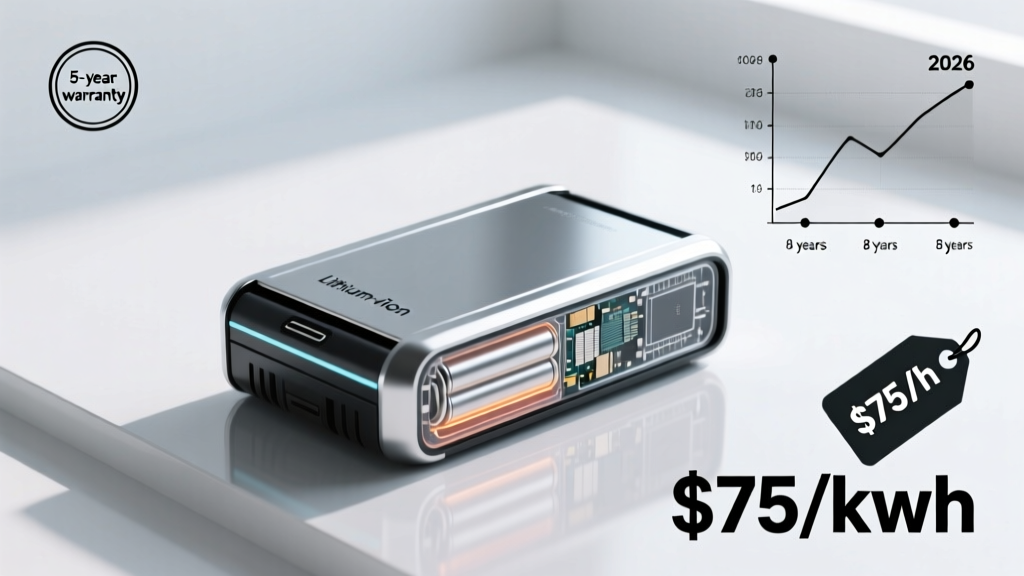
The context most coverage misses: The average age of a scrapped passenger vehicle in the U.S. is roughly 15 years. Pack-level lithium ion battery cost has fallen from over $1,100/kWh in 2010 to approximately $100-$140/kWh in 2026, according to BloombergNEF tracking. By the time a 2026 EV reaches the end of its natural life in the late 2030s, replacement packs will likely cost significantly less. Many EVs will be retired for unrelated reasons (body damage, suspension wear, owner upgrade) before the battery needs attention.
Factors That Accelerate Battery Degradation
Not all miles are equal when it comes to battery wear. Understanding the stressors lets you make informed trade-offs between convenience and longevity.
Five Key Degradation Factors — Ranked by Impact
- Sustained high State of Charge (SoC): Storing an NMC battery at 100% for days or weeks accelerates electrolyte decomposition. Set your daily charge limit to 80% and only charge to 100% when you'll drive soon after. LFP chemistry is more tolerant of 100% storage, but even LFP benefits from occasional partial-discharge cycles.
- Frequent DC fast charging at high power: Pushing 150-350 kW into a pack generates substantial heat. Occasional road-trip fast charging is fine — modern thermal management systems precondition the battery to mitigate damage. But if your daily routine relies on 150+ kW DC charging, expect measurably faster degradation versus Level 2 home charging. Data from Recurrent Auto shows vehicles that fast-charge more than 90% of the time lose capacity roughly 1.5-2x faster than those primarily using Level 2.
- Extreme ambient temperatures: Sustained exposure to ambient heat above 95°F (35°C) — especially without garage parking — stresses cells. Extreme cold doesn't degrade the battery directly but causes lithium plating risk if you fast-charge a cold-soaked pack without preconditioning. Always use your vehicle's preconditioning feature before a fast-charge session in cold weather.
- Deep discharge cycles: Regularly driving the battery down to 0-5% SoC stresses cells more than shallow cycles (e.g., 30-70%). Try to keep daily driving within the 20-80% band when practical.
- High-power launch habits: Repeated hard acceleration pulls maximum current from the pack, generating internal heat. Occasional full-power launches won't destroy a battery, but daily drag-race starts will accumulate wear faster than gentle driving.
How to Monitor Your Battery's State of Health
State of Health (SoH) is the percentage of original capacity your battery can still hold. A new battery is at 100% SoH; one that holds 65 kWh out of an original 75 kWh is at roughly 87% SoH. Here's how to check it:
- In-vehicle displays: Tesla offers a battery health estimate in the Service menu (varies by software version). Hyundai/Kia provides a battery condition readout via the infotainment system on 2024+ models. BMW's iDrive includes a high-voltage battery health screen.
- OBD-II diagnostic apps: Devices like the OBDLink SX or vLinker FD paired with apps such as EV Battery Health or Car Scanner ELM OBD2 can read the BMS-reported SoH directly. This is the most reliable DIY method and works across most brands.
- Dealer diagnostics: Any authorized dealer can run a full high-voltage battery health report. Request this during routine service — it's often free and provides the official documentation needed for a warranty claim if SoH falls below the threshold.
- Third-party services: Companies like Recurrent and Geotab offer fleet-grade battery monitoring via telematics dongles. For individual owners, some insurance and resale platforms now include SoH reports.
Track your SoH every 6-12 months. A sudden drop (more than 2-3% in a short period) warrants a dealer visit — it could indicate a defective module rather than normal degradation.
What's Next: Solid-State, Silicon Anodes, and Beyond
Next-generation battery technologies promise higher energy density, faster charging, and lower costs — but realistic timelines matter more than press-release promises.
- Silicon-dominant anodes: Companies like Sila Nanotechnologies and Group14 are already shipping silicon-blend anode materials that boost energy density by 10-20% over traditional graphite. Expect broader adoption in 2027-2028 model-year vehicles. This is incremental improvement, not revolution, but it meaningfully increases range per kWh.
- Semi-solid-state batteries: NIO's 150 kWh semi-solid pack (available in China since 2024) demonstrates the concept works, but at enormous cost. Broader semi-solid deployment in affordable U.S.-market vehicles is unlikely before 2029-2030.
- True solid-state batteries: Toyota has announced a 2027-2028 production target; QuantumScape continues testing with Volkswagen. Realistic mass-market availability in the U.S. is no earlier than 2030-2032, with premium-only deployment likely preceding volume production by several years. Solid-state promises 40-50% higher energy density and 10-minute fast charging, but manufacturing scale-up remains the unsolved bottleneck.
- Sodium-ion batteries: CATL and BYD are producing sodium-ion cells for lower-cost, shorter-range applications. These won't replace lithium-ion in long-range EVs but could power affordable urban EVs and reduce lithium demand, indirectly lowering lithium ion battery cost across the market.
The practical takeaway: Don't delay an EV purchase waiting for solid-state. Today's lithium-ion packs — particularly LFP for daily driving and NMC for range — are mature, well-warranted, and declining in cost. The technology you can buy now will serve you well for a decade or more.
Frequently Asked Questions
How long do EV batteries last in real-world use?
Most EV batteries retain 83-90% of their original capacity at 8 years / 100,000 miles. With proper care — primarily Level 2 home charging, avoiding sustained 100% SoC on NMC packs, and using preconditioning — many packs reach 150,000+ miles before degradation becomes meaningfully noticeable. The battery will almost certainly outlast the vehicle's body, interior, and suspension components.
How much does an EV battery cost to replace out of warranty?
In 2026, a full out-of-warranty replacement ranges from approximately $6,500 for a smaller LFP pack (Tesla Model 3 RWD) to $23,000+ for a very large pack (Chevrolet Silverado EV Max Range). Most mainstream EVs (Model Y, Ioniq 5, Mach-E) fall in the $10,000-$15,000 range including labor. Remanufactured packs can reduce this by 30-40%. Costs continue to decline year over year as pack-level pricing falls.
What does the federal battery warranty mandate require?
U.S. federal law requires a minimum of 8 years / 100,000 miles of battery warranty coverage. In CARB-adopting states (including California, New York, Colorado, and 15 others plus D.C.), the minimum extends to 10 years / 150,000 miles. The warranty covers defects and capacity loss below the manufacturer's stated threshold — typically 70% of original capacity. Check your specific model-year warranty booklet for exact terms.
How do I maximize my EV battery's lifespan?
The highest-impact practices are: (1) charge to 80% daily on NMC packs, 100% is fine on LFP; (2) rely primarily on Level 2 home charging rather than daily DC fast charging; (3) use preconditioning before fast-charging sessions, especially in cold weather; (4) avoid storing the vehicle at very low (below 10%) or very high (above 95%) SoC for extended periods; and (5) park in a garage or shaded area in hot climates to reduce thermal stress.
Is LFP or NMC better for long-term battery cost?
LFP wins on pure longevity and replacement cost. LFP cells offer 3,000-6,000+ charge cycles versus 1,000-2,500 for NMC, and LFP packs cost roughly $85-$105/kWh versus $110-$145/kWh for NMC at the pack level in 2026. However, LFP's lower energy density means less range per pound, and cold-weather performance is weaker. If you need 300+ miles of range and live where winters are harsh, NMC remains the pragmatic choice despite higher cost.
Can I replace individual battery modules instead of the whole pack?
Yes, in some cases. Many EV packs are composed of individual modules (e.g., a Tesla Model 3 pack contains 4 large modules; a Hyundai Ioniq 5 pack has 24 cell modules). If a single module fails or degrades disproportionately, a qualified EV technician can sometimes replace just that module for $1,000-$3,000 rather than replacing the entire pack. This is more common on out-of-warranty vehicles and requires specialized high-voltage training — never attempt DIY module replacement.