If you are shopping for an electric vehicle, the single most expensive component under the floor is the lithium-ion traction battery. It stores the energy that propels the car, and unlike a gasoline fuel tank, it is an electrochemical device that changes over time. Buyers consistently ask the same questions: How long will it last? What does it cost to replace? Does the chemistry matter? This guide answers those questions with real data, not marketing claims.
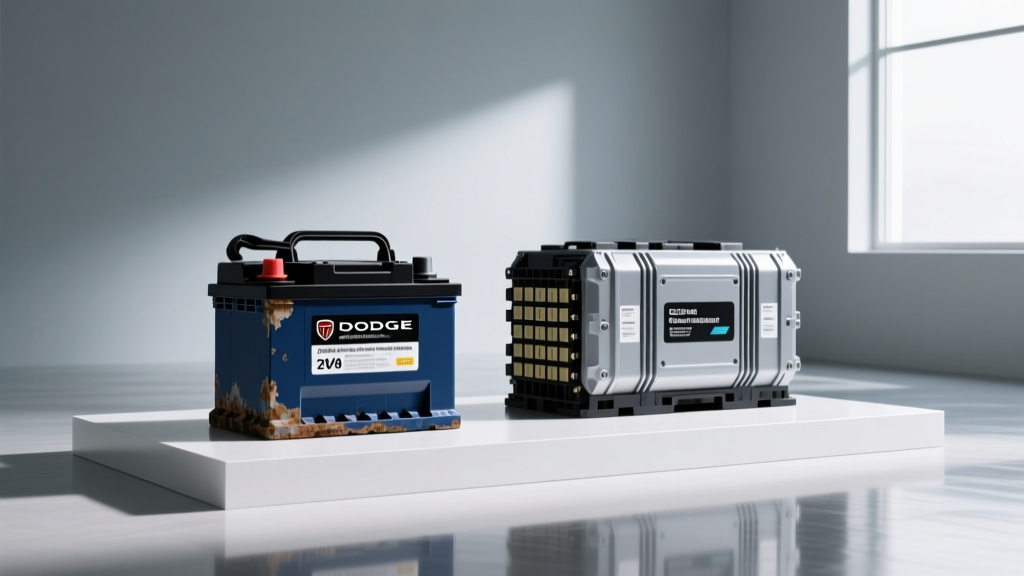
First, a critical distinction: the high-voltage traction battery (typically 400V or 800V, ranging from 40 kWh to over 100 kWh) is the main pack that drives the electric motors. This is entirely separate from the 12V auxiliary battery that powers lights, infotainment, and computers. When we discuss EV battery longevity and replacement cost in this guide, we are talking exclusively about the traction battery.
LFP vs NMC vs NCA: Which Lithium-Ion Chemistry Powers Your EV?
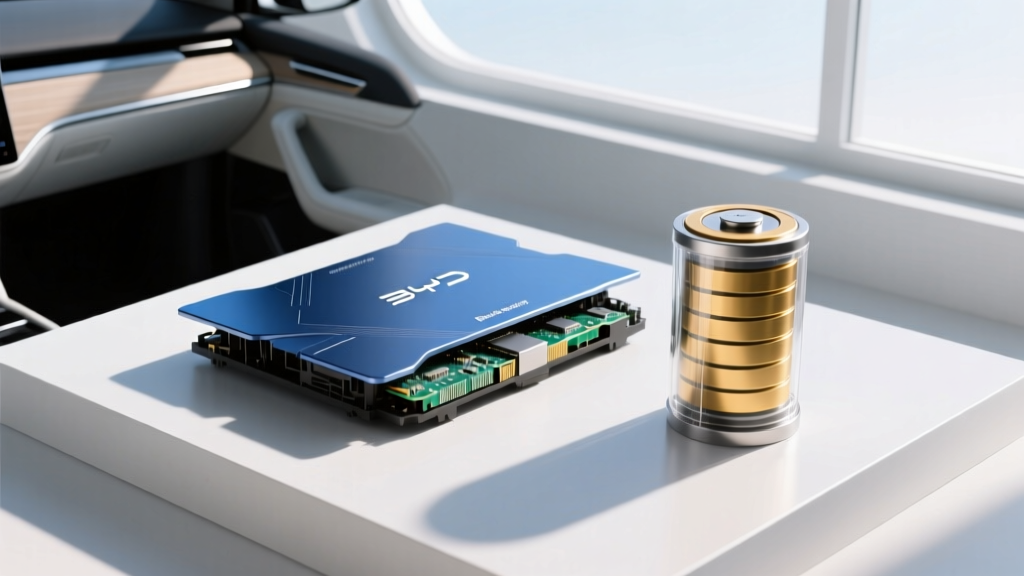
Not all li ion batteries for cars are built the same. The cathode chemistry determines energy density, cycle life, thermal stability, cold-weather behavior, and cost. The three dominant chemistries in 2026 production EVs are:
- LFP (Lithium Iron Phosphate): Used in Tesla Model 3/Y Standard Range, Ford Mustang Mach-E Select (2025+), and many Chinese-market vehicles. Lower energy density but exceptional cycle life and thermal stability.
- NMC (Nickel Manganese Cobalt): Found in Hyundai Ioniq 5, Kia EV6, BMW i4, and most European/Korean mid-to-long-range EVs. Balances energy density with reasonable cost.
- NCA (Nickel Cobalt Aluminum): Primarily Tesla's Long Range and Performance models. Highest energy density among current mass-production cells.
| Attribute | LFP | NMC (811/622) | NCA |
|---|---|---|---|
| Energy Density (Wh/kg) | 160–180 | 220–260 | 250–280 |
| Typical Cycle Life | 3,000–5,000+ | 1,000–2,000 | 1,000–1,500 |
| Cold-Weather Performance | Moderate (slower charge below 32°F) | Good | Good |
| Thermal Runaway Risk | Very Low | Moderate | Moderate-High |
| Cost per kWh (cell level) | ~$70–90 | ~$100–130 | ~$110–140 |
| Cobalt Content | None | Yes (5–10%) | Yes (~5%) |
| Recommended SoC Range | 0–100% (can charge to full daily) | 20–80% (daily); 100% for trips | 20–80% (daily); 100% for trips |
| Example Vehicles (2026) | Tesla Model 3 RWD, Ford Mach-E Select | Hyundai Ioniq 5, Kia EV6, VW ID.4 | Tesla Model S, Model X Long Range |
The practical takeaway: If you prioritize maximum range per charge and do not mind careful state-of-charge management, NMC or NCA delivers. If you want a battery you can charge to 100% every night without degradation anxiety, and can accept slightly less range for the same pack weight, LFP is the pragmatic choice. For fleet buyers and high-mileage drivers, LFP's superior cycle life often makes it the better total-cost-of-ownership play.
How Long Do EV Batteries Actually Last? Degradation Data
Lithium-ion batteries degrade through two mechanisms: calendar aging (chemical changes over time regardless of use) and cycle aging (wear from charge/discharge cycles). In practice, most modern EV batteries lose capacity gradually rather than failing catastrophically.
- Tesla Model 3/Y (NCA/NMC, 2018–2023): Tesla's 2024 Impact Report showed an average of ~12% capacity loss at 150,000 miles. Many vehicles retained 85–90% State of Health (SoH) at 100,000 miles.
- Nissan Leaf (2011–2017, passively cooled): Earlier Leaf models without active thermal management showed 20–30% degradation by 80,000–100,000 miles, particularly in hot climates. This is an outlier that drove the industry toward liquid-cooled packs.
- Hyundai/Kia E-GMP platform (Ioniq 5, EV6, 2022–2025): Early owner data suggests ~5–8% loss at 50,000 miles, consistent with NMC cells and active thermal management.
- Chevrolet Bolt EV/EUV (NMC, 2017–2025): Post-recall replacement packs showed minimal degradation in early monitoring; original packs averaged ~8–10% loss at 80,000 miles before the recall.
- LFP-equipped Tesla Model 3 RWD: Owners report 3–5% loss over 50,000 miles, consistent with LFP's higher cycle-life advantage.
The general pattern: expect roughly 1–2% capacity loss per year or 5–10% over the first 100,000 miles for a modern, liquid-cooled EV battery. Degradation is typically non-linear — faster in the first year or two, then leveling off into a long, slow decline. A battery reaching 70–80% of original capacity is still functional; it simply delivers proportionally less range.
According to data compiled by fueleconomy.gov, most current-production EV batteries are engineered to retain usable capacity well beyond 150,000 miles under normal operating conditions.
What Does the EV Battery Warranty Cover?
Federal law mandates a minimum 8-year/100,000-mile warranty on EV battery packs for emissions-related compliance, and nearly every manufacturer matches or exceeds this baseline. The warranty covers capacity loss below a specified threshold — not just total failure.
| Manufacturer | Warranty Period | Mileage Cap | Minimum Capacity Retention |
|---|---|---|---|
| Tesla (Model 3/Y RWD, LFP) | 8 years | 100,000 mi | 70% |
| Tesla (Model 3/Y LR, Model S/X) | 8 years | 120,000–150,000 mi | 70% |
| Hyundai / Kia | 10 years | 100,000 mi | 70% |
| Ford (Mach-E, F-150 Lightning) | 8 years | 100,000 mi | 70% |
| General Motors (Ultium platform) | 8 years | 100,000 mi | 70% |
| Volkswagen (ID.4) | 8 years | 100,000 mi | 70% |
| BMW (i4, iX) | 8 years | 100,000 mi | 70% |
| Rivian (R1T, R1S) | 8 years | 120,000 mi | 70% |
What triggers a warranty claim? If your battery's State of Health drops below the stated retention threshold (typically 70%) within the warranty period, the manufacturer will repair or replace the pack — or individual modules, depending on the design — at no cost. A pack at 72% SoH is not covered; a pack at 68% SoH at 90,000 miles is.
What voids the warranty? Typically: physical damage (collision, flooding), unauthorized modifications to the high-voltage system, or failure to follow basic maintenance (coolant service intervals, where applicable). Using third-party DC fast chargers does not void the warranty — this is a persistent myth.
EV Battery Replacement Cost: What Owners Actually Pay
Out-of-warranty battery replacement is the scenario that generates the most anxiety. Here is the reality: most EV batteries outlast the economic life of the vehicle. A 2026 study by Recurrent Auto found that fewer than 1.5% of EVs in their dataset required a battery replacement, and the vast majority of those were covered under warranty.
That said, if you are buying a used EV outside warranty, or plan to keep a vehicle for 15+ years, replacement costs matter:
| Vehicle / Platform | Battery Capacity | Chemistry | Estimated Replacement Cost |
|---|---|---|---|
| Tesla Model 3 RWD | ~60 kWh | LFP | $8,000–$12,000 |
| Tesla Model Y Long Range | ~82 kWh | NCA/NMC | $12,000–$16,000 |
| Hyundai Ioniq 5 | 77.4 kWh | NMC | $10,000–$14,000 |
| Ford Mustang Mach-E ER | 91 kWh | NMC | $14,000–$18,000 |
| Chevrolet Equinox EV | ~85 kWh | NMC (Ultium) | $12,000–$16,000 |
| Ford F-150 Lightning ER | 131 kWh | NMC | $18,000–$25,000 |
| BMW iX xDrive50 | 111.5 kWh | NMC | $20,000–$28,000 |
| Nissan Leaf (older, passive cooling) | 24–40 kWh | NMC/LMO | $5,000–$8,000 |
These figures include the battery pack and estimated labor but vary by region and service provider. Cell-level prices have fallen from over $1,000/kWh in 2010 to roughly $80–130/kWh in 2026, and this trend continues. For context, a federal tax credit under IRS §30D can offset up to $7,500 on a new EV purchase — meaning the replacement cost of a mid-size pack is roughly equivalent to the incentive you received at purchase.
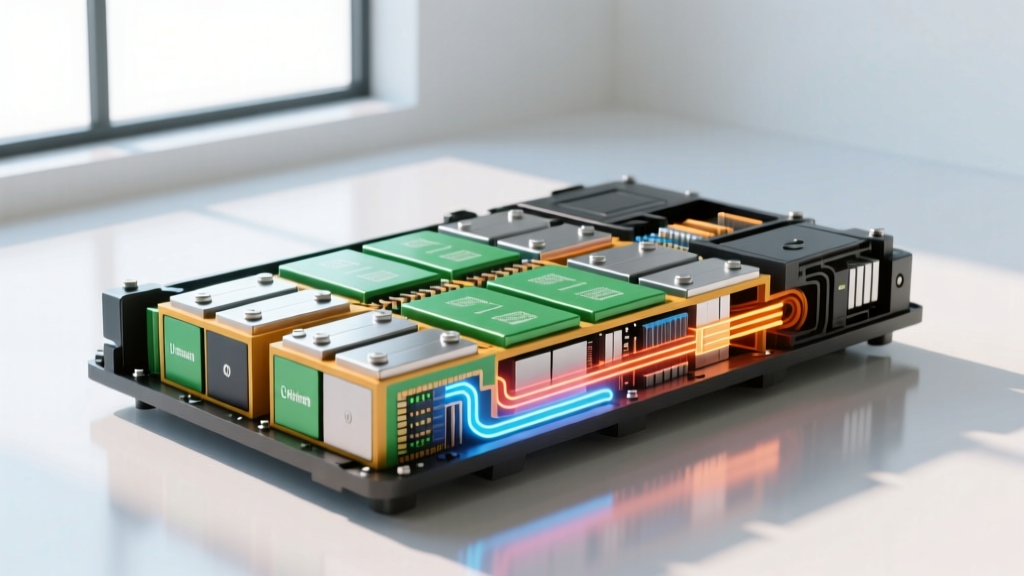
When is replacement actually needed? Most traction batteries do not need full replacement. If degradation reaches a point where range is insufficient for your needs (say, a 100 kWh pack degraded to 65 kWh, giving you 180 miles instead of 280), you can choose replacement, trade in, or simply accept the reduced range. Module-level repairs (replacing individual cell groups within the pack) are increasingly available at specialized EV service centers for $3,000–$8,000, significantly less than a full pack swap.
Five Factors That Accelerate Battery Degradation
Not all miles are equal when it comes to battery wear. The following factors have measurable, documented impact on lithium-ion cell longevity:
- 1. Avoid sustained high State of Charge (SoC): For NMC/NCA batteries, storing the car at 100% SoC for days or weeks accelerates calendar aging. Set your daily charge limit to 80% and only charge to 100% when you need the full range for a trip. LFP batteries are an exception — manufacturers recommend periodic 100% charges for calibration.
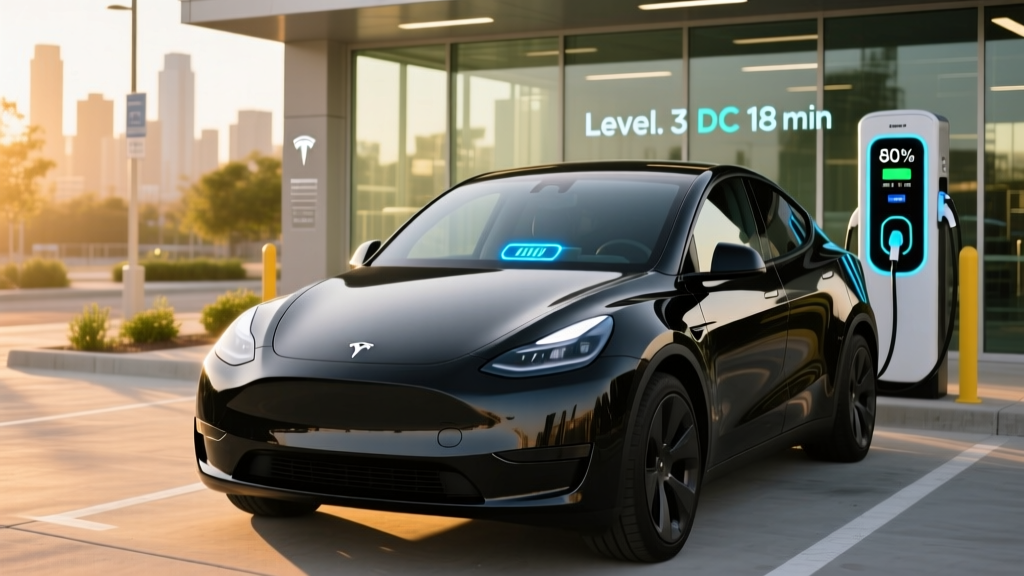
- 2. Minimize DC fast charging in extreme heat: Repeated 150+ kW DC sessions in 95°F+ ambient temperatures stress cells. Modern thermal management systems precondition the battery, but if you live in a hot climate, favor overnight Level 2 charging when possible.
- 3. Don't let the battery sit at 0% SoC: Deep discharge causes copper dissolution in the anode current collector. If storing the vehicle, leave it at 40–60% SoC.
- 4. Cold-weather preconditioning: Charging a cold battery (below 32°F / 0°C) causes lithium plating on the anode. Always use your vehicle's preconditioning feature before fast charging in winter — this warms the pack to an optimal temperature.
- 5. Moderate driving habits: Sustained high-speed driving and aggressive acceleration generate more heat in the cells. This alone won't destroy a battery, but combined with hot weather and frequent fast charging, it compounds wear.
The single most impactful habit: charge to 80% daily, use Level 2 overnight, and save DC fast charging for road trips. Owners who follow this pattern consistently report sub-5% degradation over 100,000 miles.
How to Check and Monitor Your EV Battery Health
State of Health (SoH) is the percentage of original capacity your battery retains. A new battery is at 100% SoH; a battery with 8% degradation is at 92% SoH. Here is how to monitor it:
In-Vehicle Displays
Some manufacturers provide a battery health indicator in the infotainment system. Hyundai and Kia include a battery health percentage in the EV settings menu on E-GMP vehicles. Tesla does not natively display SoH in the car, but the rated range at 100% SoC serves as a proxy — compare your current 100% range to the original EPA figure.
OBD-II Diagnostic Tools
Third-party OBD-II readers paired with apps like Leaf Spy (Nissan Leaf), TeslaFi or Tessie (Tesla), and Car Scanner ELM OBD2 (various brands) can read the battery management system (BMS) and report SoH, cell voltage variance, and pack temperature. These tools cost $20–$60 for the hardware plus a subscription or one-time app fee.
Dealer and Independent Diagnostics
Any authorized dealer can run a battery health report. Some independent EV service shops offer this as a $50–$100 service — particularly useful when buying a used EV. Request a printout showing SoH percentage and individual module voltage delta (ideally under 20–30 mV variance across modules).
Range-Based Estimation
The simplest method: charge to 100%, note the displayed range, and compare to the original EPA estimate. If your Ioniq 5 originally showed 303 miles at full charge and now shows 278, your SoH is approximately 92%. This method is imperfect (the BMS can slightly misreport), but it gives a reasonable ballpark.
What Comes After Lithium-Ion? Emerging Battery Technologies
The next generation of EV batteries is in active development, but buyers should separate laboratory milestones from showroom availability:
Solid-State Batteries: These replace the liquid electrolyte with a solid material, promising higher energy density (potentially 400+ Wh/kg at the cell level), faster charging, and improved safety. Toyota has announced a solid-state battery targeting 2027–2028 production in limited volumes. Samsung SDI and QuantumScape are also pursuing solid-state technology. However, manufacturing scale-up remains the primary bottleneck. Realistic timeline for broad availability: 2029–2032.
Silicon Anode Cells: Companies like Sila Nanotechnologies and Group14 are developing silicon-dominant anodes that can boost energy density by 20–40% over current graphite anodes. These are beginning to appear in limited consumer electronics applications and are expected in production EVs around 2027–2028. Mercedes-Benz has announced a partnership with Sila for the upcoming G-Class electric.
Sodium-Ion Batteries: CATL and BYD have begun producing sodium-ion cells for lower-cost, shorter-range EVs in China. Sodium-ion offers lower energy density (~120–160 Wh/kg) but eliminates lithium, cobalt, and nickel entirely. These may appear in US-market budget EVs by 2028–2030.
For buyers purchasing in 2026, today's lithium-ion batteries — particularly LFP and modern NMC formulations — are mature, well-understood products with extensive real-world track records. Waiting for solid-state means waiting 3–6 years with no guarantee of initial pricing or availability.
Frequently Asked Questions
How long do EV batteries last in years and miles?
Most modern, liquid-cooled EV batteries retain 80–90% of original capacity at 100,000 miles and 8–10 years of age. With proper care (avoiding sustained 100% SoC, minimizing extreme-heat fast charging), many packs will reach 150,000–200,000 miles before degradation becomes functionally limiting. The battery will not "die" at a specific mileage — it gradually provides less range.
How much does it cost to replace an EV battery?
Out-of-warranty replacement costs range from approximately $5,000 for a small older pack (Nissan Leaf 24 kWh) to $25,000+ for a large pack (Ford F-150 Lightning 131 kWh). Mid-size packs (75–85 kWh) typically cost $10,000–$16,000 including labor. However, fewer than 2% of EVs require replacement, and the vast majority of replacements are covered under warranty.
What does the EV battery warranty actually cover?
Federally mandated minimum coverage is 8 years/100,000 miles. Most manufacturers guarantee the battery will retain at least 70% of original capacity during this period. If SoH drops below the threshold, the manufacturer repairs or replaces the pack at no cost. Hyundai and Kia extend this to 10 years/100,000 miles. The warranty covers degradation and defects, not collision damage or unauthorized modifications.
Is LFP or NMC better for my EV?
It depends on your priorities. Choose LFP if you want maximum cycle life, can charge to 100% daily without worry, prioritize lower cost, and do not need the absolute longest range. Choose NMC if you need the most range per charge, frequently drive in cold weather, or want the highest energy density. Neither is universally "better" — they are engineering trade-offs.
Does fast charging damage my EV battery?
DC fast charging generates more heat than Level 2 charging, and heat accelerates degradation. However, modern battery management systems actively manage charge rates and temperatures. Occasional fast charging (road trips, a few times per month) has minimal impact. Daily fast charging in hot climates without preconditioning will measurably increase degradation over time. The data suggests that frequency and temperature matter more than the charge rate itself.
Can I check my EV battery health myself?
Yes. Use an OBD-II reader with an EV-compatible app (Leaf Spy, TeslaFi, Car Scanner) to read SoH directly from the battery management system. Alternatively, charge to 100% and compare the displayed range to the original EPA figure. For a used-EV purchase, a dealer diagnostic report ($50–$100 at most shops) is the most reliable option.