The Real Story on Hybrid Battery Lifespan
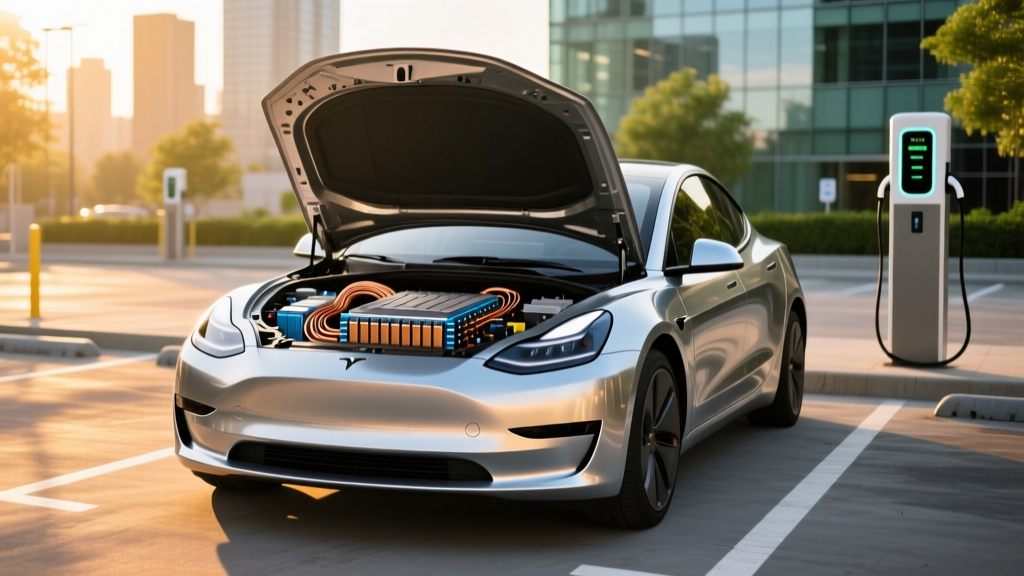
If you're shopping for a Toyota Prius, Honda Accord Hybrid, Ford Escape PHEV, or any electrified vehicle, one question inevitably surfaces: how long will the battery actually last? The short answer — backed by millions of miles of real-world data — is that modern hybrid batteries routinely outlast 150,000 miles and 10-15 years of service. Many first-generation Prius packs are still running past 200,000 miles with minimal capacity loss.
But "hybrid battery lifespan" isn't a single number. It depends heavily on whether you're driving a conventional hybrid (HEV) like the Prius or a plug-in hybrid (PHEV) like the RAV4 Prime, the battery chemistry inside the pack, your climate, and your charging habits. This guide breaks down exactly what the data shows, what warranties actually cover, and what you'll pay if a replacement is needed.
HEV vs. PHEV: Different Batteries, Different Aging Profiles
Conventional hybrids (HEVs) like the Toyota Prius, Hyundai Sonata Hybrid, and Honda CR-V Hybrid use relatively small battery packs — typically 1.0 to 2.0 kWh of total capacity. These packs never fully charge or fully discharge during normal driving. The vehicle's battery management system (BMS) keeps the state of charge (SoC) in a narrow middle band, usually between 40% and 80%. This shallow cycling is extremely gentle on battery cells, which is why HEV batteries routinely last the life of the vehicle.
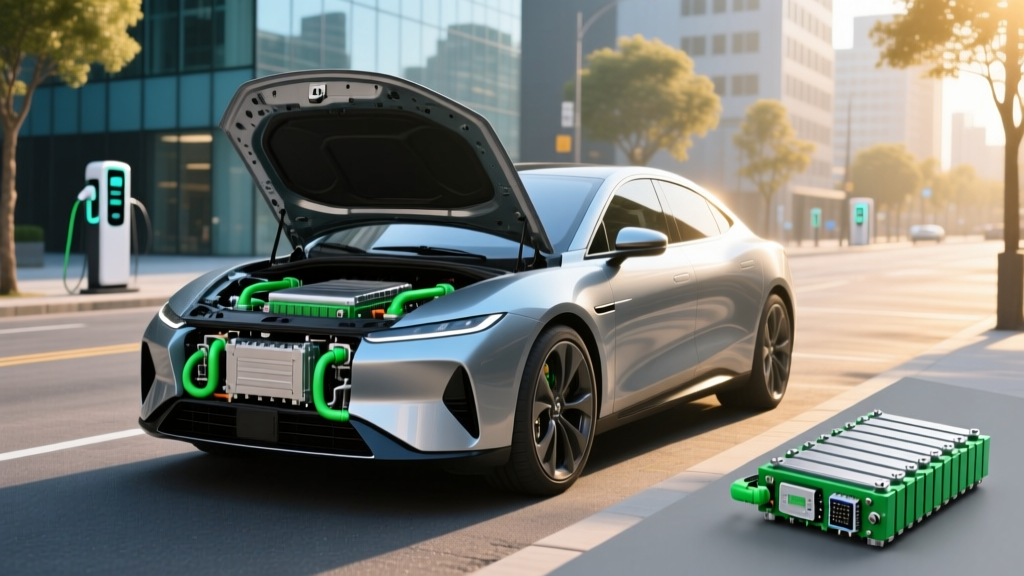
Plug-in hybrids (PHEVs) like the Toyota RAV4 Prime, Jeep Wrangler 4xe, and Ford Escape PHEV carry much larger packs — typically 15 to 25 kWh usable — because they need to deliver 25-45 miles of electric-only range. These packs undergo deeper discharge cycles and are regularly charged to 100% via Level 2 or Level 1 charging. That deeper cycling means PHEV batteries experience slightly more degradation over time, though modern thermal management and BMS controls keep this well within acceptable limits.
Key distinction: HEV batteries rarely degrade to the point of needing replacement before 200,000+ miles. PHEV batteries may lose 10-15% of original capacity over 100,000-150,000 miles — reducing electric-only range by a few miles but rarely requiring full replacement during typical ownership.
Battery Chemistry: What's Inside Your Hybrid Pack
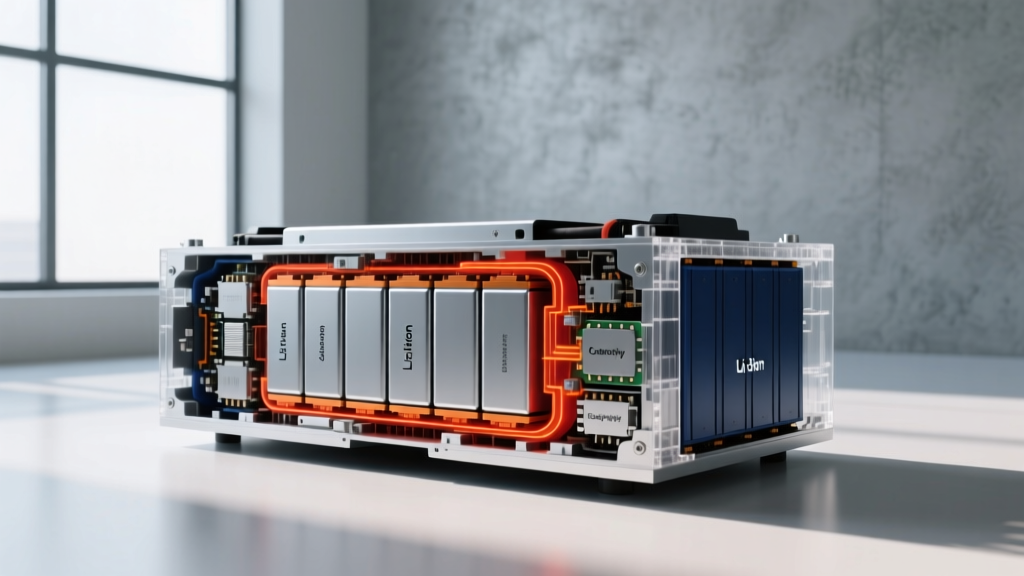
Most hybrids on the road today use one of two lithium-ion chemistries, though some older Toyota hybrids still use nickel-metal hydride (NiMH) cells. Understanding the chemistry helps explain why some packs age differently than others.
| Attribute | NMC / NCA (Lithium Nickel Manganese Cobalt) | LFP (Lithium Iron Phosphate) |
|---|---|---|
| Energy Density | Higher (150-220 Wh/kg) — smaller, lighter packs | Lower (90-160 Wh/kg) — heavier for same capacity |
| Cycle Life | 1,000-2,000 full cycles to 80% capacity | 3,000-5,000+ full cycles to 80% capacity |
| Cold Performance | Better low-temp discharge and charge acceptance | Reduced performance below 32°F; charge limitation below freezing |
| Cost per kWh | $110-$140 (2025-2026 pack-level) | $80-$110 (2025-2026 pack-level) |
| Thermal Stability | Good, but requires active thermal management | Excellent — inherently more stable chemistry |
| Common In | PHEVs (RAV4 Prime, Escape PHEV), most HEVs | Standard-range BEVs; emerging in PHEVs (BYD, some 2026 models) |
| Lifespan Edge | Adequate for 150,000+ mi with BMS management | Significantly longer cycle life; ideal for daily-cycled PHEVs |
For conventional HEVs with tiny packs that barely cycle, NMC chemistry works perfectly — the cells are barely stressed. For PHEVs that cycle daily through 80-100% of usable capacity, LFP chemistry offers a compelling longevity advantage. This is why BYD and several other manufacturers are shifting PHEV packs to LFP for 2026 model-year vehicles.
Degradation Data: What the Numbers Actually Show
Let's look at real-world degradation data rather than marketing claims. Battery degradation follows a non-linear curve: the most rapid loss occurs in the first 1-2 years (typically 2-5%), after which the rate flattens considerably.
| Vehicle Type | Year 1-2 | Year 5 (~75,000 mi) | Year 10 (~150,000 mi) | Notes |
|---|---|---|---|---|
| HEV (Toyota Prius, Camry Hybrid) | 1-3% loss | 5-8% loss | 8-15% loss | Shallow cycling preserves cells; many exceed 200k mi |
| PHEV (RAV4 Prime, Escape PHEV) | 2-5% loss | 8-12% loss | 12-20% loss | Deeper daily cycles; range drops from ~42 mi to ~34-37 mi |
| PHEV with LFP pack | 1-2% loss | 3-6% loss | 6-10% loss | Emerging data from BYD, CATL-supplied packs |
For context, a Toyota RAV4 Prime with an EPA-rated 42 miles of electric range might deliver 35-38 miles of real-world electric range after 100,000 miles and 7-8 years. That's a noticeable reduction but far from catastrophic — the vehicle remains fully functional as both an EV for short trips and a hybrid for longer drives.
According to data compiled by fueleconomy.gov and long-term fleet studies, the vast majority of hybrid batteries retain above 70% of original capacity at 150,000 miles — the threshold at which most manufacturer warranties still provide coverage.
What Does the Hybrid Battery Warranty Actually Cover?
Federal emissions regulations mandate that hybrid and EV battery packs carry a minimum warranty of 8 years/80,000 miles in most states, and 10 years/150,000 miles in states that follow California Air Resources Board (CARB) standards (currently 16 states plus D.C.). Most manufacturers exceed these minimums.
| Manufacturer | Warranty Period | Capacity Retention Threshold | Covers |
|---|---|---|---|
| Toyota (HEV & PHEV) | 10 yr / 150,000 mi | Below ~60-70% (varies by model) | Defects, excessive capacity loss |
| Honda | 8 yr / 100,000 mi (10/150k in CARB states) | Below ~70% | Defects, excessive degradation |
| Hyundai / Kia | 10 yr / 100,000 mi | Below ~70% | Defects, excessive capacity loss |
| Ford (PHEV) | 8 yr / 100,000 mi | Below 70% | Defects, excessive degradation |
| Stellantis (Jeopard 4xe) | 8 yr / 100,000 mi | Below 70% | Defects, capacity loss |
What triggers a warranty claim: If your PHEV's battery drops below the stated capacity threshold (typically 70% of original) within the warranty period, the manufacturer will repair or replace the battery at no cost. For most owners, normal degradation stays well above this line. Warranty coverage applies to defects and excessive degradation — not damage from accidents, flooding, or unauthorized modifications.
Important: check whether your state follows CARB standards, as this can extend your battery warranty from 8/80,000 to 10/150,000 miles at no additional cost.
Hybrid Battery Replacement Cost: What You'll Actually Pay
This is the question that generates the most anxiety — and the most misinformation. Let's ground it in actual numbers.
| Vehicle | Battery Size | New OEM Pack | Refurbished / Reconditioned | Typical Replacement Trigger |
|---|---|---|---|---|
| Toyota Prius (HEV) | ~1.3 kWh | $2,000-$3,500 | $1,000-$2,000 | Rarely before 200k+ mi; individual module replacement possible |
| Toyota Camry Hybrid | ~1.6 kWh | $2,500-$4,000 | $1,200-$2,500 | Rarely before 180k+ mi |
| Toyota RAV4 Prime (PHEV) | ~18.1 kWh | $6,000-$9,000 | $4,000-$6,500 | Uncommon within first 150k mi |
| Ford Escape PHEV | ~14.4 kWh | $5,500-$8,000 | $3,500-$5,500 | Uncommon within first 150k mi |
| Jeep Wrangler 4xe | ~17.3 kWh | $6,500-$9,500 | $4,500-$7,000 | Uncommon within first 120k mi |
| Honda Accord Hybrid | ~1.3 kWh | $2,000-$3,000 | $1,000-$1,800 | Rarely before 180k+ mi |
Two critical points here. First, HEV battery replacements are relatively affordable because the packs are small — you're replacing 1-2 kWh of cells, not 60-100 kWh like a full BEV. Second, most hybrid batteries never need replacement during typical ownership. Data from Consumer Reports and iSeeCars shows that fewer than 5% of Toyota Prius vehicles require a hybrid battery replacement before 200,000 miles. For PHEVs, the larger pack means higher replacement cost, but the deeper warranty coverage and longer expected cycle life of newer LFP chemistry offset this risk.
Also worth noting: many hybrid packs can be repaired at the module level rather than replaced entirely. A Prius pack, for example, contains 28-40 individual modules. If one or two modules fail, a specialist can replace just those for $300-$800 rather than swapping the entire pack.
Factors That Accelerate (or Preserve) Hybrid Battery Life
Battery degradation isn't purely a function of time and miles. Several owner-controllable factors significantly influence how quickly your hybrid's pack ages.
What Hurts Battery Longevity
- Frequent DC fast charging (PHEVs): Repeatedly using 50+ kW DC fast charging generates excess heat. PHEVs that accept DCFC should use it sparingly — daily Level 2 charging is far gentler.
- Sustained 100% SoC storage: Leaving a PHEV fully charged for days or weeks in hot weather accelerates calendar degradation. If you won't drive for several days, charge to 80% instead.
- Extreme heat exposure: Battery chemistry degrades faster above 95°F ambient. Garage parking in hot climates measurably extends pack life. According to NREL research, every 10°F above 77°F roughly doubles the rate of calendar aging.
- Deep discharge to 0%: While the BMS protects against true 0% (there's always a buffer), habitually running the electric range to empty adds stress. Plug in when you can.
- Aftermarket modifications: Non-OEM tuning or third-party battery modifications can void warranty coverage and damage cells.
What Preserves Battery Longevity
- Regular, moderate charging (PHEV): Daily Level 1 or Level 2 charging to 80-90% is ideal. Lithium-ion batteries prefer partial cycles to deep ones.
- Climate-appropriate parking: Garage parking in both extreme heat and extreme cold reduces thermal stress. Preconditioning while plugged in (available on most PHEVs) warms or cools the battery using grid power rather than pack energy.
- Driving it regularly: Batteries that sit unused for months degrade faster than those in regular service. The BMS performs maintenance cycling during normal use.
- Software updates: Keep your vehicle's firmware current. Manufacturers periodically refine BMS algorithms to improve longevity — Toyota issued several such updates for the RAV4 Prime in 2024-2025.
How to Check Your Hybrid Battery's State of Health
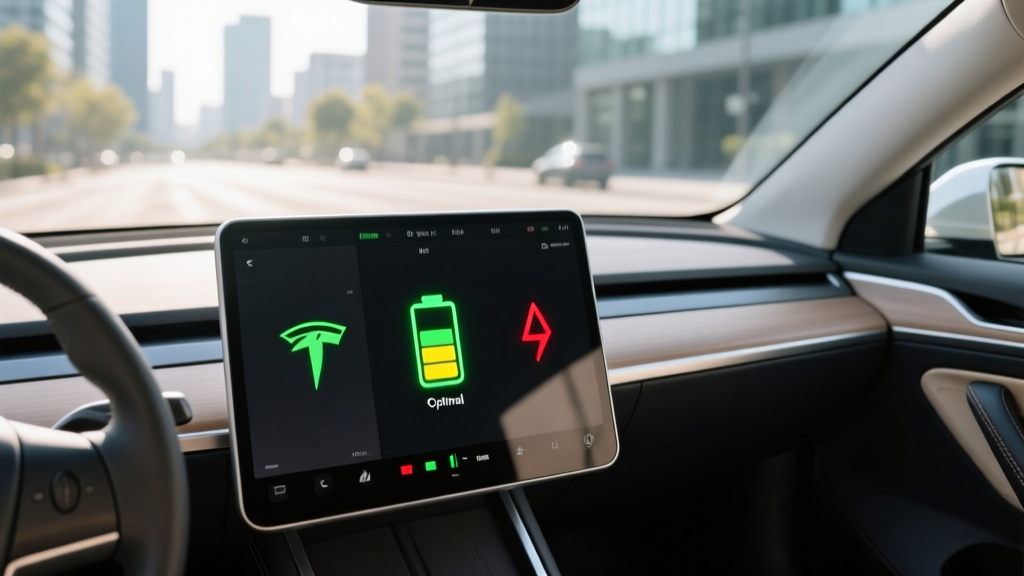
State of Health (SoH) is the metric that tells you how much capacity your battery retains compared to when it was new. An SoH of 90% means your pack holds 90% of its original energy. Here's how to monitor it:
OBD-II diagnostic tools: For Toyota and Lexus hybrids, apps like Dr. Prius or Hybrid Assistant paired with an OBD-II Bluetooth dongle (such as an OBDLink MX+) can read individual battery module voltages, internal resistance, and estimated SoH in real time. This costs about $40-$60 for the hardware and gives you dealer-level insight into pack health.
Manufacturer apps: Many PHEVs (Ford, Jeep, Hyundai/Kia) display battery health or estimated remaining capacity through the companion mobile app or the vehicle's infotainment system. Ford's Pass app, for example, shows a battery health indicator under the EV settings menu.
Dealer diagnostic check: Any authorized dealer can run a full battery health report during routine service. This is free under warranty and typically takes 15-20 minutes. Request this at every oil change interval (yes, hybrids still need oil changes for the ICE portion).
Range observation: The simplest method — track your PHEV's electric-only range over time. If your RAV4 Prime consistently delivered 40 miles of electric range when new and now delivers 34-35 miles after 60,000 miles, that indicates roughly 12-15% degradation. This is normal and expected.
What's Next: Solid-State and Silicon-Anode Batteries
Next-generation battery technology promises meaningful improvements for hybrids, but timelines matter. Here's where things stand as of early 2026:
Silicon-anode lithium-ion: Companies like Sila Nanotechnologies and Group14 are replacing graphite anodes with silicon-dominant materials, boosting energy density by 20-40%. This means smaller, lighter PHEV packs that deliver the same range — or the same-size packs with more electric range. Toyota has announced silicon-anode cells for select 2027-2028 models, and the DOE is funding domestic production. Expect initial availability in premium PHEVs by 2028.
Solid-state batteries: These replace the liquid electrolyte with a solid conductor, promising higher energy density, faster charging, and improved safety. Toyota, Samsung SDI, and QuantumScape are all targeting production, but realistic volume availability for hybrid applications remains 2029-2031 at the earliest. Early solid-state packs will likely debut in BEVs where the energy-density advantage commands a premium price, then trickle down to PHEVs as costs decline.
Sodium-ion batteries: CATL and BYD have begun production of sodium-ion packs for small BEVs in China. These offer lower cost and excellent cycle life but lower energy density — potentially viable for HEV applications where pack size is already small. Watch for sodium-ion hybrid packs in budget models by 2028-2029.
None of these technologies are available in production hybrids today. If you're buying in 2026, current lithium-ion technology is mature, well-understood, and proven to deliver 150,000+ miles of reliable service.
Frequently Asked Questions
How long do hybrid batteries last in years and miles?
Conventional HEV batteries (Prius, Camry Hybrid, Accord Hybrid) routinely last 150,000-250,000+ miles and 10-15 years before any significant capacity loss. PHEV batteries typically retain 80-88% of original capacity at 100,000-150,000 miles (7-10 years), losing a few miles of electric range but remaining fully functional. Complete battery failure before 100,000 miles is rare and typically covered under warranty.
How much does a hybrid battery cost to replace?
HEV battery replacement (Prius, Camry Hybrid) costs $2,000-$4,000 for a new OEM pack or $1,000-$2,500 refurbished. PHEV battery replacement (RAV4 Prime, Escape PHEV, Wrangler 4xe) costs $5,500-$9,500 new or $3,500-$7,000 refurbished. However, most hybrid batteries never require replacement during typical ownership — fewer than 5% of Prius packs need replacement before 200,000 miles.
What does the hybrid battery warranty cover?
Manufacturer warranties cover defects and excessive capacity loss — typically defined as dropping below 70% of original capacity within the warranty period. Federal minimum is 8 years/80,000 miles; CARB states require 10 years/150,000 miles. Toyota, Hyundai, and Kia offer 10-year/100,000-150,000 mile coverage nationwide. Warranties do not cover accident damage, flooding, or unauthorized modifications.
How do I check my hybrid battery health?
Use an OBD-II scanner with a hybrid-specific app (Dr. Prius, Hybrid Assistant) for real-time module-level data. Check the manufacturer's mobile app for SoH indicators. Request a battery health report at dealer service visits. For PHEVs, simply track your electric-only range over time — a gradual decline from 42 to 36 miles over several years is normal and expected.
LFP vs. NMC — which battery chemistry is better for a hybrid?
For conventional HEVs with tiny packs, NMC works well because the cells barely cycle. For PHEVs that charge and discharge daily, LFP offers significantly longer cycle life (3,000-5,000 cycles vs. 1,000-2,000 for NMC) and better thermal stability, at the cost of slightly heavier packs. If you're choosing between two PHEVs and one uses LFP, that's a meaningful longevity advantage — especially in hot climates.
Does fast charging damage a PHEV battery?
Occasional DC fast charging (50+ kW) is fine and won't meaningfully impact lifespan. However, daily DCFC use generates sustained heat that accelerates degradation over years. For daily charging, use Level 1 (120V) or Level 2 (240V) at home. Save DC fast charging for road trips when you need a quick top-up.
Should I wait for solid-state batteries before buying a hybrid?
No. Solid-state batteries are not expected in volume production hybrids until 2029-2031 at the earliest, and early models will carry a significant price premium. Current lithium-ion hybrid batteries are proven, well-warrantied, and deliver 150,000+ miles of reliable service. Waiting 3-5 years for unproven technology means burning thousands in additional fuel costs in the meantime.