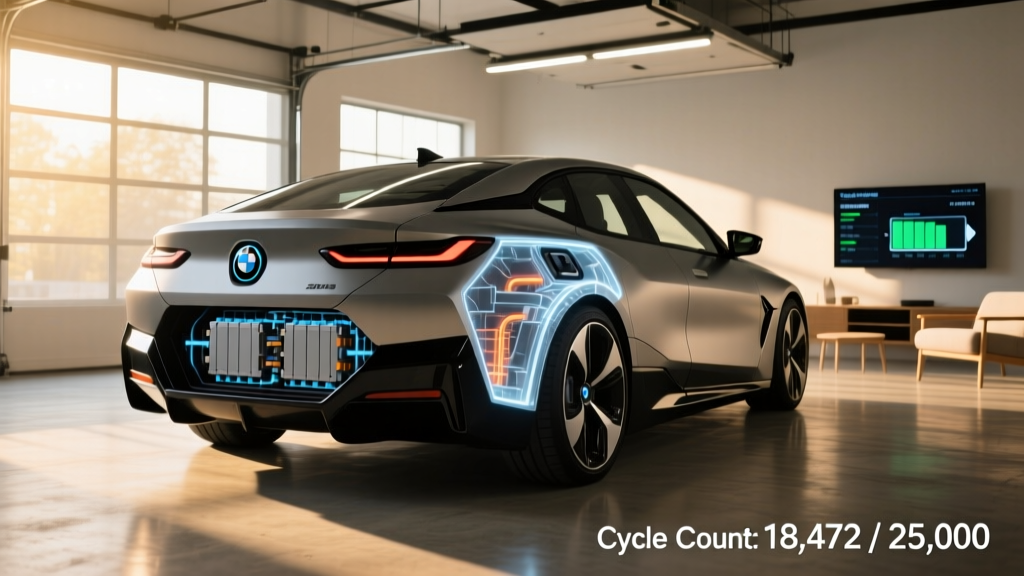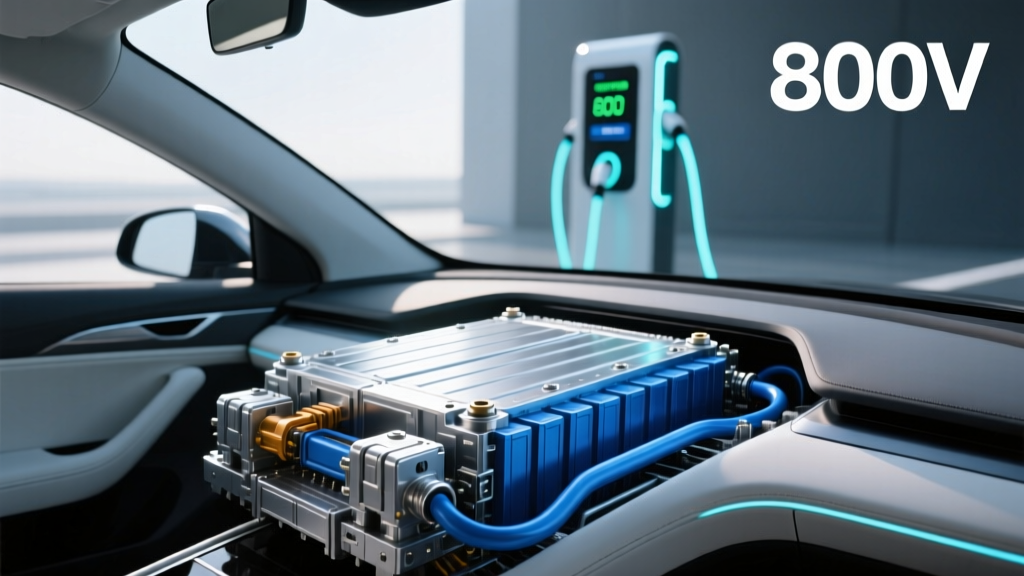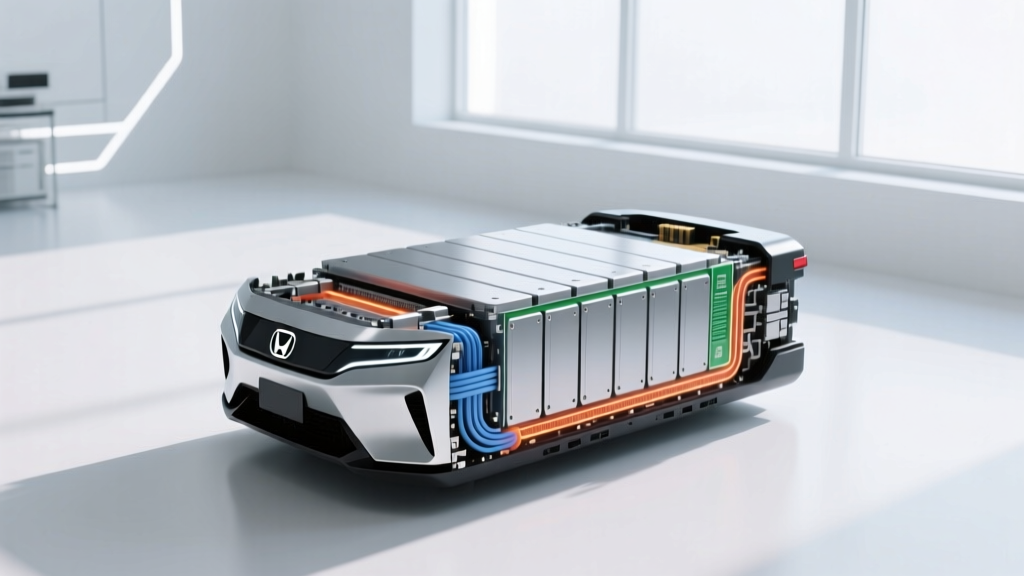
Honda's electrification strategy in North America rides heavily on a single supplier: LG Energy Solution. From the 2024 Honda Prologue to the upcoming next-generation EVs rolling off the Ohio-based joint-venture battery plant, Honda and LG have committed billions to producing lithium-ion cells tailored for Honda's EV lineup. But what does that actually mean for buyers? The chemistry inside those packs, how they degrade over a decade, and what happens if one fails are all questions worth answering with hard data — not marketing copy.
This guide breaks down the technical details of the Honda LG battery partnership: the cell chemistry, real-world degradation expectations, warranty coverage, replacement economics, and what Honda's solid-state roadmap means for current buyers.
Why Honda Chose LG Energy Solution
Honda and LG Energy Solution announced a $4.4 billion joint-venture battery manufacturing plant in Fayette County, Ohio, in 2022. The facility targets an annual production capacity of approximately 40 GWh — enough to supply several hundred thousand vehicles per year. The first cells from this plant are expected to enter Honda vehicles around the 2026–2027 timeframe.
Before that Ohio plant comes fully online, Honda's current EV offerings — primarily the Honda Prologue (built on GM's Ultium platform at a Spring Hill, Tennessee factory) — use Ultium-format pouch cells supplied by LG Energy Solution. The upcoming Honda 0 Series vehicles, announced for 2026–2028, will transition to cells produced by the Honda-LG Ohio joint venture.
The strategic rationale is straightforward: vertical integration of battery supply reduces per-kWh costs, secures domestic sourcing for federal §30D tax credit eligibility, and gives Honda engineering control over cell format and chemistry.
Chemistry Deep Dive: NMC in Honda LG Battery Packs
The Honda Prologue's 85 kWh (usable) Ultium battery pack uses NMC (nickel manganese cobalt) chemistry in a pouch-cell format. This is the same cell architecture used across GM's Ultium-based vehicles — the Cadillac Lyriq, Chevrolet Blazer EV, and GMC Sierra EV. Honda's adoption of this platform means inheriting a proven, high-energy-density chemistry.
NMC cells prioritize energy density — packing more kWh into less physical volume — which directly translates to longer EPA range per pack size. The trade-off, compared to LFP (lithium iron phosphate), involves cycle life, thermal stability, and cost. Here's how the two dominant chemistries stack up:
| Attribute | LFP (Lithium Iron Phosphate) | NMC (Nickel Manganese Cobalt) |
|---|---|---|
| Energy Density | ~160–180 Wh/kg (lower) | ~220–260 Wh/kg (higher) |
| Typical Cycle Life | 3,000–5,000+ cycles | 1,000–2,000 cycles |
| Cold-Weather Performance | Moderate (slower charging below freezing) | Better low-temp discharge; preconditioning still required |
| Thermal Stability | Excellent — less prone to thermal runaway | Good — requires robust BMS and cooling |
| Cost per kWh | Lower (no cobalt/nickel) | Higher (commodity-linked metals) |
| State-of-Charge Recommendation | Can be charged to 100% regularly | Best kept 20–80% for daily use |
| Used In | Tesla Model 3 RWD, Ford Mustang Mach-E Select (some trims) | Honda Prologue, GM Ultium vehicles, Hyundai Ioniq 5, most long-range EVs |
Which is better? It depends on your use case. NMC delivers the range and packaging efficiency that a midsize SUV like the Prologue needs to hit its EPA target of up to 308 miles (FWD trim). LFP excels in longevity and cost — ideal for standard-range, high-mileage fleet applications. Honda's decision to use NMC via the LG partnership reflects a range-first priority for the North American market.
Degradation Data: What to Expect Over 150,000 Miles
Battery degradation — the gradual loss of usable capacity over time — is the single biggest long-term ownership concern for EV buyers. Here's what the data shows for NMC-based packs similar to the Honda LG battery architecture:
| Time / Mileage | Average Capacity Retained | Notes |
|---|---|---|
| Year 1 / ~15,000 mi | 95–97% | Initial "break-in" loss; most rapid drop occurs in first few thousand miles |
| Year 3 / ~45,000 mi | 91–94% | Curve flattens; degradation becomes more linear |
| Year 5 / ~75,000 mi | 88–92% | Most owners notice minimal day-to-day range difference |
| Year 8 / ~120,000 mi | 84–90% | Approaching warranty threshold territory |
| Year 10 / ~150,000 mi | 80–88% | Still functional; range reduction noticeable but manageable |
These figures align with aggregated fleet data from sources like Geotab's long-term EV battery health study, which tracked over 10,000 electric vehicles across multiple model years. Liquid-cooled NMC packs — like the Ultium-derived system in the Prologue — consistently outperform passively cooled packs by 3–5 percentage points of retention over the same timeframe.
Real-world context: A Honda Prologue rated at 296 EPA miles (AWD trim) retaining 88% of capacity at year 8 would still deliver approximately 260 miles — plenty for daily driving and most road trips with one DC fast-charge stop.
Honda Battery Warranty: Coverage and Thresholds
Federal law mandates a minimum battery warranty of 8 years / 100,000 miles for EVs sold in the United States, with a capacity-retention threshold typically set at 70%. Honda meets and in some cases exceeds this baseline. Here's the warranty breakdown:
| Component | Coverage Period | Details |
|---|---|---|
| High-Voltage Battery | 8 years / 100,000 miles | Capacity retention above ~70%; covers defects and excessive degradation |
| Battery Management System (BMS) | 8 years / 100,000 miles | Electronic control components |
| Electric Powertrain (Motor, Inverter) | 5 years / 60,000 miles (powertrain warranty) | Drive unit and related components |
| California / ZEV States | 10 years / 150,000 miles | Extended battery coverage in CARB-adopting states |
The warranty covers defects (manufacturing faults causing sudden failure) and excessive degradation (capacity dropping below the 70% threshold within the coverage window). Normal, gradual capacity loss above that threshold is not a warranty claim — it's expected battery behavior.
If you live in a state that has adopted California's ZEV regulations — including California, New York, Massachusetts, Washington, Oregon, Colorado, and others — your battery coverage extends to 10 years / 150,000 miles, a significant additional safety net.
Replacement Cost: The $10,000–$20,000 Reality
Out-of-warranty battery replacement is the scenario that generates the most anxiety — and the most misleading headlines. Here are the actual numbers for vehicles in the Honda LG battery ecosystem:
| Vehicle / Platform | Pack Size | Estimated Parts Cost | Estimated Labor | Total Range |
|---|---|---|---|---|
| Honda Prologue (Ultium/ LG NMC) | 85 kWh usable | $12,000–$16,000 | $2,000–$3,500 | $14,000–$19,500 |
| GM Ultium-based peers (Lyriq, Blazer EV) | 102 kWh usable | $14,000–$18,000 | $2,000–$3,500 | $16,000–$21,500 |
| Future Honda 0 Series (Ohio JV cells) | ~60–90 kWh (est.) | $9,000–$15,000 (est.) | $1,500–$3,000 | $10,500–$18,000 |
When is replacement actually needed? In practice, almost never during the vehicle's first owner cycle. Data from fueleconomy.gov and warranty claim rates across the industry show that fewer than 1–2% of modern liquid-cooled EV battery packs require full replacement due to defect. Packs that degrade below 70% capacity by year 8 are covered under warranty. And packs that reach 80% capacity at year 12–15 are still functional — just with reduced range.
The honest assessment: most Honda LG battery packs will outlast the vehicle's economic life. The more likely end-of-life scenario is that the car is retired for other reasons (body damage, electronics obsolescence, owner upgrade) while the battery still has 80%+ capacity remaining.
Factors That Accelerate — or Preserve — Battery Health
Not all miles are created equal. How you charge, drive, and store your Honda EV directly impacts how quickly its LG-supplied NMC pack degrades. Here's the hierarchy of impact factors:
Battery Care Checklist for NMC Packs
- Limit routine DC fast charging. Occasional road-trip use is fine, but daily DC fast charging at 150+ kW accelerates degradation by an estimated 1–2% per year vs. Level 2 home charging. The heat generated during high-C-rate charging stresses NMC cathodes.
- Set a daily charge limit of 80%. NMC cells experience the most calendar degradation at high states of charge. Charging to 100% and letting the car sit in a hot garage is the worst-case scenario. Use the vehicle's charge-limit setting and reserve 100% for trips.
- Avoid deep discharges below 10%. While the BMS maintains a protective buffer (Honda/Ultium packs typically hold 3–5 kWh in reserve below the displayed 0%), routinely driving to near-empty still stresses the chemistry. Plug in when you hit 15–20%.
- Use preconditioning before fast charging. The Prologue's thermal management system works best when the battery is preconditioned — warming it to optimal temperature before a high-power charge session. Use the navigation-based preconditioning feature when routing to a DC fast charger.
- Park in shade or a garage in extreme heat. Sustained battery temperatures above 95°F accelerate calendar aging. A garage in Phoenix is not a luxury — it's battery insurance.
- Don't stress about cold-weather range loss. Winter range reduction of 20–30% is temporary and reversible. It's caused by increased cabin heating demand and reduced regenerative braking efficiency — not permanent battery damage.
Monitoring Battery Health: State of Health (SoH) Tools
Honda's infotainment system provides basic charge and range information, but detailed State of Health (SoH) monitoring — the percentage of original capacity your pack currently holds — requires a bit more effort.
Owner-accessible methods:
- HondaLink app: Provides real-time charge status and estimated range. While Honda has not publicly exposed a raw SoH percentage in the app (unlike some competitors), consistent tracking of your full-charge range over time gives a functional SoH estimate. If your 100% charge range drops from 296 miles to 265 miles over three years, your approximate SoH is ~89%.
- Dealership diagnostic scan: Honda service centers can run a battery health diagnostic that reads cell-level voltage data and calculates SoH. Request this during scheduled service visits, especially as you approach the warranty period's later years.
- OBD-II third-party tools: Devices like the OBDLink SX paired with apps such as EV Notify or Torque Pro can read BMS data from the vehicle's CAN bus. Compatibility varies by model year, but this route offers the most granular view of cell balance, pack temperature, and capacity.
What SoH numbers mean in practice: A reading of 92% SoH at year 3 is healthy and on-track. A reading below 80% at any point during the warranty window should trigger a warranty claim investigation with your Honda dealer.
What Comes Next: Solid-State and Silicon Anode Roadmaps
Honda is investing in next-generation battery technology alongside its LG partnership, but timelines matter. Here's where things stand as of 2026:
Solid-state batteries: Honda has demonstrated a prototype all-solid-state battery and has a pilot production line in Japan. The company targets commercialization in the late 2020s, likely debuting in a limited-production or flagship model first. Solid-state cells promise higher energy density (~350–400 Wh/kg potential), faster charging, and improved safety. However, manufacturing scalability and cost remain unsolved challenges. This technology is not available in any production Honda EV today.
Silicon anode cells: Some LG Energy Solution cells in development incorporate silicon-dominant anodes, which can increase energy density by 10–20% over conventional graphite anodes. These may appear in Honda's 0 Series vehicles in the 2027–2029 timeframe, pending validation.
Practical buying advice: Don't delay an EV purchase waiting for solid-state. Current NMC packs from the Honda LG battery ecosystem already deliver 280–308 miles of EPA range with 8+ year warranties and proven degradation curves. The next-generation tech will be expensive at launch and limited to premium trims for years.
Frequently Asked Questions
How long do Honda LG battery packs last?
Based on NMC degradation data from liquid-cooled packs of similar architecture, expect 88–92% capacity retention at 5 years / 75,000 miles and 80–88% at 10 years / 150,000 miles. The battery is designed to remain functional well beyond 150,000 miles — just with reduced range. Most packs outlive the vehicle's first-ownership cycle.
How much does it cost to replace a Honda EV battery?
For the Honda Prologue's 85 kWh Ultium/LG NMC pack, total replacement cost (parts + labor) is estimated at $14,000–$19,500 out of warranty. However, full replacements are rare — fewer than 1–2% of modern packs require it. Any degradation below 70% within 8 years / 100,000 miles is covered under Honda's warranty at no cost to the owner.
What does the Honda battery warranty cover?
Honda's high-voltage battery warranty covers 8 years / 100,000 miles (10 years / 150,000 miles in ZEV states). It protects against manufacturing defects and excessive degradation below approximately 70% of original capacity. Normal gradual capacity loss above that threshold is considered expected behavior and is not covered.
How do I check my Honda EV's battery health?
Track your full-charge range over time via the HondaLink app — a consistent decline indicates degradation. For precise State of Health (SoH) data, request a battery diagnostic at your Honda dealership or use an OBD-II scanner with EV-compatible software to read BMS data directly.
Is NMC or LFP better for Honda EVs?
For Honda's current lineup, NMC is the right choice. It delivers the energy density needed for 280–308 miles of EPA range in a midsize SUV form factor. LFP offers longer cycle life and lower cost but at the expense of energy density — meaning a Prologue with LFP would either be heavier or have less range. Honda's LG partnership centers on NMC for range-optimized vehicles.
Does fast charging damage the Honda LG battery?
Occasional DC fast charging (road trips, a few times per month) causes negligible additional degradation. Daily DC fast charging at high power (150+ kW) does accelerate wear by an estimated 1–2% capacity per year compared to Level 2 home charging. The Prologue's liquid-cooled thermal management system mitigates this significantly, but Level 2 should remain your primary charging method.
Will Honda's solid-state battery be available soon?
Honda targets late-2020s commercialization of solid-state batteries, likely in a limited or flagship model first. Mass-market availability is not expected before 2030. Current Honda EV buyers should not delay purchases waiting for this technology — today's NMC packs already offer strong range and longevity.