Why Jump-Starting an EV Is Different (And Which Battery We're Talking About)
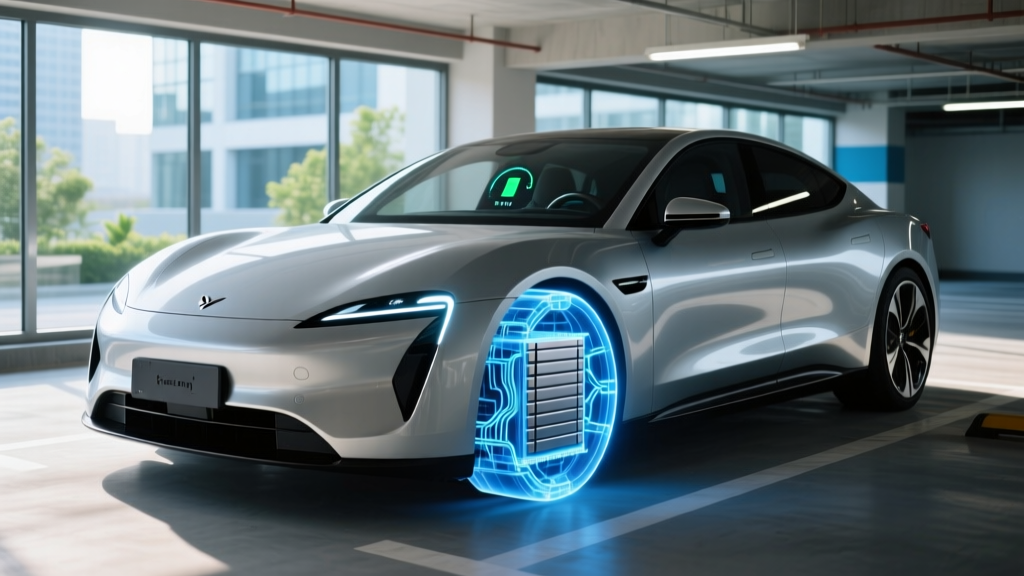
If you've searched "how to put jumper cables on a battery" and you drive an electric vehicle, you're almost certainly dealing with a dead 12-volt auxiliary battery — not the massive high-voltage traction pack under the floor. Every EV sold in the US (Tesla Model Y, Hyundai Ioniq 5, Ford Mustang Mach-E, Chevrolet Equinox EV, and others) carries a small 12V battery that powers the computers, door locks, lights, infotainment, and the contactors that close the circuit to the main pack. When that 12V battery dies, the car is a brick — even if the traction battery is at 100% State of Charge.
This guide covers the correct procedure for jump-starting an EV's 12V system, then goes deep on the battery you actually care about long-term: the high-voltage traction battery. We'll cover LFP vs NMC chemistry, real-world degradation data, warranty terms, replacement costs, and how to monitor State of Health (SoH) in 2026's EV market.
How to Put Jumper Cables on an EV's 12V Battery: Step-by-Step
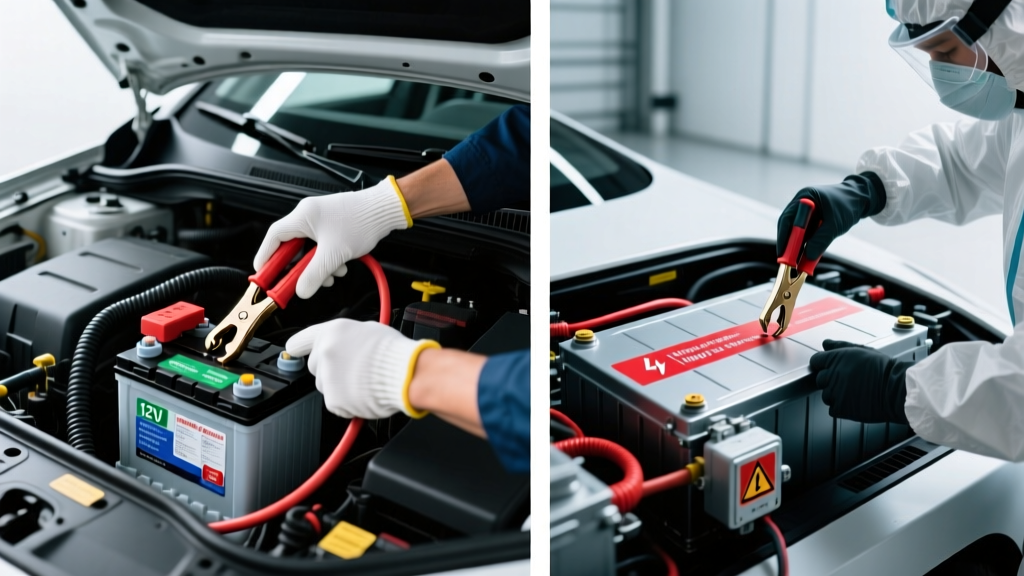
The jumper-cable procedure for an EV is functionally the same as for a gas car, with a few critical differences. You are only connecting to the 12V system. Never attempt to jump or probe the high-voltage traction battery — its DC voltage ranges from 400V to 800V+ and can be lethal.
- Locate the 12V battery. In many EVs it's under the hood (frunk area), but some models tuck it under the rear seat or in the cargo area. Consult your owner's manual for the exact location and any dedicated jump-post terminals.
- Use a lithium-aware jump pack or another 12V vehicle. A portable lithium jump-starter (e.g., NOCO Boost series) is the cleanest option. If using another car, ensure the donor vehicle is running and both cars are off when making final connections.
- Connect in order: red to dead (+), red to donor (+), black to donor (−), black to an unpainted metal ground on the dead EV — not the negative terminal, to avoid sparking near the battery.
- Wait 2–3 minutes, then power on the dead EV (press the brake and start button). The DC-DC converter will immediately begin charging the 12V battery from the traction pack once the car is "on."
- Disconnect in reverse order and let the EV remain powered on for at least 20 minutes so the DC-DC converter replenishes the 12V battery.
Important: Tesla specifically warns against using a Tesla as a donor vehicle for jump-starts — doing so can damage the donor's electrical system. Use a standalone jump pack or a conventional gas car as the donor. Always reference your specific model's owner's manual before proceeding.
The Battery That Actually Matters: EV Traction Battery Chemistry
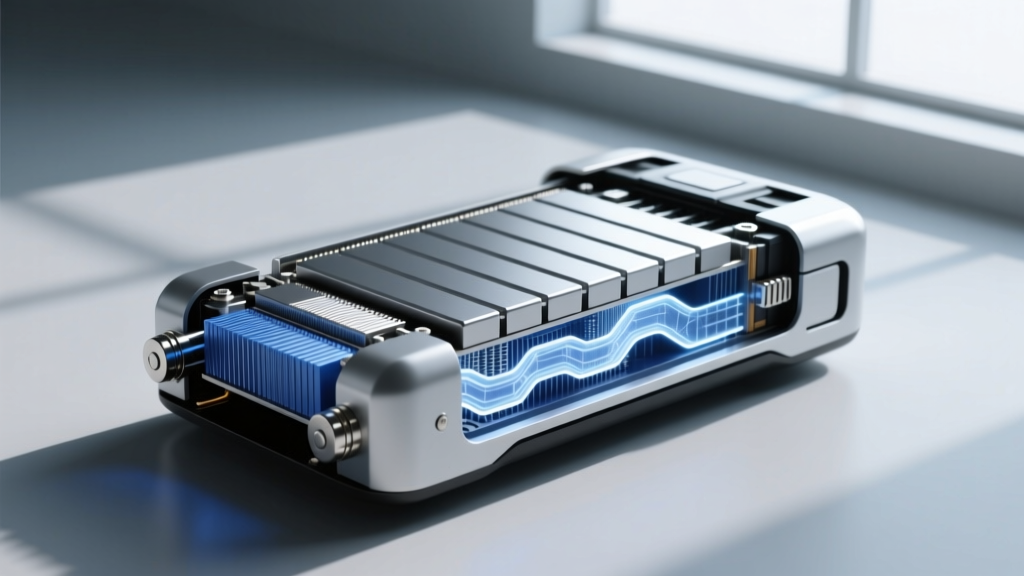
Once your 12V issue is resolved, the battery worth understanding is the high-voltage traction pack. In 2026, nearly every mainstream EV uses one of two lithium-ion chemistries: NMC/NCA (nickel-manganese-cobalt or nickel-cobalt-aluminum) or LFP (lithium iron phosphate). The chemistry dictates range, longevity, cold-weather behavior, and cost.
| Attribute | LFP (Lithium Iron Phosphate) | NMC / NCA (Nickel-Based) |
|---|---|---|
| Energy density (Wh/kg, cell-level) | ~160–180 Wh/kg | ~220–300 Wh/kg |
| Typical cycle life (to 80% SoH) | 3,000–5,000+ cycles | 1,000–2,000 cycles |
| Cold-weather range loss (below 20°F) | Higher loss (~30–40%) | Moderate loss (~20–30%) |
| Recommended daily SoC | 100% (periodic full charges help BMS calibration) | 80% daily; 100% for trips only |
| Cost per kWh (pack-level, 2026) | ~$95–$115/kWh | ~$125–$150/kWh |
| Common 2026 applications | Tesla Model 3/Y RWD, Ford Mustang Mach-E Select SR, BYD, base trims | Long-range/performance trims, Hyundai Ioniq 5/6, Rivian, Lucid |
Which is better? There is no universal answer. LFP wins on cycle life and cost, making it ideal for commuters who charge at home daily and don't need maximum range. NMC wins on energy density and cold-weather performance, making it the choice for long-range trims, AWD models, and buyers in northern climates. If you prioritize 10+ year ownership and lower upfront cost, LFP is compelling. If you need 320+ miles of EPA range and drive in sub-freezing winters, NMC is the pragmatic pick.
How Long Do EV Batteries Last? Real-World Degradation Data
Modern EV traction batteries are engineered to outlast the vehicle's economic life. Data aggregated from fleet operators, telematics studies, and owner reports shows a consistent pattern: steep initial drop of 2–4% in the first year, then a slow linear decline.
Typical degradation curve (NMC, liquid-cooled, moderate climate):
- Year 1 / ~15,000 mi: 96–98% State of Health (SoH)
- Year 3 / ~45,000 mi: 92–95% SoH
- Year 5 / ~75,000 mi: 89–93% SoH
- Year 8 / ~120,000 mi: 84–90% SoH
- Year 10 / ~150,000 mi: 80–88% SoH
LFP packs tend to degrade more slowly in the mid-life plateau but show a steeper initial drop; NMC shows the opposite pattern. Data points are drawn from aggregated fleet telemetry reported by Geotab and owner-reported datasets on platforms like Recurrent Auto.
For context, a 2026 Hyundai Ioniq 5 with a 77.4 kWh NMC pack and 303 miles of EPA range would retain roughly 260–280 miles of range at year 8 — still very usable for daily driving.
What the Battery Warranty Actually Covers (and What It Doesn't)
Federal law in the US mandates a minimum of 8 years / 100,000 miles for EV battery warranties on emissions-relevant components, and most manufacturers match or exceed this voluntarily. California Air Resources Board (CARB) states require 10 years / 150,000 miles.
| Model | Warranty Term | Capacity Retention Threshold | Notes |
|---|---|---|---|
| Tesla Model 3/Y RWD (LFP) | 8 yr / 120,000 mi | 70% | LFP-specific terms in warranty supplement |
| Tesla Model 3/Y Long Range (NMC) | 8 yr / 120,000 mi | 70% | |
| Hyundai Ioniq 5 / Ioniq 6 | 10 yr / 100,000 mi | 70% | Among the longest in the segment |
| Ford Mustang Mach-E | 8 yr / 100,000 mi | 70% | Extended-range battery covered same term |
| Chevrolet Equinox EV / Blazer EV | 8 yr / 100,000 mi | 60% (modules) | GM uses modular Ultium packs; partial replacement possible |
| Rivian R1T / R1S | 8 yr / 175,000 mi | 70% | Higher mileage cap reflects truck use case |
What's covered: Defects in materials/workmanship, and capacity loss below the stated threshold (typically 70% of original capacity). What's not covered: Damage from accidents, flooding, improper modifications, or using the vehicle as a stationary power source outside manufacturer-approved V2H/V2L configurations.
The IRS §30D tax credit has separate battery-sourcing requirements that do not affect your warranty — but if you're buying new in 2026, confirm the specific VIN's credit eligibility at purchase, as critical-mineral and battery-component rules continue to tighten annually.
How Much Does an EV Battery Replacement Cost?
Out-of-warranty traction battery replacement is the number-one fear among EV shoppers. The reality in 2026: pack-level costs have fallen dramatically, full replacements are rare before 200,000 miles, and modular designs allow partial repairs.
| Model / Pack Size | Chemistry | Parts Cost (Est.) | Labor | Total Range |
|---|---|---|---|---|
| Tesla Model 3 RWD / 60 kWh | LFP | $8,000–$11,000 | $1,500–$2,500 | $9,500–$13,500 |
| Hyundai Ioniq 5 / 77.4 kWh | NMC | $12,000–$16,000 | $2,000–$3,000 | $14,000–$19,000 |
| Ford F-150 Lightning Std / 98 kWh | NMC | $15,000–$20,000 | $2,500–$4,000 | $17,500–$24,000 |
| Chevrolet Silverado EV / 200 kWh | NMC (Ultium) | $25,000–$35,000 (full); module swap ~$4,000–$7,000 | Varies | Modular repair often viable |
| Rivian R1T / 149 kWh Max Pack | NMC | $20,000–$28,000 | $3,000–$5,000 | $23,000–$33,000 |
When is replacement actually needed? Almost never during normal ownership. The vast majority of packs retain 80%+ SoH through 150,000 miles. When failures do occur, they're typically isolated module or BMS faults, and modular architectures (GM Ultium, BMW Neue Klasse) allow single-module replacement at a fraction of the full-pack cost. A full pack swap is usually a last resort for catastrophic damage or extreme, out-of-warranty degradation.
Factors That Accelerate (or Preserve) Battery Health
Battery degradation is electrochemical — it's driven by heat, voltage extremes, and charge rate. Here's what actually moves the needle, ranked by impact:
Highest-impact factors:
- Avoid sustained 100% SoC (NMC only). Storing an NMC pack at 100% for days accelerates calendar aging. Set daily charge limit to 80%. LFP is exempt — charge to 100% weekly to help the BMS rebalance cells.
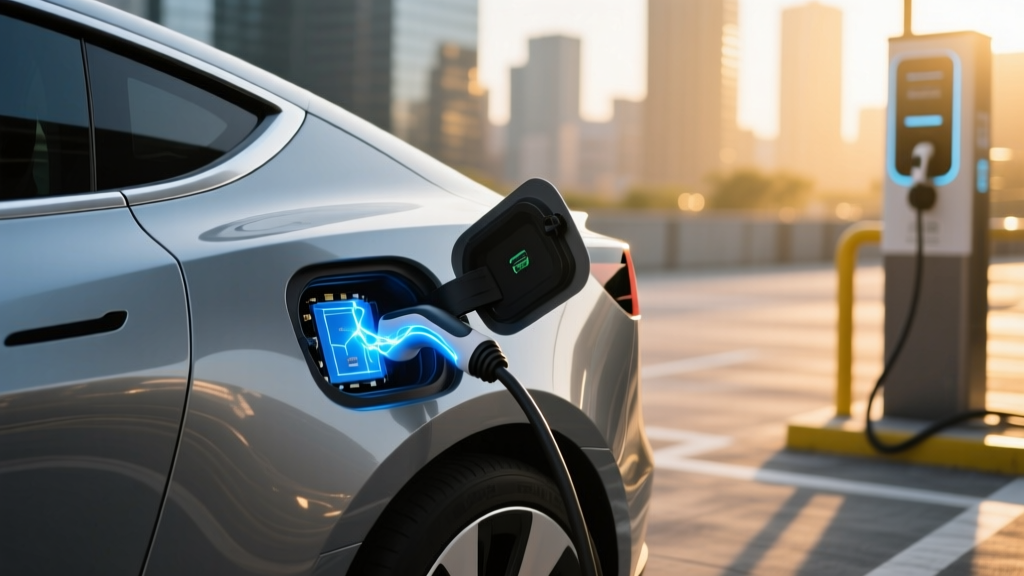
- Minimize DC fast charging above 150 kW as your daily routine. Occasional road-trip DCFC is fine. Daily 350 kW sessions raise cell temperature and stress the anode. If you have Level 2 home access, use it as your primary charging method.
- Precondition before fast charging. Most EVs do this automatically when you navigate to a charger. A cold battery (below 50°F) accepting a 250 kW charge will taper aggressively and suffer more lithium plating risk. Preconditioning warms the pack to ~95°F for optimal charge acceptance.
- Avoid deep discharges below 10% SoC. The buffer protects you, but habitually running the pack to near-zero still stresses the chemistry.
Lower-impact but still relevant:
- Extreme ambient heat (sustained 100°F+ parking) — use shaded or garage parking when possible.
- Aggressive track/launch use — high C-rates generate internal heat.
- Aftermarket tuning that overrides BMS charge limits — voids warranty and accelerates degradation.
How to Check and Monitor Battery State of Health (SoH)
State of Health is the percentage of original usable capacity your pack retains. In 2026, monitoring SoH is easier than ever, though methods vary by brand:
- Tesla: No native SoH readout in the app. Use third-party tools like TeslaFi or scan the BMS via OBD-II with apps like Scan My Tesla. Compare current range at 100% SoC to the original EPA figure.
- Hyundai/Kia/Genesis: The infotainment EV menu displays an estimated SoH percentage; some model years expose it via the Bluelink/Kia Connect app.
- Ford: FordPass shows battery health status; dealers can pull a detailed SoH report via IDS diagnostic tool.
- GM (Ultium): myChevrolet/myCadillac app includes battery health indicator; OnStar diagnostics can provide a detailed report.
- OBD-II universal: Tools like Car Scanner ELM OBD2 or ABRP + OBDLink can read BMS-reported SoH on most EVs.
Practical tip: Log your range at 100% SoC once per quarter under similar ambient conditions. A drop of more than 2–3% per year after year one warrants a dealer diagnostic check, especially if you're within the warranty window.
What's Next: Solid-State and Silicon-Anode Batteries (Forward-Looking)
Two emerging chemistries dominate 2026 headlines, but neither is widely available in production vehicles yet:
- Solid-state batteries: Replace the liquid electrolyte with a solid ceramic or polymer, promising 40–50% higher energy density and faster charging. Toyota, Nissan, and Samsung SDI have announced production timelines targeting 2027–2029, but initial volumes will be limited to premium/flagship models. Expect broad market availability no earlier than 2030.
- Silicon-anode cells: Silicon can store roughly 10x the lithium ions of graphite, boosting energy density by 20–40%. Companies like Sila Nanotechnologies and Group14 are supplying early-production cells to Mercedes-Benz and other OEMs for 2026–2027 model-year vehicles. This is the nearer-term upgrade to watch.
For buyers in 2026, today's NMC and LFP packs are mature, well-understood, and backed by extensive warranty coverage. Waiting for solid-state is not a practical strategy unless your purchase timeline extends to 2029+.
Frequently Asked Questions
Can I jump-start the high-voltage traction battery?
No. The traction battery operates at 400–800V DC and requires specialized service equipment. You can only jump-start the 12V auxiliary battery, which then allows the car's contactors to close and draw power from the traction pack. If the traction pack itself is depleted, you need a flatbed tow to a charger.
Why does my EV's 12V battery keep dying?
Common causes include: a failing 12V battery (typical lifespan 3–5 years, shorter than the traction pack), parasitic drain from aftermarket accessories or a misconfigured "sentry mode" / cabin-overheat-protection feature, or a faulty DC-DC converter. If your 12V dies repeatedly, have the DC-DC converter tested — it should maintain the 12V battery whenever the car is plugged in or powered on.
Does fast charging really hurt my battery?
Occasional DC fast charging has minimal impact. The concern is daily reliance on high-power DCFC (150 kW+) combined with high SoC. Tesla's own data, cited in their annual Impact Report, shows vehicles that primarily use Superchargers exhibit only marginally higher degradation than those charging on Level 2 — roughly a 2–3 percentage-point SoH difference at 150,000 miles. Thermal management in 2026-era packs is highly effective.
Is LFP safer than NMC?
Chemically, yes — LFP's iron-phosphate cathode is more thermally stable and has a higher threshold for thermal runaway. In practice, both chemistries in modern packs with robust BMS and cooling systems have excellent safety records. NHTSA data shows EV fire incidence remains significantly lower than ICE vehicle fire rates per 100,000 vehicles.
Should I replace my EV battery proactively?
Almost never. If your SoH is above 80% and you're not experiencing range or performance issues, replacement is not economically justified. Most 2026-era packs will deliver 200,000+ miles before falling below 80% SoH. Replace only when (a) the pack fails a warranty diagnostic, (b) a specific module is damaged, or (c) degradation makes the vehicle unusable for your needs — which is rare before year 12–15.