LFP vs NMC: The Chemistry Split Defining Today's EVs
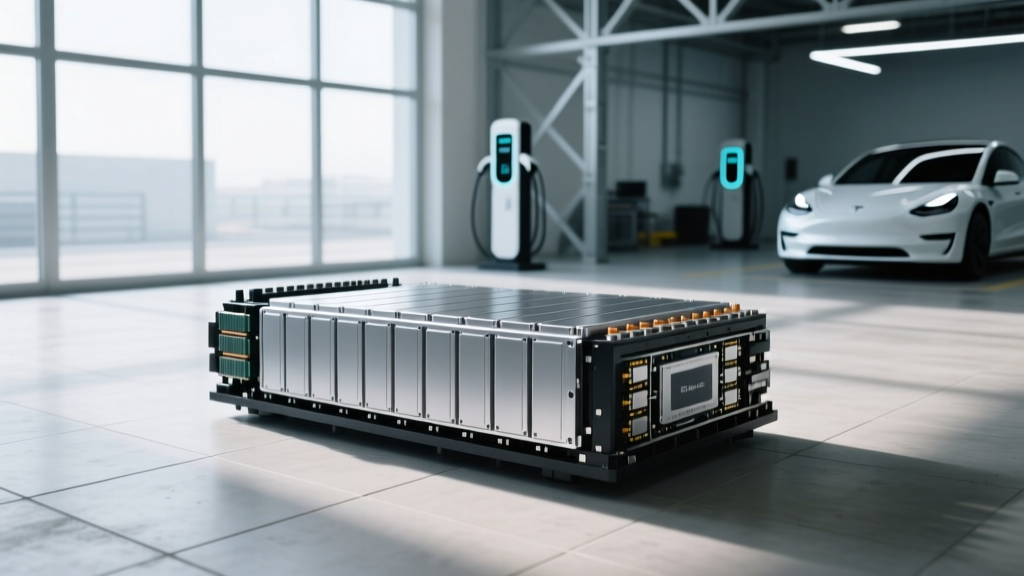
The single most consequential decision an EV buyer makes isn't about horsepower or 0-60 time — it's the battery chemistry sitting beneath the floorpan. In 2026, two lithium-ion chemistries dominate the market, each with distinct trade-offs that affect range, longevity, cold-weather usability, and price.
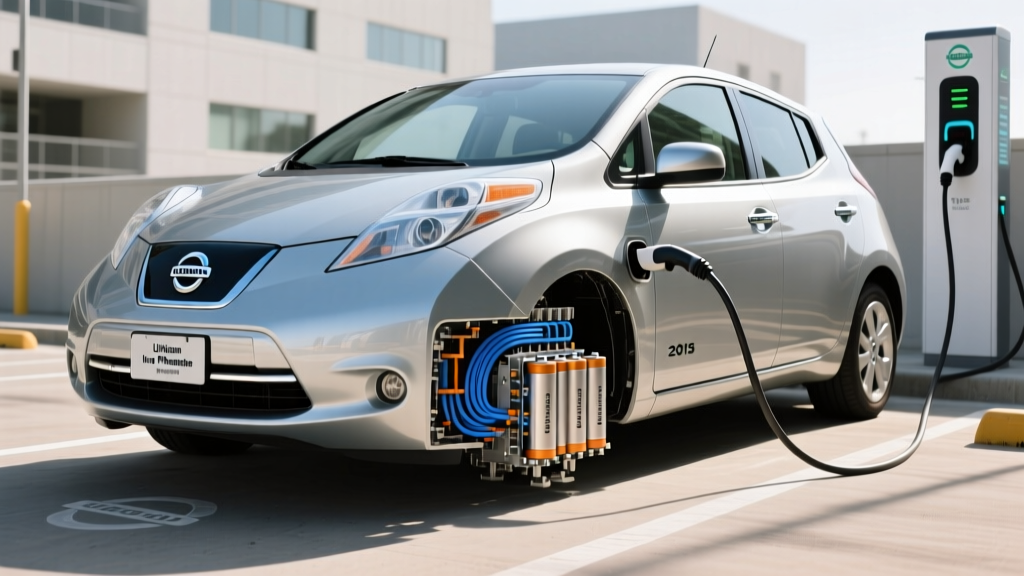
NMC (Nickel Manganese Cobalt) and NCA (Nickel Cobalt Aluminum) chemistries offer higher energy density, meaning more kWh packed into a lighter, smaller pack. This translates directly to longer EPA range figures without adding excessive weight. Most long-range and performance EVs — from the Tesla Model 3 Long Range to the Hyundai Ioniq 5 — rely on NMC or NCA cells.
LFP (Lithium Iron Phosphate) trades energy density for cycle life and cost. LFP cells are heavier and bulkier per kWh, which is why they typically appear in standard-range or base-trim EVs. But they tolerate deeper discharge cycles, can be charged to 100% daily without accelerating degradation, and contain no cobalt or nickel — making them cheaper to produce and less supply-chain-constrained.
| Attribute | LFP (Lithium Iron Phosphate) | NMC / NCA |
|---|---|---|
| Energy Density | ~160–180 Wh/kg (cell-level) | ~220–300 Wh/kg (cell-level) |
| Typical Cycle Life | 3,000–5,000+ full cycles to 80% SoH | 1,000–2,000 full cycles to 80% SoH |
| Cold-Weather Performance | Greater range loss below 32°F; slower charge acceptance when cold | Better low-temp discharge; preconditioning still essential |
| Daily Charging to 100% | Recommended by most OEMs | Typically limited to 80–90% for longevity |
| Cost per kWh (2026) | ~$85–$100 (cell-level) | ~$110–$140 (cell-level) |
| Common Applications | Tesla Model 3 RWD, BYD models, base trims | Long-range, performance, and AWD trims |
| Thermal Stability | Higher — less prone to thermal runaway | Lower — requires robust BMS and cooling |
Which is better? It depends entirely on your use case. If you drive a moderate daily commute (30–60 miles), have reliable home charging, and want the lowest long-term degradation risk, LFP is arguably the smarter buy. If you need maximum range for road trips, live in a cold climate where every mile of buffer matters, or tow frequently, NMC/NCA's energy density advantage is worth the trade-off in cycle life.
How Long Do EV Batteries Actually Last?
The fear that EV batteries will need replacement at 100,000 miles is not supported by fleet data. Real-world degradation studies from sources like Geotab's analysis of over 10,000 EVs show that the average battery loses roughly 1.8% to 2.3% of its original capacity per year under normal use. That means after eight years, most EV batteries retain between 82% and 88% of their original capacity.
Typical Degradation Curve (NMC, average driver ~12,000 mi/yr):
- Year 1: ~2–3% loss (initial formation loss is steepest)
- Year 2–4: ~1.5–2% loss per year (linear phase)
- Year 5–8: ~1.5% loss per year (gradual plateau)
- Year 8 projected SoH: ~83–88% of original capacity
- Year 10 projected SoH: ~78–84% of original capacity
LFP batteries degrade more slowly in many cases. Tesla's own impact report has shown Model 3 RWD (LFP) fleets retaining approximately 92% capacity at 100,000 miles. The key insight: degradation is non-linear. The largest capacity drop occurs in the first year or two, then the curve flattens considerably. A battery that still holds 85% at year six is very likely to hold 80%+ at year ten.
The practical question isn't "when will it die?" — it's "when will range loss become inconvenient?" For a 310-mile EPA-rated EV, losing 15% over eight years means ~263 miles of effective range. For most owners, that's still entirely livable, especially as charging infrastructure expands.
What Does the Battery Warranty Actually Cover?
Federal regulation mandates a minimum 8-year/100,000-mile warranty on EV battery packs for emissions-related compliance, and most manufacturers meet or exceed this baseline. The critical detail is the capacity retention threshold — the point below which the manufacturer considers the battery "failed" and will repair or replace it.
| Manufacturer | Warranty Term | Capacity Retention Threshold | Notes |
|---|---|---|---|
| Tesla (Model 3/Y LFP) | 8 yr / 100,000 mi | 70% | Module-level replacement common |
| Tesla (Model 3/Y LR/Perf) | 8 yr / 120,000 mi | 70% | NMC/NCA packs |
| Hyundai / Kia | 10 yr / 100,000 mi | 70% | Among the longest terms |
| Ford (Mustang Mach-E) | 8 yr / 100,000 mi | 70% | Covers battery and hybrid components |
| Chevrolet (Equinox EV) | 8 yr / 100,000 mi | 60% (estimated) | Ultium platform — verify current terms |
| BMW (i4/iX) | 8 yr / 100,000 mi | 70% | Transferable to second owner |
| Rivian | 8 yr / 175,000 mi | 70% | Higher mileage cap for adventure use |
Important nuances: the warranty covers defects and abnormal degradation below the threshold — not gradual capacity loss that stays above 70%. If your 300-mile EV degrades to 215 miles (roughly 72%), you're still within warranty spec. Most owners will never hit the 70% floor under normal driving conditions within the warranty period.
Also note that warranty terms may exclude damage from improper charging, flooding, or aftermarket modifications. Always read the specific warranty booklet for your model year — terms can shift between model years even within the same brand.
EV Battery Replacement Cost: What to Expect
Out-of-warranty battery replacement is the nightmare scenario EV skeptics cite most. The costs are real but require context: the vast majority of EV batteries outlast the vehicle's useful life or are replaced under warranty. When a replacement is needed — typically due to physical damage, manufacturing defect discovered late, or extreme high-mileage use — here's what the numbers look like in 2026:
| Vehicle / Pack Size | Battery Capacity | Estimated Replacement Cost | Notes |
|---|---|---|---|
| Tesla Model 3 RWD (LFP) | ~60 kWh | $12,000–$16,000 | Module replacement often possible for ~$5,000–$8,000 |
| Tesla Model Y LR (NMC) | ~75 kWh | $14,000–$20,000 | Structural pack complicates partial replacement |
| Hyundai Ioniq 5 | ~77.4 kWh | $15,000–$22,000 | E-GMP platform — module service available |
| Ford Mustang Mach-E ER | ~91 kWh | $18,000–$25,000 | Larger pack, higher material cost |
| Chevrolet Silverado EV | ~200 kWh | $35,000–$45,000+ | Ultium platform; partial module swap likely |
Two factors work in the owner's favor. First, battery cell prices continue declining — pack-level costs have fallen from over $200/kWh in 2020 to roughly $110–$130/kWh in 2026, according to BloombergNEF battery price surveys. Second, most manufacturers and third-party shops now offer module-level replacement, swapping only the degraded or faulty cell modules rather than the entire pack, often cutting costs by 50–60%.
For context, a conventional vehicle's transmission replacement can run $4,000–$8,000, and an engine rebuild can exceed $7,000. EV battery replacement is more expensive in absolute terms but far less likely to be needed within the vehicle's first 15 years.
Five Factors That Accelerate (or Preserve) Battery Health
Not all miles age a battery equally. The following factors have the most significant measurable impact on long-term State of Health (SoH):
- State of Charge Habits: Storing an NMC battery at 100% SoC for extended periods accelerates electrolyte decomposition. The optimal daily range for NMC is 20–80%. LFP batteries tolerate 100% SoC far better and most OEMs recommend periodic full charges for BMS cell balancing.
- DC Fast Charging Frequency: Occasional DC fast charging (1–2 times per week) shows minimal impact on degradation. Daily use of 150+ kW DC fast charging, however, has been correlated with 1–2% additional annual loss in some fleet studies. The heat generated during high-C-rate charging stresses cells more than Level 2 charging.
- Extreme Temperature Exposure: Batteries degrade faster when routinely exposed to ambient temperatures above 95°F or below 10°F without preconditioning. Vehicles with active thermal management (liquid cooling/heating) — which includes virtually all modern EVs — mitigate this substantially. Garage parking in extreme climates helps.
- Depth of Discharge: Regularly draining the battery below 10% SoC puts stress on the cells, particularly NMC. Try to charge before dropping below 15–20% when practical.
- Calendar Aging: Even a parked EV loses capacity over time. A battery stored at 50% SoC in moderate temperatures ages the slowest. If storing an EV for weeks, set the charge limit to ~50% and plug in if possible to let the BMS manage vampire drain.
How to Check Your EV's Battery Health
Most modern EVs don't expose a simple "battery health percentage" on the dashboard, but there are several reliable methods to monitor State of Health (SoH):
OBD-II Diagnostic Tools: Devices like the OBDLink MX+ paired with apps such as EVbatmon (for certain models) or Scan My Tesla can read the BMS-reported SoH directly. These tools pull the same data the service center uses, typically showing capacity retention as a percentage of original kWh.
Manufacturer Apps and Service Centers: Tesla owners can request a battery health report through the app or at a service appointment. Hyundai, Kia, and Ford dealerships can run diagnostic scans that report capacity retention. Ask specifically for a "high-voltage battery capacity test" — it's often free during warranty-period service visits.
Manual Range Tracking: Charge to a known SoC (e.g., 100% for LFP, 90% for NMC), note the displayed range estimate, and compare it to the EPA-rated range at that same SoC when the vehicle was new. This method is less precise (displayed range estimates vary with recent driving efficiency) but gives a reasonable trend line over months.
Third-Party Battery Reports: Services like Recurrent Auto provide battery health reports based on connected-vehicle data. If you're buying a used EV, request the battery health readout from the seller or have a pre-purchase inspection include a BMS scan.
Solid-State and Beyond: What's Actually Coming
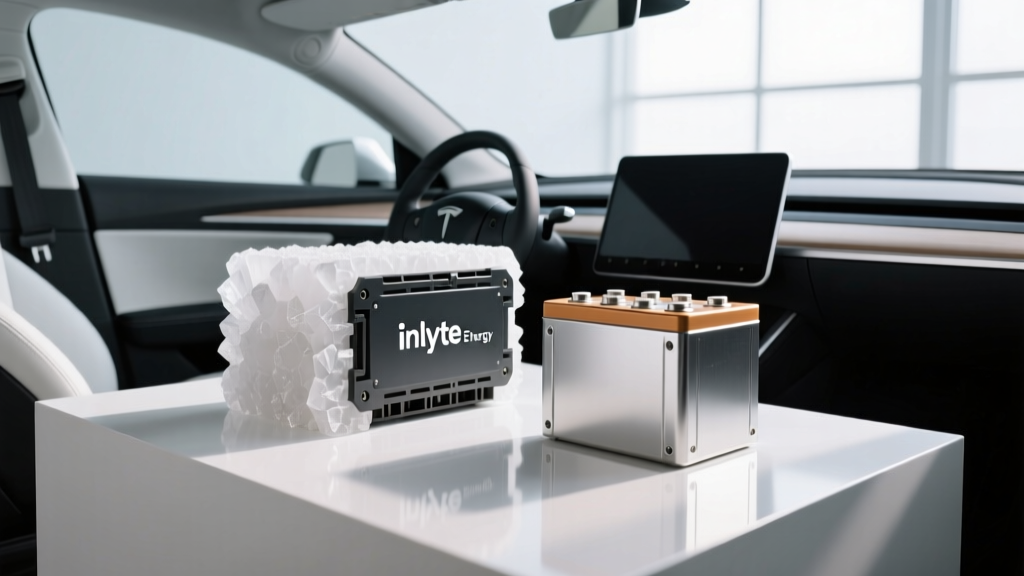
The "future of EV batteries" conversation inevitably turns to solid-state technology, where the liquid electrolyte in current lithium-ion cells is replaced with a solid conductor. The theoretical advantages are significant: higher energy density (potentially 400–500 Wh/kg at the cell level), faster charging tolerance, improved safety due to reduced flammability, and longer cycle life.
As of 2026, solid-state batteries remain in limited pilot production. Toyota has announced plans for a solid-state-equipped EV by 2027–2028, though initial volumes are expected to be very low and pricing will reflect early-adopter premiums. Samsung SDI and QuantumScape are supplying prototype cells to OEM partners, but mass-market availability at competitive pricing remains a 2029–2032 timeline by most industry analysts.
Silicon anode technology is nearer to market. Companies like Sila Nanotechnologies and Group14 are supplying silicon-dominant anode materials that increase energy density by 10–20% over conventional graphite anodes. The Mercedes-Benz G-Class EV (announced) is among the first vehicles expected to use silicon anode cells from Factorial Energy. This is an incremental but meaningful improvement, not a paradigm shift — but it will make longer-range packs lighter.
Sodium-ion batteries are entering the market for lower-cost, lower-range applications. CATL has begun shipping sodium-ion packs for Chinese-market EVs, and while energy density (~120–160 Wh/kg) limits them to city cars and short-range models, the cost advantage and elimination of lithium dependency make them strategically important. Expect sodium-ion to appear in US-market budget EVs by 2028–2029.
The realistic near-term outlook: incremental improvements in NMC energy density, continued LFP cost reduction, and gradual silicon anode adoption will deliver 5–10% more range per dollar through 2028. Solid-state will arrive but initially in premium, low-volume applications. The battery you buy in 2026 will not be obsolete in three years — it will simply be joined by options with slightly better specs at similar prices.
Frequently Asked Questions
How long do EV batteries last in years and miles?
Based on fleet data, most EV batteries retain 80–88% of their original capacity after 8 years or 100,000–150,000 miles. LFP batteries often perform better, with some fleets showing 90%+ retention at 100,000 miles. Complete battery failure before 200,000 miles is rare under normal use. Most EV batteries will outlast the vehicle's body, interior, and suspension components.
How much does it cost to replace an EV battery?
Full pack replacement ranges from approximately $12,000 for a ~60 kWh pack (e.g., Tesla Model 3 RWD) to $25,000+ for larger packs (90+ kWh). However, module-level repairs — replacing only degraded cell modules — can cost $5,000–$10,000. Most owners will never need a replacement, as degradation rarely drops below the 70% warranty threshold within the warranty period.
What does the EV battery warranty cover?
Most manufacturers warrant the battery for 8 years/100,000 miles (Hyundai and Kia extend to 10 years) against defects and capacity loss below 70% of original capacity. This covers manufacturing defects, abnormal degradation, and BMS failures. It does not cover damage from accidents, flooding, or unauthorized modifications. Check your specific model-year warranty booklet for exact terms.
LFP vs NMC — which battery chemistry should I choose?
Choose LFP if you want maximum cycle life, lower cost, the ability to charge to 100% daily, and you don't need the longest possible range. Choose NMC/NCA if you need maximum range per charge, better cold-weather performance, or the lighter weight of a higher-density pack. For most daily commuters with home charging, LFP is the more practical long-term choice. For road-trip-heavy drivers in cold climates, NMC remains the better fit.
Does frequent DC fast charging damage the battery?
Occasional DC fast charging (1–3 times per week) has a negligible impact on long-term health. Daily reliance on 150+ kW DC fast charging adds moderate thermal stress and may accelerate degradation by 1–2% per year compared to primarily Level 2 charging. Modern EVs precondition the battery and actively manage temperatures during fast charging to minimize this. If you have access to Level 2 home charging, use it as your primary method and reserve DC fast charging for road trips.
Can I check my EV battery health myself?
Yes. OBD-II diagnostic tools paired with EV-specific apps can read the BMS-reported State of Health percentage. You can also request a battery health report from your dealer or track your displayed range at a consistent SoC over time to observe degradation trends. For used-EV purchases, always request a BMS diagnostic scan as part of the pre-purchase inspection.