The Reality of Using a Battery in a Modern EV
The high-voltage traction battery is the single most expensive component in any electric vehicle — and the one buyers worry about most. If you're using a battery pack that costs between $5,000 and $22,000+ to replace, you deserve hard numbers on how long it lasts, what degrades it, and what's actually covered under warranty. This guide cuts through the fear-mongering and marketing with real degradation data, chemistry trade-offs, and ownership-economics context drawn from current 2026 model-year vehicles and manufacturer warranty documents.
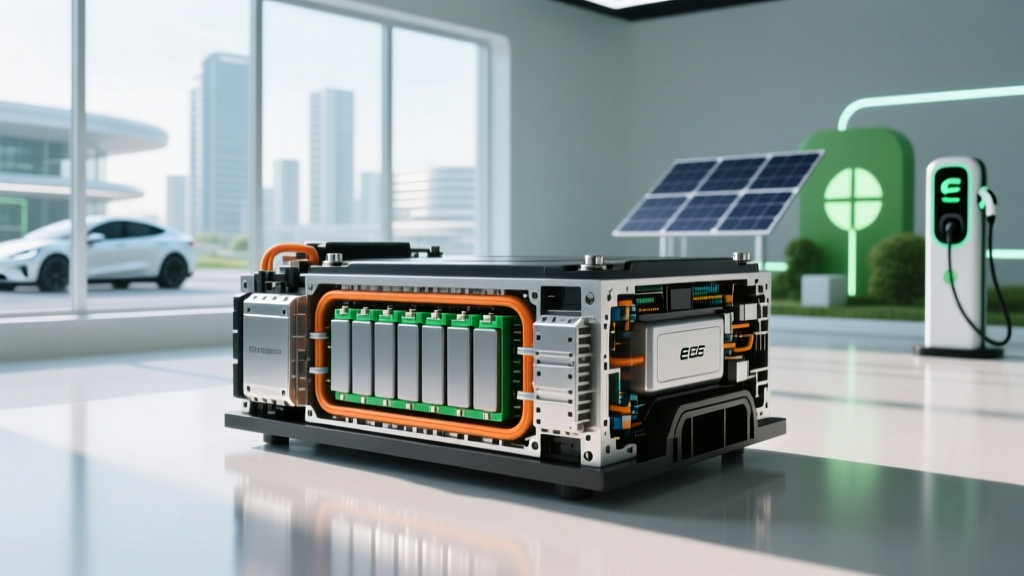
First, a crucial distinction: when we talk about "using a battery" in an EV, we mean the high-voltage traction battery (typically 400V or 800V architecture, 50–120+ kWh capacity) that powers the drive motors — not the small 12V auxiliary battery that runs accessories and computers. The 12V battery is a separate, conventional maintenance item. Everything below addresses the traction pack.
LFP vs NMC/NCA: Choosing Your Battery Chemistry
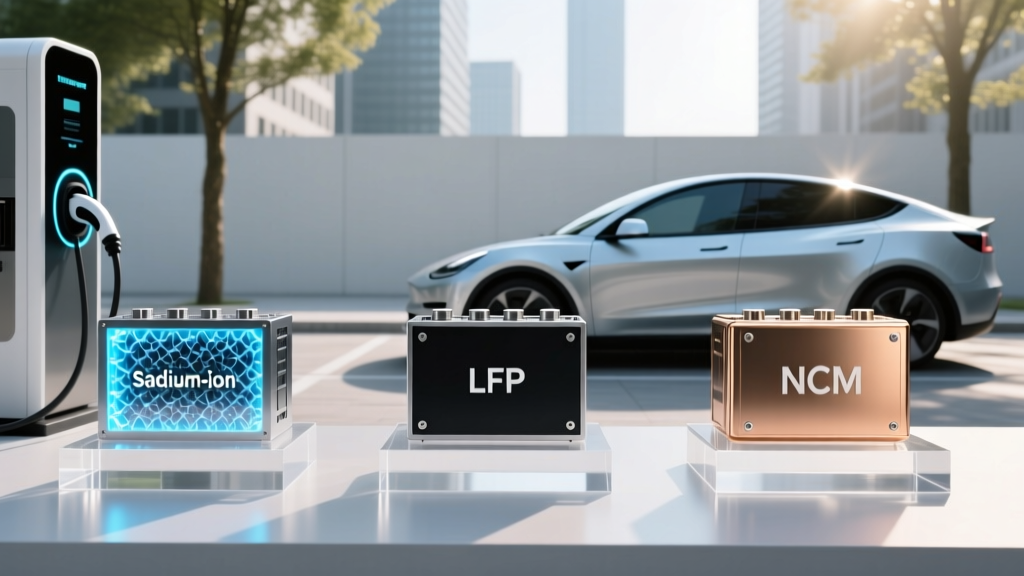
Two dominant lithium-ion chemistries power today's EVs, and the choice between them shapes range, longevity, charging behavior, and even how you should charge at home.
| Attribute | LFP (Lithium Iron Phosphate) | NMC / NCA (Nickel-based) |
|---|---|---|
| Energy Density | Lower (~160–180 Wh/kg cell-level) | Higher (~220–300 Wh/kg cell-level) |
| Typical Cycle Life | 3,000–5,000+ full cycles | 1,000–2,000 full cycles |
| Cold-Weather Performance | Reduced — slower charging below 32°F | Better low-temp discharge & charge acceptance |
| Peak Range per kWh | Shorter — heavier pack for same range | Longer — lighter pack for same kWh |
| Cost per kWh (pack-level) | ~$90–$110 (2026 est.) | ~$120–$150 (2026 est.) |
| Recommended Daily SoC | 100% OK — no degradation penalty | 80% daily; 100% only for trips |
| Thermal Runaway Risk | Very low — inherently stable | Low with proper BMS, but higher than LFP |
| Notable 2026 Applications | Tesla Model 3 RWD, BYD Dolphin, Ford Mustang Mach-E Select (LFP option) | Hyundai Ioniq 5/6, Tesla Model Y LR, Rivian R1S, Lucid Air |
Which is better? There is no universal winner. If you commute short distances, charge at home nightly, and want maximum cycle life with minimal babysitting, LFP is the pragmatic pick — charge it to 100% and don't think about it. If you need 300+ miles of EPA range, tow frequently, or live where winter temperatures routinely drop below freezing, NMC/NCA's superior energy density and cold-weather charge acceptance make it the better fit. The chemistry choice is a packaging and use-case decision, not a quality hierarchy.
How Long Do EV Batteries Actually Last?
The short answer: most modern EV traction batteries outlast the vehicles they're installed in. The long answer requires looking at real-world degradation data rather than worst-case anecdotes.
Typical Degradation Curve (NMC packs, 2020–2026 data from Recurrent Auto, Geotab, and OEM reports):
- Year 1 / 0–15,000 miles: ~2–3% capacity loss (initial formation loss — steepest part of the curve)
- Years 2–4 / 15,000–60,000 miles: ~1% per year, roughly linear
- Years 5–8 / 60,000–120,000 miles: ~0.5–1% per year, continued linear decline
- 10-year / 150,000-mile mark (median): ~85–90% State of Health retained
Sources: Recurrent Auto Battery Degradation Studies, Geotab Fleet Battery Health Data
LFP packs show even flatter curves — Tesla's Standard Range / RWD Model 3 fleet data indicates median ~92% SoH at 100,000 miles, with many packs above 95%. This is the cycle-life advantage in practice: LFP's chemistry tolerates daily 100% charging without the accelerated calendar degradation that plagues NMC at high SoC.
When is replacement typically needed? In most cases, it isn't — at least not during normal first-ownership periods. Catastrophic failure (cell shorts, coolant intrusion, physical damage) is the more common replacement trigger than gradual wear-out. A pack at 80% SoH still delivers usable daily range; it just means a 300-mile EPA sticker now reads ~240 miles of real capacity. For most owners, that's still adequate for years of continued service.
What the Battery Warranty Actually Covers
Federal law (per EPA and emissions-related component mandates) effectively sets a floor: most manufacturers warranty EV traction batteries for at least 8 years / 100,000 miles, and in CARB-adopting states (California, New York, Washington, Oregon, and others), that extends to 10 years / 150,000 miles for certain PZEV/TZEV-classified components.
| Manufacturer | Warranty Term | Capacity Retention Threshold | Notes |
|---|---|---|---|
| Tesla (Model 3/Y) | 8 yr / 120,000 mi (LR/AWD); 8 yr / 100,000 mi (RWD) | 70% SoH minimum | Includes drive unit |
| Hyundai / Kia (Ioniq 5/6, EV6/EV9) | 10 yr / 100,000 mi | 70% SoH minimum | Longest standard term in US market |
| Ford (Mach-E, F-150 Lightning) | 8 yr / 100,000 mi | 70% SoH minimum | Battery + electric components |
| GM (Ultium: Equinox EV, Blazer EV, Silverado EV) | 8 yr / 100,000 mi | 70% SoH minimum | Ultium platform warranty |
| Rivian (R1T / R1S) | 8 yr / 120,000 mi | 70% SoH minimum | Max pack has 8/175,000 |
| BMW (i4, iX, i5) | 8 yr / 100,000 mi | 70% SoH minimum | Includes module-level replacement |
What triggers a warranty claim? Dropping below the stated SoH threshold (typically 70%) within the term. Some manufacturers will replace individual modules rather than the full pack — a significantly cheaper and faster repair. Note that warranties exclude physical damage, flooding, unauthorized modifications, and failure to follow the owner's manual charging guidance. Keep records.
EV Battery Replacement Cost: What to Budget
Replacement cost varies enormously by pack size, chemistry, and whether you need a full pack or module-level repair. Here's the 2026 landscape:
| Vehicle / Pack Size | Full Pack (Parts + Labor) | Module Repair (if available) | Typical Need Trigger |
|---|---|---|---|
| Nissan LEAF 40 kWh | $6,500 – $9,000 | $2,500 – $4,000 | Gradual wear (older packs) |
| Tesla Model 3 RWD (LFP, ~60 kWh) | $8,000 – $12,000 | N/A — structural pack | Rare; physical damage |
| Hyundai Ioniq 5 (77.4 kWh NMC) | $11,000 – $15,000 | $4,000 – $7,000 per module | Catastrophic failure |
| Ford F-150 Lightning Ext. Range (131 kWh) | $18,000 – $22,000+ | Limited module access | Catastrophic / coolant leak |
| Lucid Air (112 kWh) | $20,000 – $25,000+ | OEM-only service | Rare; under warranty |
Context that matters: According to data aggregated by Consumer Reports and Recurrent, fewer than 2% of EVs from the 2018–2024 model years have required out-of-warranty traction battery replacement. Most packs reaching end-of-life are still under the 8-year/100,000-mile warranty. The "I'll be stuck with a $20,000 bill" scenario is statistically rare for current-generation vehicles, though it remains a legitimate consideration for high-mileage used EV purchases near or past warranty expiration.
Factors That Accelerate (or Preserve) Battery Life
Battery degradation is driven by four primary stressors. Understanding them lets you make informed trade-offs rather than following blanket rules.
Battery Care Checklist for Daily Ownership
- State of Charge habits: For NMC/NCA, set daily charge limit to 80% and reserve 100% for road trips. For LFP, charge to 100% regularly — it actually helps the BMS calibrate cell balancing.
- DC Fast Charging frequency: Occasional fast charging (1–2x/week) has negligible long-term impact on modern packs with active thermal management. Daily DCFC on packs without robust cooling (older LEAF, some early BEVs) does accelerate wear. Preconditioning before fast-charging reduces stress.
- Extreme temperatures: Sustained exposure above 95°F ambient accelerates calendar degradation. Garage parking in hot climates measurably extends pack life. Below 20°F, avoid fast-charging a cold-soaked pack without preconditioning — lithium plating risk is real.
- Depth of Discharge: Shallow cycles (e.g., 30%–80%) are easier on NMC than deep cycles (10%–100%). But don't obsess — the difference over 8 years is typically 2–4% SoH.
- Storage: If storing an EV for 2+ weeks, park at ~50% SoC in a cool location. Never store at 100% or near 0% for extended periods.
- Software updates: Accept OTA battery-management updates — OEMs routinely refine charge algorithms and thermal thresholds that improve longevity.
Monitoring Battery Health: How to Check State of Health
Most 2026 EVs surface SoH data through one of three channels:
- In-vehicle displays: Tesla's Service Mode (accessible via the software screen tap sequence) shows pack SoH percentage. Hyundai/Kia's EV-specific menus show estimated range vs. original range. BMW iDrive includes a battery health indicator under vehicle settings.
- OEM apps: The Tesla app, FordPass, Hyundai Bluelink, and myChevrolet apps display estimated range and, in some cases, explicit SoH percentage after OTA updates in 2024–2026.
- Third-party tools: Apps like Recurrent (fleet-grade analytics, free for individual owners), Teslalogger, and OBD-II dongles paired with Scan My Tesla or LeafSpy (for Nissan) provide granular cell-voltage and capacity data.
For used-EV buyers, requesting a SoH report from a dealer or independent EV specialist before purchase is strongly recommended. A pack at 88% SoH with 60,000 miles is typical and healthy; a pack at 78% SoH with 40,000 miles suggests either abuse, a defective module, or a measurement anomaly worth investigating.
What's Next: Solid-State, Silicon Anode, and Beyond
Several next-generation battery technologies are in development, but timeline honesty matters here:
- Solid-state batteries: Toyota, Samsung SDI, and QuantumScape are targeting limited production in 2027–2029, initially in premium/low-volume models. Promised benefits include 50%+ energy density gains, 10-minute fast charging, and improved safety. Not available in any 2026 production vehicle.
- Silicon-dominant anodes: Companies like Sila Nanotechnologies and Group14 are shipping silicon-blend anodes in limited 2025–2026 applications (notably the Mercedes G-Class 580e PHEV). These offer ~10–20% energy density improvement over graphite anodes and are a nearer-term upgrade path than full solid-state.
- Sodium-ion batteries: CATL and BYD are producing sodium-ion packs for low-cost, short-range BEVs in China (2025+). US-market availability remains uncertain and likely limited to fleet/micro-vehicles initially.
For buyers deciding today: current lithium-ion technology (both LFP and NMC) is mature, well-understood, and supported by long warranties. Waiting for solid-state means waiting 3–5+ years for limited availability at premium pricing. The pragmatic move is to buy the chemistry that fits your use case now and let the next generation mature on someone else's depreciation curve.
Frequently Asked Questions
How long do EV batteries last in years and miles?
Median data from Recurrent Auto and Geotab shows modern EV traction batteries retaining 85–90% capacity at 10 years / 150,000 miles. LFP packs trend higher (~90–95% at 100,000 miles). Most packs outlive the vehicle's useful economic life; catastrophic failure, not gradual wear, is the more common replacement reason.
How much does an EV battery cost to replace?
Full pack replacement ranges from ~$6,500 (smaller packs like the LEAF 40 kWh) to $22,000+ (large packs like the F-150 Lightning 131 kWh or Lucid Air). Module-level repairs, where available, run $2,500–$7,000. Fewer than 2% of 2018–2024 model-year EVs have required out-of-warranty replacement.
What does the battery warranty cover?
Standard warranties cover capacity loss below a stated threshold (typically 70% SoH) for 8 years / 100,000 miles minimum (10 yr / 150,000 mi in CARB states). They exclude physical damage, flooding, unauthorized modification, and failure to follow charging guidelines. Module-level replacement is common before full-pack swap.
How do I check and maximize battery health?
Check SoH via in-vehicle service menus, OEM apps, or third-party tools like Recurrent or LeafSpy. Maximize longevity by setting NMC daily charge to 80%, preconditioning before DC fast-charging, avoiding sustained high-temperature storage, and accepting OTA battery-management updates. LFP owners can charge to 100% daily without penalty.
LFP vs NMC — which is better and why?
LFP wins on cycle life (3,000–5,000 vs 1,000–2,000 cycles), cost (~$90–110/kWh vs $120–150/kWh), safety, and daily-charging convenience. NMC wins on energy density (more range per pound), cold-weather charge acceptance, and suitability for long-range and towing applications. Choose LFP for commuting and home charging; choose NMC for 300+ mile range needs and cold climates.
Is it safe to fast-charge my EV regularly?
On modern EVs with active liquid thermal management (virtually all 2020+ models), 1–2 DC fast-charging sessions per week show negligible long-term degradation impact. Daily DCFC on passively-cooled packs (older LEAF) does measurably accelerate wear. Always precondition before fast-charging in cold weather.
Should I wait for solid-state batteries before buying an EV?
Solid-state batteries are not available in any 2026 production vehicle and are expected to debut in limited, premium applications in 2027–2029. Current LFP and NMC technology is mature, well-warrantied, and supported by a growing charging network. Waiting 3–5+ years for first-generation solid-state means paying early-adopter premiums on unproven supply chains.